


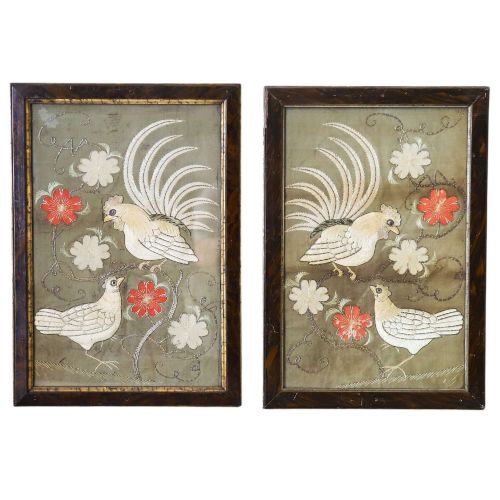
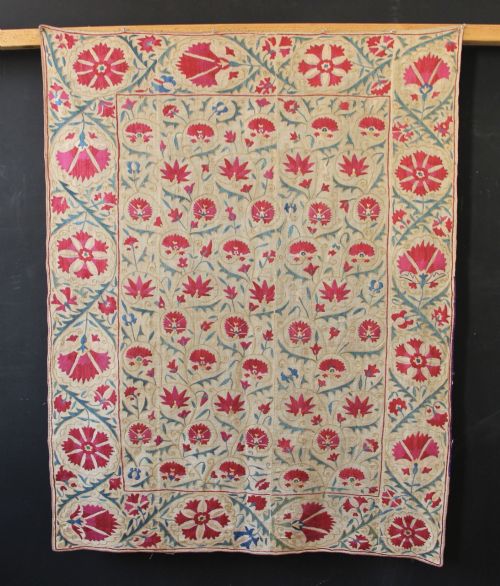
Antique Silk Wall Panel
An antique silk wall panel brings rich texture and historic narrative to a room, ranging from vibrant Central Asian needlework to delicate English embroideries.
Antique Silk Wall Panel
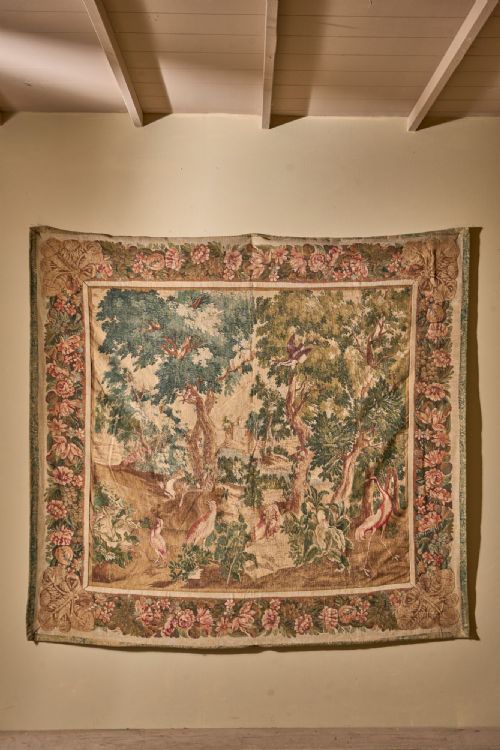
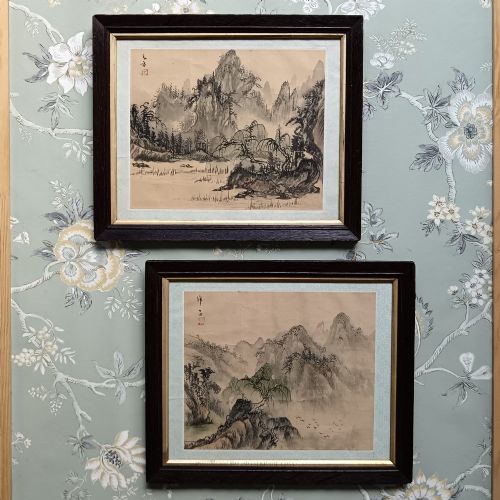
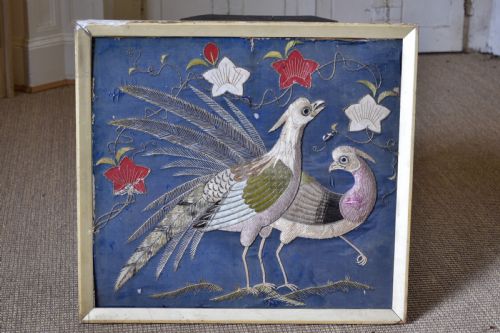
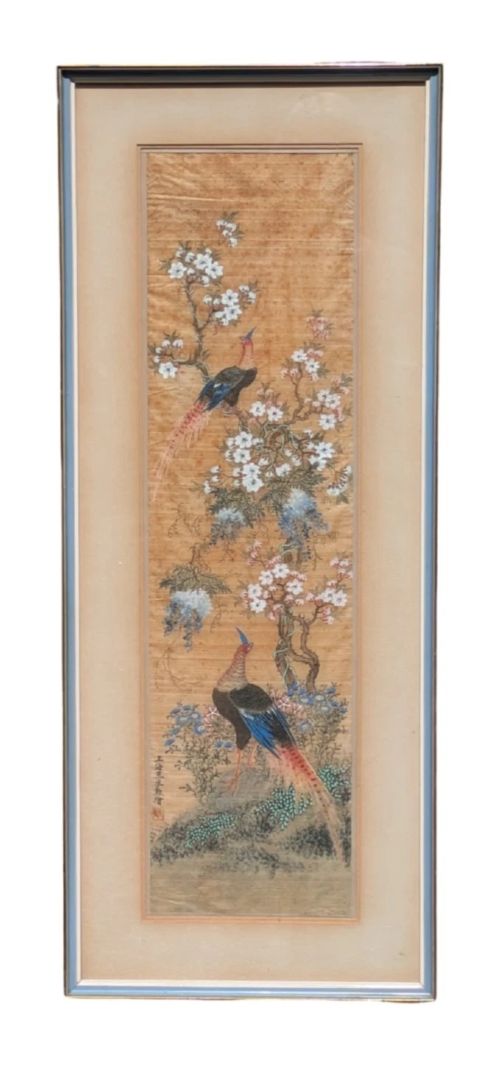
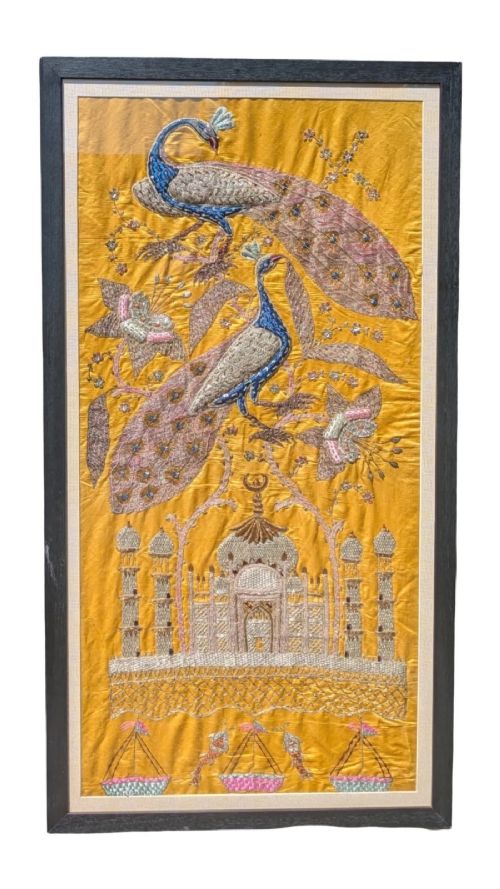
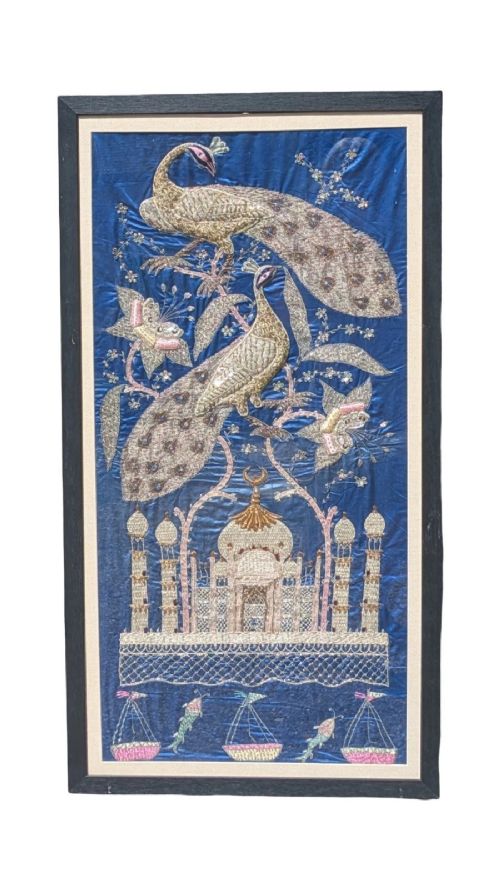
When searching for an antique silk wall panel, collectors encounter a diverse range of historic textiles transformed into wall art over the centuries. These pieces encompass Central Asian tribal embroideries, Chinese silk paintings, European needlework pictures, and framed fragments of larger tapestries.
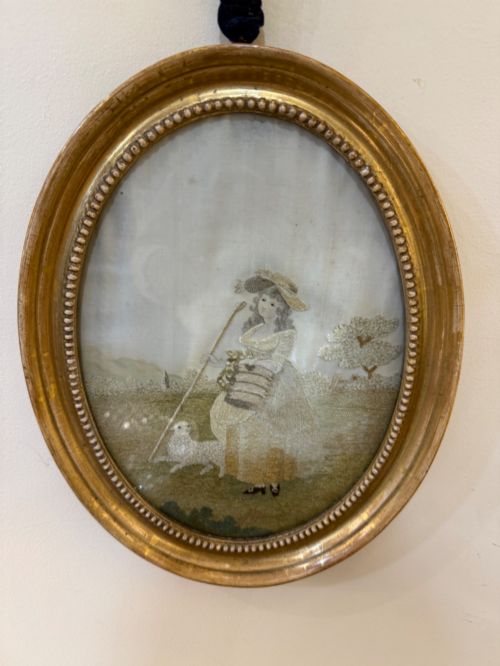
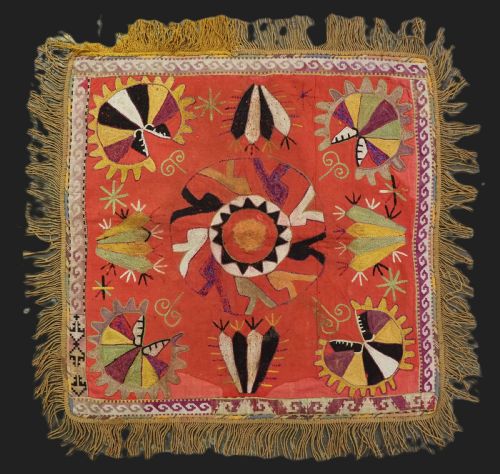
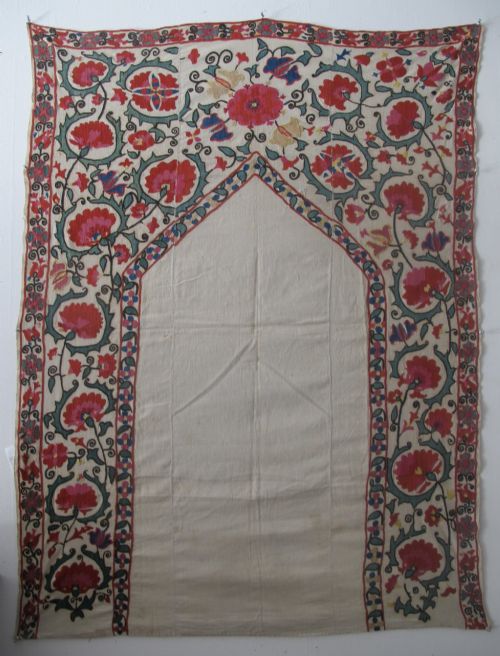
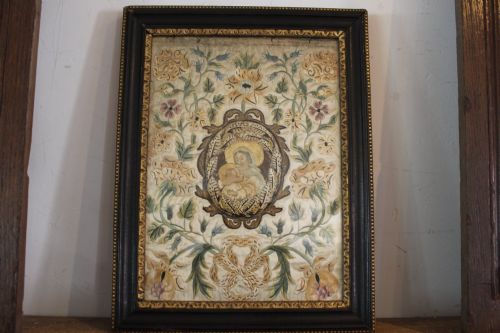
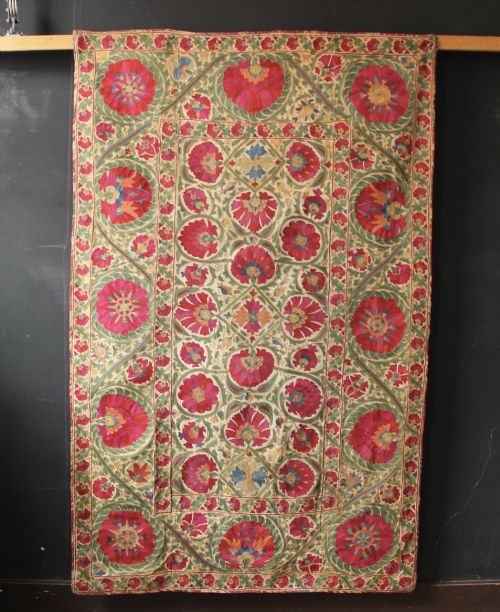
The version most commonly met on this page is the nineteenth-century Central Asian suzani or dowry embroidery, alongside framed English and French silk needlework panels from the georgian and nineteenth-century periods.
Origins stretch from Uzbekistan and China to Greece, France, and Britain, reflecting global traditions of textile artistry meant for domestic display.
How they were made
These textiles rely on a foundation of woven silk, cotton, linen, or wool, worked with fine silk floss and metallic threads using specialised needlework and embroidery techniques. Artisans also incorporated hand painting and pigment directly onto the silk ground, particularly in Chinese paintings and English pictorial needlework.
Many panels incorporate secondary materials such as glass, wood frames, and paper backings to protect the fragile textiles, while older fragments are mounted onto modern or historic stretchers for display.
Listings feature textiles spanning from the sixteenth-century Flemish period through to the nineteenth century, incorporating wool, linen, and metallic thread.
What varies in quality
Quality in these textiles rests upon the density and precision of the needlework, the vibrancy and stability of the original silk dyes, and the overall integrity of the fabric ground. Finer examples display intricate, complex motifs executed with exceptional dexterity, whereas lesser pieces show looser stitching or heavy restoration.
The survival of original framing, uncompromised metallic threads, and crisp hand-painted details distinguish the finest examples from standard decorative fragments.
The Antique Silk Wall Panel Glossary
- Suzani
- A type of embroidered tribal hanging originating from Uzbekistan and surrounding regions, traditionally worked in silk on a cotton or silk ground.
- Ikat
- A dyeing technique used to pattern textiles prior to weaving, resulting in characteristic hazy, feathered pattern edges seen on adras panels.
- Stumpwork
- A raised embroidery style popular in seventeenth-century England, using padded stitches over wooden or felt forms to create three-dimensional pictorial scenes.
- Rank Badge
- A square embroidered insignia worn on official robes in Qing dynasty China, repurposed into framed wall panels for collectors.
- Band Sampler
- A long, narrow linen or silk band worked with various embroidery stitches and patterns by needleworkers to demonstrate skill.
Antique Silk Wall Panel: Frequently Asked Questions
How were antique silk wall panels originally displayed?
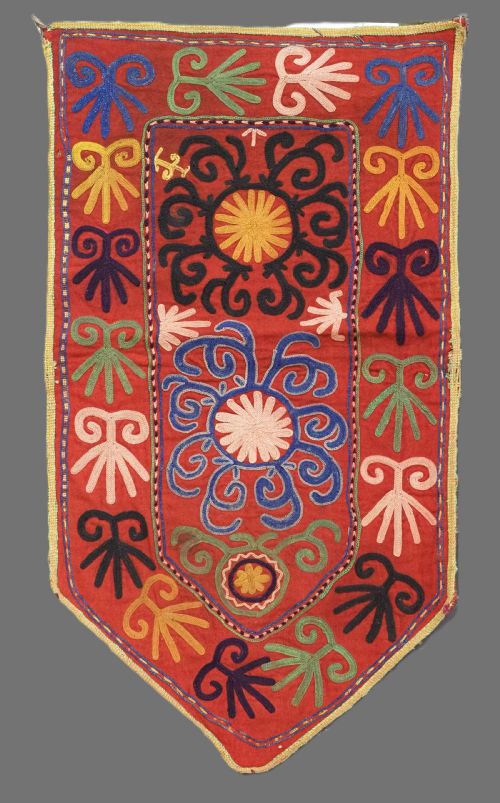
Many of these textiles served practical or ceremonial purposes in domestic spaces before becoming wall art. Central Asian suzanis and ilgiches were created as dowry items or wall hangings for nomadic yurts and homes.
European tapestries and needlework pictures were designed specifically to decorate the wood-panelled walls of country houses and urban reception rooms, insulating spaces whilst displaying status.
Can I hang these panels in direct sunlight?
Historic silk textiles are exceptionally sensitive to ultraviolet light and heat. Direct sunlight will rapidly fade natural silk dyes and weaken the fragile protein fibres over time.
It is best to position these pieces on interior walls away from windows, ideally behind conservation-grade glass if they are framed.
How do I identify a suzani?
Suzanis are large, embroidered tribal textiles created primarily in Uzbekistan by nomadic and city-dwelling women. They typically feature bold floral motifs, vines, and sunburst medallions worked in vibrant silk floss.
They often consist of several narrow vertical panels stitched together to form a grand field of design intended for interior decoration.
What is an ikat fabric panel?
An ikat panel is created through a resist-dyeing process applied to the warp threads before the textile is woven on the loom. This technique produces characteristic blurred outlines along the pattern edges.
In Central Asia, these vibrant semi-silk adras fabrics were utilised for domestic furnishings and wall displays.
How should an antique textile be mounted for a wall?
Proper mounting requires professional conservation framing or stitching the textile gently to a padded, acid-free support board covered in neutral fabric. This distributes the weight evenly across the entire piece rather than pulling at individual threads.
Glazing should be kept slightly separated from the textile surface to prevent moisture accumulation and pressure damage.