


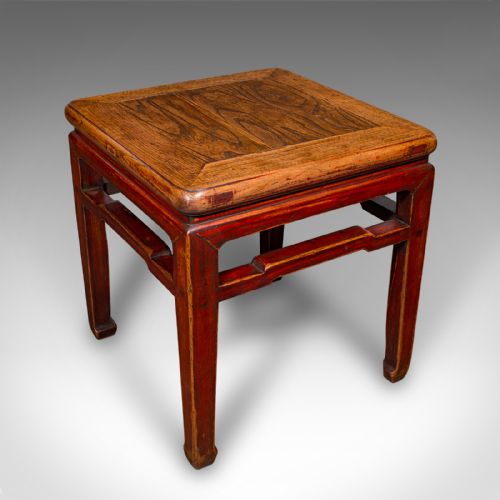


Traditional Asian Coffee Table
A traditional asian coffee table brings low-profile timber construction and centuries of regional design straight into the modern living room.
Traditional Asian Coffee Table
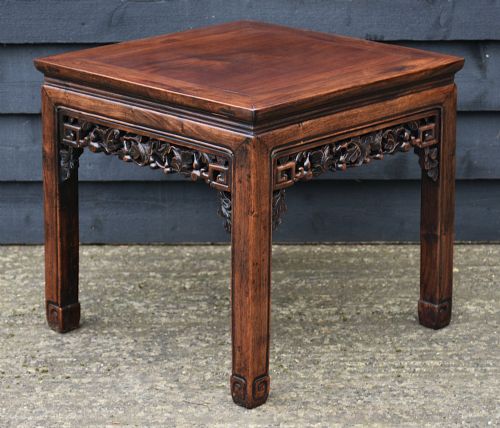
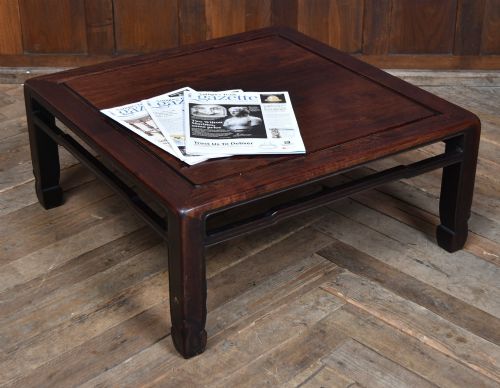
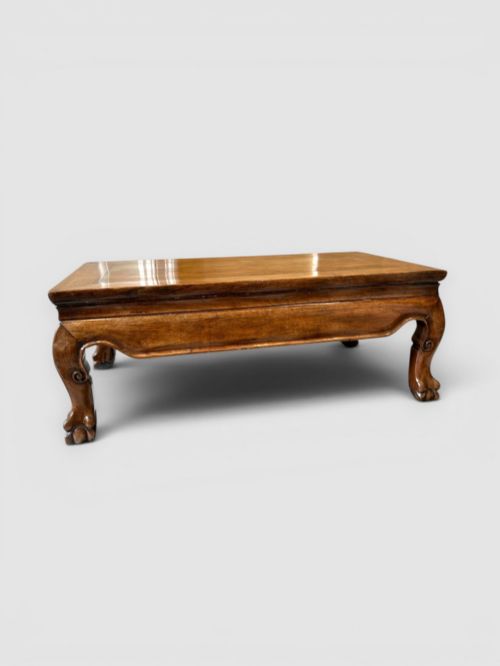
When searching for a traditional asian coffee table, buyers encounter low-profile formats such as opium tables, kang tables, and low occasional pieces designed for seating close to the floor. These items emerge predominantly from nineteenth and early twentieth-century periods, capturing styles ranging from rustic country elm to formal Qing Dynasty carving.
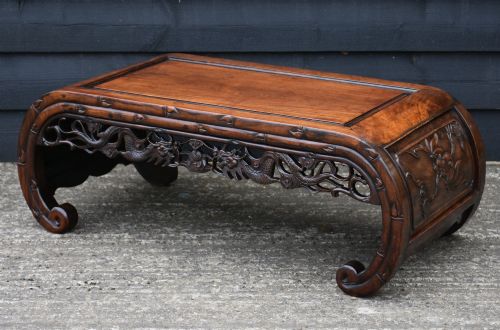
The most frequent examples on this page are low hardwood tables, often featuring scroll ends, dragon details, or simple rectangular proportions. Alongside single low tables, the selection includes nesting tables and side tables built for versatile domestic utility.
Origins span diverse regional traditions, encompassing Chinese export and traditional workshops, Japanese calligraphy and tea tables, and Burmese lacquerwork. Each piece retains a low elevation suited to traditional floor-level seating arrangements now repurposed for contemporary living spaces.
Distinguishing quality across pieces
Quality rests upon the selection of timber and the depth of natural patina developed across the surface through prolonged use and age. Dense hardwoods like rosewood and padouk exhibit superior weight and structural integrity compared to softer secondary woods.
The crispness and execution of hand-carved details, such as scroll ends and dragon motifs, separate standard utility items from finer workshop productions. Proportion, balance, and the preservation of original lacquer or pigment surfaces further define the upper tier of surviving examples.
The Traditional Asian Coffee Table Glossary
- Kang table
- A low platform table traditionally placed upon a heated brick bed in northern China for dining or resting. These pieces form the direct structural ancestor to many low coffee tables found today.
- Opium table
- A colloquial term for a low rectangular table traditionally used for reclining or smoking. They typically feature compact dimensions and modest leg clearance.
- Scroll end
- A characteristic upturned terminal on the short sides of a table top, derived from traditional architectural bracket forms. This detail adds linear grace to low table profiles.
- Nest of tables
- A graduated set of smaller tables designed to slide neatly underneath one another when not in use. They offer flexible surface space in compact rooms.
Traditional Asian Coffee Table: Frequently Asked Questions
How were traditional asian coffee tables originally used?
These low formats were built for sitting, eating, and writing close to the floor within traditional domestic interiors. Tables placed upon raised platforms or sleeping areas served daily functional needs.
Over time, many of these low forms transitioned into standard living room furniture used to hold tea sets, books, and decorative objects at a comfortable reach.
What is the difference between a kang table and an opium table?
Kang tables generally originated from northern domestic settings where platforms provided warmth and seating during colder months. They often display pronounced scroll ends and heavier proportions.
Opium tables share the same low profile but typically present simpler frames designed for domestic lounging. Both fulfill the same functional category in modern decorating contexts.
How do I care for antique hardwood tables?
Maintain the timber by keeping pieces away from direct heat sources and sudden humidity shifts that can cause wood to split. Regular dusting with a soft, dry cloth preserves the natural surface.
Avoid chemical polishes that can degrade historic patinas. Occasional application of appropriate wax helps nourish older hardwood finishes.
Are nesting tables practical for modern rooms?
Nesting tables provide exceptional versatility because they stack into a single footprint when floor space is limited. Individual tables pull out easily whenever extra surface area is required.
This modular design suits contemporary apartments and smaller living areas seeking historic character without permanent bulk.