

Traditional Armoire
A traditional armoire offers substantial storage through panelled doors and deep shelves, bringing centuries of regional craftsmanship into a modern bedroom or hallway.
Traditional Armoire
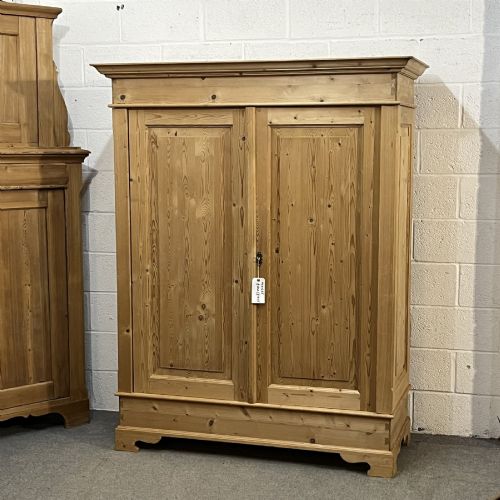
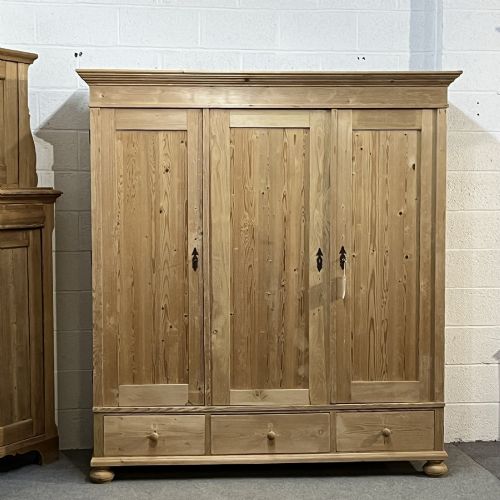
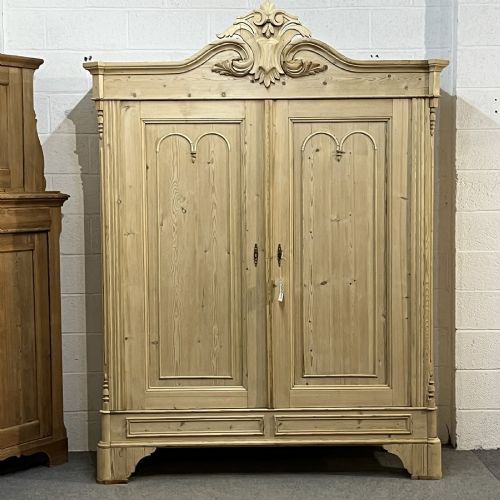
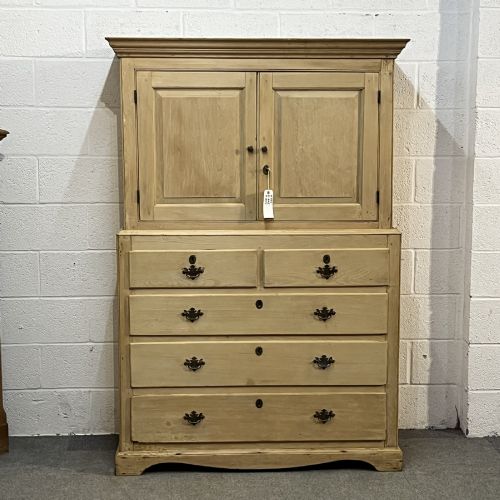
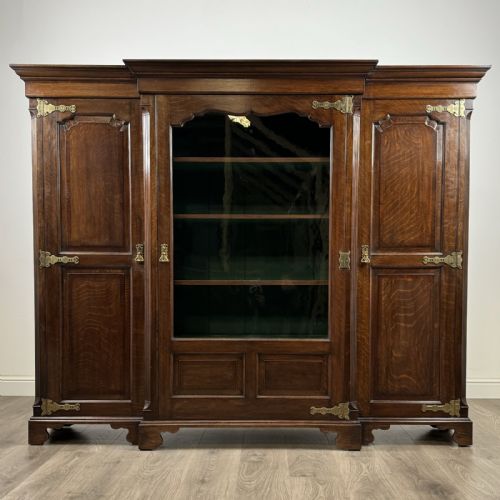
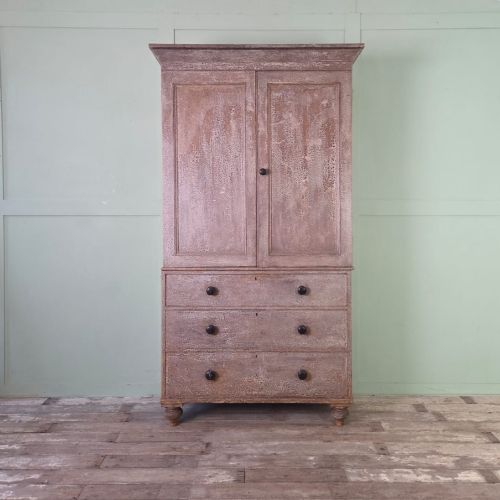
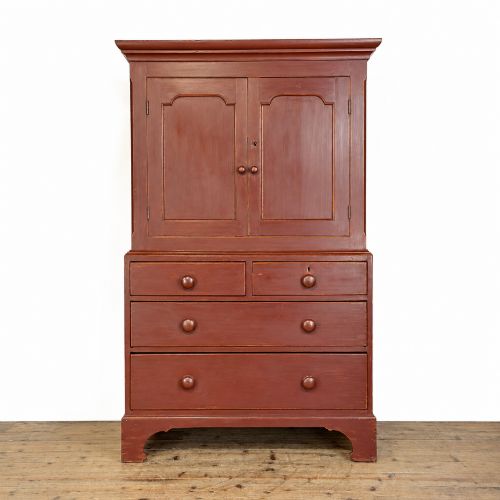
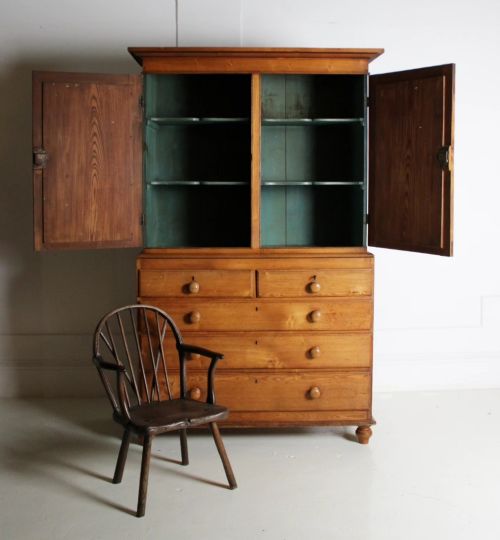
A traditional armoire encompasses large freestanding storage furniture, frequently catalogued as wardrobes, linen presses, and housekeeper cupboards across the listings. These pieces serve primarily to store garments, linen, and household provisions within deep interior compartments.
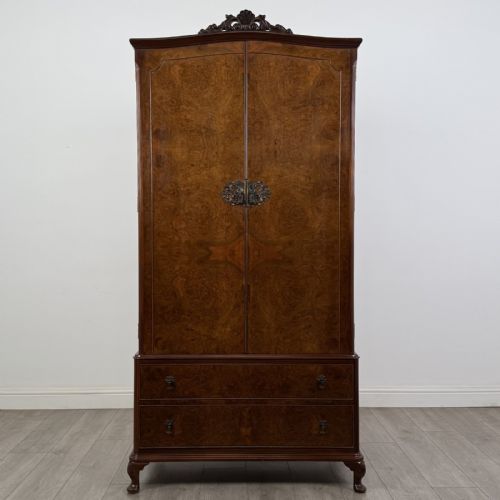
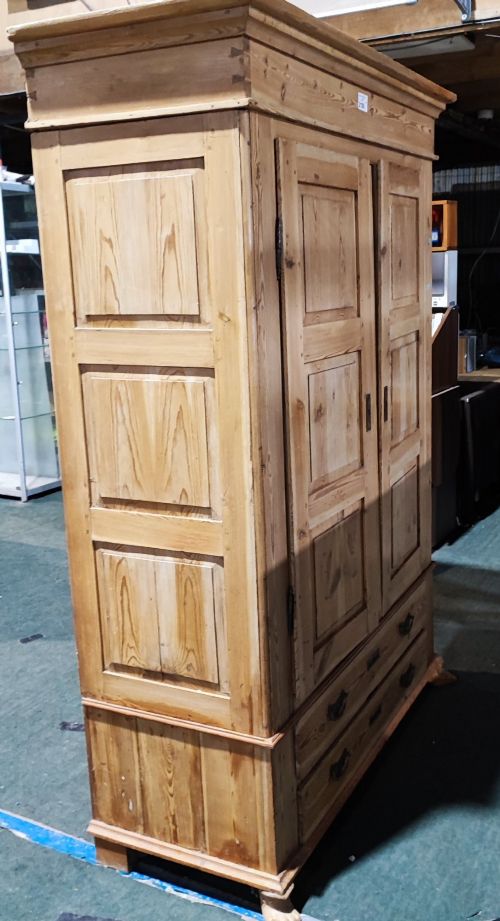
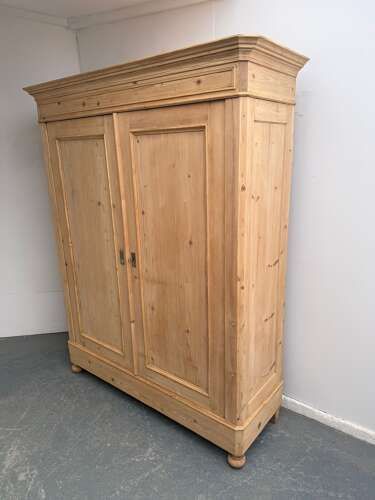
The versions met most often on this page date from the nineteenth century, constructed largely from pine, oak, and mahogany. Regional British and European workshops dominate the forms, ranging from plain farmhouse storage to polished Georgian and Victorian designs.
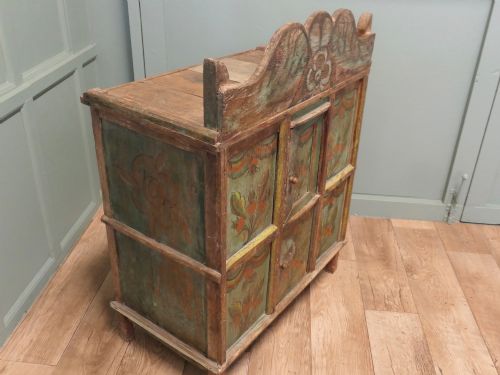
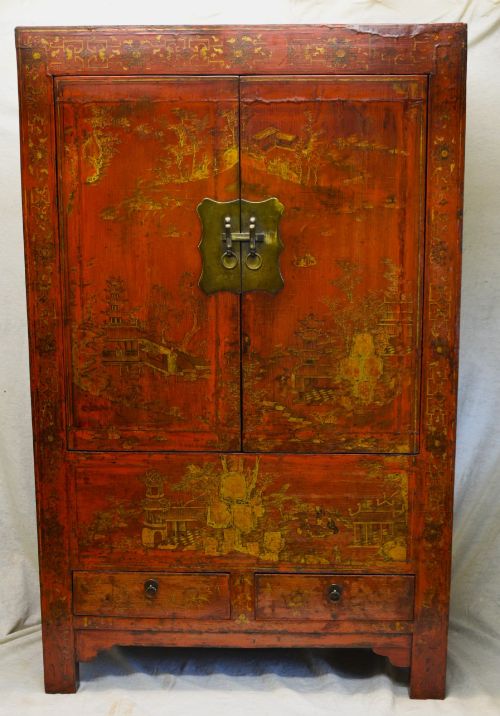
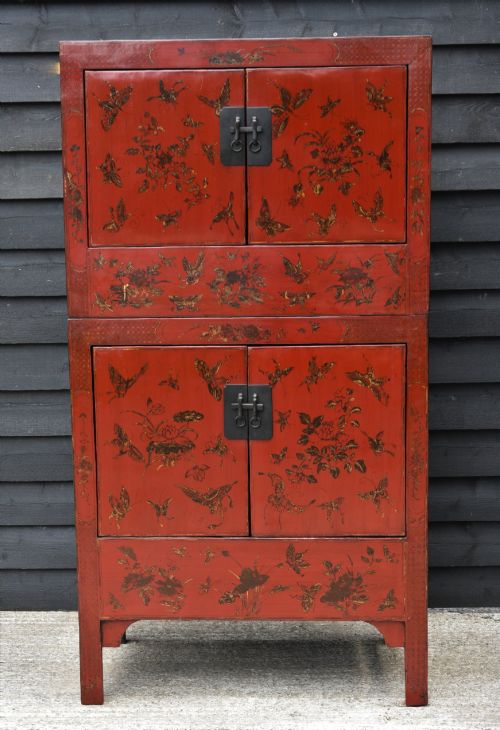
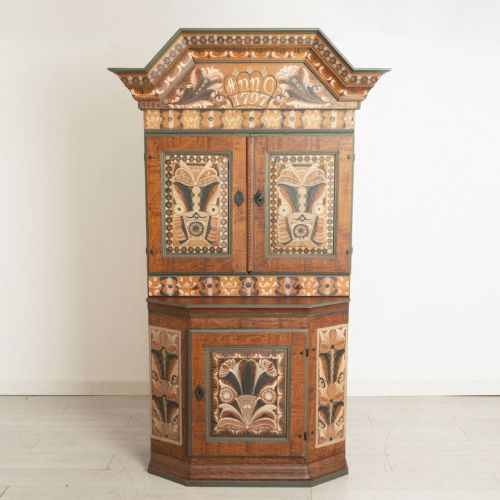
Alternative stylistic expressions within the search include French provincial painted finishes, Qing dynasty red lacquer wedding cabinets, and Swedish folk art pieces. These variations provide distinct regional character while retaining the fundamental enclosed storage format.
How traditional armoire furniture was made
Makers utilised solid timbers such as oak, mahogany, and pine, frequently employing panelled door construction to prevent warping across large timber surfaces. Many examples incorporate knockdown frames secured by pegged joints or internal bolts, allowing these heavy pieces to be dismantled for transport.
Surface finishes range from clear wax on polished hardwoods to decorative painted schemes, scumble glazes, and oriental lacquer work. Brass and iron hardware, including strap hinges and escutcheons, secure the doors and drawers while adding functional detail.
Traditional Armoire Retail Price Guide 2026
Typical asking prices for traditional armoire among the pieces listed under this phrase on Sellingantiques today, from the lower quarter to the upper quarter. They describe what is for sale here now, not the wider market.
Several listings feature wedding cabinets traditionally gifted to newlyweds in China and Europe to ensure good fortune.
What varies in quality
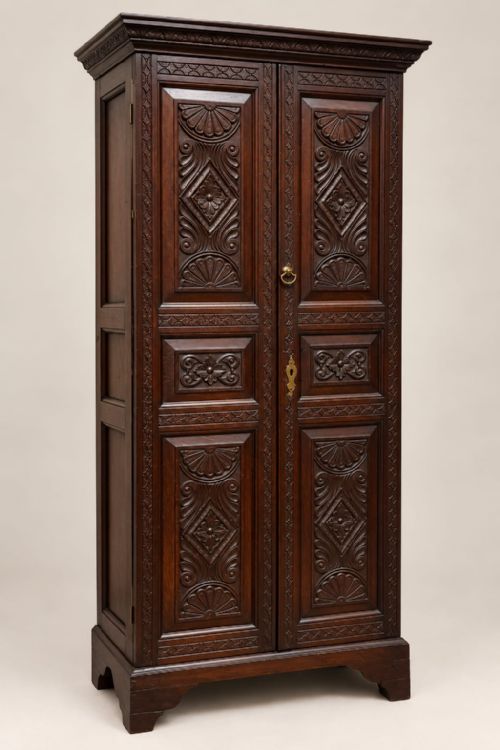
Quality separates along the integrity of the timber framing and the preservation of original surfaces. Pieces retaining early paint, untouched patination, or fine cabinet-making details like linenfold carving sit at the higher end of the range.
Structural alterations, replacement hardware, and heavily stripped pine surfaces shift examples down the scale. The precision of the original joinery, particularly in knockdown wardrobes and fitted linen press interiors, dictates the durability of the piece.
The Traditional Armoire Glossary
- Knockdown wardrobe
- A large wardrobe designed to be dismantled into sections using internal bolts or wooden pegs for easier transport and installation.
- Linen press
- A tall cupboard featuring upper shelving for textiles paired with lower storage drawers for smaller garments.
- Housekeeper cupboard
- A utilitarian storage cabinet used in large homes for provisions, household linen, and domestic equipment.
- Scumble paint
- A decorative surface technique where a translucent glaze is manipulated over a lighter base colour to simulate wood grain.
- Linenfold
- A carved wood panel motif resembling folded parchment or linen cloth, popular in traditional joinery.
Traditional Armoire: Frequently Asked Questions
What is a traditional armoire used for?
These large cabinets provide principal storage for clothing, folded garments, and household textiles within bedrooms and hallways. Deep internal spaces and integrated drawers accommodate items that require enclosed storage away from light and dust.
Historically, specific variants like linen presses and housekeeper cupboards held domestic provisions and household linen. Today, they serve equivalent storage functions while anchoring a room with period timber or painted surfaces.
How do I assemble a knockdown wardrobe?
Knockdown wardrobes utilise internal timber framing, wedges, or metal bolts to connect the top, base, sides, and doors without permanent glue joints. Keeping the components organised during transport ensures the panels fit back into their original mortise and tenon slots.
Enlisting assistance helps support the heavy side panels upright while the top cornice and base are secured into place. Checking that the doors hang square once assembled ensures the latches and locks align correctly.
How do I care for antique pine furniture?
Antique pine responds best to natural beeswax applied sparingly and buffed with a soft cloth to nourish the dry timber. Avoiding direct sunlight and sustained moisture prevents the pine planks from shrinking, warping, or cracking over time.
For painted or scumble-glazed surfaces, dusting with a dry cloth preserves the historic finish without dissolving fragile pigments. Cleaning products containing harsh solvents or silicones should be avoided on all traditional wood surfaces.
How can I tell the period of an armoire?
Cabinet construction methods, tool marks, and timber choices offer clear indicators of age when examining the interior and backboards. Hand-sawn boards, handmade iron nails, and pegged joinery typically point towards eighteenth or early nineteenth-century origins.
Stylistic details such as Georgian bracket feet, Victorian moulding, or Edwardian linenfold carving align pieces with specific design eras. Comparing the hardware, locks, and secondary woods to established period examples confirms the date of manufacture.