



Tortoiseshell Inlaid Table
Tortoiseshell inlaid table pieces bring French Boulle work and English silver into a room through brass, ormolu, and ebonised wood.
Tortoiseshell Inlaid Table
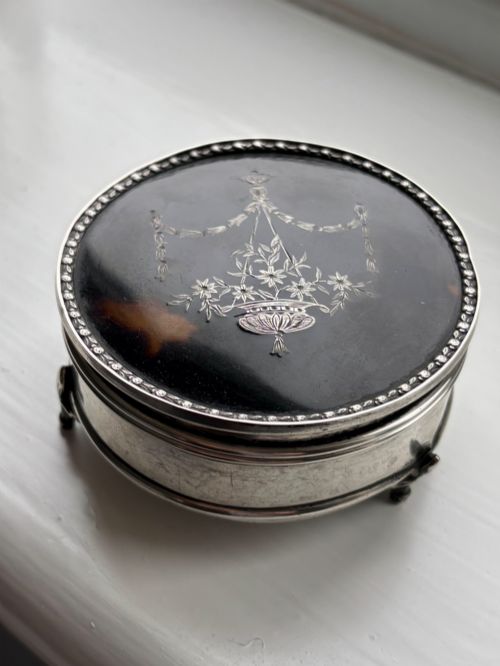
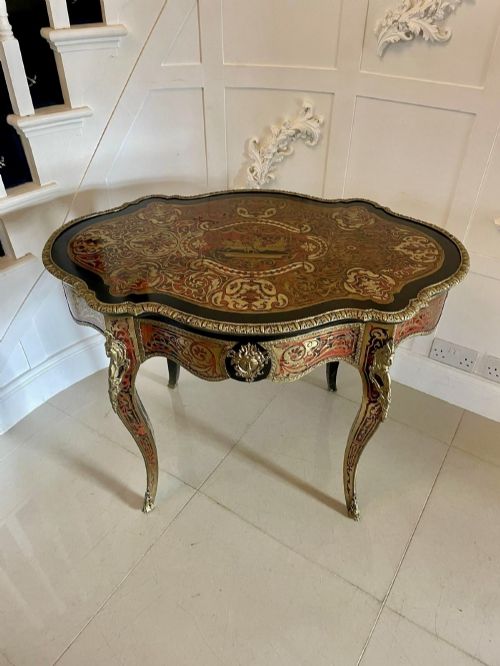
A tortoiseshell inlaid table search typically leads a buyer to nineteenth-century French centre tables, card tables, and writing desks finished in elaborate Boulle marquetry. These pieces originate predominantly from the Victorian and Edwardian periods, showcasing French styles such as Louis XIV, Louis XV, and Louis XVI alongside English silver-mounted boxes.
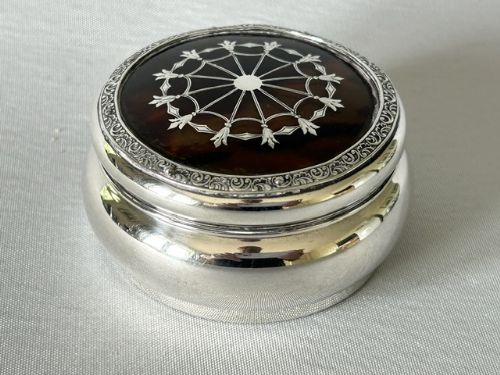
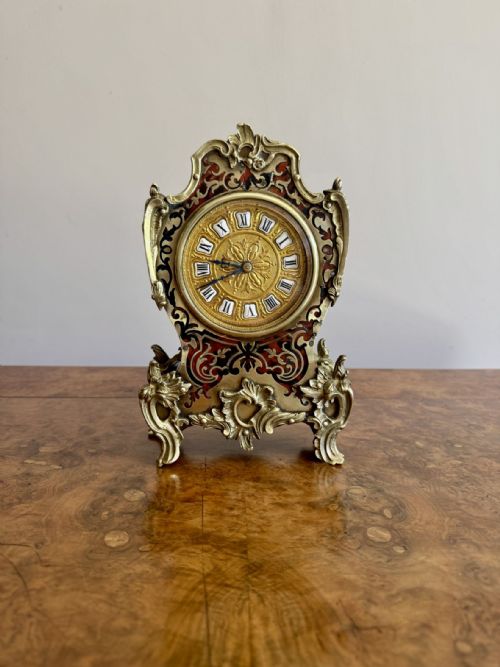
Centre tables and card tables dominate the larger furniture selections, while smaller items like trinket boxes, jewellery boxes, and mantel clocks appear frequently with similar decorative schemes. Makers such as Maison Millet and Edwards & Roberts contributed to this tradition, utilising scarlet red or green tortoiseshell alongside cut brass.
Buyers will also encounter bureau plat writing desks and bonheur du jour cabinets within the nineteenth-century material, reflecting the enduring popularity of tortoiseshell inlay across diverse domestic furniture and decorative objects.
Materials and Craftsmanship
Craftsmen built these items using ebonised wood as a dark foundation, contrasting sharply against inlaid panels of genuine or faux tortoiseshell. Cut brass and ormolu form intricate floral and scroll motifs across the surfaces, executed in the traditional Boulle technique.
Many smaller pieces incorporate sterling silver, glass, and enamel alongside the tortoiseshell, particularly in Edwardian and George V dressing table boxes and trinket containers. Gilt bronze mounts and brass stringing provide structural definition and decorative borders on clocks and tables.
Materials recorded across current items include sterling silver, ebonised wood, scarlet and green tortoiseshell, ormolu, and brass.
Distinctions in Quality
The sophistication of the brass and tortoiseshell marquetry distinguishes superior examples from standard production, with finer pieces displaying tight, precise cutting and minimal filler between the elements. The depth of colour in the underlying red or green tortoiseshell affects visual impact significantly.
Makers' signatures and established workshop attributions elevate certain furniture pieces, while the crispness of the cast ormolu mounts and the integrity of the ebonised wood carcass separate high-tier clocks and tables from ordinary work.
Ollivant & Botsford·Asprey & Co.·Maison Millet·Edwards & Roberts·Samuel Marti·Payne London
The Tortoiseshell Inlaid Table Glossary
- Boulle
- A method of marquetry using contrasting panels of tortoiseshell and brass, named after the French cabinetmaker André-Charles Boulle. It defines much of the nineteenth-century French furniture seen here.
- Bonheur du jour
- A light nineteenth-century ladies writing desk featuring a small cabinet or set of drawers on top. These often display elaborate Boulle inlay and ebonised finishes.
- Ormolu
- Gilded bronze used for decorative mounts, feet, and edging on furniture and clocks. It provides a bright metallic accent to dark tortoiseshell surfaces.
- Pique work
- A method of decorating tortoiseshell with tiny gold or silver pins to form delicate patterns. It appears frequently on Edwardian trinket boxes.
- Centre table
- A table finished on all sides designed to stand away from walls in the middle of a room. Nineteenth-century examples often feature inlaid tortoiseshell tops.
Tortoiseshell Inlaid Table: Frequently Asked Questions
How do I care for tortoiseshell?
Keep tortoiseshell inlaid items away from direct sunlight and excessive heat, which can dry and warp the material. Dust gently with a soft, dry cloth without applying harsh chemical polishes.
Occasional light conditioning with specialist wax helps maintain the lustre of the shell and protects the surrounding brass inlay. Avoid moisture near any exposed wood or paper linings.
What is Boulle work?
Boulle work is an intricate marquetry technique involving sheets of tortoiseshell and brass cut together in matching patterns. The craftsman swaps the positive and negative pieces to create contrasting dark and metallic designs.
This decorative method became popular in seventeenth-century France and experienced a major revival during the nineteenth century on tables, cabinets, and clocks.
How do I date these pieces?
Dating relies on stylistic clues like Louis XIV or Louis XV revival forms, combined with construction methods and assay marks on silver mounts. Most furniture on this page dates from the nineteenth century.
Edwardian and George V pieces often include hallmarks on sterling silver boxes and dressing table items, providing exact years of manufacture alongside maker details.
Where were these items made?
The furniture and large clocks are predominantly French in origin, reflecting the popularity of Louis styles and Parisian workshops during the nineteenth century. Many centre tables and mantel clocks hail from France.
Smaller boxes and dressing table items often originate from English makers incorporating imported tortoiseshell and silver hallmarks from London or provincial assay offices.