





Torchere Table Lamp
These torchere table lamp pieces bring elevated lighting and classic display height to a room, combining slender vertical forms with functional surfaces.
Torchere Table Lamp
A torchere table lamp search brings together tall stands, figural lighting and slender occasional surfaces designed to elevate a light source or plant within a room. These pieces borrow the soaring verticality of traditional torchers and adapt it to tabletop or floor-standing illumination.
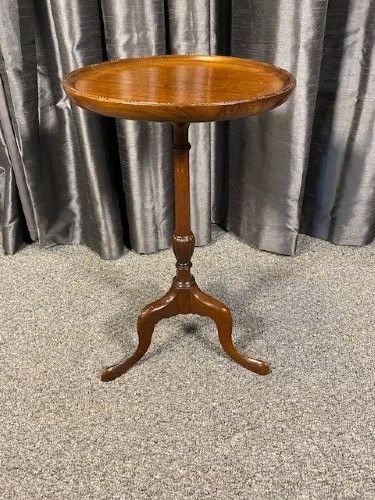
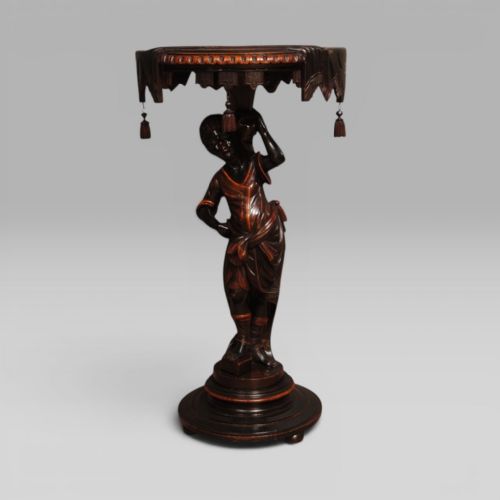
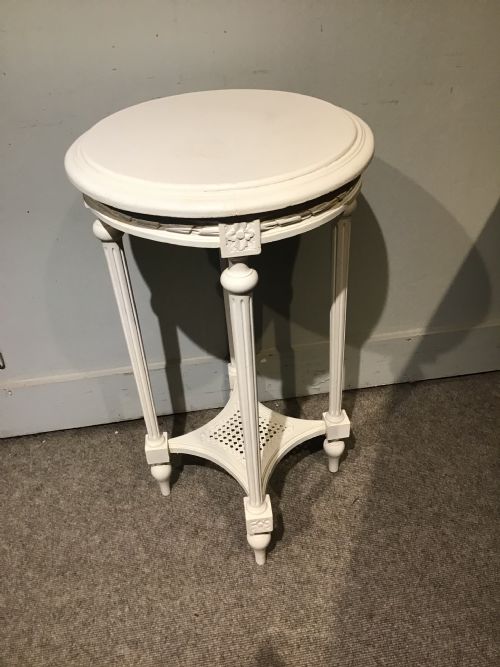
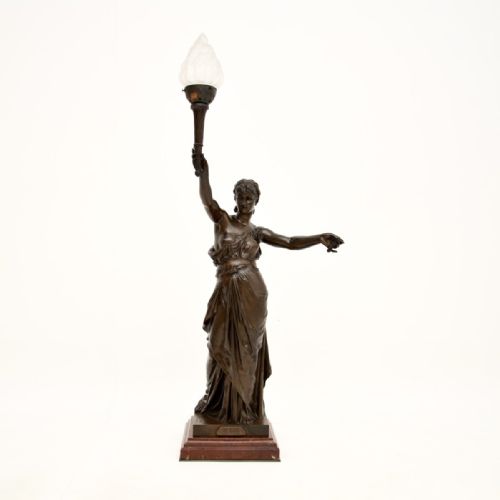
The selection ranges from Edwardian mahogany side tables and plant stands to French bronze figural lamps and Art Deco up-lighters. You meet carved wooden columns, marble-topped pedestals and detailed metal figures holding light fittings.
Origins stretch across the nineteenth and early twentieth centuries, spanning Victorian, Edwardian and Art Deco aesthetics. Mahogany, bronze, spelter and giltwood recur throughout the forms.
Materials and construction
Woodworking relies on solid mahogany, burr oak and elm, often shaped into turned columns, tripod bases and inlaid side tables. Joinery reflects period cabinet-making standards, utilising traditional framing and stable structural supports.
Metal components involve cast bronze, spelter and brass, frequently combined with marble tops, rock crystal columns or frosted glass shades. Figures are cast and chased with fine detail, while gilt finishes and polychrome paint add surface decoration.
The listings span the nineteenth century through the 1930s, featuring mahogany, bronze, spelter, and marble across table and pedestal formats.
Judging the standard
Quality rests in the crispness of cast metal figures, the depth of carved woodwork and the integration of the light fitting with the base structure. Finer examples show sharp chisel work on bronze castings and dense, well-figured timber.
Proportion and stability separate standard production from superior pieces, particularly in tall slender forms where balance is essential. The harmony between decorative bases, such as mythological figures or classical columns, and the functional lamp or table top determines the grade.
Emile Picault·Jean-Jules Cambos·Moreau
The Torchere Table Lamp Glossary
- Torchere
- A tall ornamental stand intended to carry a light or a candle. Originally designed for palaces, later adaptations support electric lamp fittings or plants.
- Spelter
- An alloy of zinc and lead used as a cheaper alternative to bronze for cast figures. It takes fine detail well and appears frequently in nineteenth-century lamp bases.
- Etagere
- A piece of furniture consisting of a set of open shelves for small objects. These often appear combined with slender occasional and side table designs.
- Jardiniere
- A decorative pot or stand for plants and flowers. In lamp combinations, the planter section integrates directly with the lighting column.
Torchere Table Lamp: Frequently Asked Questions
Where should I place a torchere lamp?
These pieces suit corners, dark hallways or beside seating where vertical height adds presence without occupying excessive floor space. Their slender profiles allow them to function as both lighting and display surfaces.
Ensure the surrounding furniture scale matches the height of the column, particularly with figural bronze or tall wooden stands.
How do I identify the period?
Examine the materials, casting quality and joinery methods against nineteenth and early twentieth-century conventions. Edwardian and Victorian pieces often feature turned mahogany and brass, while Art Deco examples display geometric lines and frosted glass.
Signatures on bronze or spelter figures provide direct attribution to makers active in specific decades.
Can these hold heavy items?
Most designs balance illumination with light display objects such as small plants or decorative vessels. Tripod bases and heavy marble tops offer stability for everyday use.
Check the weight distribution of the base before placing heavier items on associated table surfaces.
Are the electrical components original?
Electrical fittings on antique lamps are frequently updated to meet modern safety standards while retaining the original base structure. Wiring styles vary depending on when the conversion took place.
Consult a qualified electrician to inspect or rewire vintage metal and wooden lamp bases before use.