


Tin Glazed Pottery Jug
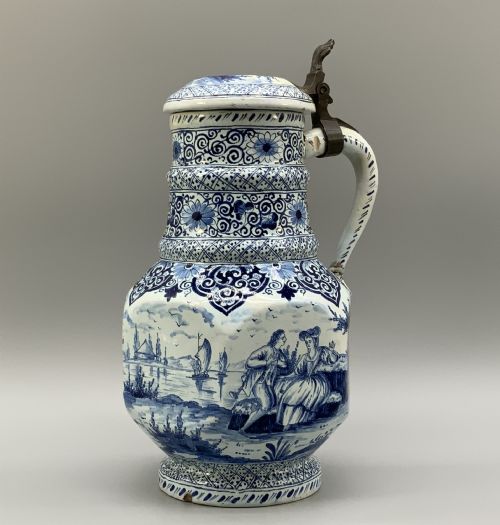
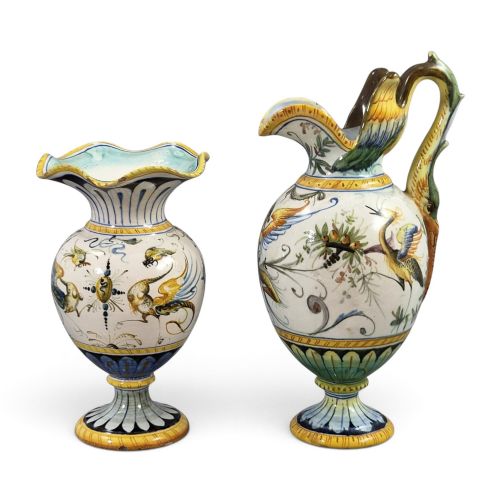
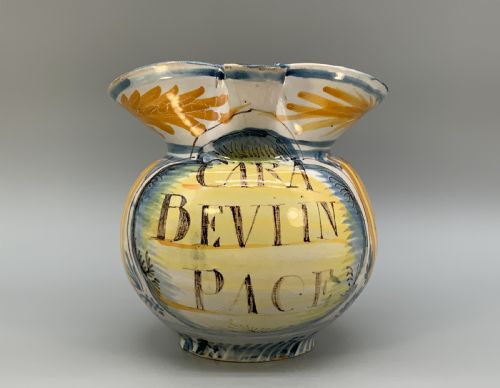
These tin glazed pottery jugs offer vibrant painted surfaces and rich historic character, making them prized centerpieces for traditional interiors.
Tin Glazed Pottery Jug
A tin glazed pottery jug brings centuries of ceramic tradition into the room, spanning forms from apothecary vessels to decorative pitchers. Buyers seeking tin glazed pottery jugs encounter diverse regional traditions, most notably Dutch Delftware and Italian majolica.
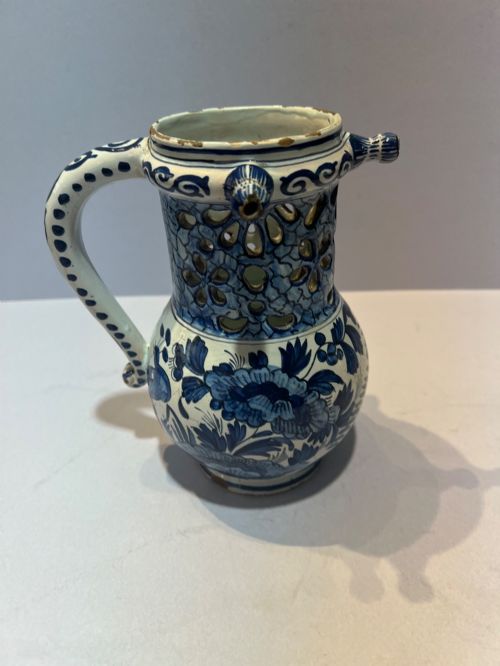
The selection ranges from seventeenth-century blue and white chinoiserie pieces to nineteenth-century revival styles and polychrome Toby jugs. Smaller domestic vessels and larger water pitchers appear alongside specialised puzzle jugs and pilgrim flasks.
Materials and methods
Potters shape earthenware bodies before applying an opaque white tin glaze that provides a smooth ground for painted decoration. Cobalt blue, manganese, and polychrome pigments are painted directly onto the unfired glaze surface.
Firing seals the pigments into the tin glaze, producing a glossy finish that absorbs the colours differently depending on the specific kiln temperature and regional technique.
The inventory includes Dutch Delftware, Italian majolica, and French Gien faience spanning multiple decorative traditions.
Judging quality
Quality rests in the crispness of the painted brushwork and the stability of the glaze over the earthenware body. Superior examples display confident pictorial execution, whether in intricate floral motifs or figurative mythology.
The harmony of the palette and the retention of clean lines during the firing process distinguish finer historical pieces from standard production wares.
Cantagalli Florence·Gien Faience·Pieter Verburg
The Tin Glazed Pottery Jug Glossary
- Tin glaze
- An opaque white glaze made by adding tin oxide to lead glaze. This mixture creates the characteristic pale surface required for painted ceramic decoration.
- Delftware
- Tin-glazed earthenware made in the Netherlands, famous for its blue and white designs inspired by imported Chinese porcelain.
- Chinoiserie
- European decorative motifs imitating Chinese artistic styles. This aesthetic appears frequently on seventeenth and eighteenth-century Dutch vessels.
- Puzzle jug
- A historic drinking vessel with a perforated neck and hidden channels requiring the drinker to solve a riddle to imbibe without spilling.
Tin Glazed Pottery Jug: Frequently Asked Questions
What is a tin glazed pottery jug?
It is an earthenware vessel coated in an opaque white metallic glaze, typically decorated with hand-painted cobalt blue or polychrome designs.
These ceramic items include water pitchers, pharmacy vessels, and decorative display jugs made across Europe over several centuries.
How were these antique jugs used?
Historic examples served functional roles in households, pharmacies, and taverns for pouring water, wine, or medicinal liquids.
Many later versions functioned primarily as decorative items, mantel ornaments, or specialised vessels for social drinking games like puzzle jugs.
How do I date a tin glazed jug?
Dating relies on stylistic clues, including the colour palette, pictorial themes like chinoiserie or mythological figures, and the specific composition of the ceramic body.
Seventeenth and eighteenth-century pieces often show distinct tin-glaze characteristics and potting techniques compared to nineteenth-century revival wares.
How do I care for antique pottery?
Keep these fragile earthenware vessels away from moisture and avoid using chemical cleaning agents on the porous historic glaze.
Display them on stable surfaces out of direct sunlight to protect the pigments from fading over time.