


Italian Faience Vessel
An italian faience vessel brings vibrant tin-glazed earthenware into a room, offering centuries of ceramic artistry through painted pharmacy jars and pilgrim flasks.
Italian Faience Vessel
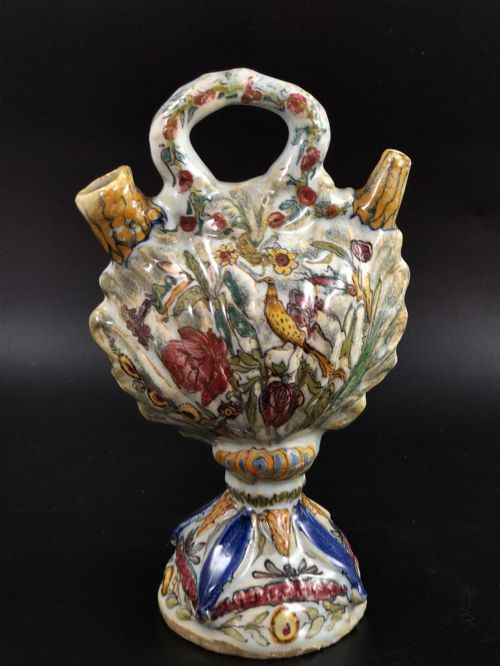
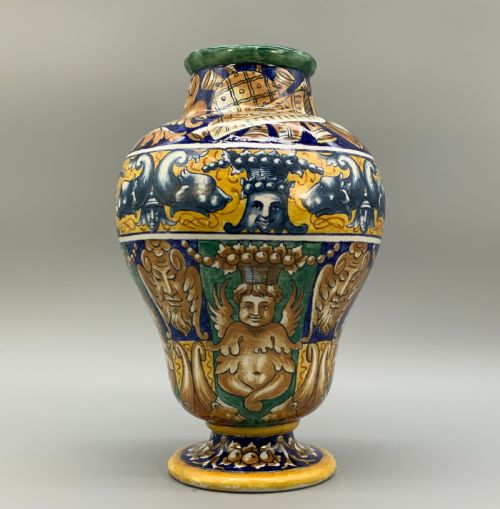
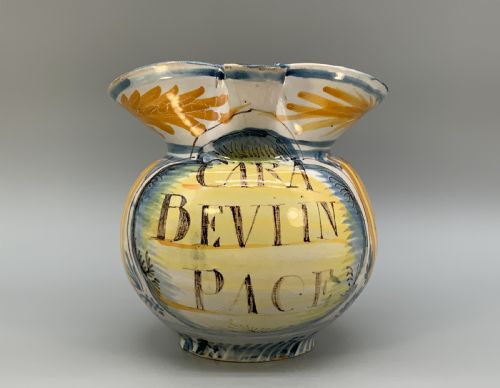
An italian faience vessel comprises tin-glazed earthenware forms created across the eighteenth and nineteenth centuries. These pieces encompass apothecary jars, albarelli, pharmacy jugs, and pilgrim flasks decorated in traditional Italian styles.
Buyers encountering this selection will find domestic and apothecary containers representing Italian Baroque, Renaissance Revival, and regional traditions. The assortment balances practical drug jars with decorative vases and urns.
Examples span the eighteenth century and the nineteenth-century revivals, demonstrating enduring regional manufacturing techniques. Each piece carries painted pigments upon a white tin glaze surface.
Materials and construction
Potters formed these vessels from earthenware clay before coating the body in an opaque tin glaze. This white surface provided a smooth ground for subsequent pigment application.
Artists painted details using mineral pigments, sometimes incorporating metallic lustre to catch the light. Firing sealed the colours into the glaze, fixing the polychrome or blue and white designs.
Listings feature eighteenth and nineteenth-century earthenware forms, including albarelli, pharmacy jugs, and pilgrim flasks decorated with tin glaze and pigments.
Evaluating quality and execution
The sophistication of the painted decoration separates standard wares from superior examples. Expressive brushwork in polychrome or mangonese and yellow pigments elevates certain jars and flasks.
The clarity of the tin glaze and the precision of the form define the success of an item. Intact covers on apothecary jars and pharmacy jugs preserve the complete historical silhouette.
Cantagalli
The Italian Faience Vessel Glossary
- Earthenware
- Porous pottery fired at lower temperatures, requiring a glaze to achieve impermeability. This forms the foundational body of tin-glazed wares.
- Tin Glaze
- An enamel glaze rendered opaque by the addition of tin oxide, creating a white background for painted decoration. It distinguishes maiolica and faience.
- Albarello
- A cylindrical apothecary jar designed to store dry drugs and herbal remedies, often featuring a constricted waist for easy gripping. This form is common in pharmacy collections.
- Pilgrim Flask
- A flattened pear-shaped vessel historically carried by travellers, featuring side loops for suspension cords. Decorative versions often display scallop shell motifs.
- Polychrome
- Decoration employing multiple distinct colours, typically applied over a white glaze before firing. This contrasts with monochrome or blue and white schemes.
Italian Faience Vessel: Frequently Asked Questions
What is an italian faience vessel?
An italian faience vessel is a tin-glazed ceramic piece originating from Italy, encompassing items such as apothecary jars, pharmacy jugs, and vases.
These ceramics date from the eighteenth and nineteenth centuries, displaying hand-painted decoration in traditional styles.
How were pharmacy jars used?
Apothecary jars and albarelli held dry drugs, syrups, and ointments in historic dispensaries and pharmacies.
Their labelled surfaces identified the contents for the apothecary while protecting sensitive ingredients within the glazed earthenware body.
How do I clean an antique vessel?
Dust these ceramic pieces gently with a soft dry cloth to remove surface particles.
Avoid immersion in water or chemical cleaners, as the historic tin glaze and earthenware body can absorb moisture and sustain damage.
How to tell eighteenth and nineteenth century pieces apart?
Eighteenth-century examples often show the softer palettes and organic brushwork characteristic of period apothecary production.
Nineteenth-century items frequently reflect revival movements, displaying brighter polychrome pigments or deliberate stylistic references to earlier Renaissance forms.