


Tin Glazed Delftware
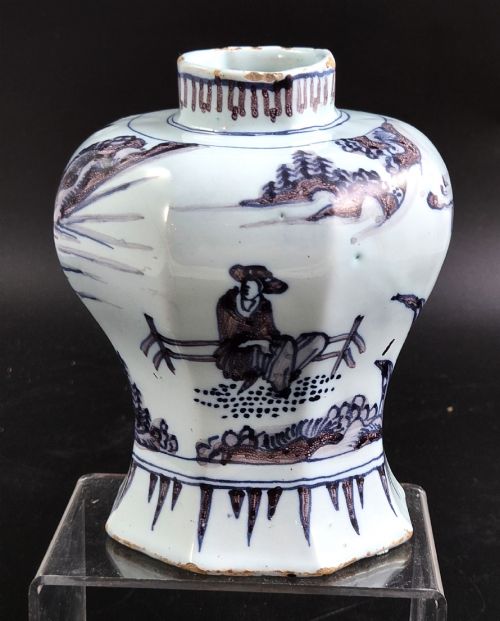
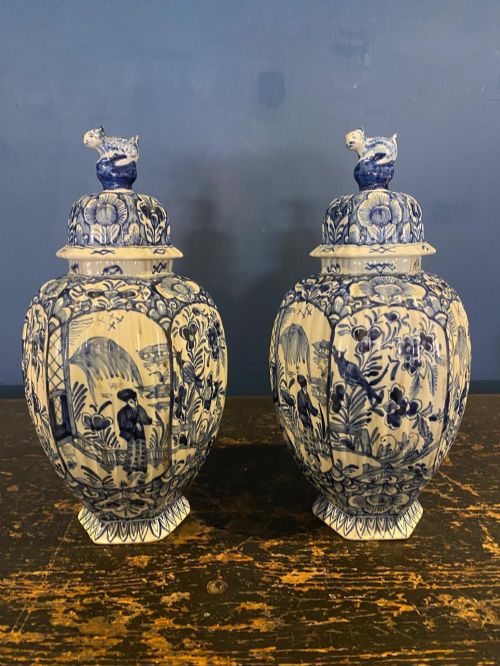
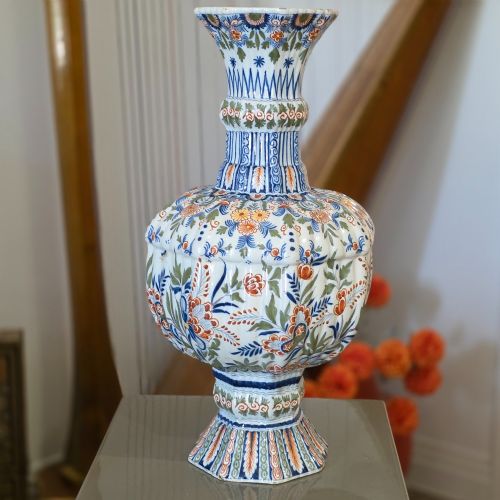
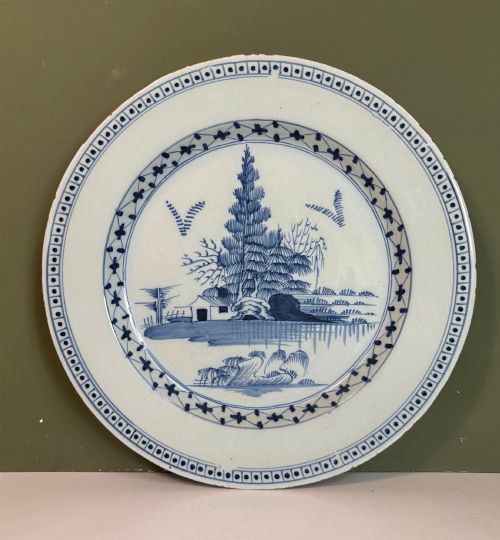
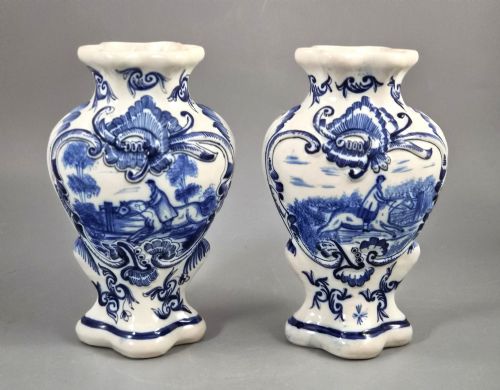
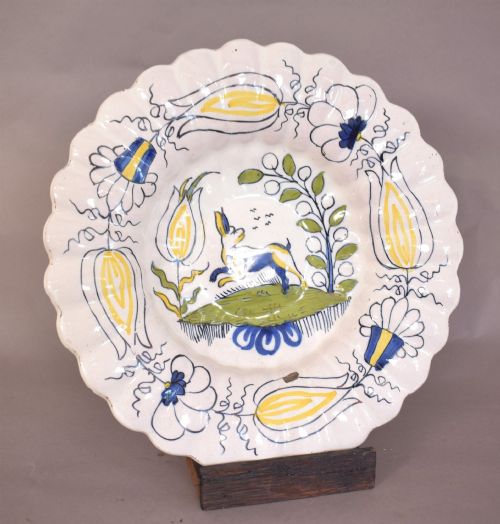
Tin glazed delftware pieces are earthenware objects coated in an opaque white glaze and painted in blue, manganese, or polychrome hues.
Tin Glazed Delftware
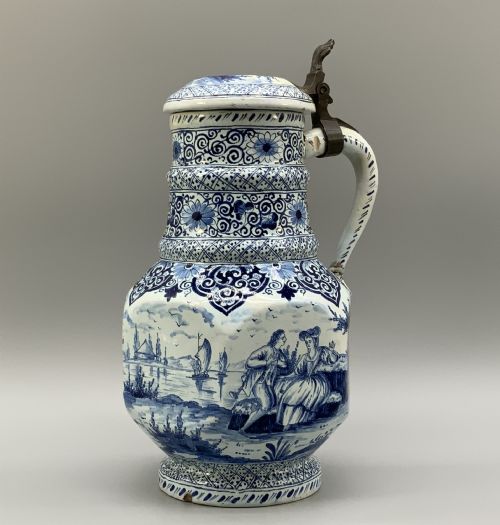
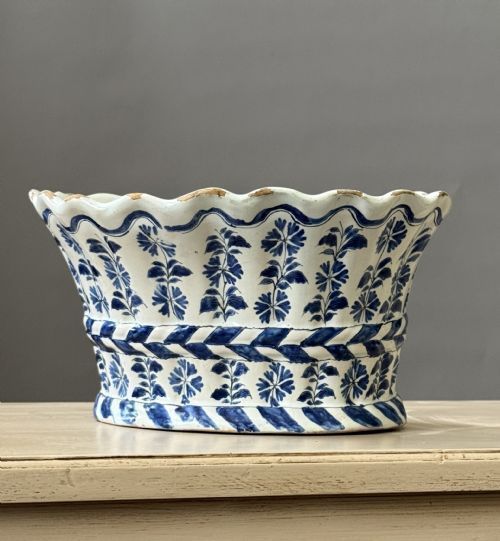
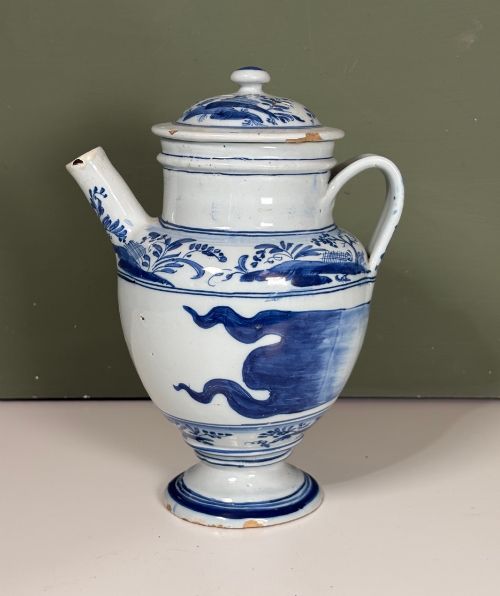
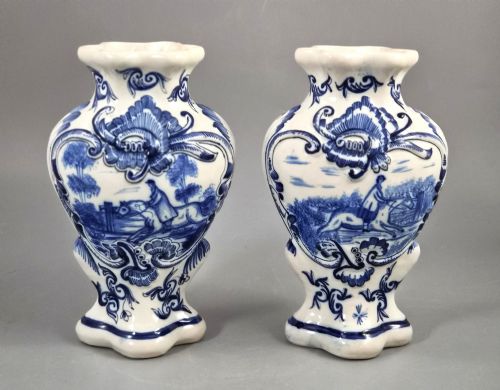
Tin glazed delftware encompasses a broad range of domestic and decorative objects produced across multiple European centres. When exploring this selection, buyers frequently encounter chargers, plates, vases, and apothecary jars dating from the seventeenth to the nineteenth centuries.
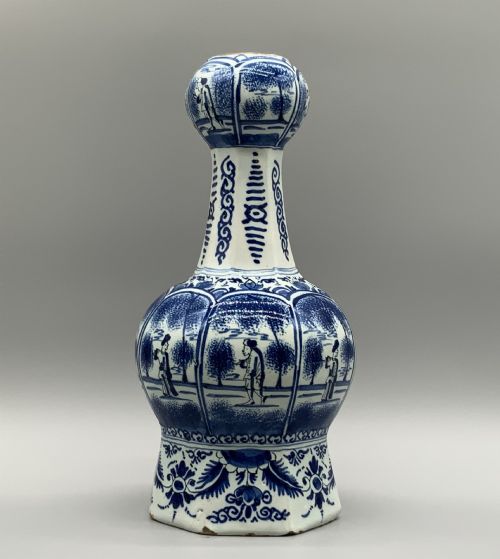
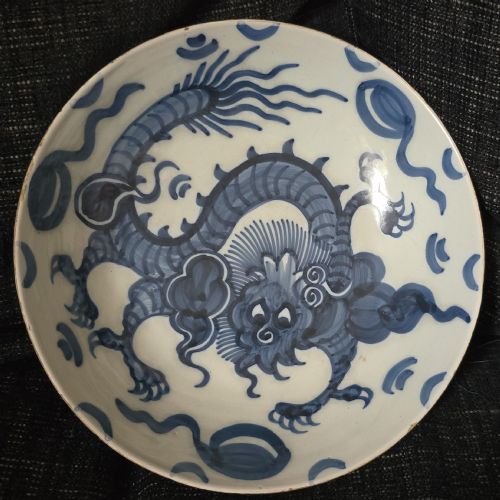
The material origins span Dutch workshops, English potteries, French faience manufactories, and Spanish production sites. Pieces range from large wall chargers painted with Chinoiserie or floral motifs to functional vessels like puzzle jugs, posset pots, and barber's bowls.
The nineteenth century introduced revival pieces, including pairs of pottery cows and Moorish style charger plates. Earlier examples from the seventeenth and eighteenth centuries typically display hand-painted cobalt blue designs or polychrome palettes on tin-glazed earthenware bodies.
Materials and Technique
Makers shaped earthenware clay into vessels and tiles before applying an opaque tin-glaze that dried to a chalky white surface. This absorbent glaze provided a ground for direct pigment application.
Decorators painted directly onto the unfired tin glaze using cobalt oxide for blue designs, alongside manganese, yellow, and other pigments for polychrome effects. The pieces underwent kiln firing to fuse the metallic oxides into the glaze layer.
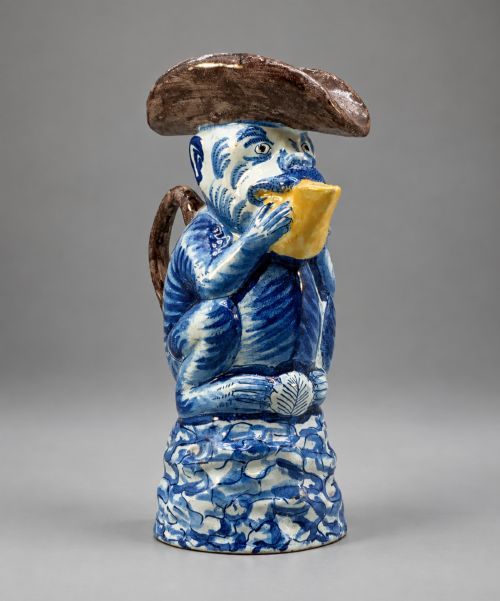
Potters occasionally modelled whimsical domestic animals, including pottery cows, covered in bright tin glazes.
Design and Execution
Quality rests upon the precision of the brushwork and the clarity of the painted narrative, whether depicting intricate Chinoiserie scenes or simple floral motifs. Confident, fluid strokes distinguish superior artistic execution from stiffer, repetitive hand-painting.
The smoothness of the tin glaze and the stability of the fired body indicate workshop standards. Superior examples maintain crisp outlines where pigments meet the white ground without excessive running.
Fourmaintraux-Courquin
The Tin Glazed Delftware Glossary
- Charger
- A large decorative plate intended for display on a wall or dresser rather than dining use. These wide surfaces often showcase elaborate painted scenes.
- Tin-Glaze
- An earthenware glaze opacified with tin oxide to create a white background for painted decoration. It provides the characteristic smooth finish found on these ceramics.
- Polychrome
- Decoration utilising multiple colours rather than a single pigment like cobalt blue. These palettes frequently incorporate manganese, yellow, and green.
- Faience
- European tin-glazed earthenware, particularly associated with French and continental production traditions. The term describes the same technical method as delftware.
- Chinoiserie
- European interpretations of Chinese artistic motifs, popular on seventeenth and eighteenth century ceramics. These designs feature imaginary landscapes, figures, and pavilions.
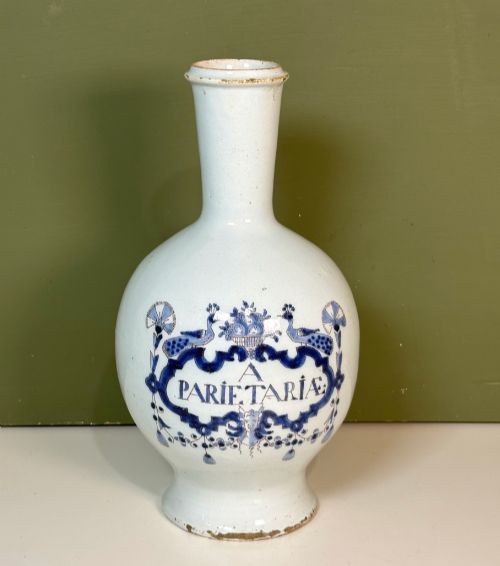
- Apothecary Jar
- A vessel utilised in pharmacies and dispensaries for storing dry drugs and liquid medicines. They frequently bear painted labels designating their contents.
Tin Glazed Delftware: Frequently Asked Questions
How do I date tin glazed delftware?
Dating relies on stylistic shifts in painting techniques, colour palettes, and vessel forms across centuries. Seventeenth-century pieces often display Kraak influences, while eighteenth-century items frequently feature vibrant polychrome or Chinoiserie compositions.
Changes in glaze thickness, tin content, and earthenware body composition also offer clues to the period of production. Comparing recorded examples from known workshops helps narrow down the timeframe.
Were chargers used for dining?
Large chargers were primarily decorative display pieces hung on walls or arranged on sideboards to impress guests. Their broad surfaces provided an ideal canvas for elaborate hand-painted narratives.
While structurally capable of holding food, the fragile nature of tin glaze made them impractical for everyday table service. Surviving specimens often retain suspension holes in the foot ring for wall hanging.
What is the difference between delft and faience?
Delft and faience both describe tin-glazed earthenware, with regional terminology being the primary distinction. Ware produced in the Low Countries and England is traditionally called delftware.
Continental European production, particularly in France, is commonly referred to as faience. The underlying chemistry and glazing techniques remain fundamentally similar across these regions.
How should I clean antique delftware?
Antique tin glaze is susceptible to moisture penetration through microscopic cracks in the surface, known as crazing. Dusting with a dry, soft cloth is the safest maintenance method.
Immersion in water or the use of chemical cleaners should be avoided to prevent staining the porous earthenware body beneath. Professional conservation advice is recommended for heavily soiled pieces.