

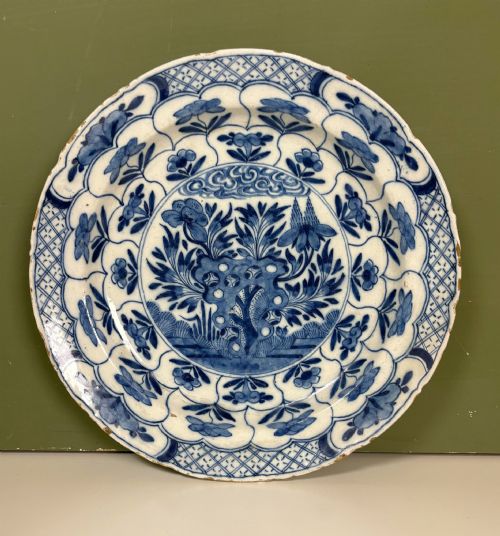
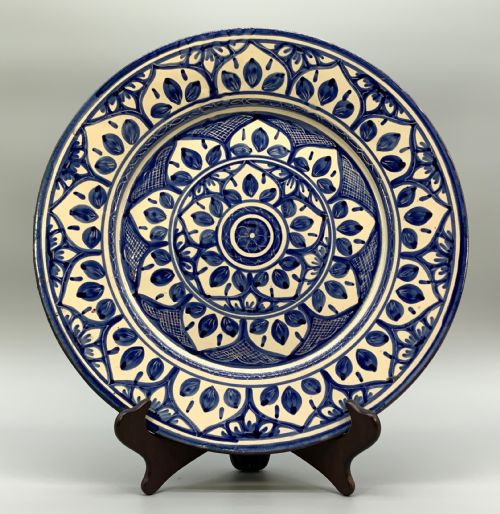
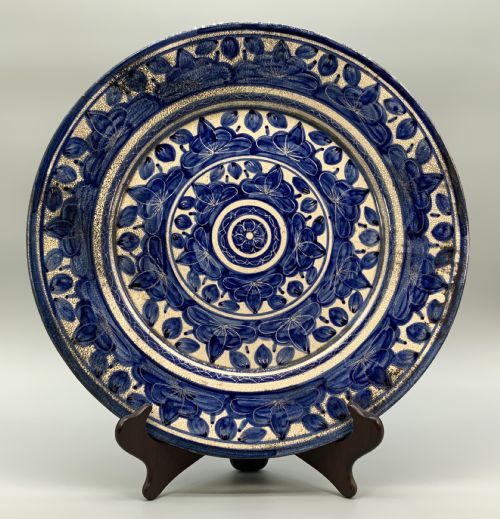
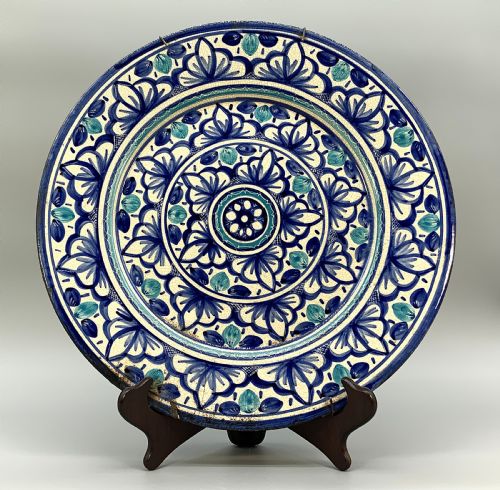
Tin Glazed Delft Plate
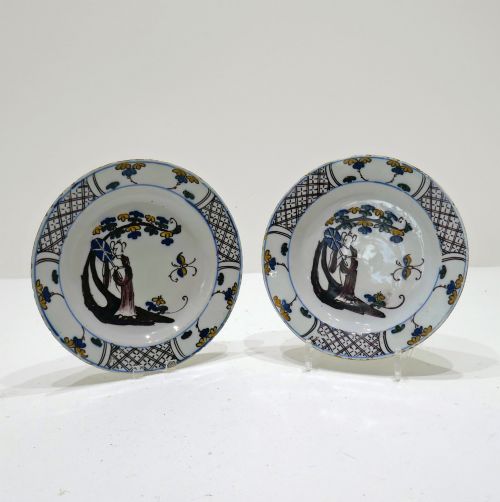
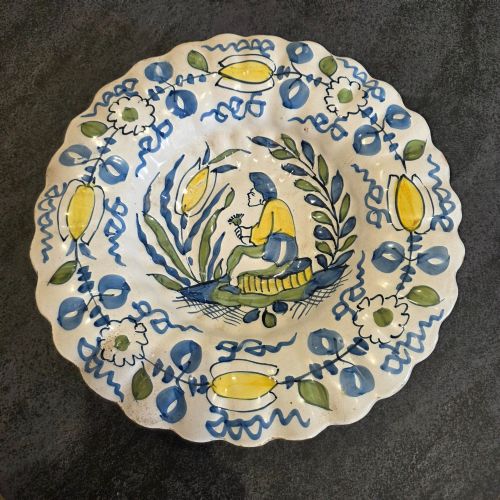
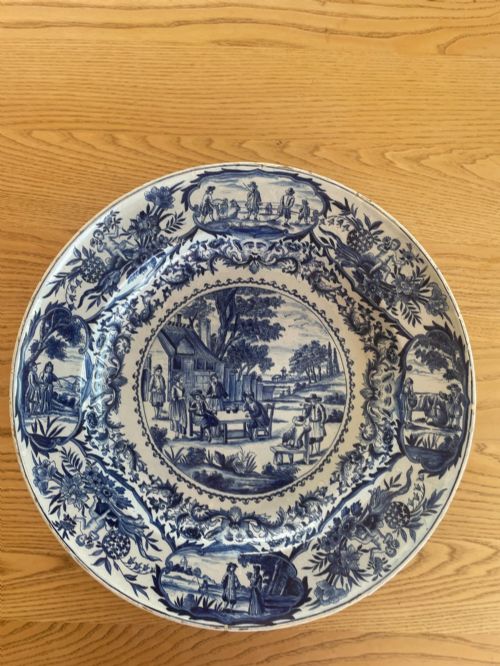
These tin glazed delft plate pieces combine tin-glazed earthenware with hand-painted cobalt pigment to bring centuries of decorative utility to a table.
Tin Glazed Delft Plate
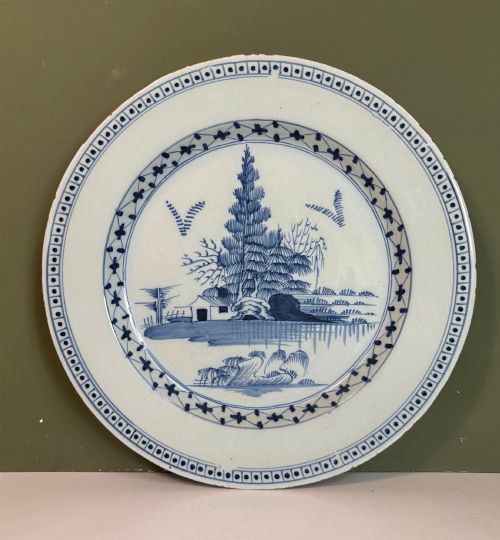
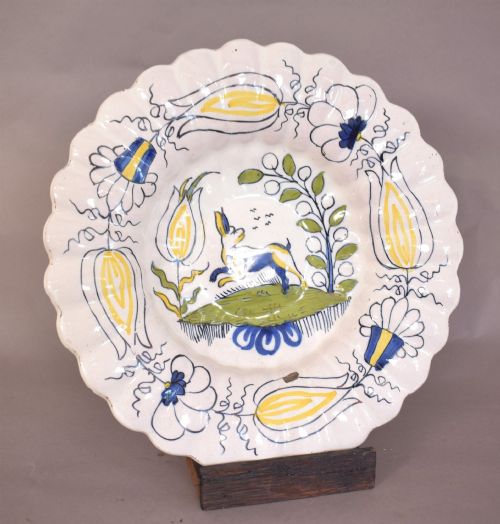
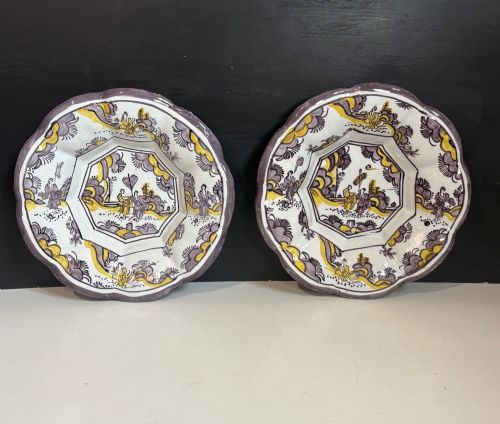
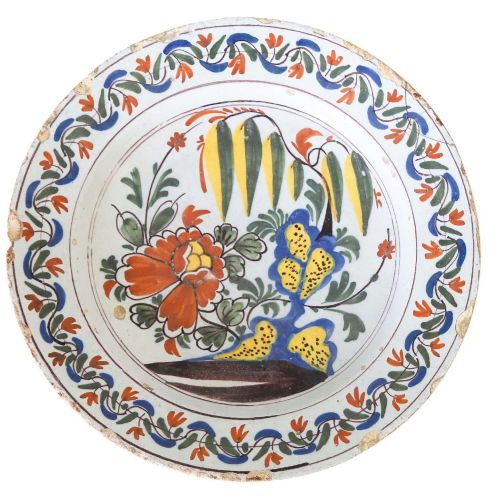
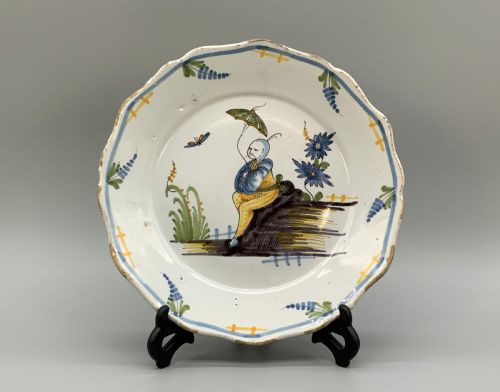
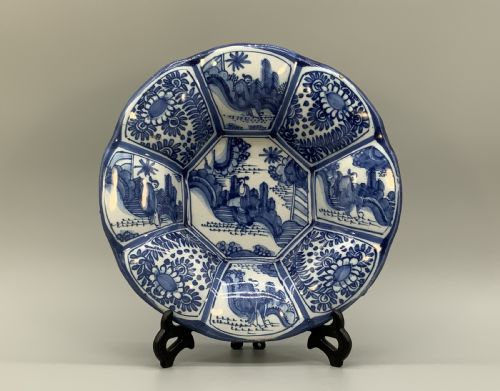
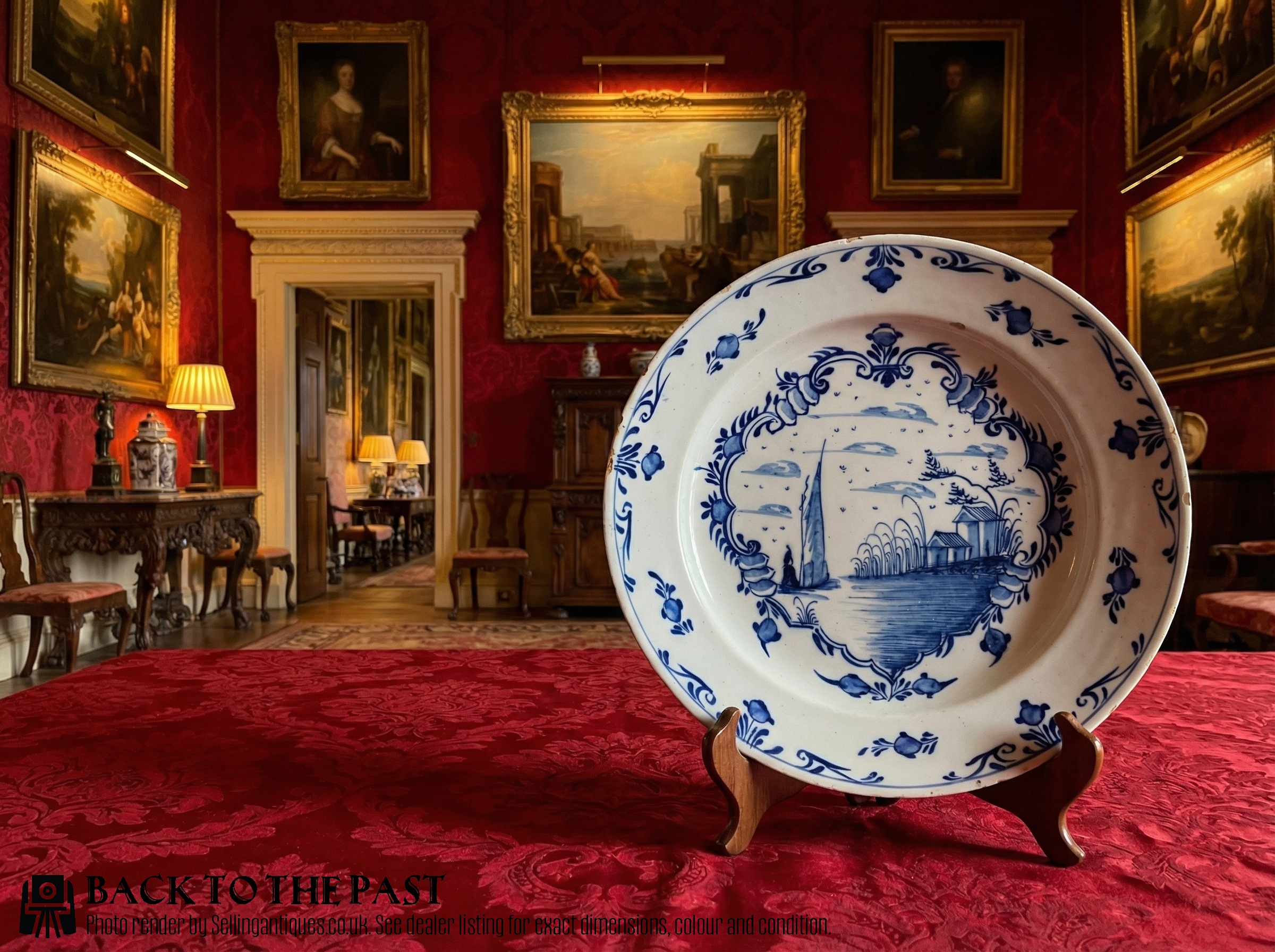
A tin glazed delft plate is a low-fired ceramic dish covered in an opaque white tin glaze, frequently painted with cobalt blue or polychrome pigments. Buyers searching this phrase meet domestic vessels and large decorative chargers spanning the seventeenth and eighteenth centuries.
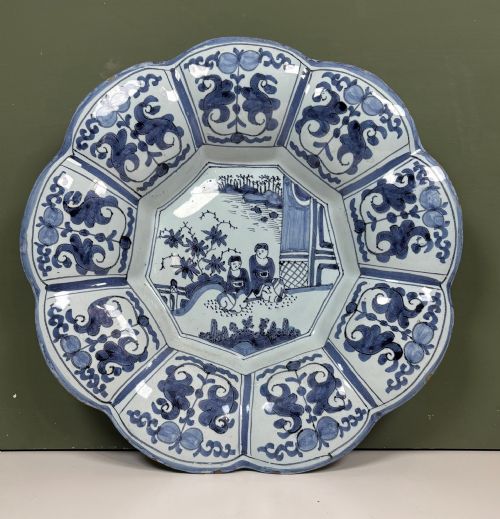
The form ranges from shallow plates and lobed dishes to massive wall-hanging chargers measuring over thirty centimetres across. English, Dutch, French, and Spanish potteries all produced these earthenwares for display and dining.
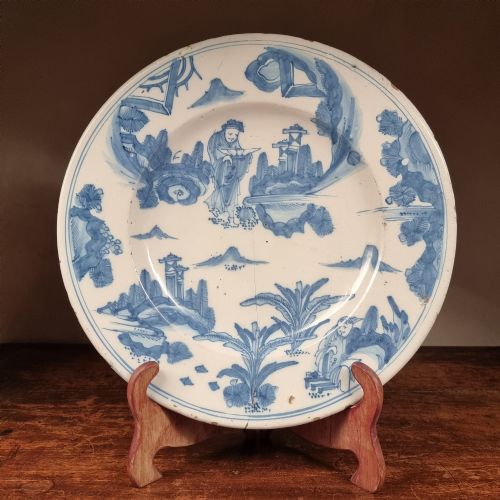
Most examples found in commerce belong to the eighteenth century, though seventeenth-century Kraak-style dishes and twentieth-century Moorish revival pieces also appear. These domestic and decorative items reflect shifting European tastes for imported Asian ceramics and local geometric motifs.
Materials and construction
Potters shaped local clays into plates and chargers, firing the raw earthenware body before applying an opaque white glaze containing tin oxide. This tin glaze provided a smooth, absorbent white surface suitable for direct brushwork.
Painters applied cobalt pigment, manganese, and yellow oxides directly onto the unfired or raw glaze, which absorbed the colours before a final kiln firing fused the decoration into the white surface.
Listings feature tin-glazed earthenware forms dating from the seventeenth, eighteenth, and twentieth centuries, encompassing English, Dutch, French, and Spanish origins.
Assessing quality
Quality rests upon the crispness of the hand-painted brushwork and the stability of the glaze during firing. Pieces with fluid, confident floral, geometric, or Chinoiserie scenes demonstrate superior painterly control.
The purity and consistency of the white tin glaze also separate standard output from finer work. Smooth surfaces with minimal pitting or kiln distortion indicate better workshop standards.
The Tin Glazed Delft Plate Glossary
- Tin-Glazed Earthenware
- Pottery coated in a white glaze containing tin oxide to achieve an opaque background for painted decoration. This material forms the white canvas typical of delftware.
- Charger
- A large decorative plate designed primarily for display on walls or sideboards rather than everyday dining. These wide vessels often feature elaborate central motifs.
- Polychrome
- Decoration employing multiple colours, such as manganese, yellow, and blue, rather than cobalt alone. English and Dutch makers utilised these mixed palettes alongside standard blue and white.
- Kraak Style
- A decorative layout inspired by Chinese export porcelain, featuring partitioned borders around a central panel. Seventeenth-century delft makers frequently copied this arrangement.
Tin Glazed Delft Plate: Frequently Asked Questions
How were tin glazed delft plate pieces used historically?
These vessels served for ceremonial dining, fruit presentation, and ornamental display on sideboards or walls. Large chargers were frequently mounted to decorate domestic interiors.
Smaller plates fulfilled functional dining roles before becoming collector items. Their tin glaze protected the porous earthenware body from moisture during use.
How do I tell English delft from Dutch delft?
English potteries, such as those in Lambeth or Bristol, often utilised softer pinkish earthenware bodies and specific manganese tones. Dutch workshops in centres like Delft tended to produce crisp blue and white geometric or floral designs.
Glaze composition and palette choices also help distinguish between regional British and continental European production methods.
What is grand feu painting?
Grand feu refers to high-temperature firing where pigments fuse directly into the raw tin glaze. This technique creates a distinct integration of colour and surface.
It requires skilled brushwork because the absorbent glaze allows no room for correction once applied.
How should I display a delft charger safely?
Chargers require sturdy wall hangers designed specifically for heavy earthenware dishes. Avoid wire grips that put pressure on the fragile edges.
Keep pieces away from direct sunlight and areas prone to humidity fluctuations to protect the porous ceramic body and historic glaze.