
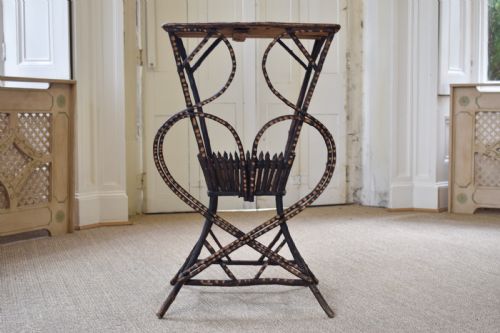
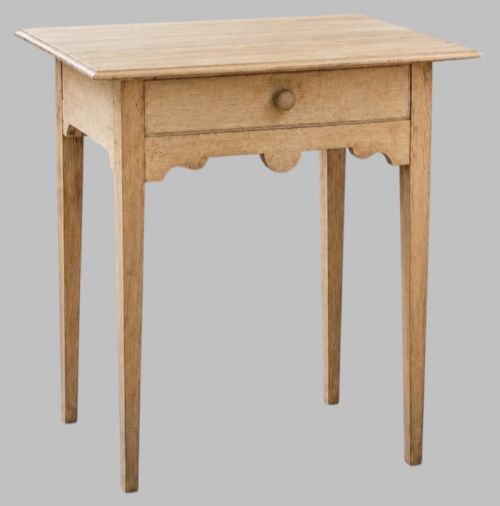
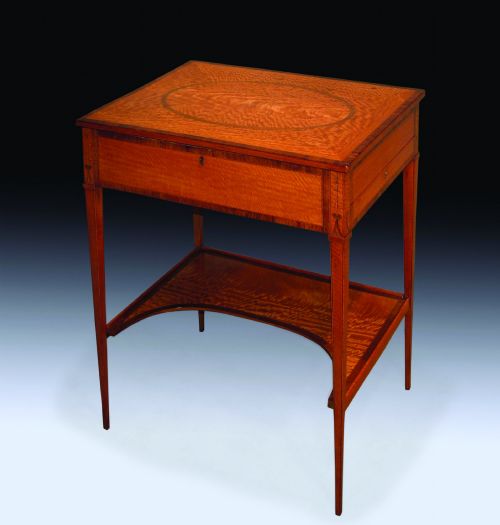
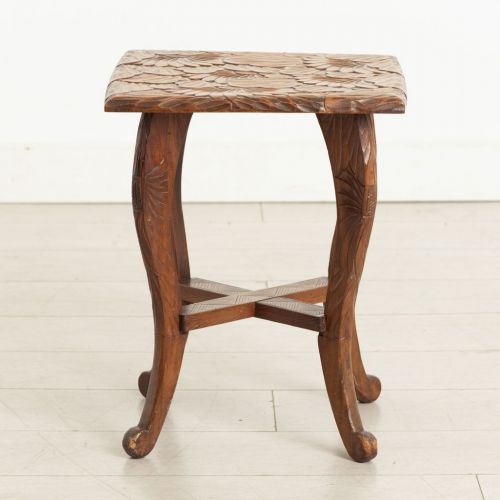
Timber Occasional Table
A timber occasional table brings functional surface space and rich historical character into a room.
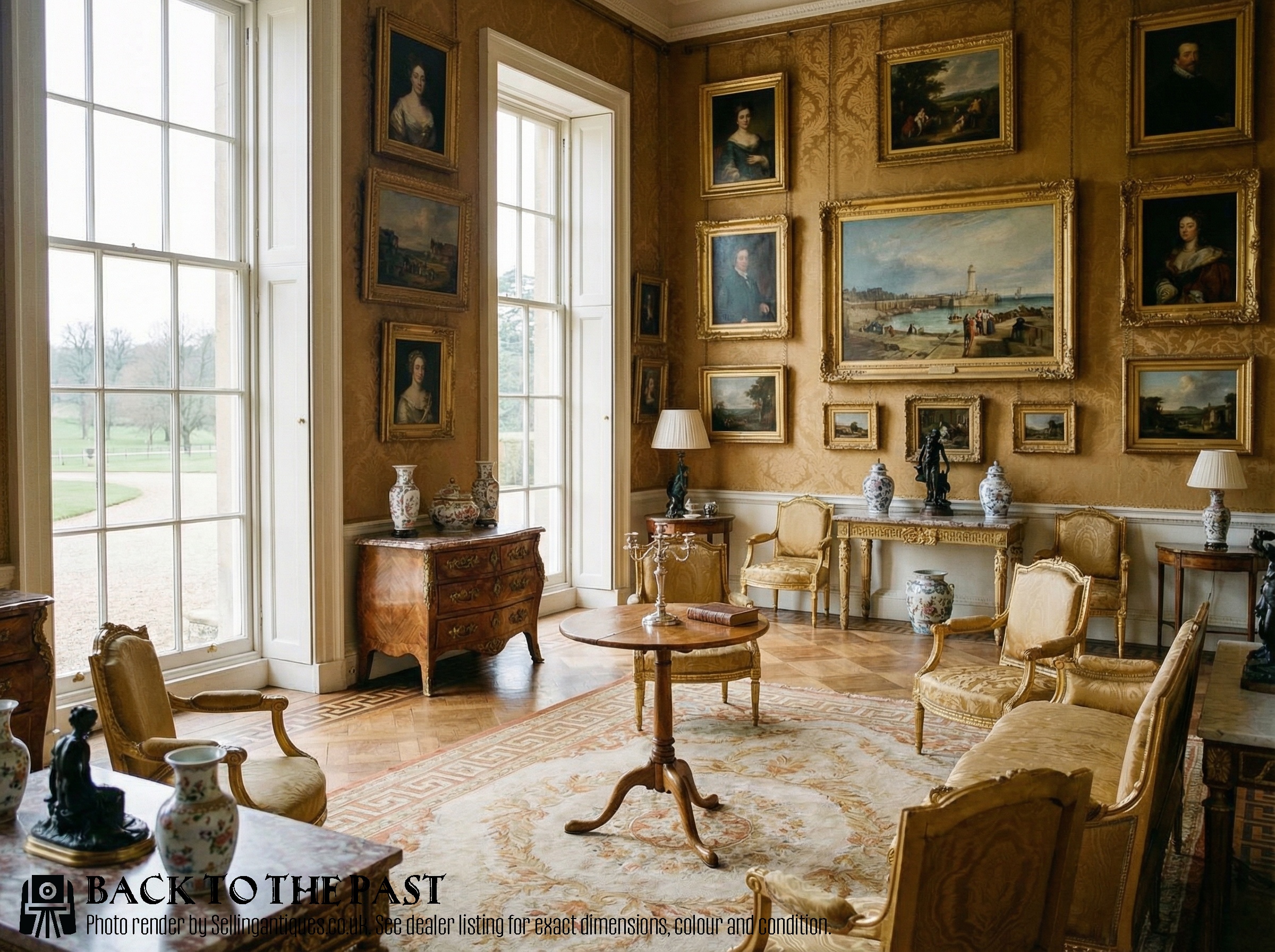
Timber Occasional Table
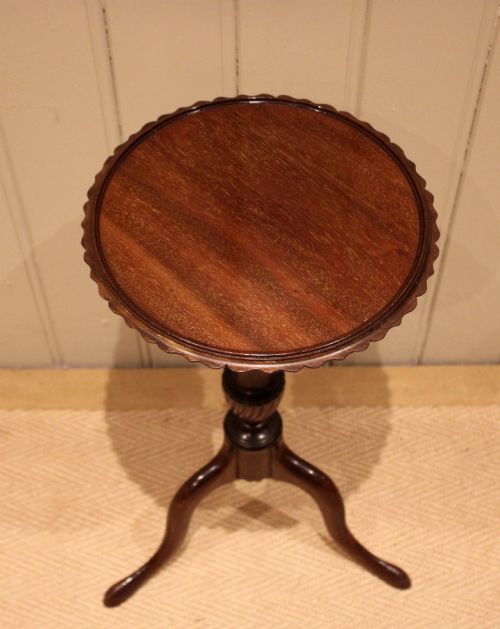
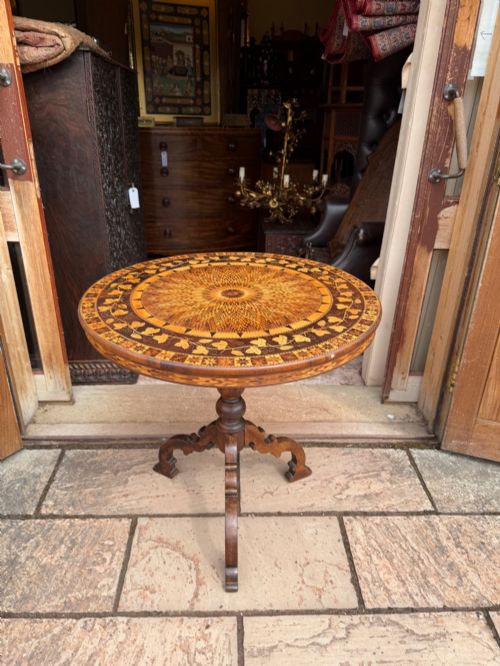
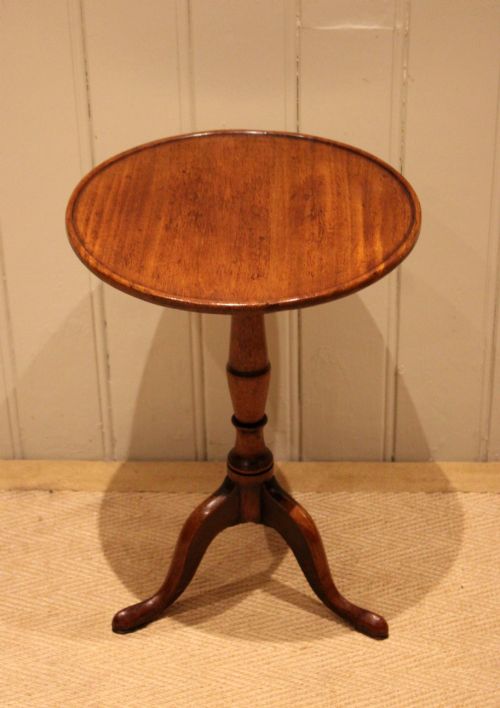
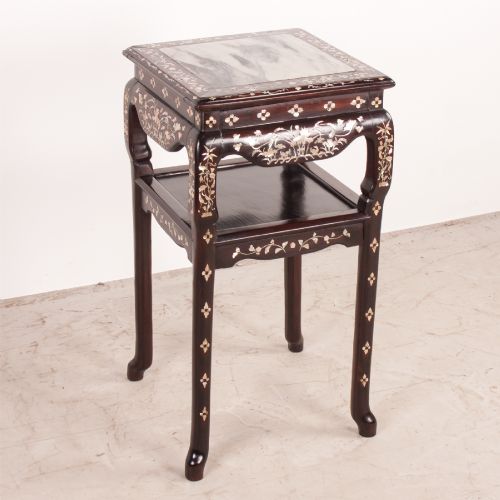
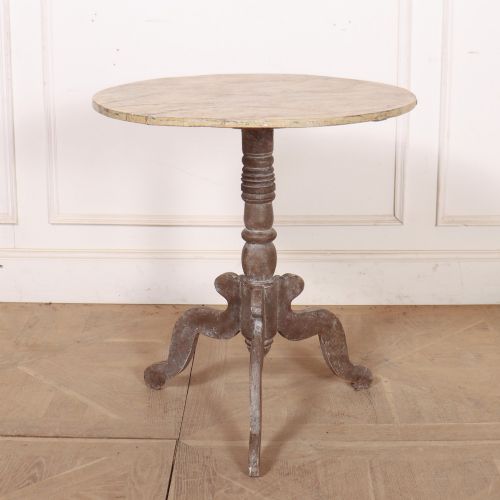
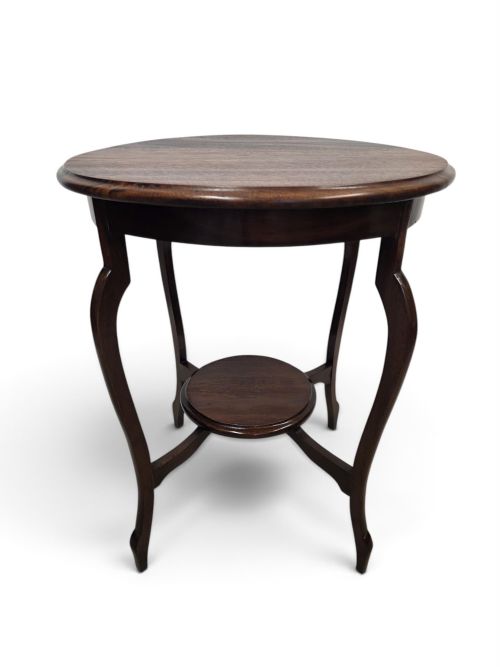
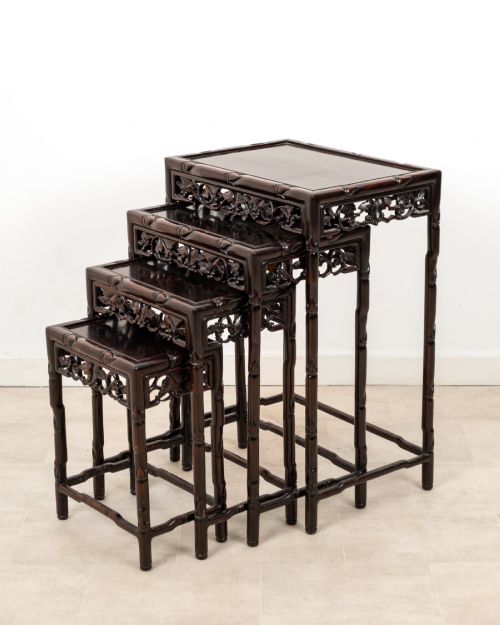
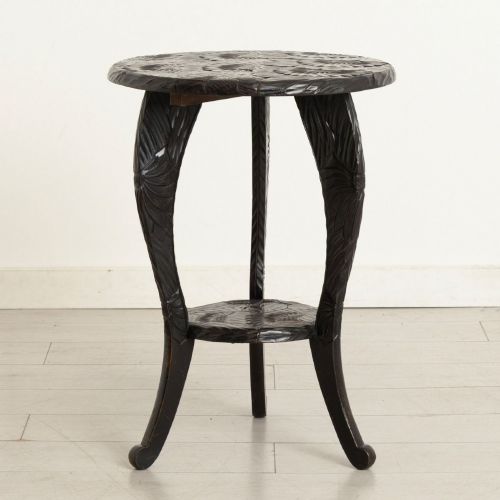
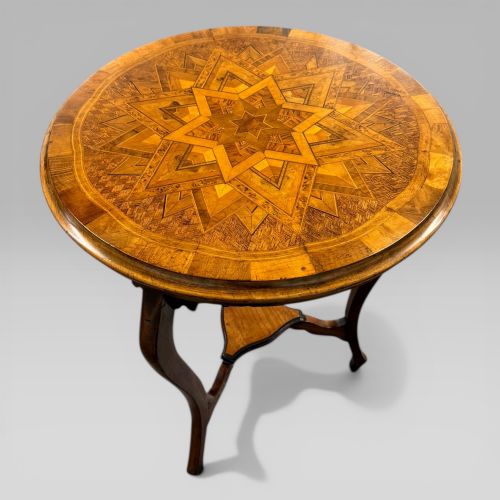
A timber occasional table serves as a flexible surface piece found across multiple periods, including the Georgian era, Victorian period, and early twentieth century. Buyers seeking a timber occasional table encounter forms ranging from wine tables and nests of four tables to cricket tables, lamp tables, and lowboys. These pieces emerge in various regional idioms, from English mahogany and oak examples to Anglo-Indian carved hardwood, Chinese hardwood and mother of pearl inlaid pieces, and New Zealand specimen marquetry work.
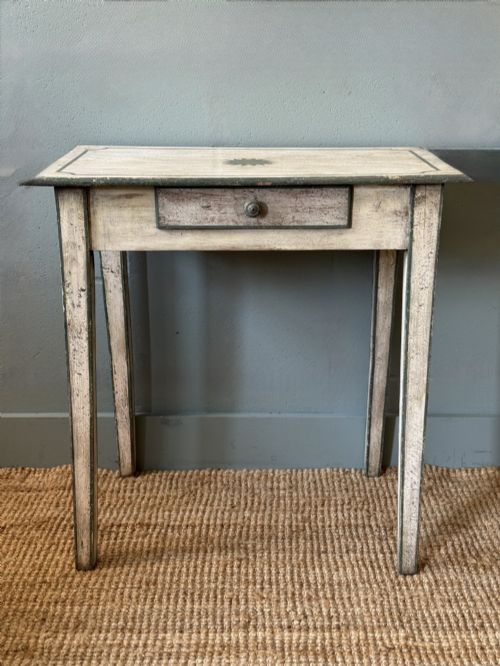
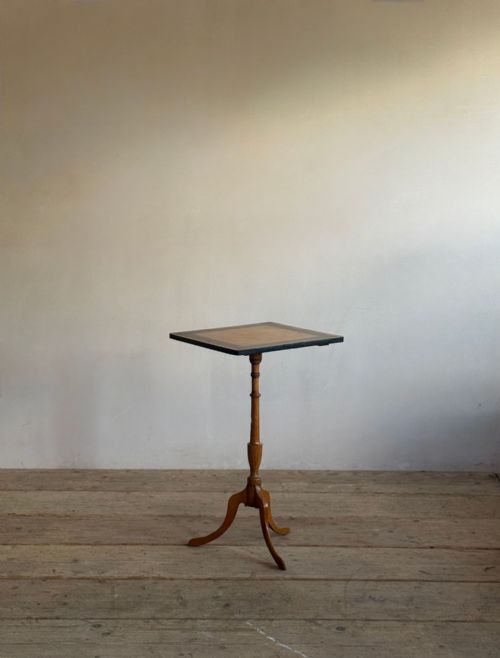
The selections on this page lean heavily towards nineteenth century and early twentieth century domestic furniture, alongside mid eighteenth century Georgian pieces. Regional variations include French fruitwood and Swedish painted lamp tables, as well as Japanese hand carved designs associated with Liberty of London. Whether utilising a tripod base, a tilt top mechanism, or a folding coaching format, each piece provides a compact station for daily use.
Materials and construction methods
Makers utilised a wide spectrum of woods, with mahogany, rosewood, walnut, oak, elm, fruitwood, satinwood, and assorted hardwoods forming the primary structural elements. Joinery and turning techniques range from straightforward pegged framing on rustic cricket tables to sophisticated barley twists, pedestal supports, and tripod legs on formal wine and lamp tables. Surface embellishment often involves detailed hand carving, penwork decoration, or sculptural elements such as elephant head motifs.
Inlay and marquetry feature prominently across numerous examples, incorporating mother of pearl, specimen woods, and satinwood banding to create geometric or pictorial motifs. Where paint or specialist finishes appear, such as on Swedish lamp tables or Vernis Martin style two tier tables, craftsmen applied layers over timber bases to achieve specific decorative effects.
Regional forms on offer include Anglo-Indian carved hardwood, Chinese hardwood with mother of pearl inlay, and New Zealand specimen wood marquetry.
Distinguishing quality in timber pieces
Quality rests upon the selection of timber figures, such as burr elm, burr thuya, or figured walnut, paired with the precision of the cabinetmaker's joinery. Superior examples display crisp, unblemished carving and tight, stable construction at stress points like tripod legs and pedestal blocks. Lesser pieces may show coarser timber selection or later alterations that disrupt the original balance of the design.
The refinement of secondary decorative elements, including the exactness of marquetry inlays or the fidelity of period brass fittings, separates standard utility items from masterwork pieces. The integrity of the timber surface, whether polished mahogany or natural waxed oak, dictates the lasting visual impact of the table.
Liberty of London·Anton Seuffert
The Timber Occasional Table Glossary
- Tilt top table
- A table with a hinged top that folds flat when not in use. This mechanism allowed tables to be stored against walls in smaller chambers.
- Cricket table
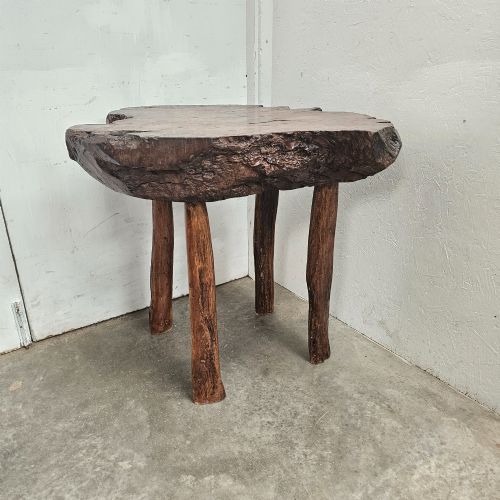
- A small three legged circular table with a wooden top, originating from domestic vernacular use. The three legs ensure stability on uneven floors.
- Lowboy
- A small kneehole dressing table or side table with drawers, typically dating from the Georgian period. These items offer compact drawer storage beneath a timber surface.
- Marquetry
- The art of applying pieces of veneer to a structure to form decorative patterns. Craftsmen utilised diverse coloured timbers to create detailed pictorial designs.
- Wine table
- A small pedestal table designed to hold a single glass or bottle of wine during evening gatherings. They frequently feature tripod bases and circular tops.
Timber Occasional Table: Frequently Asked Questions
What is an occasional table?
An occasional table is a small, movable piece of furniture designed for specific, intermittent use around a home. Examples include lamp tables, wine tables, and small side tables positioned beside seating.
These pieces provide convenient surfaces for lamps, books, or drinks without dominating the room's floor plan.
How do I date an antique timber table?
Dating relies on identifying the primary wood species, construction methods, tool marks, and stylistic traits associated with specific historical periods. Georgian pieces often display specific proportions and timber choices like early oak or fine mahogany, whereas Edwardian and 1930s items show different manufacturing signatures.
Examining the underside, secondary woods, and hardware fixings helps confirm the likely period of manufacture.
Where should I place a wine table?
Wine tables suit placement beside armchairs, in small reading corners, or tucked into empty wall spaces. Their compact circular tops and slender tripod legs occupy minimal floor area.
Because they feature delicate pedestals, keeping them away from high traffic zones prevents accidental knocks.
What is a cricket table used for?
A cricket table served as a versatile, sturdy everyday table in domestic spaces. Its three legged design prevented rocking on uneven seventeenth and eighteenth century floors.
Today, these rustic pieces function effectively as small lamp tables or plant stands.