
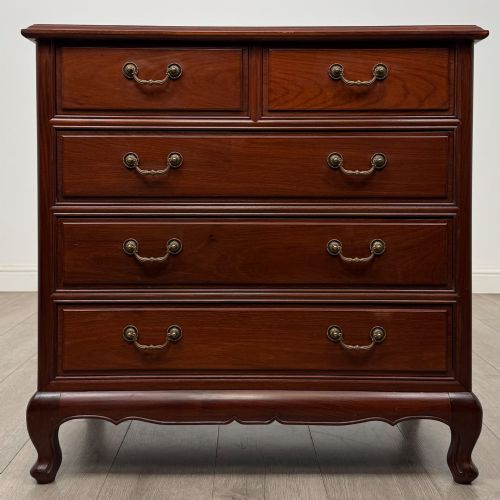
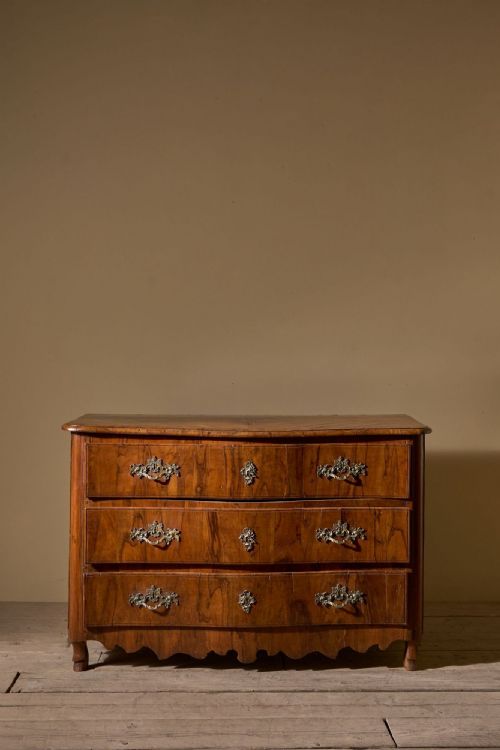
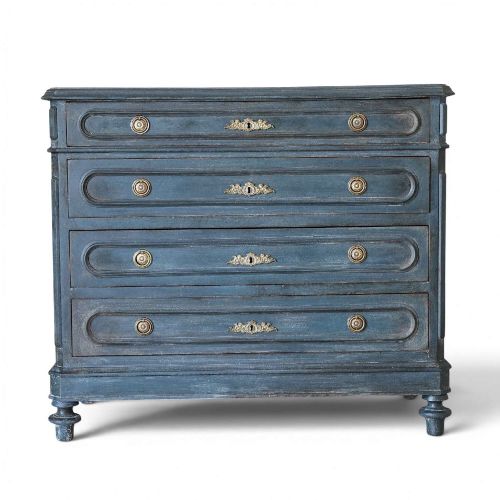
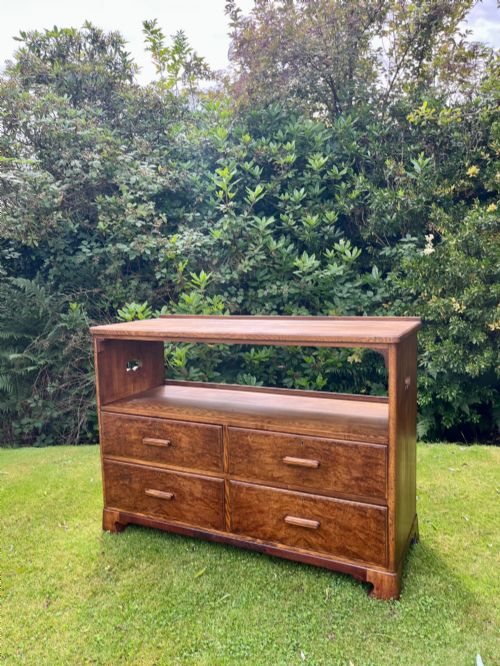
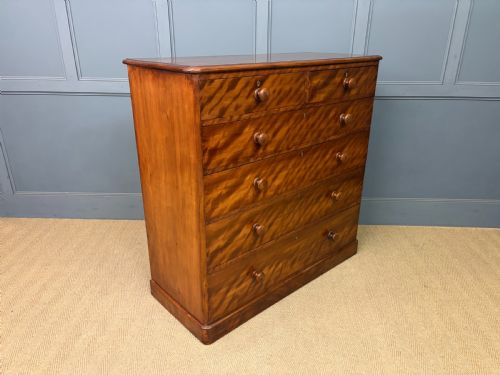
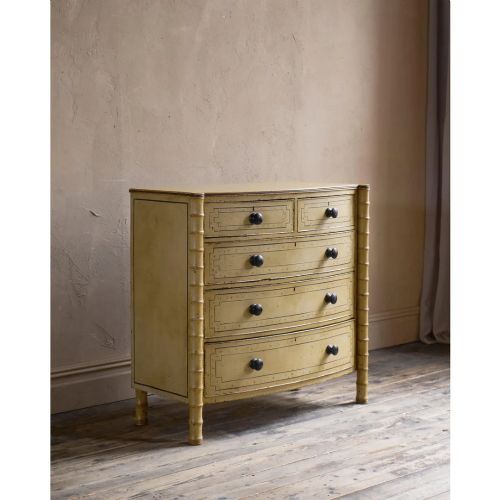
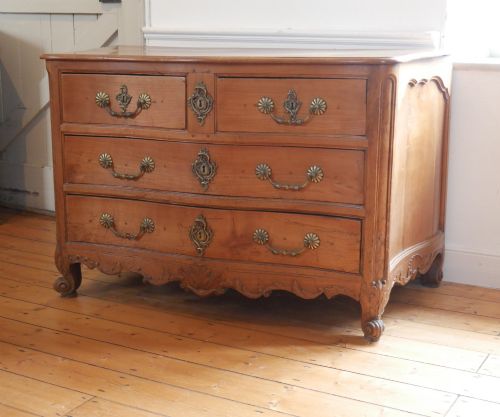
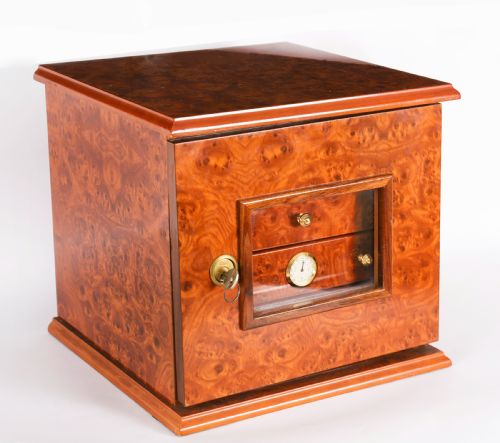
Timber Chest of Drawers
A timber chest of drawers is a storage staple shaped by centuries of cabinetmaking, offering sturdy proportion and rich grain.
Timber Chest of Drawers
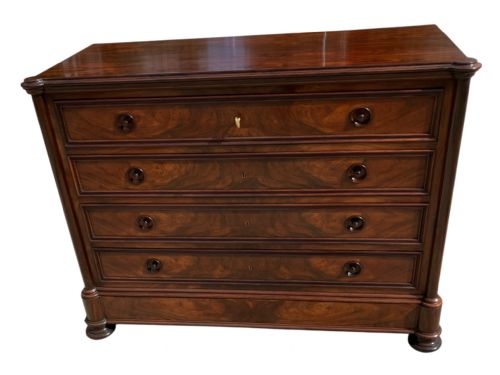
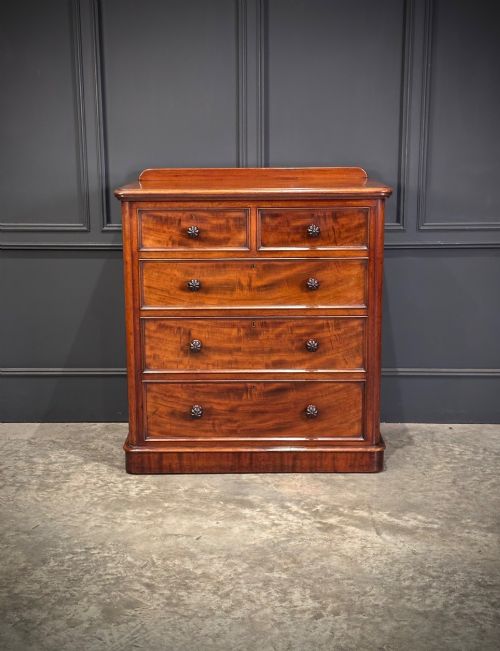
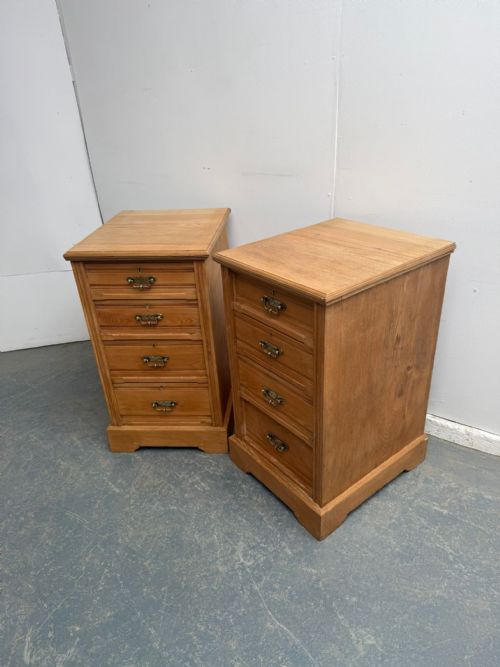
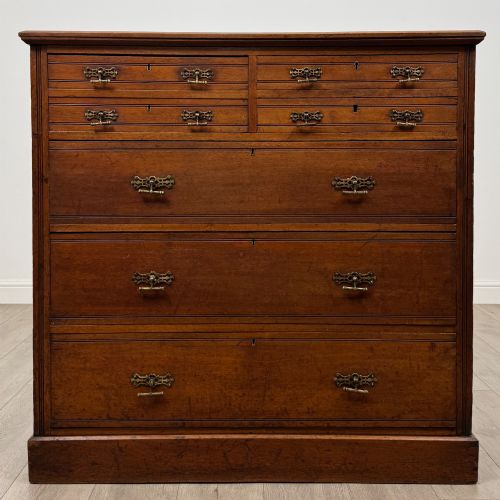
A timber chest of drawers provides essential storage through stacked horizontal compartments contained within a wooden case. These items emerge from various periods, with nineteenth-century Victorian and Georgian examples appearing frequently.
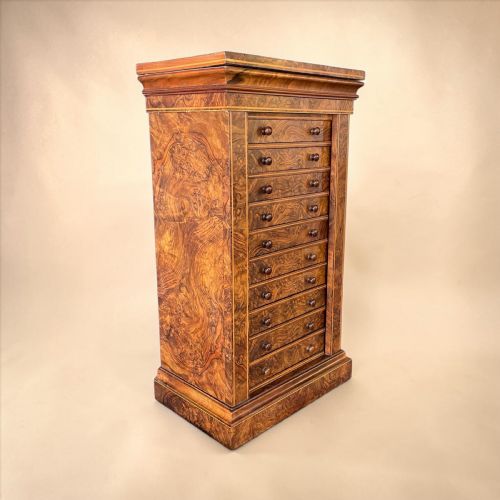
The selection ranges from standard upright chests to specialised forms like Wellington chests, bedside cabinets, and commodes. Construction relies on native and exotic timbers shaped to suit domestic rooms.
How they were made
Cabinetmakers utilised dense woods such as mahogany, walnut, oak, and pine, frequently selecting figured veneers for visual depth. Structural integrity depended on tight joinery like dovetailing for drawer construction.
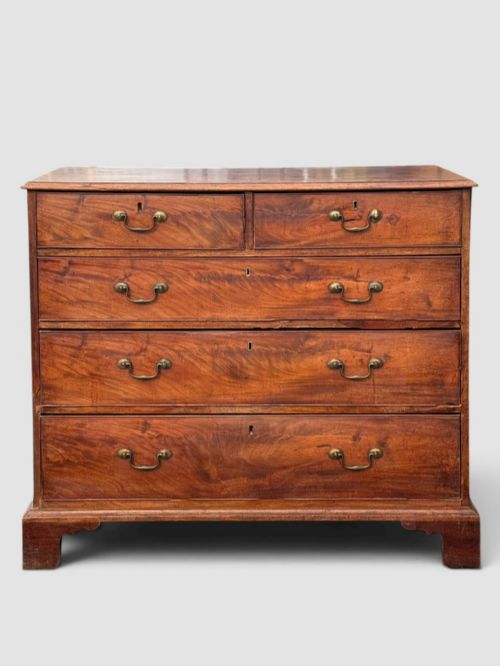
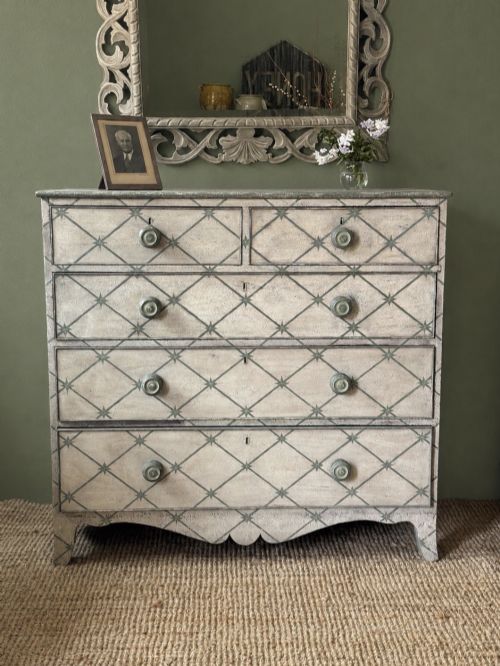
Surface finishes involved wax polish, French polish, or oil, alongside painted treatments including scumble effects. Metal hardware in brass provided pulls and escutcheons to secure drawer fronts.
Secret drawers tucked beneath top cornices provided hidden resting places for family valuables and stray love letters.
What varies in quality
Superior execution shows in the crispness of drawer dovetails and the uniformity of timber grain across the front facade. Finer examples retain original handles and undisturbed timber patination developed over decades.
Lower tiers of quality often involve replaced hardware, poorly matched replacement timber, or compromised internal drawer runners that affect smooth daily operation.
Jas Shoolbred·Whytock and Reid·Heal and Son·C Hindley
The Timber Chest of Drawers Glossary
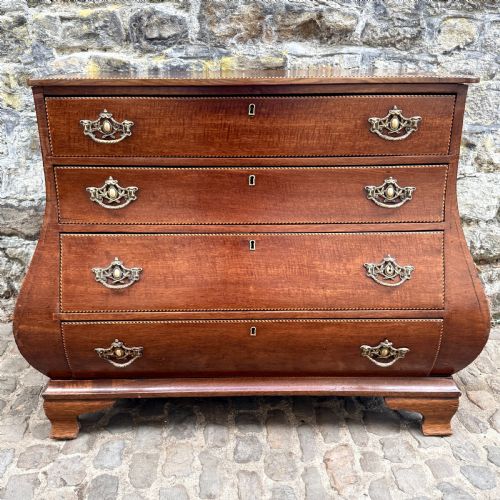
- Bow-front
- A cabinet front that curves outward in a convex arc, popular during the Georgian and Regency periods.
- Wellington chest
- A tall, narrow chest featuring a hinged locking stile on one side that secures all the drawers simultaneously.
- Dovetail
- A joint formed by interlocking wedge-shaped fingers, standard in drawer construction for tensile strength.
- Commode
- A decorative low chest of drawers, often referencing French regional styles and painted finishes.
- Patina
- The surface sheen and softening of colour acquired by wood through age and handling.
Timber Chest of Drawers: Frequently Asked Questions
How do I date a timber chest of drawers?
Dating relies on examining construction techniques, timber choices, and hardware styles associated with specific periods like the Georgian or Victorian eras.
Hand-cut dovetails, secondary woods used in drawer linings, and the presence of original brass pulls offer clear chronological markers.
What is a Wellington chest?
A Wellington chest is a tall, slender drawer unit characterised by a vertical locking bar on the right side.
This hinged flap fastens with a key to secure every drawer at once, originally designed for confidential papers.
How do I care for antique timber furniture?
Maintenance requires keeping wooden surfaces away from direct sunlight and maintaining stable indoor humidity levels.
Occasional application of traditional beeswax helps nourish the grain without building up heavy chemical residues.
Are painted finishes original on these chests?
Many periods utilised painted surfaces, including decorative commodes and country house scumble paint effects.
Inspection under natural light reveals whether the paint layers match the age and wear patterns of the underlying timber.