
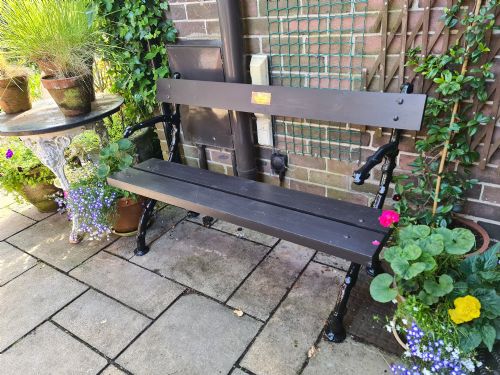


Timber Cast Iron Bench
A timber cast iron bench brings robust utility and enduring style to any garden, terrace, or interior hall.
Timber Cast Iron Bench
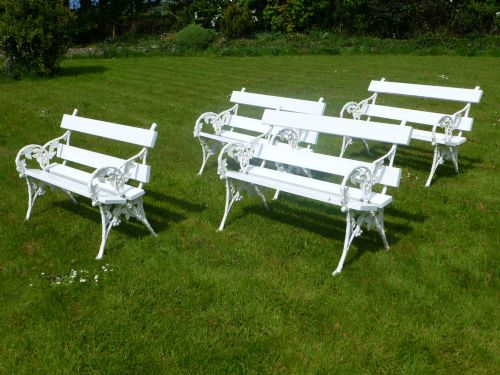
A timber cast iron bench combines heavy metal ends with wooden slats, seating, or tops designed to endure heavy use. These pieces appear across various periods, including the nineteenth century and Victorian eras, alongside styles such as rustic, industrial, and French country.
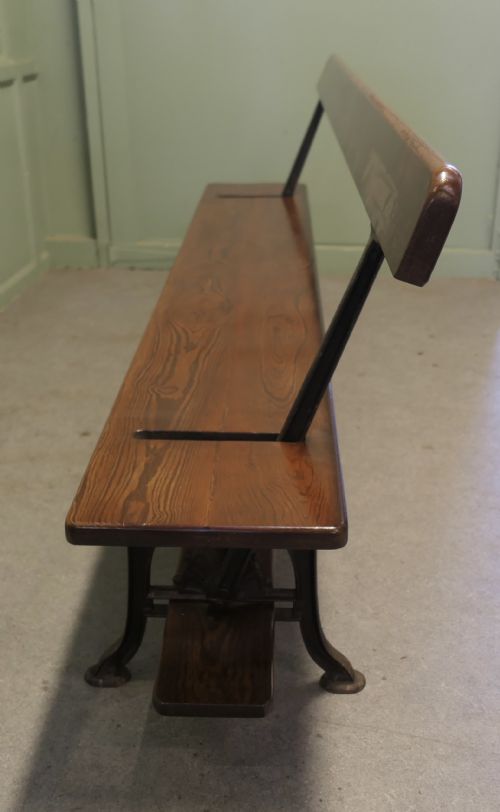
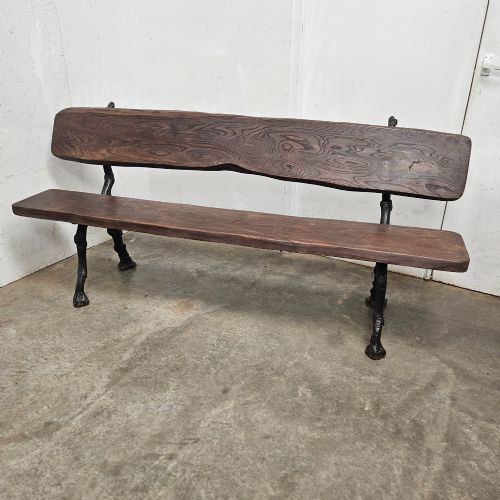
Buyers encounter forms ranging from traditional garden seats and railway station benches to reversible tram seats and artisans' workbenches. The most common survivals date from the nineteenth century, featuring durable cast iron frames paired with pitch pine, elm, oak, or general wood slats.
Construction and materials
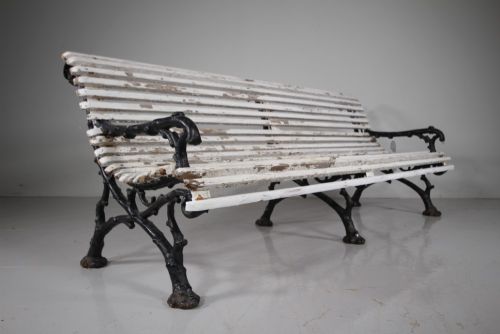
Foundries cast molten iron into decorative or structural ends featuring patterns like leaves, brambles, or industrial framing. These heavy metal supports are then bolted to sturdy timber planks and slats.
Makers utilised resilient woods such as pitch pine, elm, and oak for seating surfaces and worktops. Many examples retain traces of early paint on both the timber and the cast iron components.
Tram passengers once flipped seat backs to change direction, leaving behind ingenious reversible trolley benches.
Assessing quality
Quality rests in the crispness of the iron casting and the integrity of the original timber components. Finer examples display intricate foundry work, such as detailed botanical motifs, rather than plain utility framing.
The survival of original timber slats and authentic surface paint elevates a piece above those with later replacements. Heavy, robust metalwork indicates superior foundry output intended for public or heavy domestic service.
Falkirk foundry
The Timber Cast Iron Bench Glossary
- Cast Iron
- An iron-carbon alloy poured into moulds to create rigid, strong structural or decorative components. This material forms the durable end supports of these benches.
- Pitch Pine
- A dense, resinous softwood commonly utilised for nineteenth-century furniture and bench slats. It resists weathering and provides a sturdy seating surface.
- Faux Bois
- A decorative technique mimicking wood grain, seen on French garden pieces rendered in iron or concrete. It reflects nineteenth-century rustic tastes.
- Workbench
- A heavy table fitted with vises utilised by artisans for manual labour and craftsmanship. These share the robust timber and iron construction of garden seating.
Timber Cast Iron Bench: Frequently Asked Questions
How do I date a cast iron bench?
Dating relies on stylistic clues within the iron casting, such as Victorian botanical patterns or industrial framing details. Documentary evidence like foundry marks also helps establish an approximate period.
Comparing the timber species and construction methods to known nineteenth-century examples provides further confirmation of age.
Can these benches stay outdoors year-round?
Most pieces were originally built for exterior use in gardens or railway stations, combining weather-resistant cast iron with hardy timbers. However, severe frost and persistent moisture can affect vulnerable wood slats.
Applying appropriate protective treatments helps preserve the original painted or bare timber surfaces through seasonal changes.
What is a railway station bench?
Railway station benches are exceptionally long, robust seating units designed to accommodate waiting passengers on busy platforms. They typically feature heavy iron supports and thick timber slats built to withstand constant public use.
Stamped station names often identify the specific location where these utilitarian pieces originally stood.
How do I care for the painted surfaces?
Preserving existing paint requires gentle cleaning without harsh abrasives that might strip historic finishes. Regular maintenance prevents moisture from reaching the underlying timber or iron.
Consulting a specialist conservator ensures that any touch-ups respect the age and character of the piece.