


Period Outdoor Bench
These period outdoor bench examples bring enduring garden utility and classic design, offering robust seating shaped by nineteenth-century craft.
Period Outdoor Bench
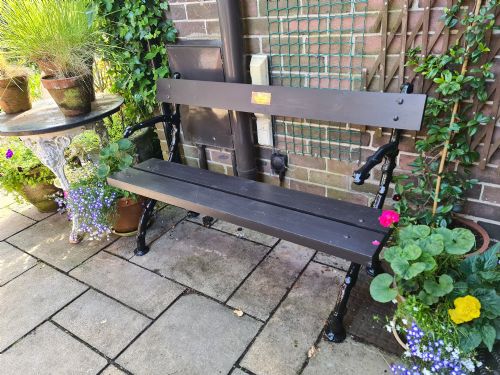
A period outdoor bench brings historic character to gardens, patios, and parks through traditional forms designed for outdoor use. Buyers searching for a period outdoor bench encounter garden seats, garden settees, and garden chairs dating from the nineteenth century. The selection spans the Regency era, the Victorian period, and later interpretations from nineteen thirty.
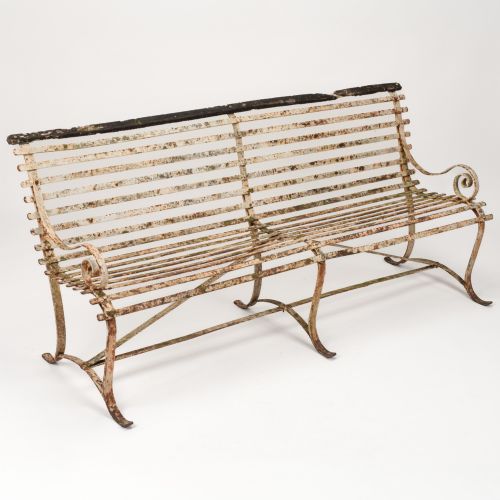
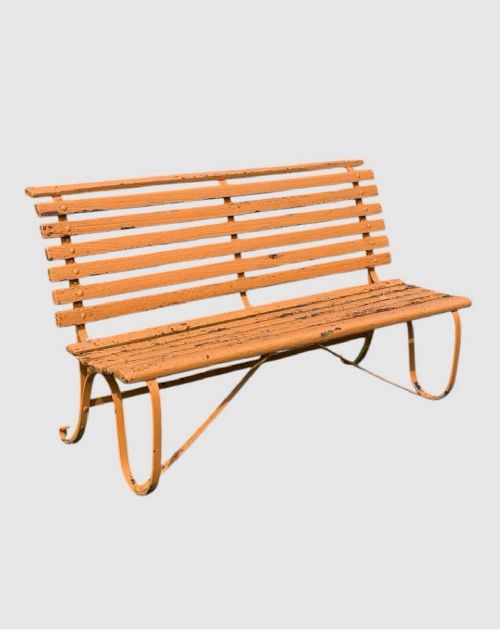
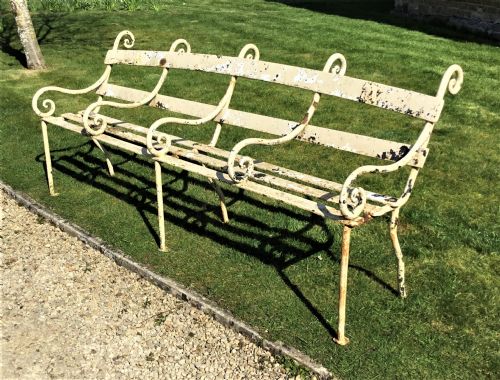
Most pieces on this page combine cast iron or wrought iron frameworks with wooden or timber slats. Forms range from simple strapwork designs to ornate castings and rustic Victorian interpretations. Certain listings provide matching pairs or sets, while others stand as single four-seater benches or smaller garden seats.
How they were made
Makers utilised heavy cast iron and pliable wrought iron to form durable structural frames and decorative supports. Iron components frequently feature strapwork patterns, intricate scrollwork, or solid castings designed to withstand the elements.
Wooden and timber elements were integrated into iron frames to form comfortable seats and backrests. Paint finishes were applied to protect the metal and timber, while surviving examples retain traces of their original or subsequent painted surfaces.
One notable set originated from the Calcutta Polo Club, bringing unexpected sporting history to the garden.
What varies in quality
Quality rests in the crispness of iron casting and the complexity of strapwork or ornate detailing. Early Regency strapwork and heavily ornamented Victorian castings represent higher execution levels than simpler subsequent interpretations.
The integrity of the combination between iron frames and timber slats influences overall construction standard. Complete sets and larger four-seater configurations demonstrate greater scale and ambition than standard individual seats.
The Period Outdoor Bench Glossary
- Cast iron
- Molten iron poured into a mould to create rigid, decorative bench ends and supports. This material allowed makers to produce elaborate Victorian ornamentation.
- Wrought iron
- Iron heated and hammered into shape by hand, producing resilient structural components. Strapwork benches rely on this technique for their curved metal bands.
- Strapwork
- Flat strips of metal interwoven or arranged in geometric patterns across a bench back or seat. This style appears frequently on Regency and Victorian ironwork.
- Settee
- A small upholstered or wooden bench with arms and a back, used interchangeably with garden seat in nineteenth-century contexts. These pieces offer comfortable outdoor seating for two or more people.
Period Outdoor Bench: Frequently Asked Questions
How do I identify a Regency iron bench?
Regency iron benches typically feature linear wrought iron strapwork and restrained classical proportions dating from the early nineteenth century.
Such pieces contrast with the heavier, more ornate cast iron decorations associated with later Victorian manufacturing.
Were these benches designed for outdoor use?
Nineteenth-century garden seats and park benches were constructed specifically from durable metals and timber to withstand exposure to the weather.
Paint finishes were traditionally applied to iron and wood components to provide additional protection against moisture.
What is the difference between a bench and a settee?
Period terminology often uses garden bench, garden seat, and garden settee interchangeably to describe outdoor seating furniture.
A settee generally implies a slightly more decorative or domestic seating form with integrated arms and backrest.
Can I leave iron garden benches outside all year?
Historic cast iron and wrought iron benches are heavy and robust, built to remain in gardens through changing seasons.
Periodic maintenance of painted surfaces helps preserve the underlying metal and integrated timber slats.