

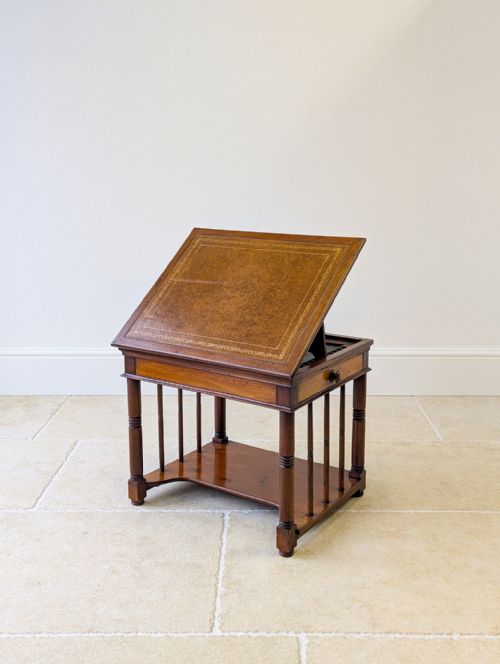


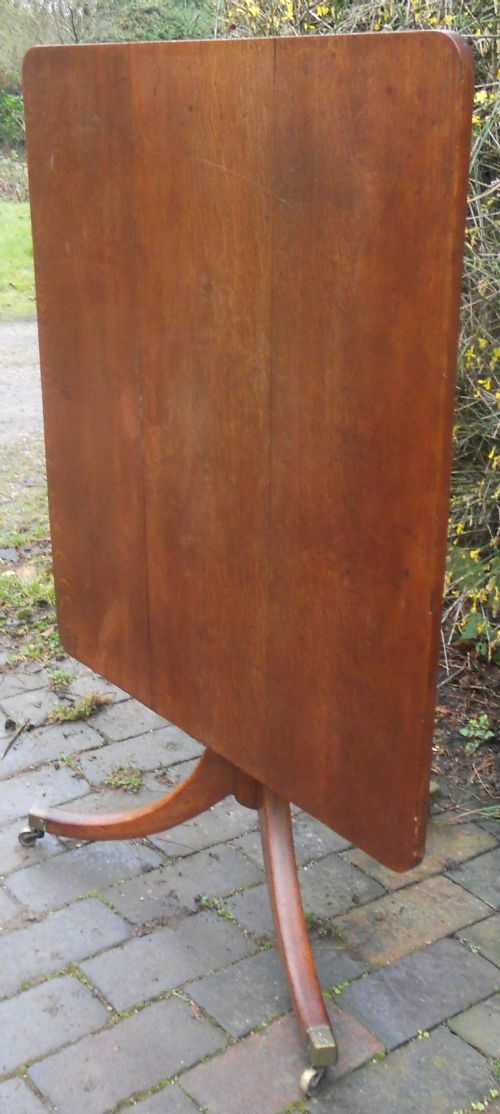


Tilting Top Desk
A tilting top desk provides a steady surface that angles precisely to your needs, whether you write, read or draw.
Tilting Top Desk
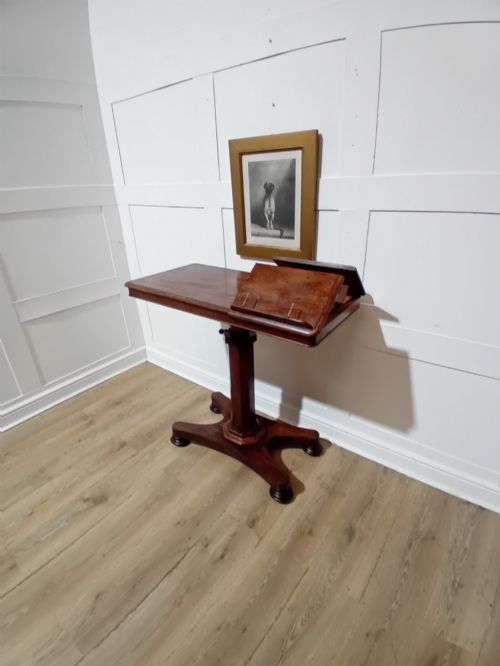
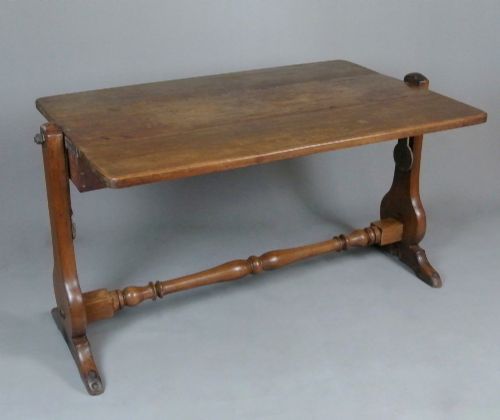
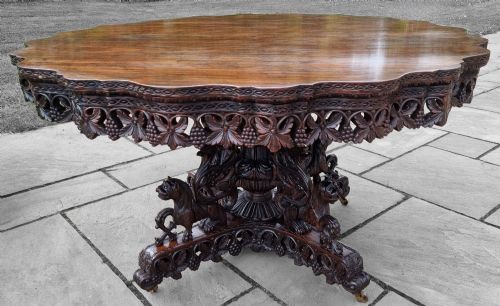
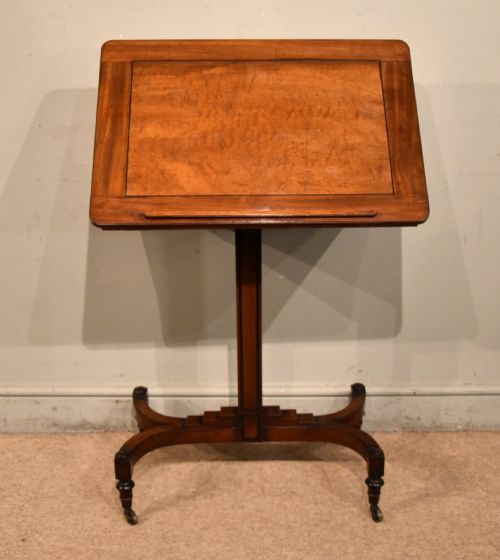
A tilting top desk serves those who need an adjustable workspace, appearing across the Georgian, Regency, Victorian and Edwardian eras. These pieces take various forms, functioning as reading stands, library tables, architect's desks and campaign tables. You will frequently meet mahogany examples alongside pieces in teak, pine, walnut, oak and padauk.
The selection ranges from early twentieth-century adjustable pine reading tables to intricate eighteenth-century Dutch marquetry inlaid architects' tables and Indian Raj period padauk centre tables. Such furniture adapts to different rooms, serving equally as a chairside reading table or a centre table in the library.
How they were made
Cabinetmakers utilised solid timbers and veneers, building these desks in mahogany, teak, pine, walnut, oak and padauk. Wood selection dictated both the visual weight and the utility of the piece, allowing makers to achieve smooth surfaces for writing and drawing.
Metal components in brass and iron provided the necessary mechanisms for adjustment, working alongside leather inserts to create functional workspaces. These materials combined to support tilting actions and height adjustments, as seen in cast iron bed tables and adjustable reading stands.
Tilting Top Desk Retail Price Guide 2026
Typical asking prices for tilting top desk among the pieces listed under this phrase on Sellingantiques today, from the lower quarter to the upper quarter. They describe what is for sale here now, not the wider market.
Mobility aids meet Regency elegance here, proving that nineteenth-century Victorians were just as keen on breakfasting in bed as we are.
What varies in quality
Quality rests in the precision of the adjustable mechanism and the selection of timber. Finer examples show thoughtful integration of brass fittings and well-figured mahogany, walnut or padauk veneers that remain stable through movement.
The sophistication of the design sets apart standard utilitarian pieces from exceptional ones. Elaborate marquetry inlay and double-sided configurations indicate a higher tier of craftsmanship intended for wealthy patrons and specialised professions.
Gillows
The Tilting Top Desk Glossary
- Architect's table
- A specialised desk featuring a rising or tilting top designed for drafting and drawing plans. These often include internal compartments for instruments and papers.
- Campaign table
- Portable furniture constructed for travel, typically featuring folding frames and robust timbers like teak or mahogany. These pieces dismantle easily for military campaigns or long journeys.
- Lectern
- A slanted reading stand designed to hold books or notes at a comfortable angle for speaking or studying. They appear in adjustable formats utilising pine, brass or mahogany.
- Marquetry
- Decorative veneer work formed by fitting pieces of various coloured woods into patterns and pictures. Dutch examples frequently employ this technique on architect's tables.
Tilting Top Desk: Frequently Asked Questions
How do you adjust the top?
Adjustment relies on internal ratchets, brass struts or screw mechanisms hidden beneath or beside the writing surface. These permit the board to be raised to various angles for reading or drawing.
Operating the mechanism usually requires releasing a catch or lifting the board to the desired notch before securing it in place.
Were these used in ships?
Certain examples, such as campaign tables from the Georgian period, were built specifically for use at sea or during military deployment. Solid teak construction helped them withstand harsh conditions.
Such pieces prioritized portability and durability, often incorporating folding bases alongside their adjustable tops.
What is an architect's table?
An architect's table is a specialised workspace equipped with a tilting top and compartments for holding drawing tools and papers. They served professionals who required both a flat surface and a slanted board.
Many feature complex inlays and pull-out ledges to support maps and large architectural drawings.
How do I distinguish a reading table from a desk?
Reading tables generally feature smaller surfaces designed primarily to hold books, music sheets or newspapers rather than extensive writing materials. They frequently include ledges to prevent volumes from sliding off when tilted.
Standard desks offer broader, stationary surfaces with drawers for storage, whereas reading stands focus on adjustable angles and chairside utility.