

Tiered Open Shelving
Tiered open shelving gathers books and objects across graduating platforms, bringing accessible display space to rooms through centuries of cabinet-making.
Tiered Open Shelving
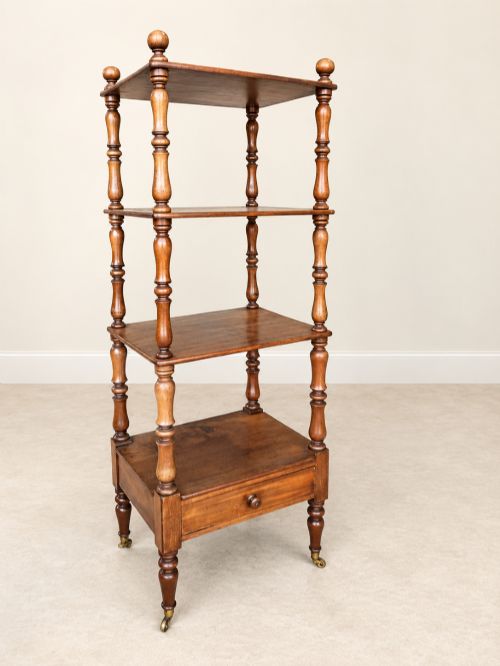
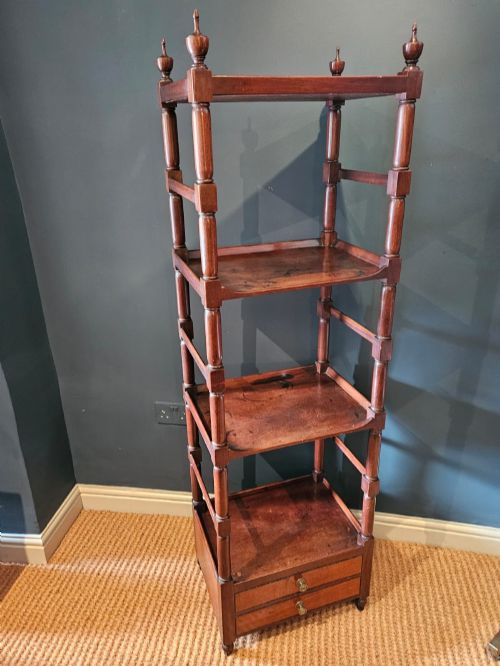
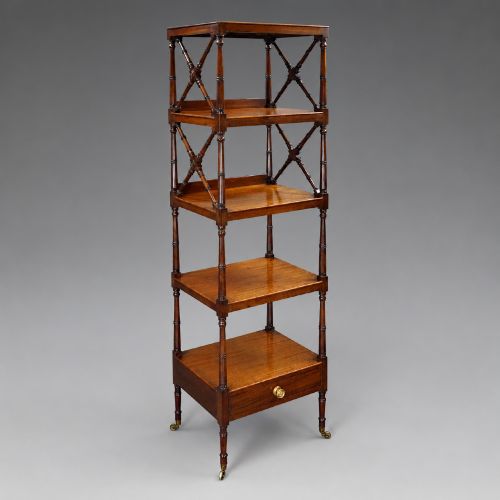
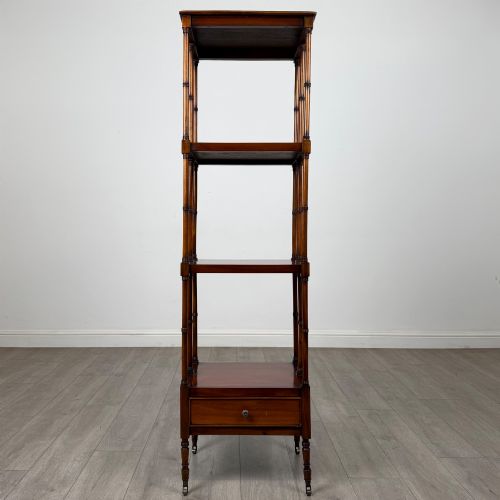
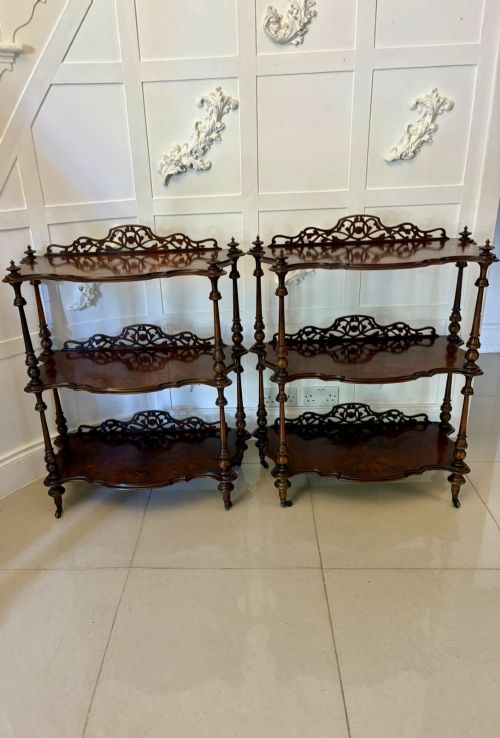
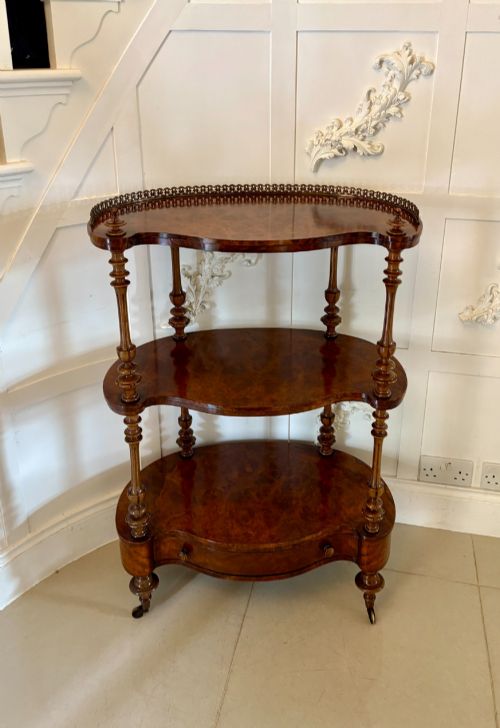
Tiered open shelving appears across nineteenth-century and early twentieth-century designs, encompassing whatnots, etageres, and open bookcases. These pieces organise books and display items across multiple ascending tiers supported by uprights or slender legs.
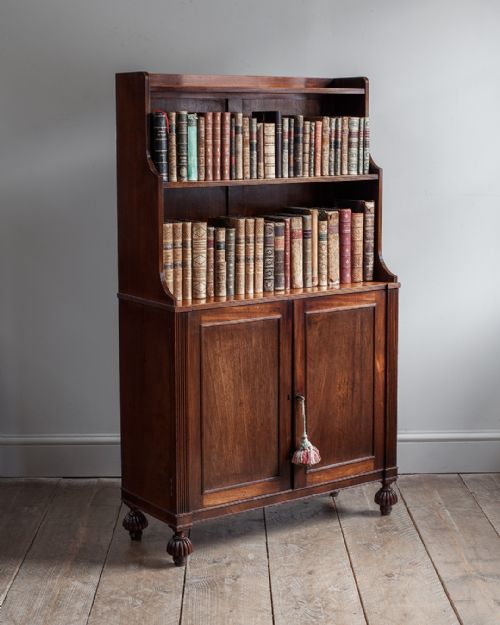
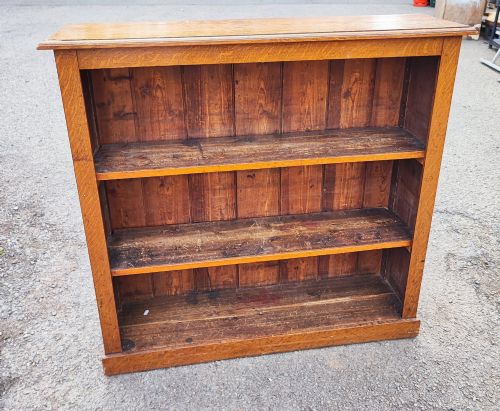
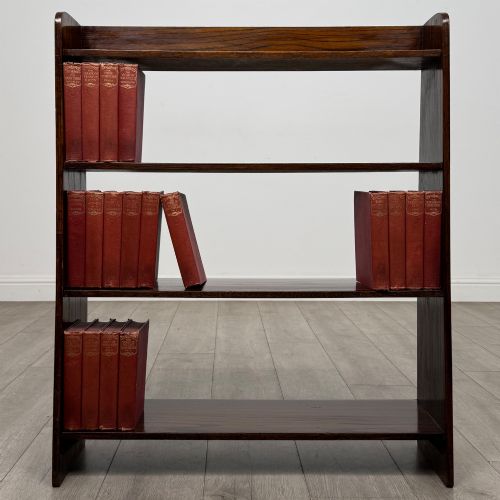
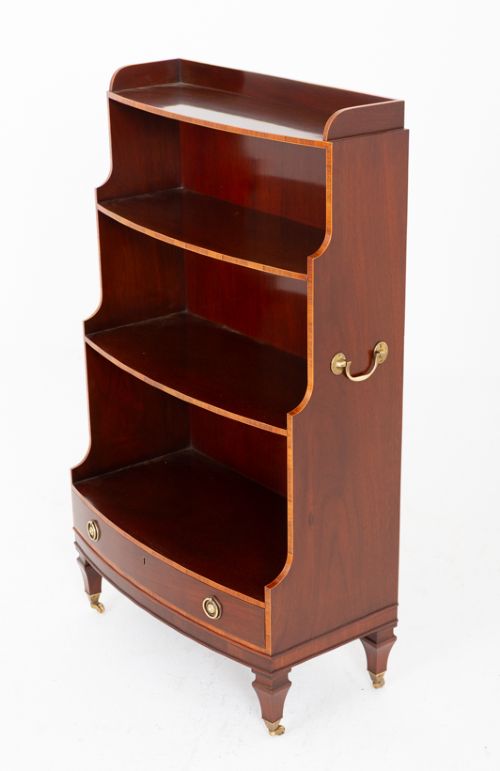
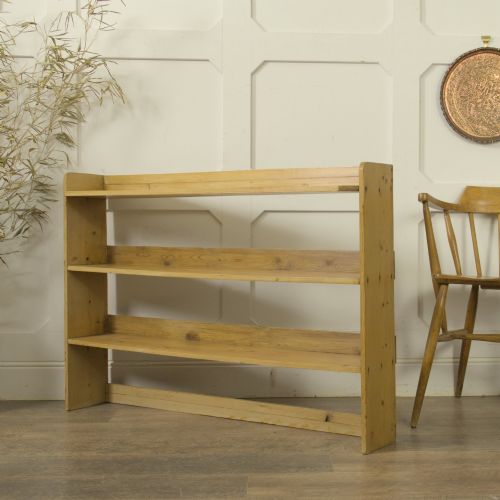
The selection ranges from Regency and Victorian mahogany examples to Edwardian oak bookcases and rustic pine bookshelves. Buyers frequently encounter multi-tiered whatnots and waterfall bookcases designed for corners, walls, or freestanding placement.
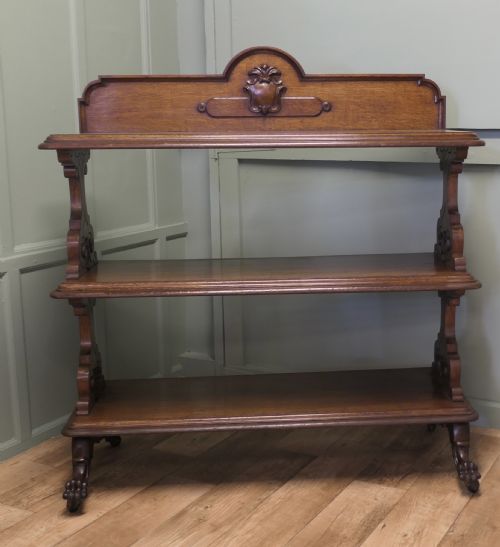
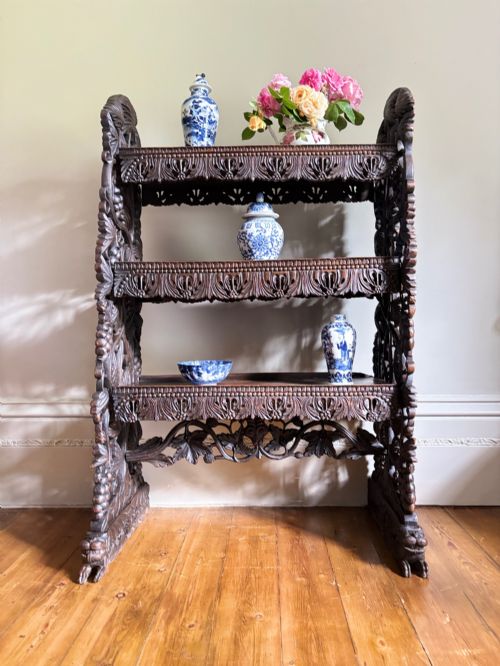
Origins span formal English cabinet-making traditions alongside continental and Anglo-Indian workshops using padauk and exotic hardwoods. Pieces scale from petite hanging shelves to large multi-tiered buffet units.
Materials and construction
Makers utilised primary timbers including mahogany, walnut, burr walnut, oak, rosewood, and pine, occasionally incorporating brass and gilt metal fittings. Surfaces display rich grain patterns, particularly on burr walnut and mahogany tiers.
Construction methods involve fitted uprights, turned supports, and dovetailed joints securing individual shelves. Higher tier configurations utilise brass castors for mobility and structural stability across multiple levels.
Some multi-tiered pieces roll easily on tiny brass shoes, proving furniture can be both grand and nimble.
Design and execution
Quality reveals itself in the selection of timber veneers, such as figured burr walnut or matched mahogany, and the crispness of turned supports and carved details. Superior examples maintain structural rigidity across numerous tiers without sagging.
Refined proportions and thoughtful details, such as serpentine shaping, inlaid borders, or integrated brass castors, separate standard utility pieces from exceptional cabinet-maker outputs.
Heals
The Tiered Open Shelving Glossary
- Whatnot
- A moveable set of open shelves for small ornaments or books, developed in the eighteenth century and widely produced through the Victorian era.
- Etagere
- A piece of furniture consisting of a number of graduating open shelves for displaying ornaments, originating in France.
- Waterfall bookcase
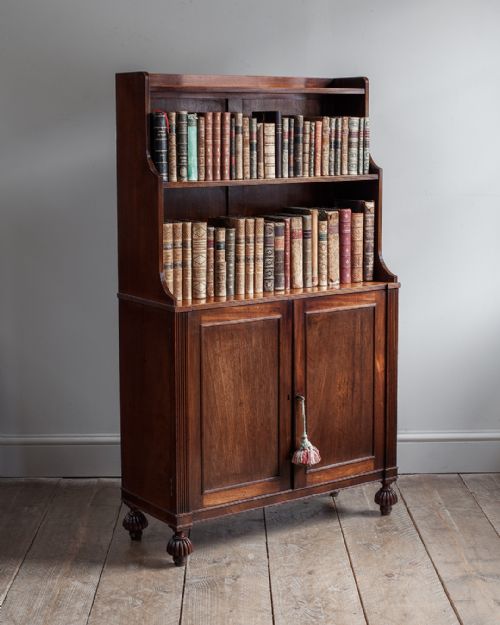
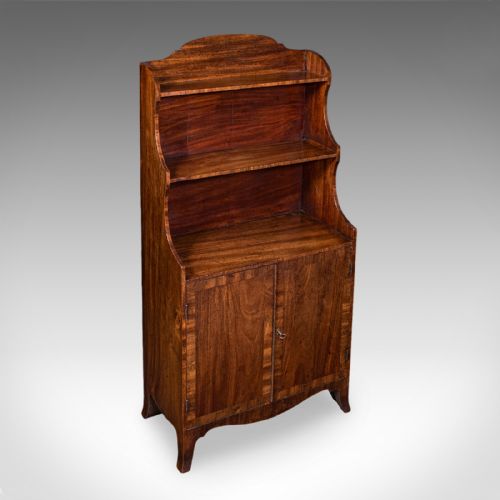
- A standing set of open shelves where each tier steps back progressively from the one below, creating a cascade profile.
- Dumb waiter
- A tiered stand traditionally used for holding food or tableware, adapted in various periods as multi-level display shelving.
Tiered Open Shelving: Frequently Asked Questions
What is tiered open shelving used for?
These multi-level units serve primarily for displaying ornaments, ceramics, and collections while keeping books accessible in living spaces.
Historically, they provided practical surface area for rooms where enclosed cabinetry proved too heavy or space was limited.
How do I date a Victorian whatnot?
Dating relies on timber selection, such as rosewood or burr walnut, combined with structural joinery and turning styles characteristic of the mid to late nineteenth century.
Additional clues appear in brass hardware, castors, and decorative inlays typical of Victorian cabinet-making.
Where should I place an etagere?
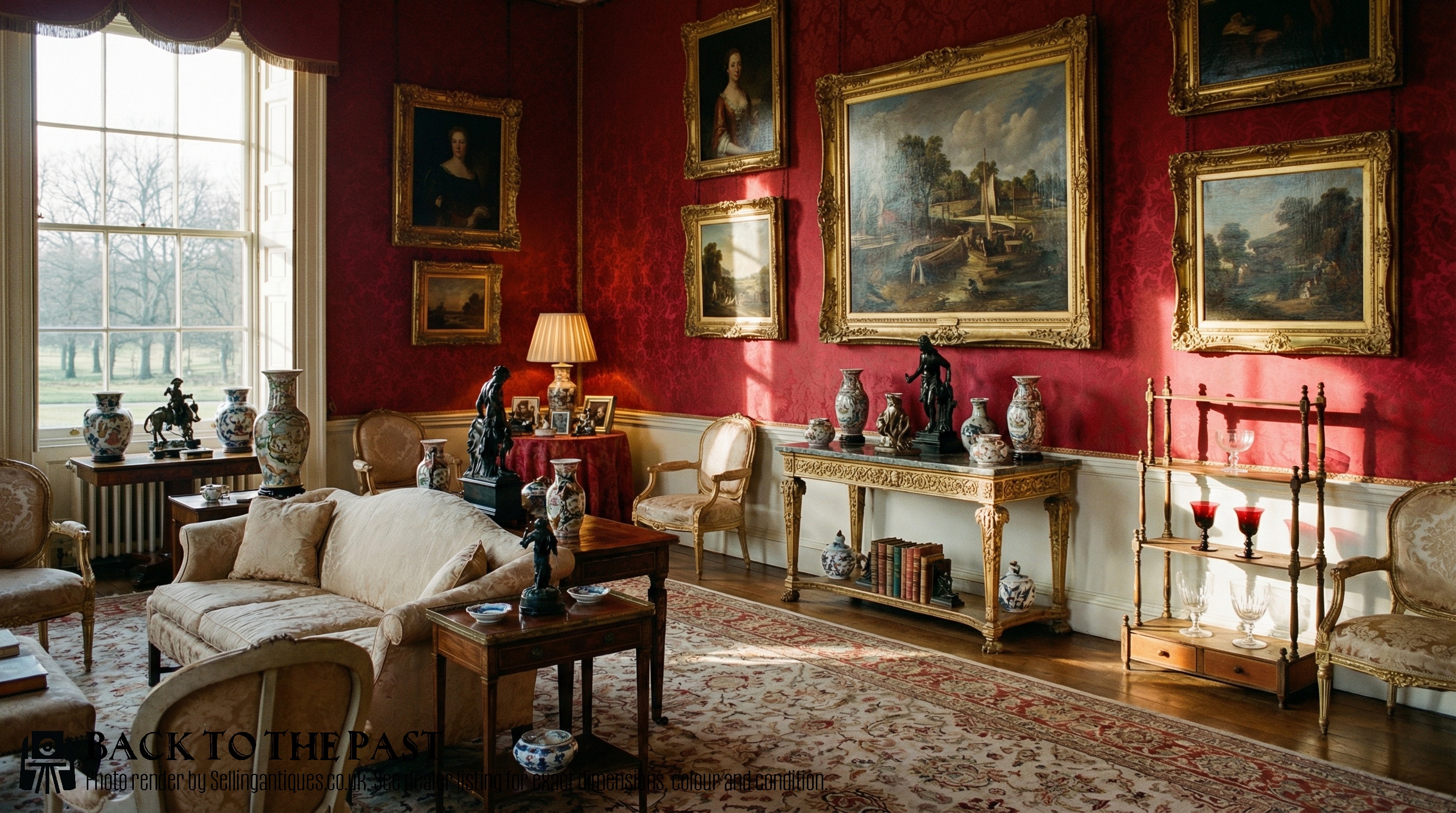
Free-standing etageres and corner whatnots fit well in reception rooms, empty alcoves, or studies where vertical display space adds dimension.
Because the shelves are open on multiple sides, placing them away from heavy traffic prevents accidental knocks to displayed items.
What is the difference between a whatnot and a bookcase?
Whatnots generally feature slender uprights and multiple light tiers designed for decorative objects, whereas bookcases focus on holding volumes with greater depth.
Waterfall bookcases bridge this distinction by stepping back toward the top, combining book storage with display functionality.