


Tiered Oak Serving Table
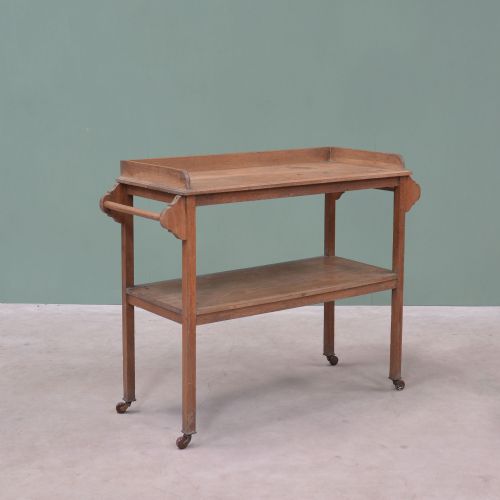
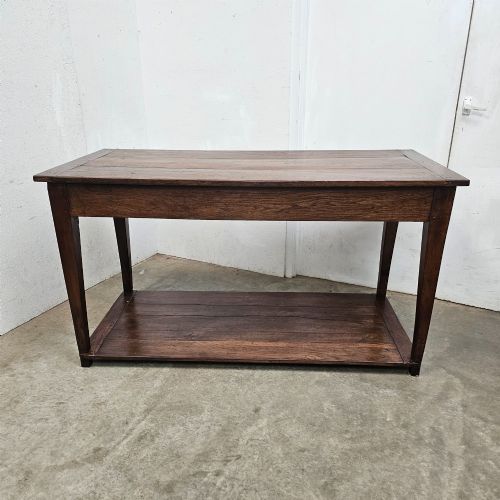
These tiered oak serving tables are practical multi-level pieces designed for food and drink service, bringing sturdy timber character to dining and living spaces.
Tiered Oak Serving Table
A tiered oak serving table provides multiple levels of surface area for hospitality and display. When you search for a tiered oak serving table, you encounter practical items built to transport or present items with ease.
The selections range across various periods including the Victorian era, Edwardian period, and the 1920s. Forms span from tea trolleys and dumb waiters to multi-tiered buffets and etageres.
Origin variations include English and French pieces, utilising materials such as standard oak, pollard oak, walnut, brass, and iron hardware. These tables function equally well as mobile drink carts or static side servers.
How they were made
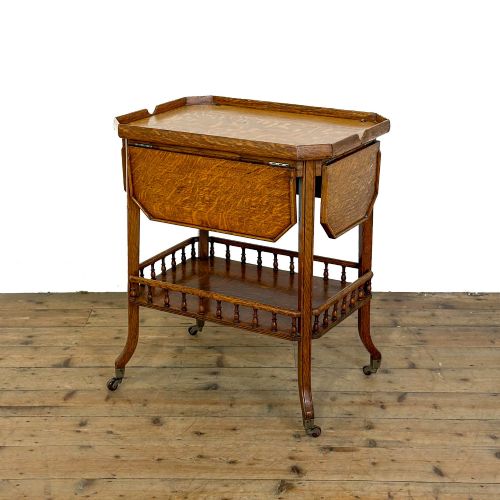
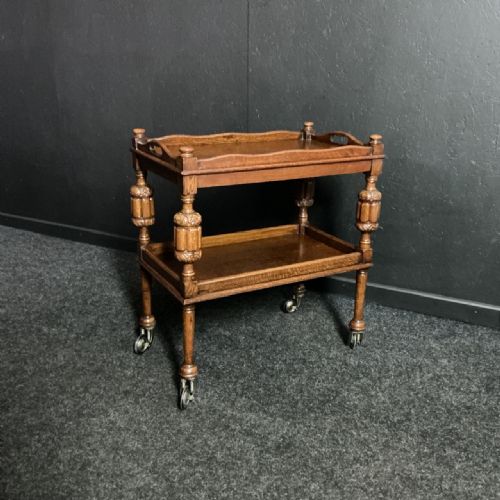
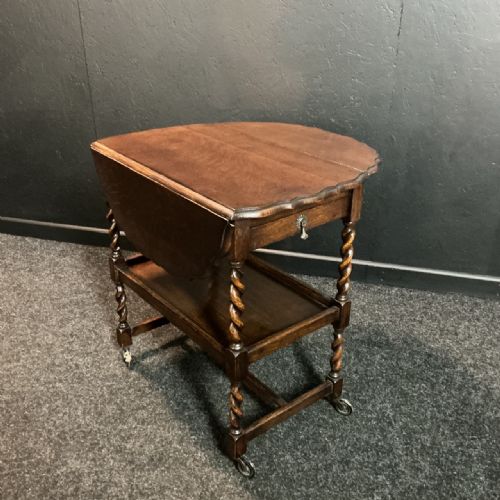
Constructed primarily from solid oak and pollard oak, these tables often incorporate decorative carving and turned supports like barley twist legs. Some examples feature folding tops, drop leaves, or lift-off trays for versatility.
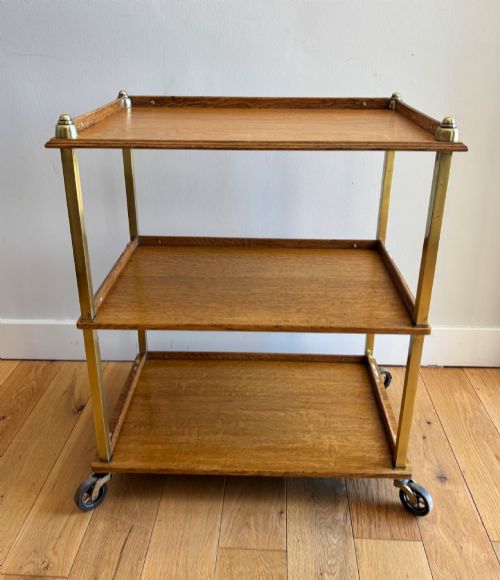
Metal components such as brass and iron appear frequently on castors, hinges, and handles, facilitating the movement of heavier multi-tiered serving trolleys and dumb waiters.
Listings feature items spanning the 19th century up to 1920, predominantly constructed from oak with occasional walnut and pollard oak examples.
What varies in quality
The standard of carving and the selection of timber grain set different examples apart. Highly figured pollard oak or profuse hand-carving elevate the visual presence of a buffet or tea trolley.
Mechanical elements like rise-and-fall mechanisms, folding top hinges, and original castors dictate the functional sophistication of the piece. Robust joinery and well-preserved timber finishes distinguish superior examples.
The Tiered Oak Serving Table Glossary
- Dumb waiter
- A multi-tiered moveable or static serving table used to hold dishes and drinks. These pieces remove the need for constant servant attention during meals.
- Pollard oak
- Timber taken from trees that have been pollarded, producing a richly figured and knotted grain pattern. Cabinetmakers utilise this wood for decorative veneer and statement surfaces.
- Barley twist
- A type of furniture leg turned to resemble a twisted rope or column. This decorative turning style is common on Edwardian and Victorian tables.
- Drop leaf
- A hinged table flap that can be raised to extend the surface area or lowered when space is limited. This mechanism adds flexibility to smaller tea trolleys.
Tiered Oak Serving Table: Frequently Asked Questions
How do I use a tiered serving table?
These pieces suit dining rooms or living areas as mobile drink carts, tea stations, or sideboards. The multiple levels accommodate glassware, bottles, and dishes during gatherings.
In daily life, they function effectively as display surfaces for books and plants when not actively serving food or beverages.
What is the difference between a trolley and a dumb waiter?
A trolley generally includes wheels or castors for easy transport across rooms, often built for afternoon tea or drinks service. Dumb waiters serve a similar multi-tiered purpose but can be static furniture pieces or feature complex rise-and-fall mechanics.
Both forms provide tiered shelving, though trolley designs prioritise mobility while traditional dumb waiters focus on stable dining room presentation.
How do I identify an Edwardian tea trolley?
Edwardian examples frequently date from the early twentieth century and often incorporate folding tops, drop leaves, or barley twist supports. They tend to have lighter frames than their heavier Victorian predecessors.
These pieces were built to accommodate changing domestic habits, specifically the popularity of afternoon tea and informal entertaining.
Are these tables suitable for modern homes?
Their compact multi-tiered designs fit well into contemporary interiors needing functional surface space without a large footprint. The sturdy oak construction handles daily use while adding natural timber texture to a room.
Wheeled versions offer flexible placement, moving easily between a kitchen, dining room, and sitting area.