



Three Light Pendant Lantern
A three light pendant lantern brings height, weight and clear illumination to a hallway or high-ceilinged room.
Three Light Pendant Lantern
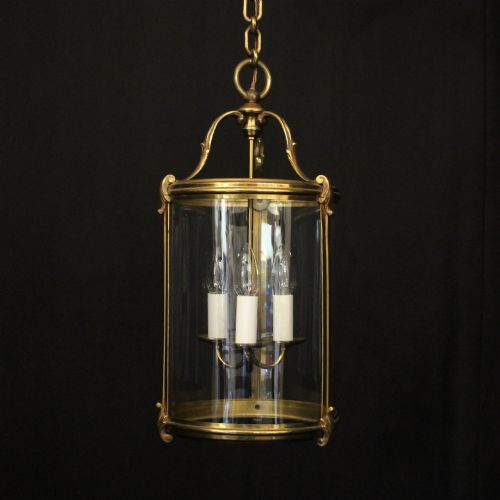
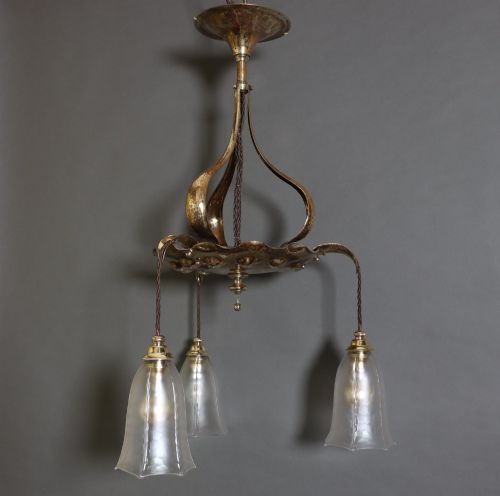
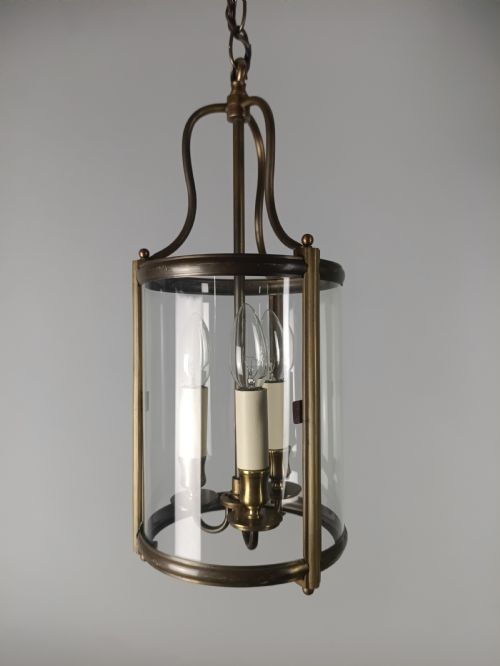
A three light pendant lantern is a ceiling-hung fixture designed to diffuse light through glass panels held within a metal framework. When you search for a three light pendant lantern, you encounter pieces primarily from the early twentieth century, spanning decades from nineteen hundred to nineteen thirty.
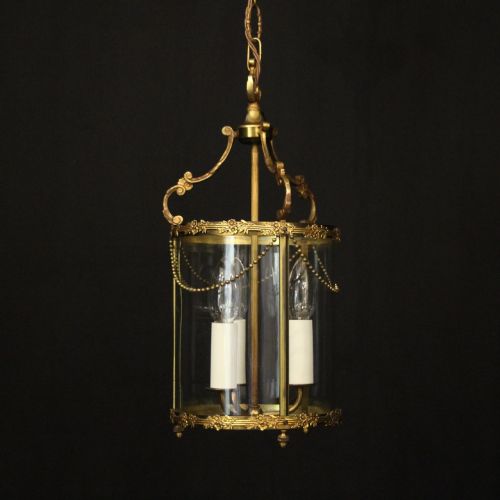
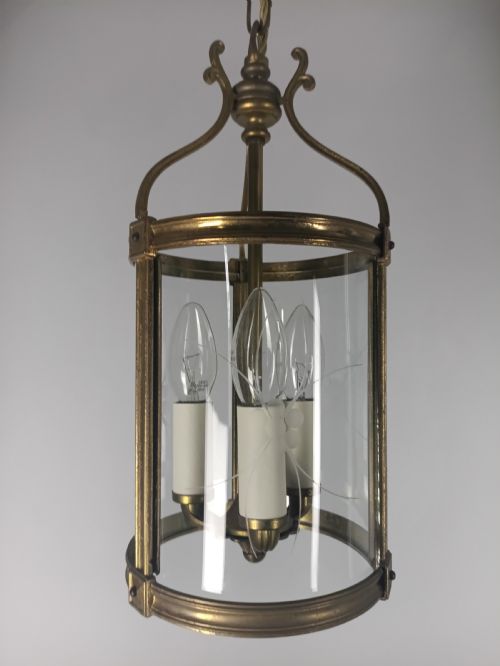
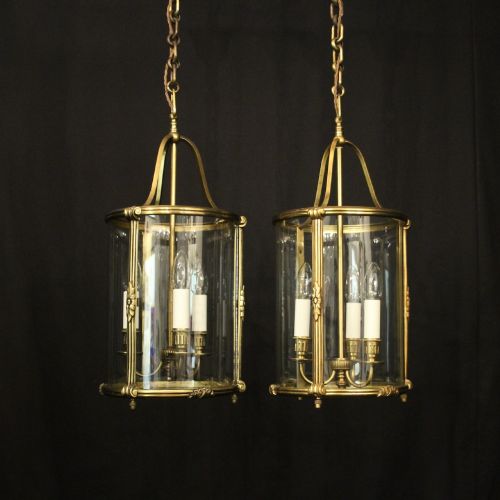
The selections on this page lean heavily towards continental European workshops, with a strong presence of French chateau, rococo, neoclassical and empire styles alongside English and Italian examples. These forms range from simple Arts and Crafts designs to ornate gilt brass and bronze hall lanterns with convex glass.
Most examples function as ceiling lights, hanging lanterns or hall lanterns intended for central placement in entranceways, stairwells and principal rooms. The three internal bulb holders provide ample illumination while the glass panels and metal mounts create distinct decorative shadows.
Materials and construction methods
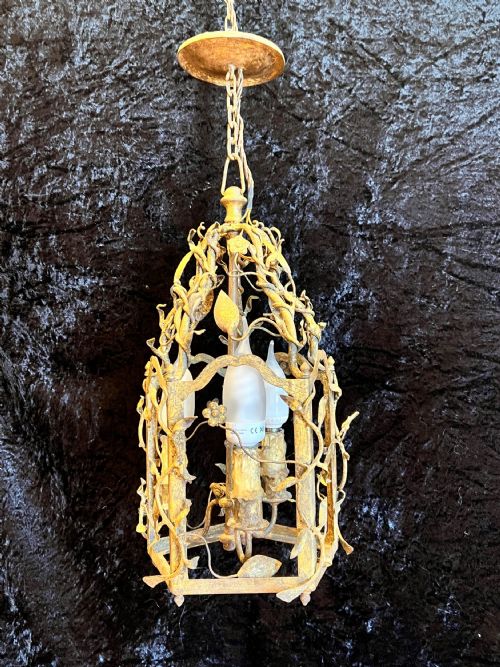
Construction relies upon casting and working metal into structural frames designed to hold curved or flat glass panels. Materials recorded across the inventory include brass, gilt brass, gilded bronze, standard bronze, wrought iron and plain glass.
Makers utilised mechanical joints and secure metal flanges to hold delicate convex glass in place within heavy metal carcases. Gilt finishes and polished brass surfaces reflect internal candle or early electric illumination to maximise brightness in darker entrance spaces.
Materials span brass, gilt brass, bronze, gilt bronze, wrought iron and glass across periods from nineteen hundred to nineteen thirty.
Distinguishing quality in period lighting
Quality rests upon the weight of the cast metal and the clarity and finish of the glass panels. Heavy bronze and thick gilt brass frames with hand-etched convex glass represent the upper tier of production.
Subtlety of casting detail in styles such as French rococo or neoclassical distinguishes superior examples from simpler utilitarian pieces. The integration of the hanging chains and the precision of the metal joints further indicate the original workshop standard.
The Three Light Pendant Lantern Glossary
- Convex glass
- Curved glass panels that project outward to soften and disperse light evenly. This shape requires specialised moulding techniques.
- Hall lantern
- A ceiling-hung light fixture specifically scaled for entryways and corridors. They typically feature glass sides to protect internal flames or bulbs from drafts.
- Gilt bronze
- Bronze metal treated with a thin layer of gold or gold-coloured wash. It provides a durable, lustrous finish that resists tarnishing over decades.
- Arts and Crafts
- A design movement prioritising honest construction and simple materials. Pieces from this tradition avoid excessive ornamentation in favour of clean architectural lines.
- Rococo
- A decorative style characterised by asymmetrical curves, scrollwork and natural motifs. It appears frequently in French lighting fixtures from the early twentieth century.
Three Light Pendant Lantern: Frequently Asked Questions
Where should I hang a hall lantern?
These fixtures suit high-ceilinged entrance halls, landings and stairwells where their pendant drop can be fully appreciated.
Ensure adequate clearance beneath the lowest point of the lantern for comfortable foot traffic.
How do I date a brass lantern?
Examine the construction methods, screw types and wiring channels integrated into the metal frame.
Stylistic cues such as Edwardian restraint or French neoclassical symmetry also help narrow the decade of production.
Are these lanterns wired for electricity?
Most surviving examples have been adapted for modern electrical supplies during their working life.
It is advisable to have a qualified electrician inspect the internal wiring before permanent installation.
What maintenance do glass panels require?
Regular dusting with a soft cloth keeps the exterior glass clear and prevents grime accumulation on the metal mounts.
Convex panels can be removed carefully for deeper cleaning when necessary.