
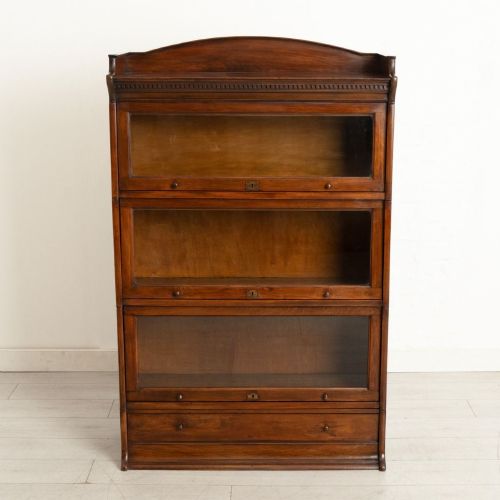
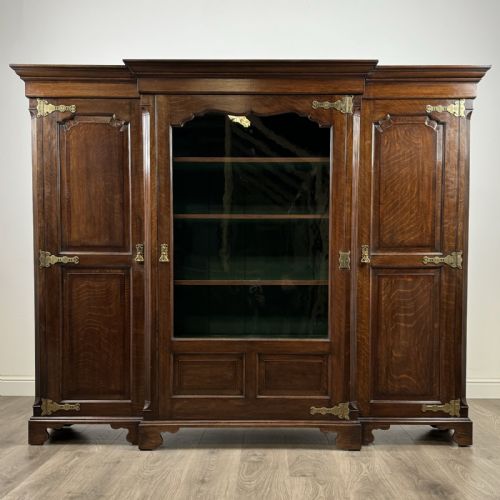
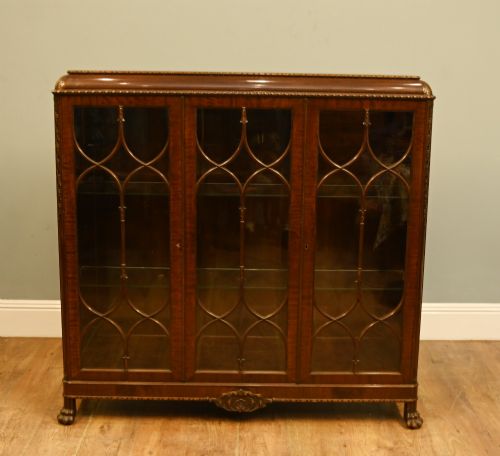
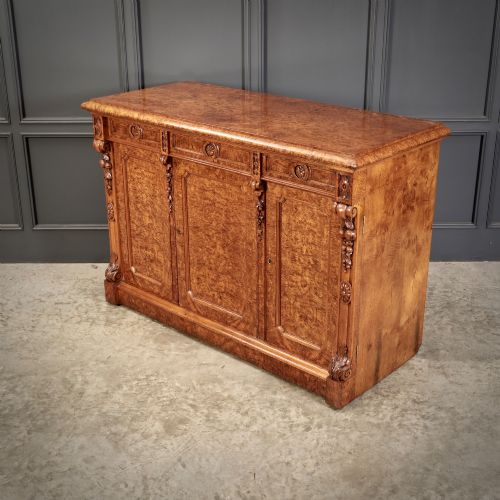
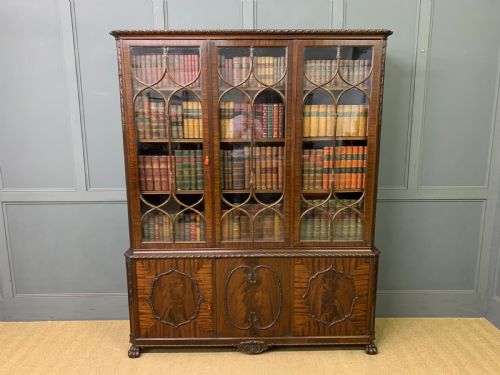
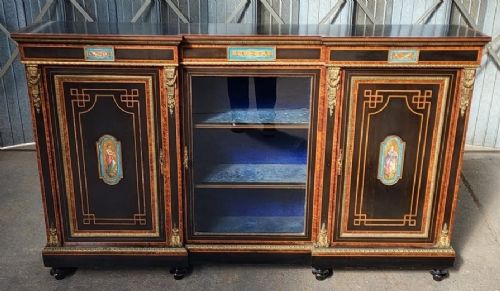
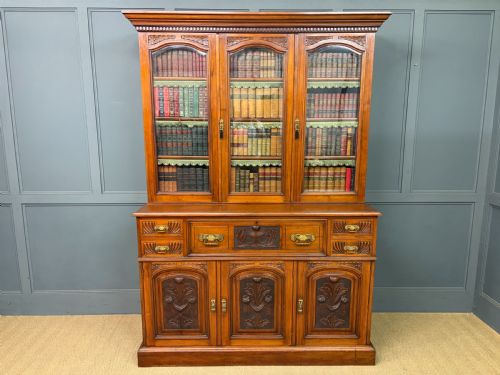
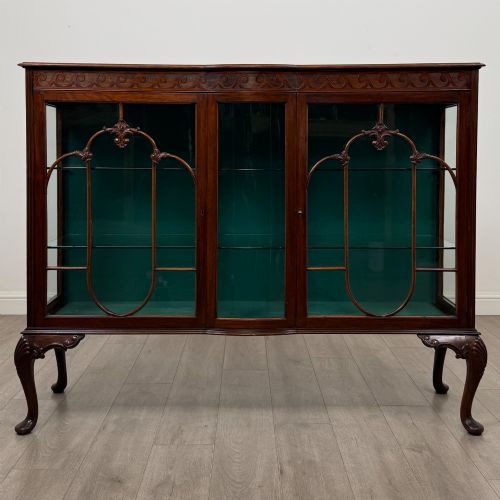
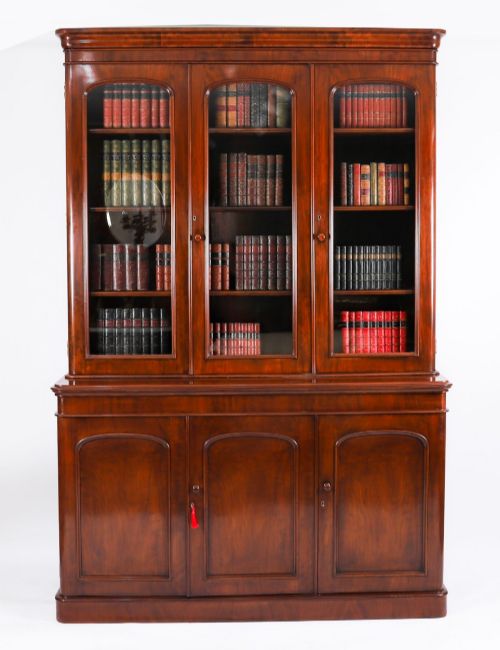
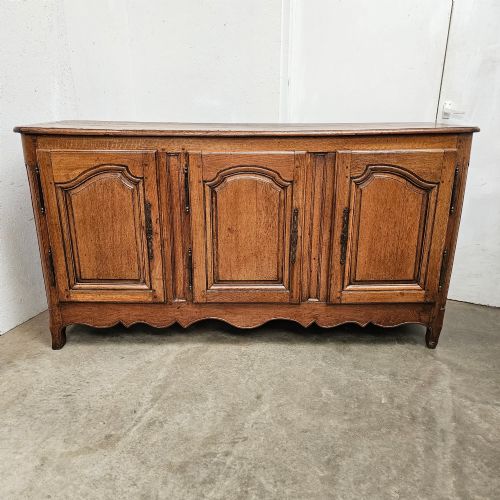
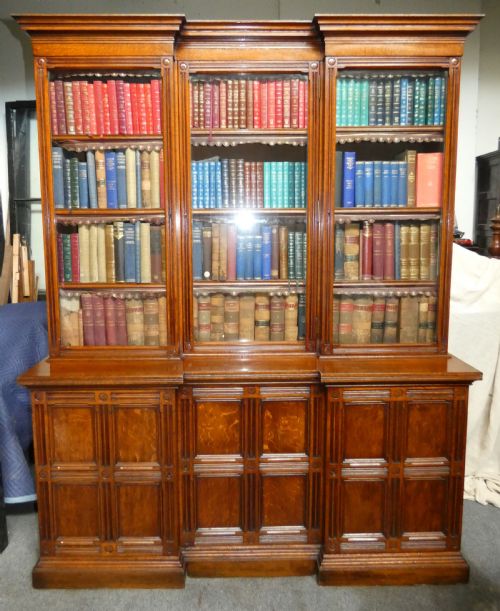
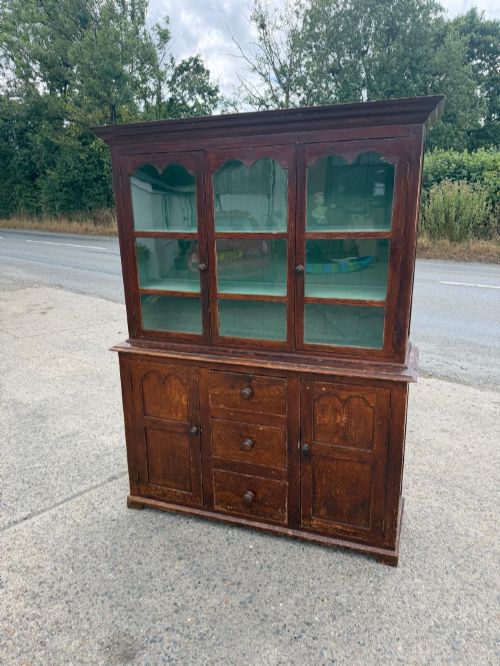
Three Door Cabinet
A three door cabinet offers substantial storage and display capacity, bringing proportion and presence to a room.
Three Door Cabinet
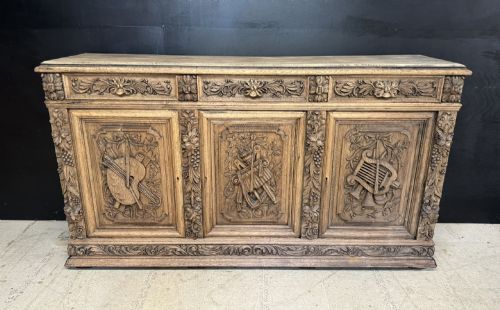
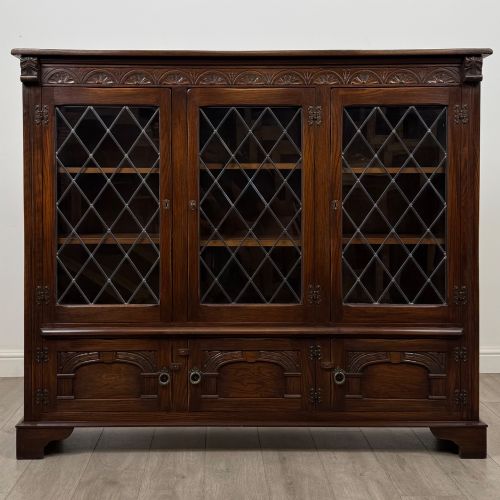
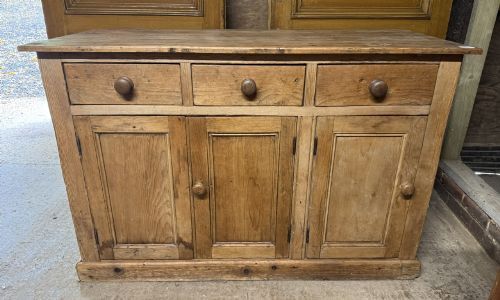
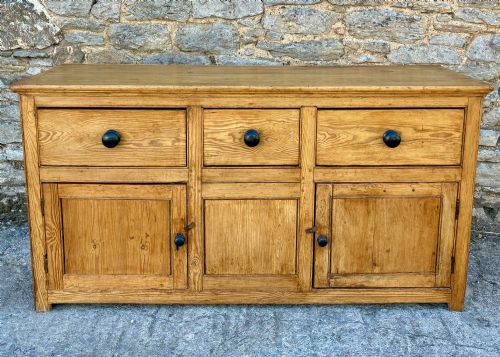
A three door cabinet provides extended horizontal storage, taking the form of sideboards, bookcases, display cabinets, and wardrobes across the Victorian, Edwardian, and later periods.
Buyers encounter diverse regional interpretations, from English mahogany and oak pieces to French enfilades and burr walnut side cabinets.
How they were made
Cabinet makers utilised dense hardwoods such as mahogany, oak, and walnut, frequently applying burr walnut or satinwood veneers to prominent surfaces for visual depth.
Glazing bars, brass mounts, and carved detailing required meticulous hand joinery, ensuring the three doors hung true within their respective frames over decades of use.
Some pharmacy cabinets hide behind three unassuming doors, having once stored everything from leeches to liniment.
What varies in quality
Timber selection and grain matching across the three doors dictate visual harmony, distinguishing standard production from exceptional workshops.
The crispness of hand-carved ornamentation and the weight of internal fittings, such as adjustable shelving and brass hardware, indicate the original cost and ambition of the piece.
Edwards & Roberts·Lebus·Waring & Gillow·Holland & Sons
The Three Door Cabinet Glossary
- Breakfront
- A cabinet design where the central section projects forward from the two flanking wings. This configuration creates architectural depth and shadow on long pieces.
- Enfilade
- A long sideboard or cabinet designed to stand against a wall, commonly found in French provincial dining rooms. These pieces often feature three or more doors accessing generous storage.
- Compactum
- A multi-functional wardrobe or cabinet combining hanging space, drawers, and shelving within a single unified structure. They maximise internal capacity efficiently.
- Ormolu
- Gilded bronze mounts applied to furniture for decorative enrichment, particularly prominent on high-status Victorian and continental pieces.
Three Door Cabinet: Frequently Asked Questions
Where should I place a three door cabinet?
These wide pieces suit principal reception rooms, dining rooms, or long hallways where their extended frontage can be appreciated without crowding the floor plan.
Ensure adequate clearance in front of the cabinet so that all three doors can swing open fully without obstruction from other furniture.
How do I care for wood finishes?
Maintain timber surfaces by dusting with a dry cloth and applying natural beeswax periodically to nourish the grain, particularly on older polished hardwoods.
Keep cabinets away from direct heat sources and strong sunlight to prevent the timber and delicate veneers from drying out or fading.
Can I adjust the internal shelves?
Many period bookcases and display cabinets feature adjustable wooden shelves supported on traditional wooden racks or metal pins.
Carefully lift each shelf to alter the internal configuration according to your books or display items.
How do I distinguish Victorian from Edwardian cabinets?
Victorian examples tend to utilise heavier timbers like mahogany and walnut with darker finishes, deep carved details, and formal proportions.
Edwardian pieces often display lighter golden oak or satinwood, sometimes reflecting revival styles with a brighter, airier finish.