



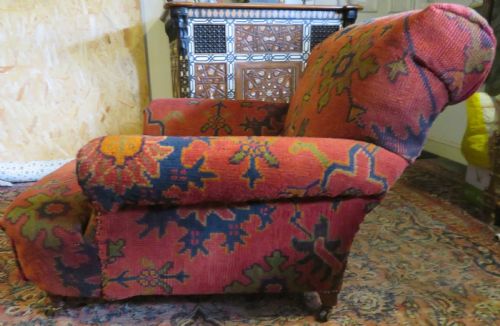


Terracotta Ushak Carpet
A terracotta ushak carpet brings warmth and grounded pattern to a room, woven in Anatolia with characteristic faded terracotta tones.
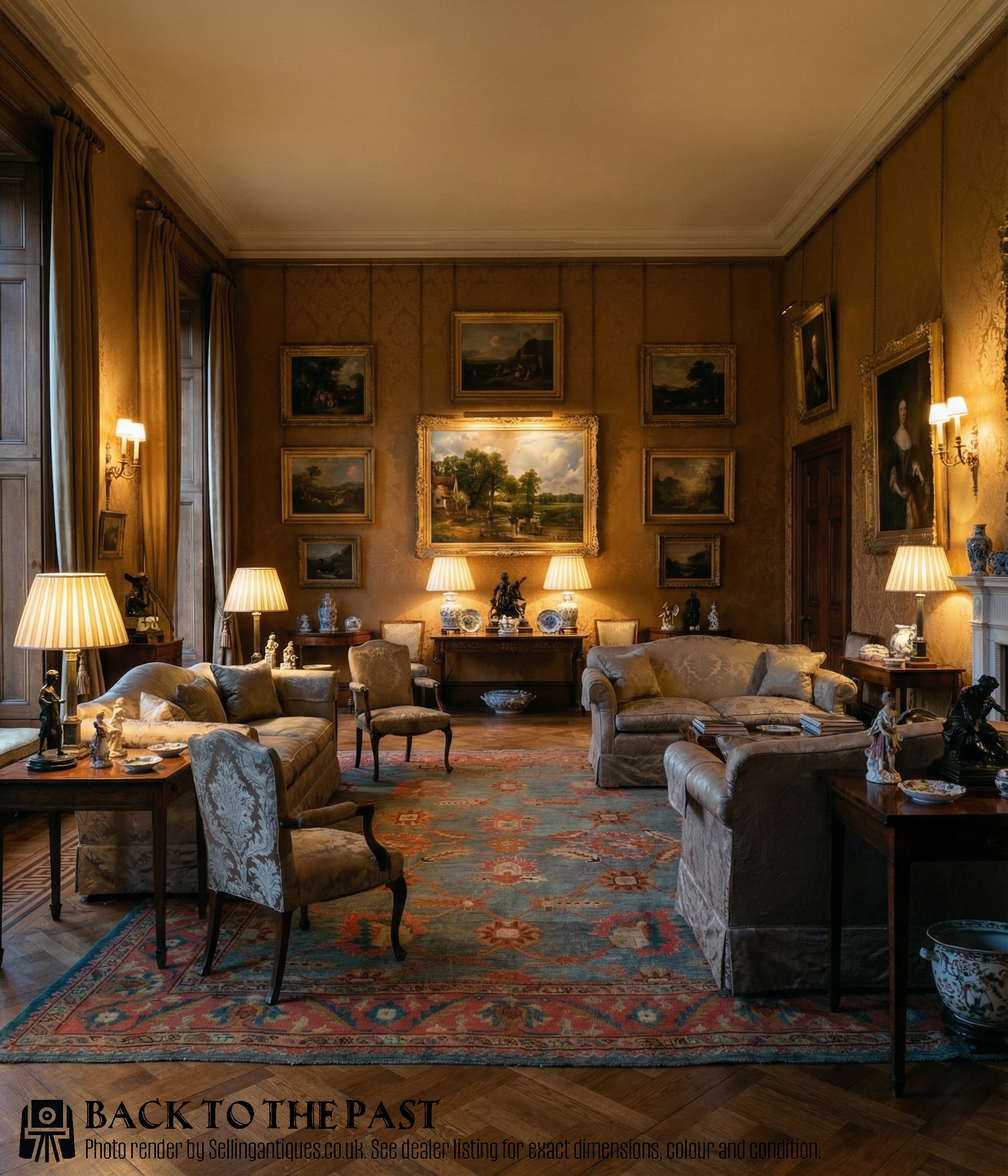
Terracotta Ushak Carpet
When you search for a terracotta ushak carpet, you are looking at large rugs and runners originating from Turkey during the Ottoman period, mostly dating from the late nineteenth century up to the nineteen-twenties. These floor coverings are defined by their generous proportions and distinctive palette, often appearing as oversized carpets, smaller rugs, or paired runners.
The pieces you meet most often on this page date from the eighteen-eighties to nineteen-twenty and span styles described as Ottoman, Anatolian, or Turkish Oushak. Alongside traditional carpets, the selection includes related formats like armchairs upholstered in Ushak Turkey carpet materials.
Originating from the town of Ushak, these carpets carry traditional motifs rooted in Anatolian weaving traditions. They serve as substantial anchor points for traditional and contemporary interiors alike.
What varies in quality
The distinction between standard examples and the finest carpets lies in the density of the weave and the subtlety of the colour fading. Superior pieces display a harmonious balance of botanical or geometric motifs across expansive fields.
Scale and proportion also dictate quality, particularly among oversized carpets and matched pairs of runners where symmetry and uniform wear across the expanse matter greatly.
Listings span the nineteenth century and the nineteen-twenties, incorporating wool, cotton, and angora wool across Ottoman and Victorian styles.
Howard And Sons·Maples
The Terracotta Ushak Carpet Glossary
- Ushak
- A traditional style of carpet originating from the town of Ushak in western Turkey, known for large-scale floral and medallion designs. These rugs often feature a softer palette than other Persian or Anatolian counterparts.
- Angora wool
- A fine, soft fibre utilised in select carpets to yield a lustrous pile and a softer handle underfoot. It adds a subtle sheen to the aged terracotta tones.
- Runner
- A long, narrow carpet format designed for hallways, stairs, or corridors. Ushak runners frequently appear in matched pairs from the early twentieth century.
- Ottoman
- Pertaining to the historic empire encompassing Anatolia where these traditional weaving practices flourished. The style reflects courtly and regional design influences.
Terracotta Ushak Carpet: Frequently Asked Questions
How do I clean an old Ushak carpet?
Regular gentle vacuuming without a rotating brush helps remove embedded dust from the wool pile. Professional specialist cleaning is essential for addressing deeper soil and maintaining the integrity of natural dyes.
Avoid harsh chemical treatments or excessive water immersion, which can damage the cotton foundation and alter the terracotta hues.
Are these carpets suitable for heavy foot traffic?
Nineteenth-century and early twentieth-century wool carpets possess a robust construction suited to everyday use in living spaces and halls. The dense pile absorbs friction well when placed over a quality underlay.
Placing them in moderate traffic areas preserves the aged pile while allowing you to enjoy the traditional patterns daily.
How do I date an antique Ushak?
Dating relies on examining the structural materials, dye characteristics, and stylistic execution of the motifs. Nineteenth-century examples often display handspun wool and natural vegetable dyes with characteristic soft patination.
Later pieces from the early twentieth century may show slight shifts in palette and standardisation of cotton foundations.
Will the terracotta colour clash with modern furniture?
The vegetable dyes used in these Turkish carpets result in muted, earthy terracotta tones that blend naturally with contemporary woods and neutral fabrics. The faded appearance softens the visual impact in minimalist rooms.
This understated warmth allows the carpet to anchor modern seating arrangements without overpowering the space.