



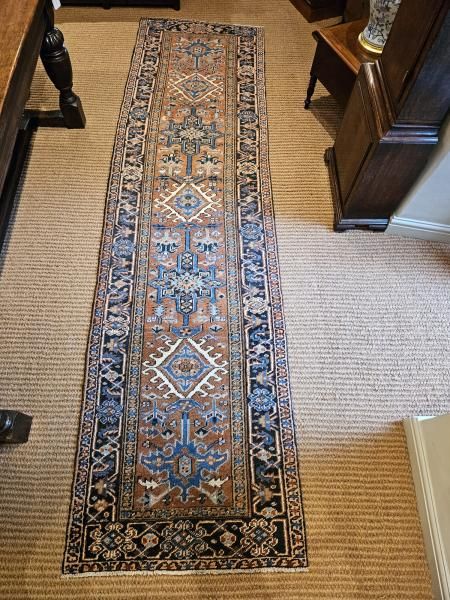
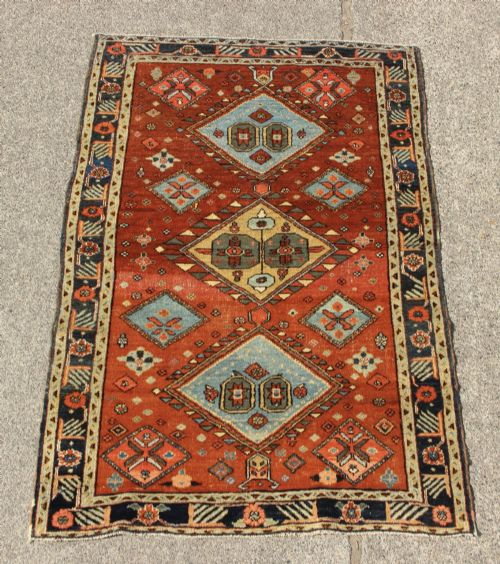
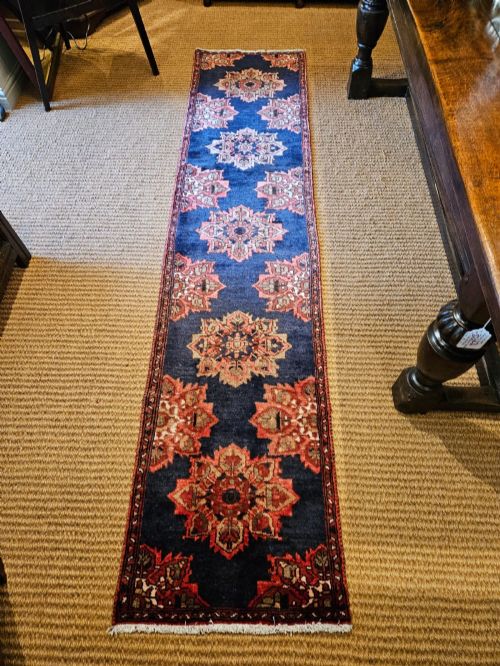
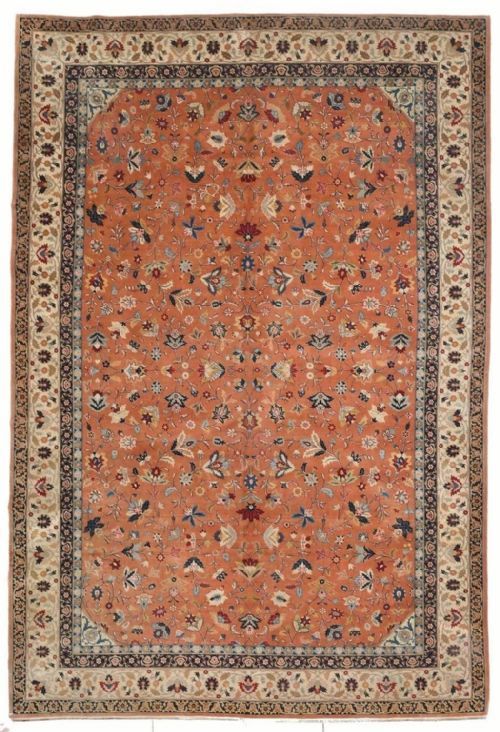
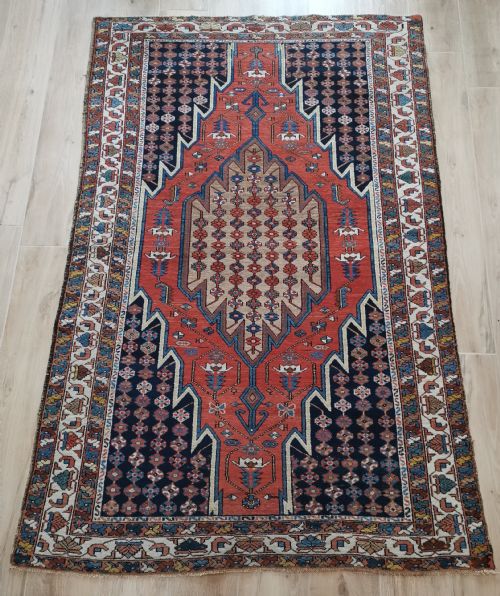
Terracotta Runner Rug
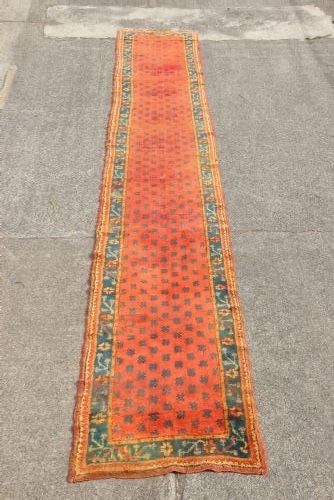
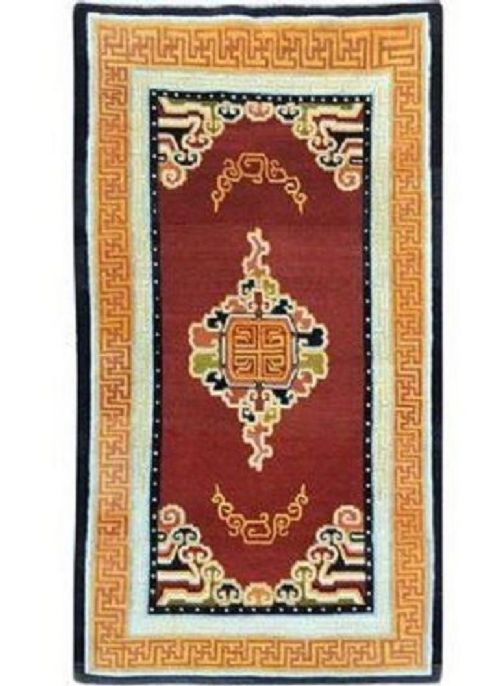
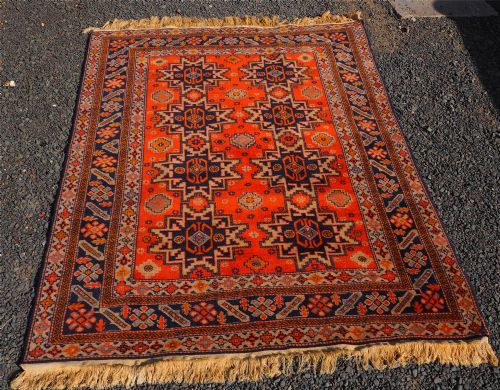
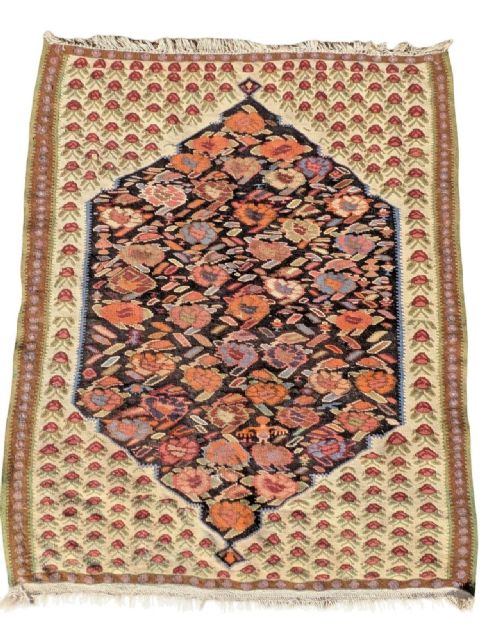
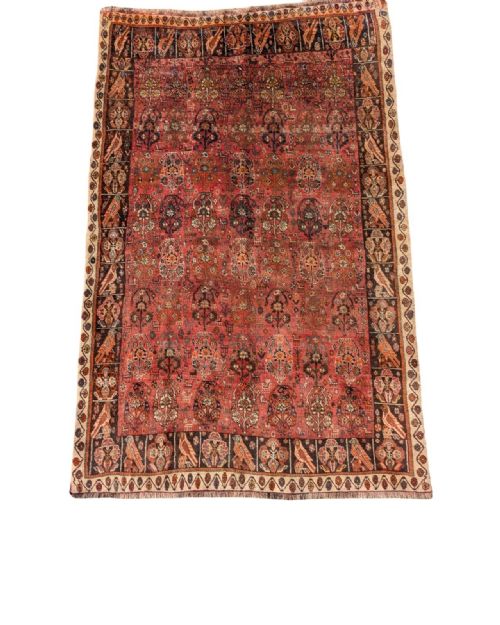
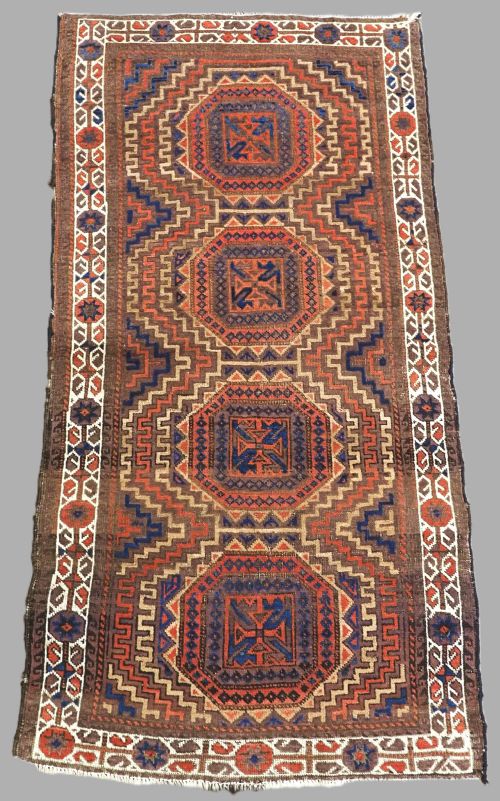
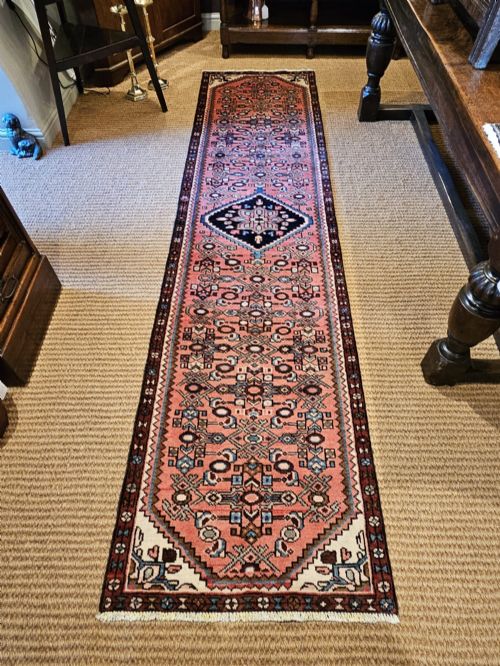
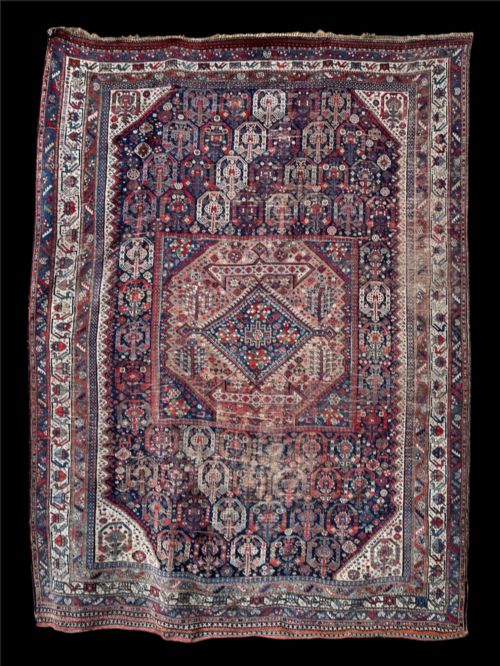
These terracotta runner rug examples bring warmth and historical depth to narrow spaces, offering durable woven character for hallways and corridors.
Terracotta Runner Rug
A terracotta runner rug brings a warm, earthy palette to long, narrow spaces like corridors and hallways, utilising traditional weaving traditions from Persian, Turkish, and Caucasian regions. You encounter pieces spanning from the late nineteenth century through to the 1930s, reflecting centuries of regional design motifs.
The format primarily manifests as long, narrow formats designed for high-traffic domestic thoroughfares, often originating from tribal workshops or village weavers. These floor coverings bridge utility and decorative expression, presenting geometric patterns and botanical motifs shaped by local heritage.
Materials and construction methods
Makers utilised natural materials including wool, cotton, silk, and camel hair, providing both structural integrity and a soft underfoot texture. Natural dyes supplied the characteristic deep reds and earthy terracotta hues that define the visual weight of each piece.
Manual hand-knotting techniques governed the creation of these textiles, anchoring the pile firmly to a foundational warp and weft grid. This labour-intensive method ensured that village and tribal pieces could endure decades of domestic use.
Several antique runners preserve charming wool irregularities where village weavers clearly ran out of their preferred dye batch mid-row.
Distinguishing quality across examples
Knot density and structural tightness dictate the resilience of the weave, separating robust daily-use floor coverings from finer decorative textiles. Higher knot counts permit crisper geometric definition and more intricate detailing in medallion or all-over field patterns.
The purity and depth of natural dyes determine the visual longevity of the colour palette, as superior plant-based colourants age gracefully. The fineness of the spun wool and the integrity of the original selvedges and ends also establish the overall calibre of a woven piece.
The Terracotta Runner Rug Glossary
- Runner
- A long, narrow carpet format traditionally utilised in corridors, staircases, and narrow hallways. It directs pedestrian movement through a domestic interior.
- Pile
- The upright or knotted surface of a carpet formed by the cut ends of yarn. Its thickness provides cushioning and warmth underfoot.
- Warp
- The vertical foundation threads stretched lengthwise on a loom before weaving begins. Weft threads are passed horizontally through these structural cords.
- Weft
- The horizontal threads interlaced across the warp yarns to secure the knots in place. Together with the warp, they form the sturdy foundation grid.
- Natural Dyes
- Colourants derived from plants, insects, and minerals rather than synthetic compounds. They yield rich, complex tones that mellow harmoniously over time.
Terracotta Runner Rug: Frequently Asked Questions
Where should I place a runner rug?
These narrow floor coverings suit high-traffic thoroughfares such as hallways, corridors, and entrance passages where extra warmth and protection are required.
They also function effectively alongside kitchen islands or beside beds, adding grounding colour and texture to otherwise confined spaces.
How do I care for an antique rug?
Regular gentle suction vacuuming without a rotating brush roll prevents dust accumulation within the pile fibres. Professional specialist cleaning remains essential every few years to protect the integrity of wool and natural dyes.
Rotating the piece periodically ensures even exposure to foot traffic and sunlight, preserving a balanced appearance across the surface.
How do I determine the age of a runner?
Examining the dye palette, structural construction, and regional design motifs helps place a textile within a specific historical window. Irregularities in hand-spinning and natural colour variation often point towards traditional village or tribal production.
Comparing structural knotting styles with known nineteenth and early twentieth-century workshop signatures further clarifies the likely period of origin.