





Rustic Oriental Rug
A rustic oriental rug brings earthy texture and geometric weight to a room through tribal weaves originating in Persia, Turkey and the Caucasus.
Rustic Oriental Rug
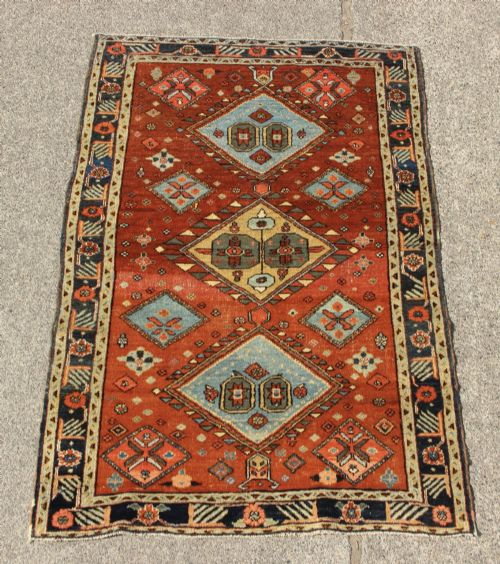
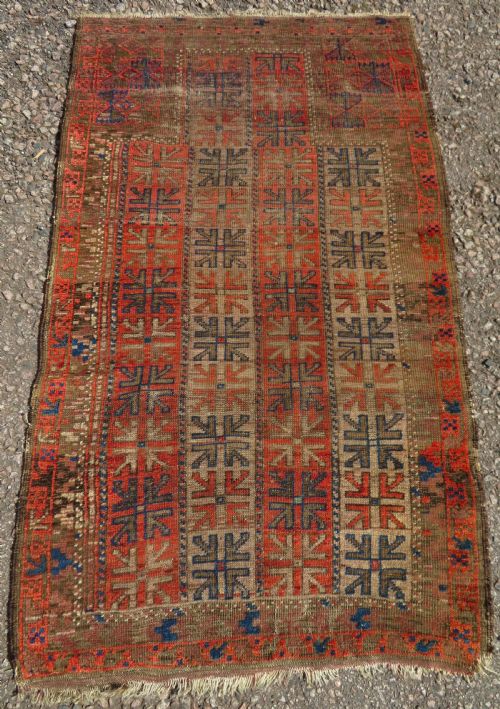
When you search for a rustic oriental rug, you encounter hand-woven carpets, runners, cushions and prayer mats originating from nomadic and village traditions. These pieces span the mid nineteenth century through to the early twentieth century, taking forms such as Heriz carpets, Baluch prayer rugs and Turkish village kilims.
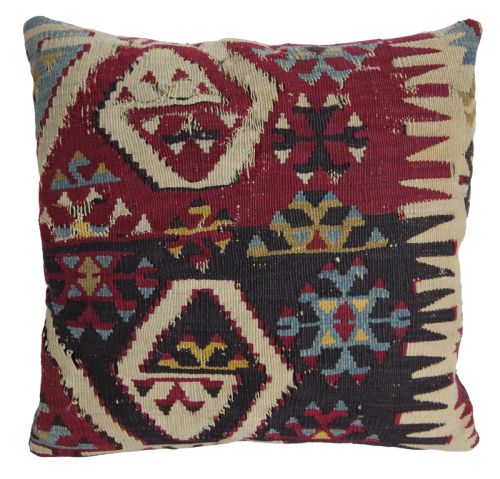
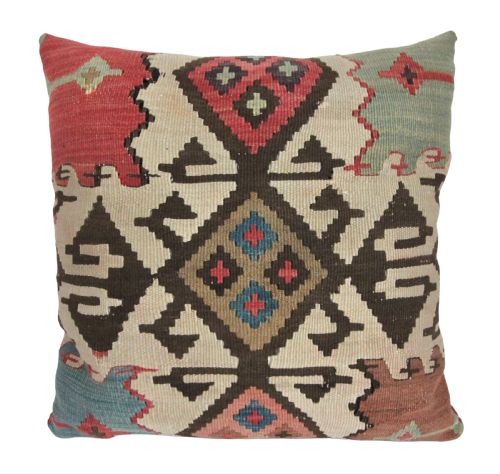
The most common formats on this page are room-sized carpets, long runners and smaller area rugs alongside converted bag face cushions. They emerge from workshops and tribal groups including the Quchan Kurds, Luri tribe and various Anatolian regions, displaying practical utility combined with regional design vocabulary.
How a rustic oriental rug was made
Weavers constructed these textiles using wool, hand-spun wool, camel wool and cotton. Cotton warp threads typically provided a stable structural foundation for denser pile carpets, while softer wool and hand-spun varieties created the textured surface pile.
Nomadic and village artisans relied on traditional hand-weaving techniques, knotting and flat-weaving methods specific to their tribes. Materials like camel wool introduced natural tonal variations into the pile without relying on chemical dyes.
Several nomadic weavers repurposed old transport bags into decorative cushions, giving ancient saddle storage a second life on modern sofas.
What varies in quality in a rustic oriental rug
The distinction between tiers rests upon the density of the weave and the crispness of the tribal geometry. Superior examples display tighter knotting and finer handling of materials, which preserves the structural integrity of the design over decades of use.
Colour variation and dye saturation also separate standard pieces from superior ones. Tonal depth achieved through natural wool variations and well-balanced palettes elevates the visual presence of tribal and village carpets.
The Rustic Oriental Rug Glossary
- Kilim
- A flat-woven carpet or rug produced without a pile. These textiles rely on tightly packed horizontal weft threads pulled closely over vertical warp threads.
- Warp
- The vertical threads stretched lengthwise on a loom that form the foundational skeleton of a rug. Cotton warp threads are typical in many Persian and Turkish carpets.
- Prayer Rug
- A small rug featuring a mihrab or niche design used historically for daily prayers. These directional rugs were produced extensively by Baluch and Anatolian weavers.
- Baluch
- A tribal designation for nomadic groups inhabiting the borderlands of Persia, Afghanistan and Baluchistan. Their rugs often utilise dark wools and camel hair alongside geometric motifs.
Rustic Oriental Rug: Frequently Asked Questions
How do I clean a rustic oriental rug?
Vacuum gently without using a beater bar to protect the old wool pile and cotton warp foundations.
Professional specialist cleaning remains necessary for addressing deep dust or staining without damaging natural fibres.
Are these rugs suitable for high traffic?
Many of these woven carpets and runners withstand everyday movement due to sturdy wool construction and dense village knotting.
Placing an appropriate underlay beneath the rug prevents slipping and reduces friction against hard flooring.
What is a Heriz carpet?
Heriz carpets originate from the Persian region known for durable room-sized floor coverings with bold geometric medallions.
These heavier carpets were built to last, often utilising a cotton foundation to support the thick wool pile.
How do I identify tribal rugs?
Tribal rugs show asymmetric geometric motifs, asymmetrical weaving habits and regional colour palettes unique to specific nomadic groups.
Examinations of the reverse side reveal the structural knotting style and the presence of hand-spun wool or camel hair.