


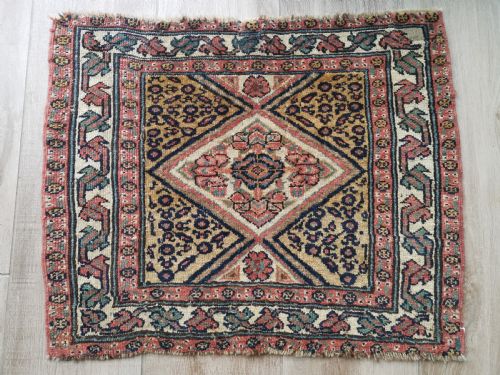
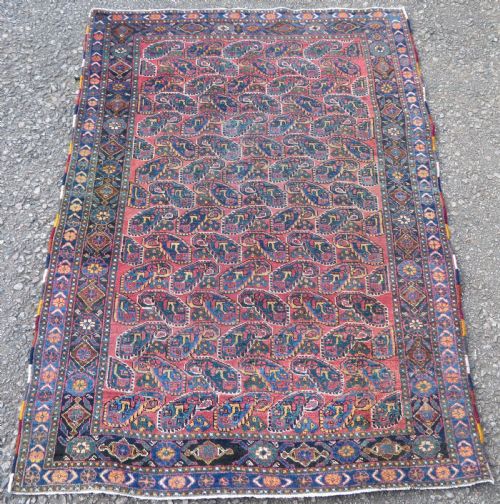
Terracotta Red Persian Rug
A terracotta red persian rug brings deep earthen tones and geometric vitality to a floor, rooted in centuries of weaving tradition.
Terracotta Red Persian Rug
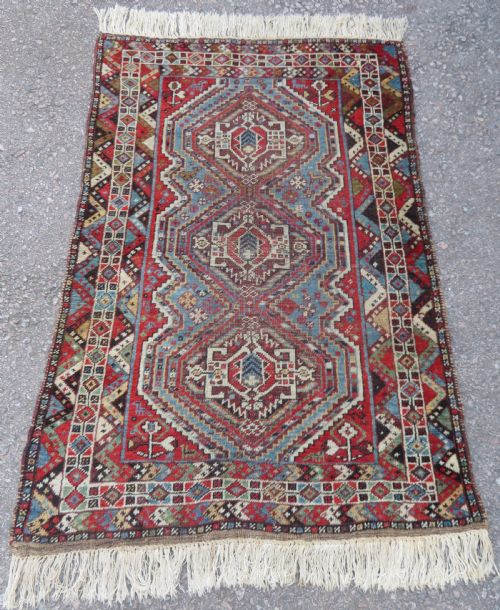
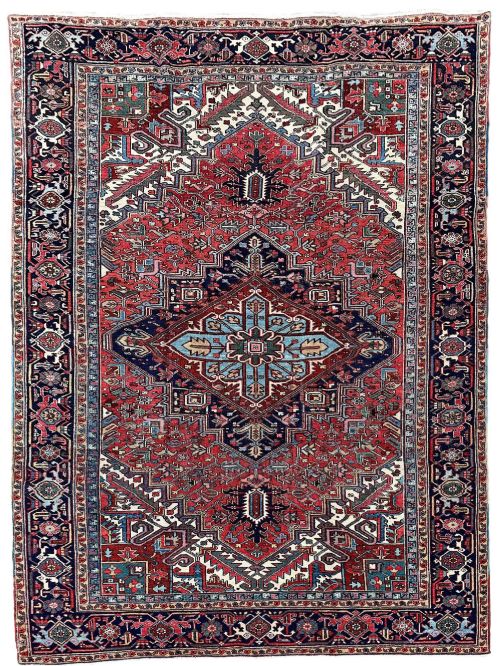
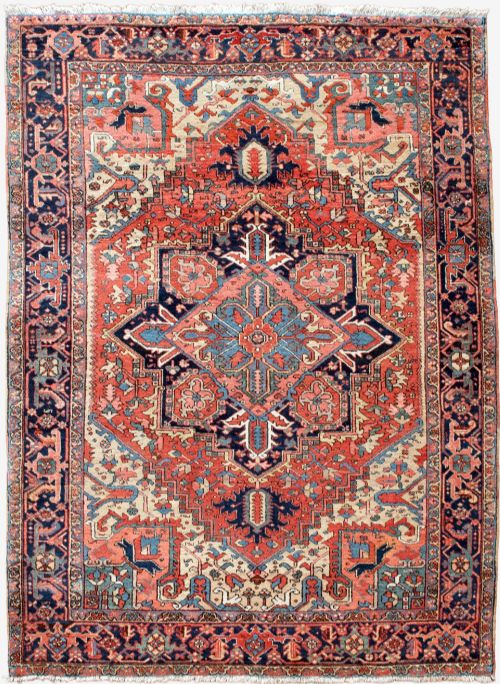
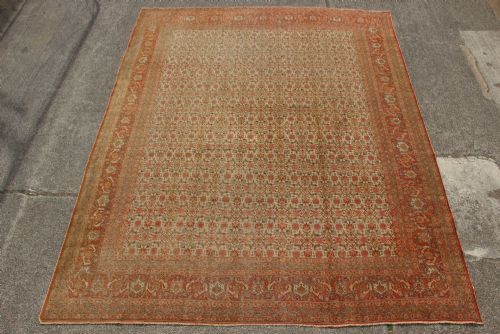
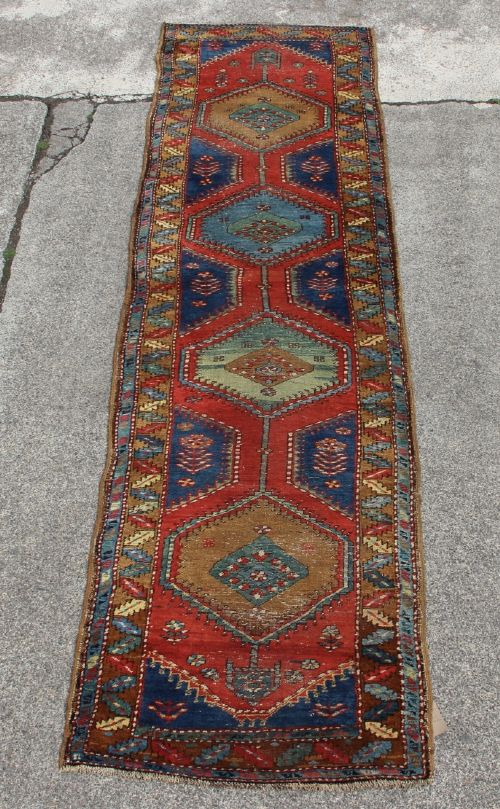
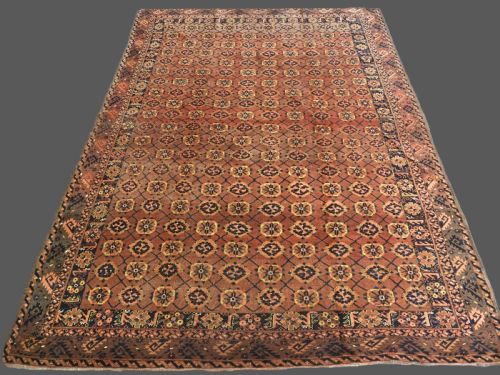
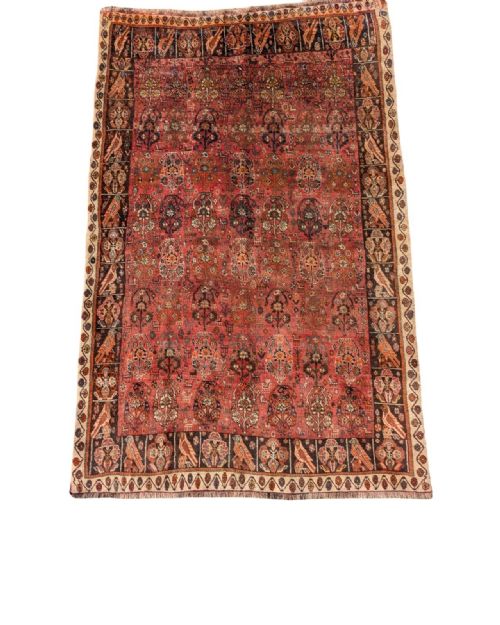
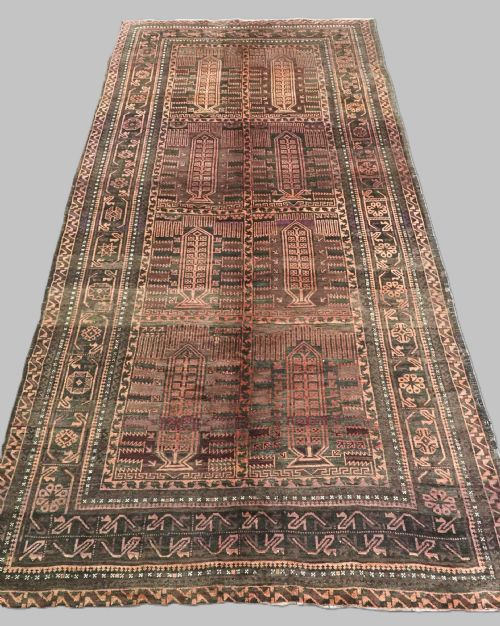
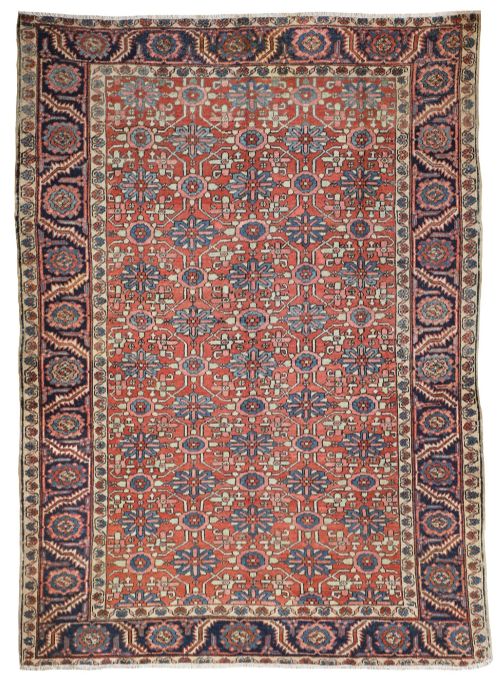
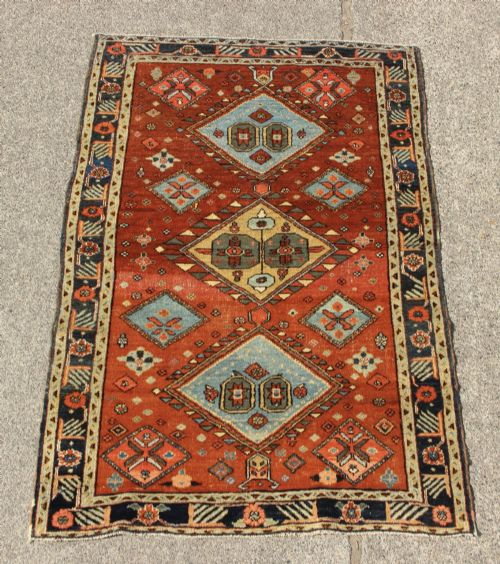
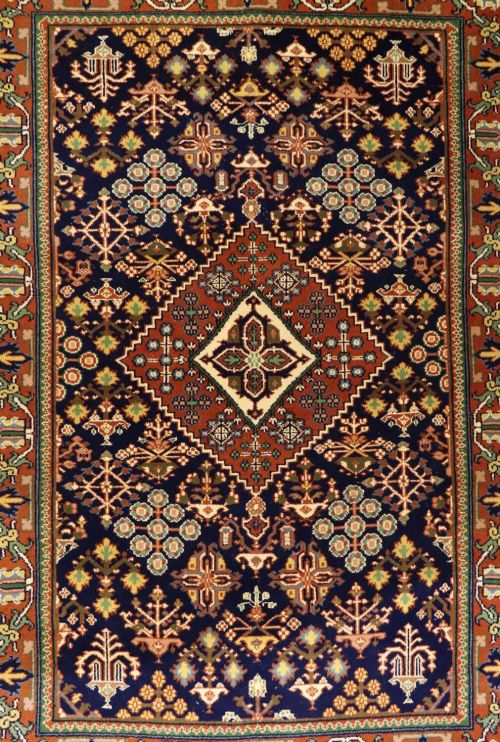
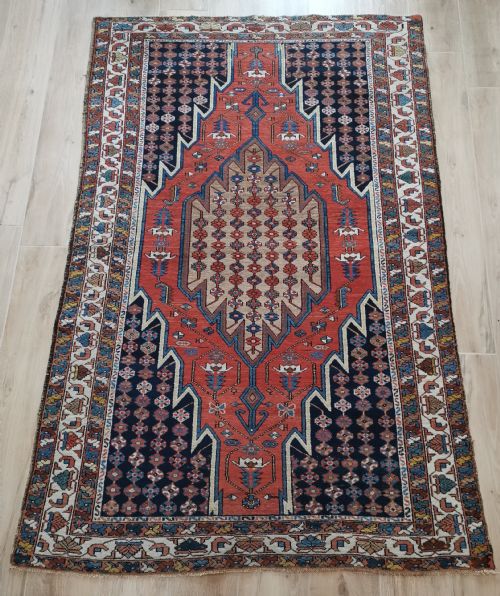
When you search for a terracotta red persian rug, you encounter hand-knotted village and tribal carpets originating from various regions of Iran, dating from the late nineteenth century to the early twentieth century. These textiles encompass distinct regional types such as Heriz, Bakshaish, Afshar, Baluch, and Qashqai, reflecting the specific weaving traditions of nomadic confederacies and mountain settlements.
The most common formats on this page are medium-sized area rugs and larger room-scale carpets displaying bold geometric medallions, all-over boteh motifs, or tribal field patterns. Runners and smaller formats such as bagfaces and chantehs also appear regularly, each showcasing the robust utility typical of Persian tribal weaving.
Materials and construction
These pieces are constructed with wool pile hand-knotted onto sturdy cotton foundations, though certain nomadic examples incorporate wool warps andwefts. The dense knotting provides the structural resilience required for floor placement, while hand-spun wool absorbs natural dyestuffs to yield rich terracotta and madder red hues.
Weavers utilised local materials and traditional upright looms to execute intricate geometric designs without pre-printed charts. The interplay of wool quality and knot density determines the crispness of the secondary motifs surrounding the central field.
Nomadic weavers occasionally wove tiny personal talismans directly into the borders to ward off the evil eye.
Evaluating quality and character
The distinction between tiers rests upon the handled quality of the wool, the saturation and variation of the natural dyes, and the precision of the tribal design execution. Superior examples display luminous abrash where the terracotta red shifts subtly across the field due to varying dye batches.
Structural integrity, including the completeness of original selvedges and ends, dictates the grade of a carpet. Pieces that retain their full outer borders and display balanced proportions command greater attention from collectors.
The Terracotta Red Persian Rug Glossary
- Abrash
- Natural tonal variation within a single colour field resulting from changes in dyebath batches or hand-spun yarn. This characteristic creates a shimmering visual depth across the rug surface.
- Medallion
- A central ornamental design motif placed in the middle of the rug field. It often takes a geometric or hexagonal form in Persian tribal weaving.
- Boteh
- A stylised floral or almond-shaped motif representing a cypress tree or flame. It appears frequently in repeating patterns across village carpets.
- Selvedge
- The bound edge running along the length of a carpet, protecting the structure from fraying. Original corded finishes indicate careful craftsmanship.
- Warp
- The vertical foundation threads stretched tightly on the loom before knotting begins. Cotton is the standard material found in these nineteenth and twentieth-century examples.
Terracotta Red Persian Rug: Frequently Asked Questions
How do I clean an antique rug?
Gentle vacuuming without a rotating brush roll removes surface grit safely. Professional specialist washing remains essential for deep cleaning.
Water immersion and harsh detergents damage wool fibres and alter natural dyes. Entrust maintenance only to conservators experienced in antique textiles.
Are these rugs suitable for heavy traffic?
Village and tribal carpets possess dense wool piles designed specifically for domestic wear. Proper underlays prevent sliding and absorb foot impact effectively.
Placing a quality felt pad underneath extends the usable lifespan significantly. Even antique pieces handle daily movement well when maintained.
What is a village carpet?
Village carpets are hand-knotted textiles produced by domestic weavers in rural settlements rather than urban workshops. They feature expressive geometric designs and local colour palettes.
These pieces reflect the independent aesthetic choices of specific tribes and regions. Their charm lies in minor irregularities that reveal the human hand.
How do I date an antique rug?
Stylistic evidence, structural materials, and dye palettes provide the primary clues for dating. Natural madder reds and primitive wool preparations typically point to nineteenth-century origins.
Early twentieth-century pieces often incorporate slightly modified structures or synthetic dye traces. Comparing border motifs with known regional examples clarifies the timeline.