



Terracotta Pottery Jar
These terracotta pottery jars span centuries of utilitarian and decorative craft, offering earthy tones and robust shapes for any room.

Terracotta Pottery Jar
A terracotta pottery jar represents a diverse lineage of fired clay vessels, ranging from large agricultural storage containers to intricate ancient burial pieces. Buyers seeking a terracotta pottery jar will encounter items originating from various cultural traditions, spanning domestic European kitchenware to ancient pre-Columbian artefacts.
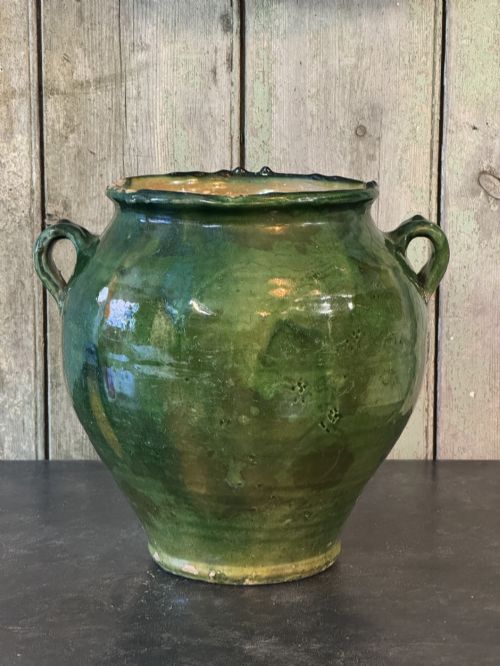
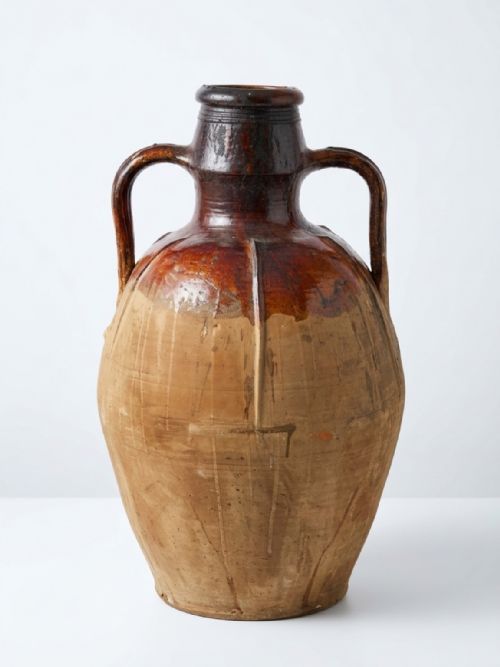
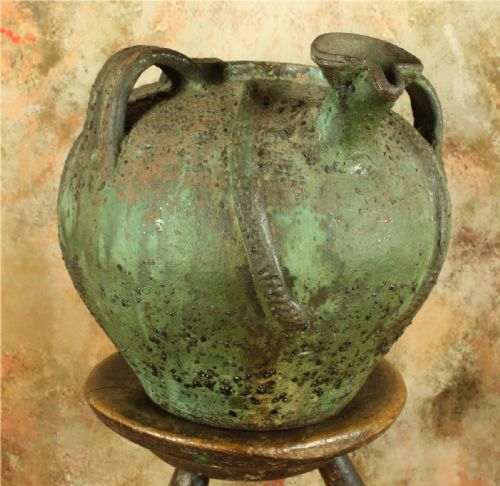
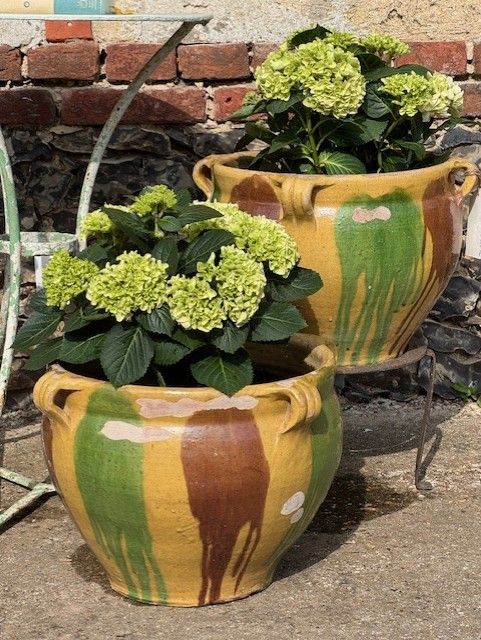
The most common examples on this page are French confit pots, olive jars, and Mediterranean amphorae dating from the eighteenth and nineteenth centuries. These domestic vessels provide a tangible link to historical food storage and rural European craft traditions.
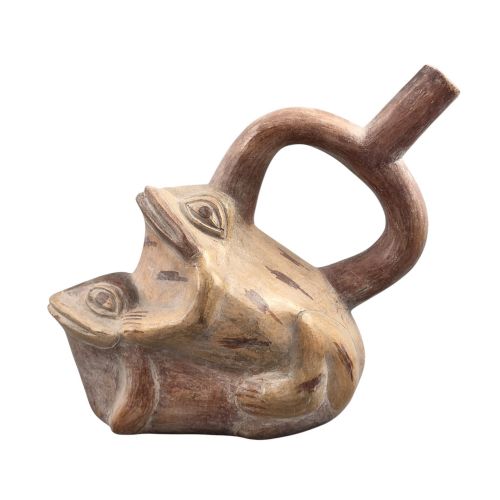
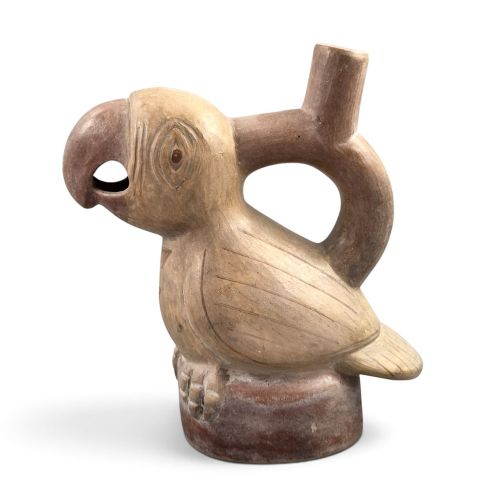
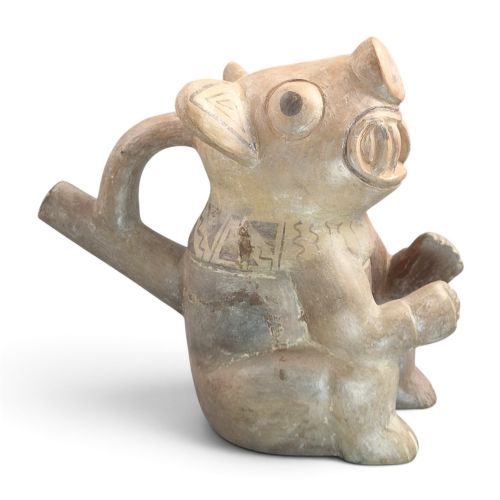
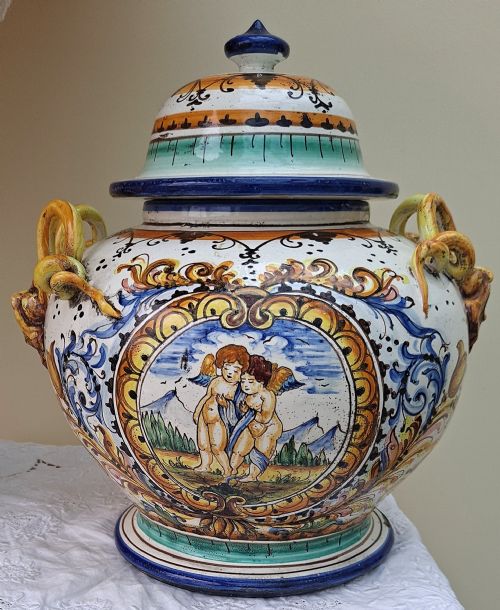
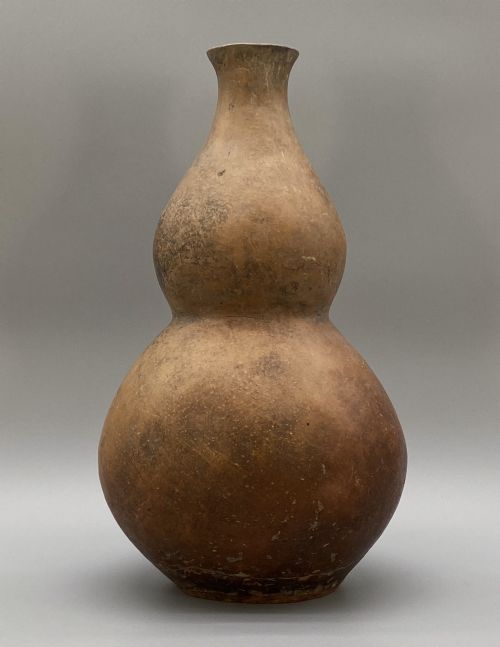
Beyond European utilitarian ware, the selection includes much older pre-Columbian zoomorphic and ornithomorphic vessels, alongside Asian ceramics and nineteenth-century Italian majolica. Each piece bears the distinct marks of its regional origin and period of manufacture.
How they were made
The foundation of every piece is worked clay, shaped by hand or on a potter's wheel before undergoing kiln firing. Many utilitarian items utilise regional earthenware bodies suited to holding oil, wine, or preserves.
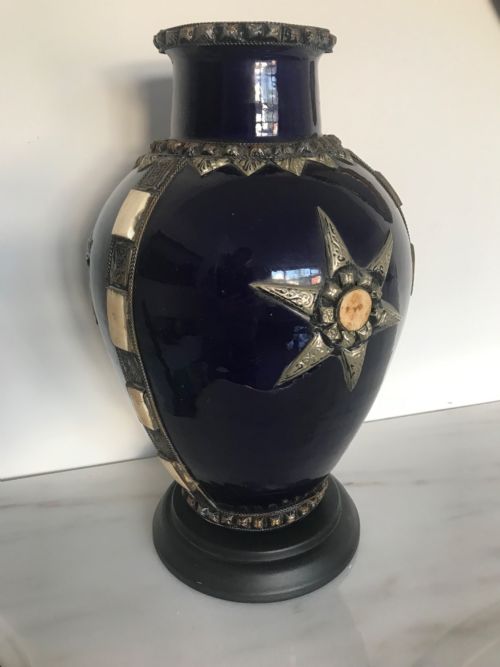
Surface treatments vary widely, featuring partial glazes such as dribble glazes, full green or blue lead glazes, enamel, and slipware decoration. Some pieces incorporate functional metal mounts, silver cabochons, or hand-painted details applied over the fired ceramic.
Certain ancient vessels take the form of mating frogs, proving that past potters enjoyed a touch of humour alongside their daily clay.
What varies in quality
Quality in these vessels lies in the integrity of the form, the richness of the glaze application, and the preservation of surface character. Pieces that retain their original handling wear, rich glaze pooling, and structural stability command greater attention from collectors.
The distinction between standard domestic utility ware and exceptional decorative pieces rests on regional rarity and artistic execution. While simple olive jars derive their appeal from rustic form, pieces featuring specialised forms like animal shapes or intricate painted enamel demonstrate higher artisan skill.
The Terracotta Pottery Jar Glossary
- Terracotta
- A porous, brownish-red fired earthenware clay used for sculptural and utilitarian ceramic objects. It remains unglazed or partially glazed depending on its intended domestic or decorative function.
- Confit pot
- A traditional French earthenware jar featuring handles, historically used for preserving and storing meats or oils. They typically display a glazed upper portion and an unglazed lower body.
- Amphora
- A two-handled ancient vessel with a narrow neck used for the transport and storage of oil or wine. Mediterranean examples often feature robust terracotta bodies suited for upright storage.
- Maiolica
- Tin-glazed Italian earthenware decorated with opaque white glazes and colourful painted motifs. This technique produces a smooth, reflective surface often seen on nineteenth-century revival vases.
- Slipware
- Pottery decorated with a liquid clay mixture applied before firing to create contrasting surface patterns. Dutch and English traditions frequently utilise this method for rustic garden and strawberry vessels.
Terracotta Pottery Jar: Frequently Asked Questions
How were confit pots used?
French confit pots were designed for preserving meat, such as duck or pork, submerged in its own fat within cool cellars.
Their partially glazed interiors prevented the porous terracotta from absorbing liquids while remaining breathable during long storage periods.
Are ancient terracotta vessels fragile?
Ancient terracotta pieces require careful handling due to centuries of natural material settling and historical wear.
Placing them away from high-traffic areas ensures these fragile ceramic bodies remain stable in a modern home.
Can I use antique olive jars outdoors?
Most large terracotta olive jars tolerate sheltered outdoor spaces, provided they are protected from freezing winter temperatures.
Freezing water trapped within the porous earthenware body can cause the historic clay to crack or spall.
How do I identify a confit pot's age?
Confit pot age is determined by evaluating the throwing marks, glaze characteristics, and wear patterns on the base.
Eighteenth and nineteenth-century examples typically show distinct manual wheel turning lines and irregular lead glaze pooling compared to later reproductions.