

Painted Pottery Vessel
These painted pottery vessel pieces range from ancient terracotta to refined porcelain and earthenware, offering centuries of diverse ceramic artistry for your collection.
Painted Pottery Vessel
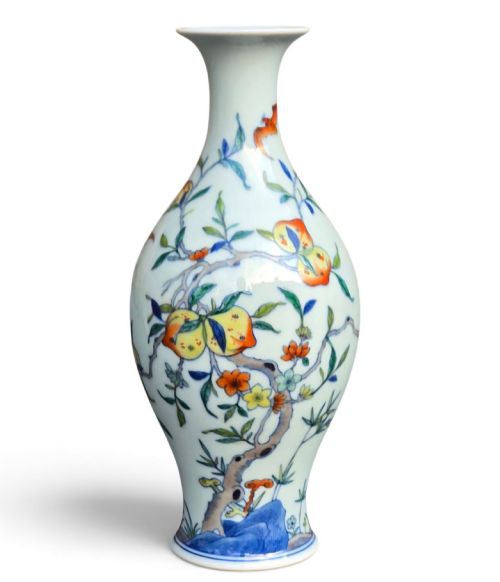
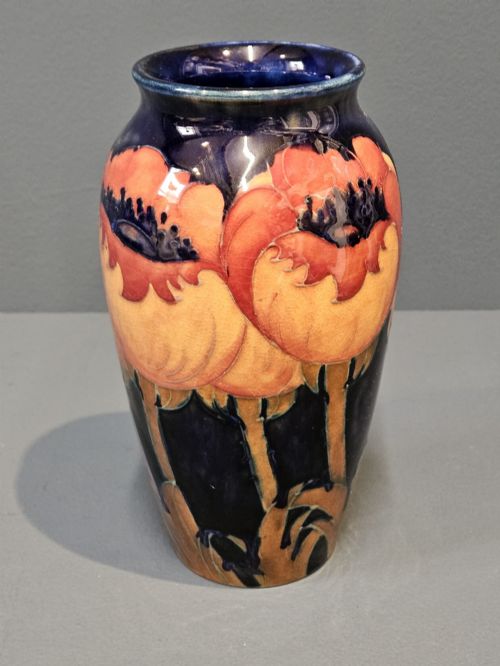
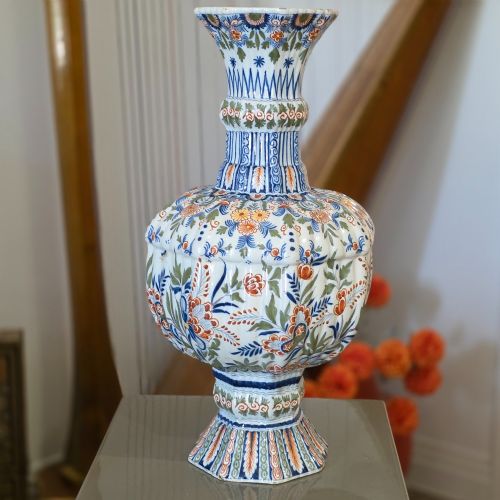
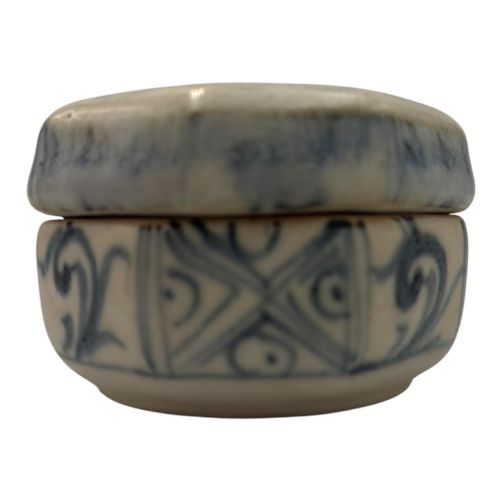
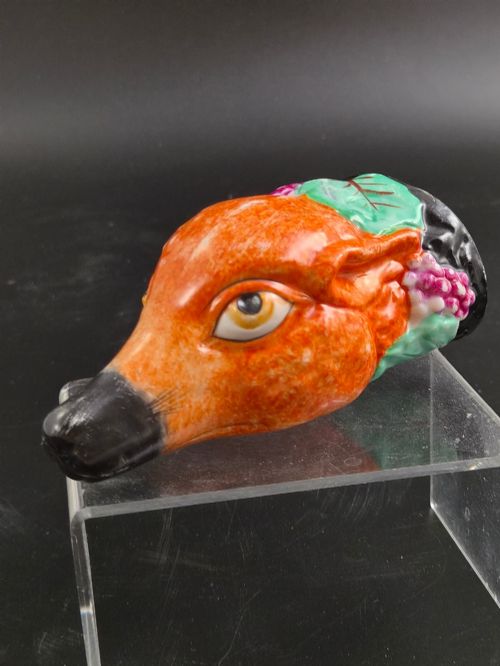
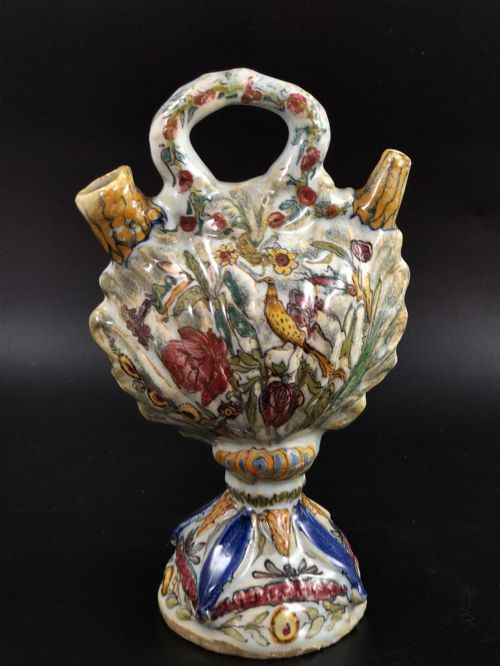
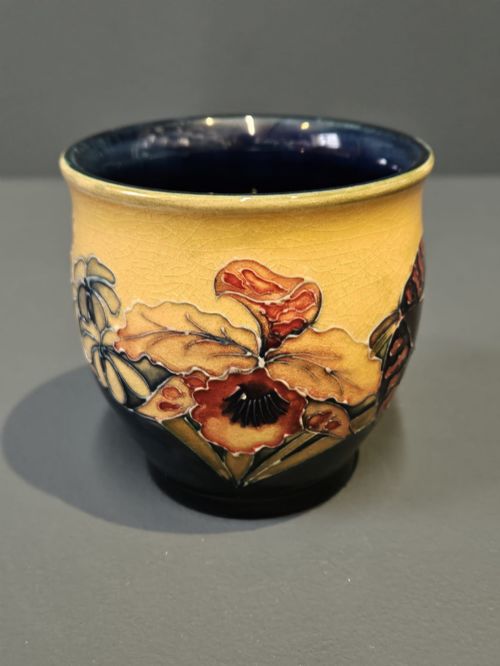
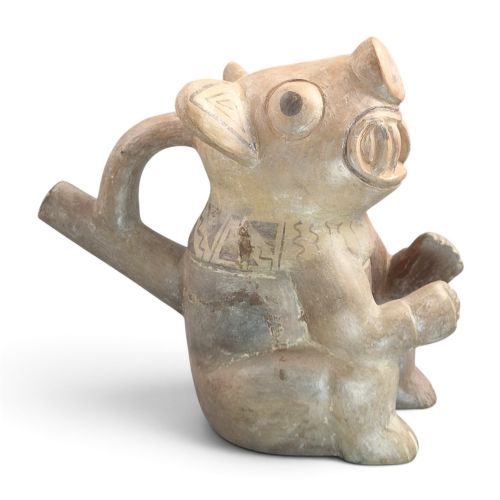
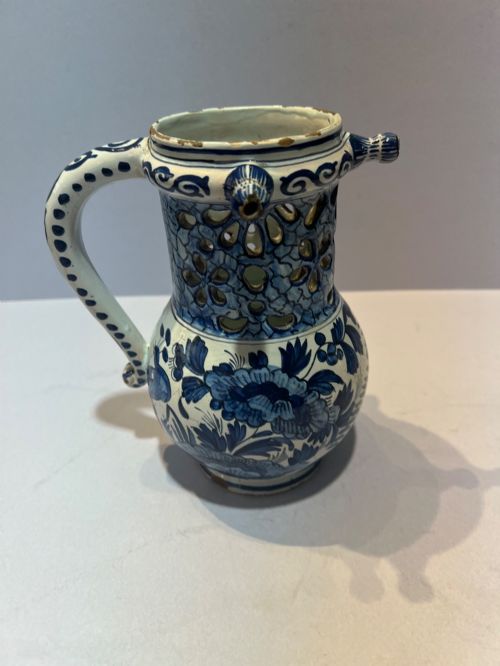
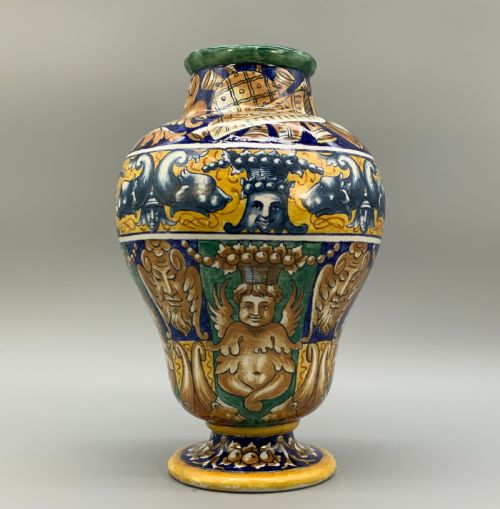
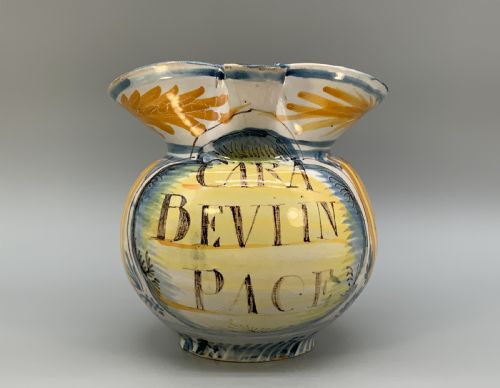
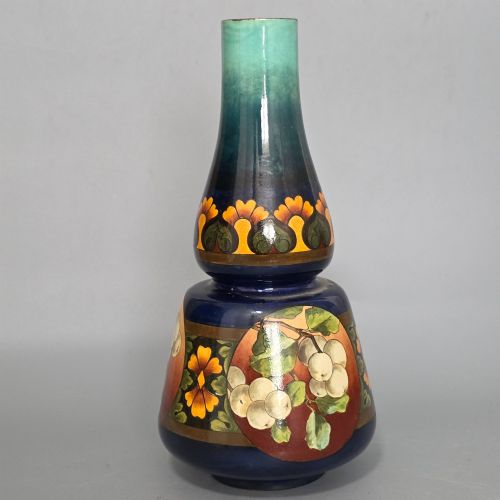
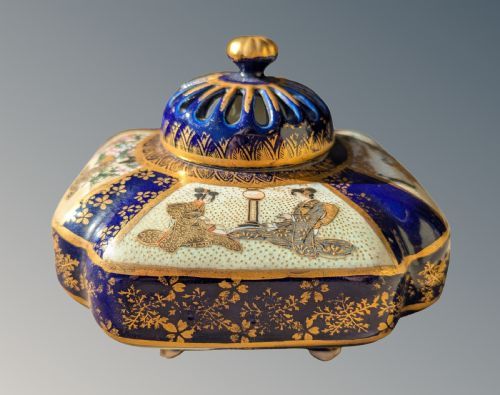
A painted pottery vessel encompasses a wide array of ceramic items, including vases, pharmacy jars, tea caddies, and incense burners created across various global traditions. When searching for a painted pottery vessel, you encounter forms ranging from Japanese Satsuma and Imari wares to European majolica, delftware, and British art pottery.
The selections span extensive historical periods, appearing in 18th-century Dutch delft, 19th-century Victorian creations, and early 20th-century art nouveau styles. Most pieces you meet on this page date from the nineteenth and early twentieth centuries, reflecting industrial expansions in pottery manufacture alongside traditional hand-painting techniques.
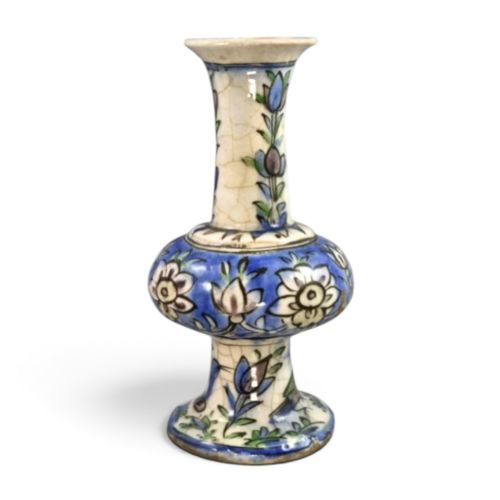
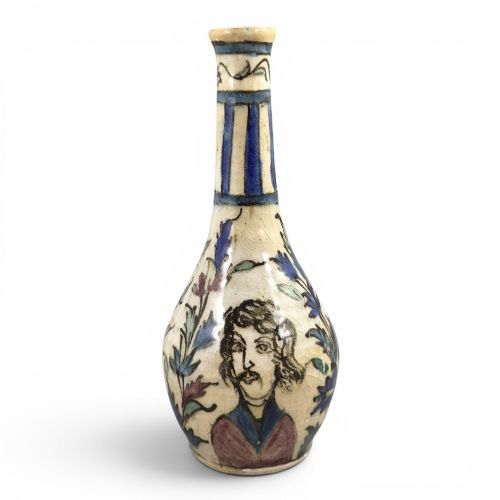
Regional origins shape these items significantly, bringing together European faience, Persian Qajar ceramics, and East Asian porcelain under one broad heading. Each painted pottery vessel carries the distinct aesthetic priorities of its maker and period, whether through geometric patterns, floral motifs, or figurative portraits.
Materials and techniques
Makers utilised earthenwares, stonewares, and porcelain as the foundational bodies for these creations, shaping them on the wheel or moulding them into specific forms. Tin glaze and standard ceramic glazes provided smooth surfaces that held pigments successfully during high-temperature firing processes.
Enamel, gold leaf, and hand-applied pigments decorated the surfaces, requiring skilled brushwork to execute detailed botanical scenes, heraldry, or portraits. Potters frequently employed underglaze blue or polychrome palettes to achieve vibrant visual effects before subjecting the vessel to final kilns.
Some nineteenth-century loving cups feature small ceramic frogs leaping inside, designed to surprise drinkers as the liquor drained.
Understanding quality
The precision of the hand-painted details separates ordinary production wares from exceptional studio and factory pieces. Artisans who controlled brushwork with absolute mastery produced sharper outlines and more nuanced colour shading across the surface.
The harmony between the ceramic body, the glaze thickness, and the applied decoration determines the overall success of the piece. Superior examples exhibit deliberate composition where the painted motifs complement the three-dimensional form without cluttering the silhouette.
Kizan·Kinkozan·Alice Euphemia Thatcher·Kozan·Eliza Simmance
The Painted Pottery Vessel Glossary
- Majolica
- A type of earthenware decorated with opaque tin glazes and colourful metallic oxide pigments. This technique gained prominence in Renaissance Italy and inspired later revivalist movements.
- Faience
- European tin-glazed pottery produced in imitation of Chinese porcelain or traditional earthenware styles. French and Dutch workshops developed distinct regional variations of this technique.
- Satsuma
- Japanese pottery characterised by a fine crackle-glaze earthenware body decorated with elaborate enamels and gilding. These pieces were heavily exported during the Meiji period.
- Albarello
- A cylindrical earthenware jar used by apothecaries to store dry drugs, ointments, or syrups. Originating in the Middle East, this form became common in Italian pharmacies.
- Intarsio
- A type of earthenware developed by Doulton Lambeth featuring intricate inlaid coloured clays and underglaze decoration. This technique produced rich, patterned surface designs.
Painted Pottery Vessel: Frequently Asked Questions
What is a painted pottery vessel used for?
These items served various practical and decorative functions throughout history, ranging from medicinal storage in pharmacy jars to tea containment in caddies and ritual use in incense burners.
Over time, many utilitarian forms transitioned into purely decorative display pieces meant to showcase the artistic skill of the potter and painter.
Where does Satsuma pottery originate?
Satsuma ware originated in Satsuma Province on the southern Japanese island of Kyushu during the Edo period. These pieces became immensely popular in the West following international trade exhibitions in the late nineteenth century.
Recognisable by their ivory-coloured, crackled glaze, they feature dense enamel painting and generous applications of gold leaf.
How should I display my ceramics?
Display your ceramics in stable environments away from direct sunlight and sudden temperature fluctuations that might stress the ceramic body or glaze. Ensure shelving is secure and appropriately sized to support the weight of larger earthenware and stoneware vessels.
Keep pieces away from high-traffic household areas to prevent accidental impacts against delicate handles, rims, or protruding decorative elements.