
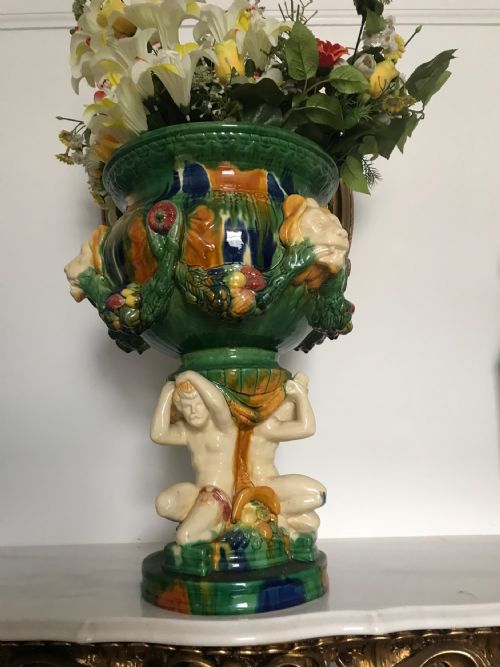


Earthenware Pedestal Urn
An earthenware pedestal urn brings classical presence into a room, offering a substantial vessel raised on its own fitted stand.
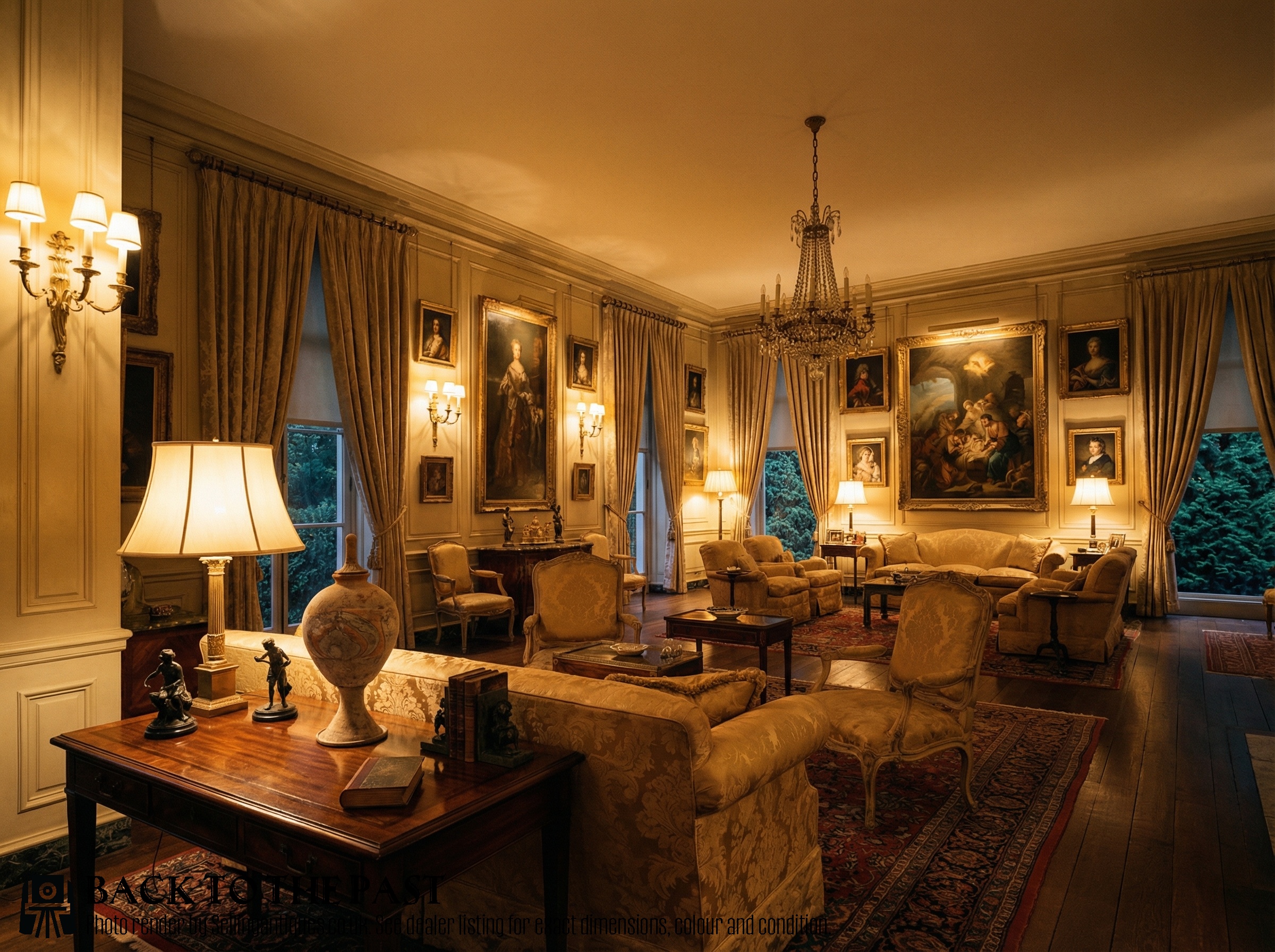
Earthenware Pedestal Urn
When you search for an earthenware pedestal urn, you enter a field defined by fired clay vessels elevated on matching bases or stands. These pieces function primarily as jardinieres, planters, and decorative vases designed to hold plants or stand alone as architectural focal points.
The selections span distinct historical periods from pre-sixteenth century Chinese pottery to nineteenth-century Victorian and Art Nouveau creations. European iterations frequently draw inspiration from the Italian Renaissance revival and Grand Tour aesthetics.
Formats vary from monumental garden planters with figural bases to glazed ceramic vases accompanied by separate stands. The earthenware body provides a robust canvas for rich surface decoration and coloured glazes.
How they were made
Potters shaped these vessels using earthenware and terracotta clays, often applying tin glazes, lead glazes, or metallic lustre to seal and decorate the porous body. Pigments were frequently worked into the surface to create pictorial and tonal depth before final firing.
Many examples incorporate complex moulding techniques to achieve high relief details, such as lions' heads, griffins, and figural supports. Separate stands and bases were thrown or moulded independently to bear the considerable weight of the main vessel.
Materials across these listings include terracotta, tin glaze, metallic lustre, and lead glaze.
What varies in quality
Quality rests in the ambition of the modelling and the crispness of relief elements like figural bases and animal heads. Superior examples show confident handling of glaze and pigment, whether through lustrous metallic sheens or detailed majolica painting.
The relationship between the urn and its pedestal dictates visual success, with finer pieces maintaining structural harmony and proportional balance between the vessel and its stand.
Clement Massier·Minton·Cantagalli·Julius Dressler
The Earthenware Pedestal Urn Glossary
- Earthenware
- Porous pottery fired at lower temperatures than stoneware or porcelain. It requires a glaze to become watertight.
- Majolica
- A type of earthenware decorated with opaque tin glazes and painted with coloured metal oxides. This technique produces vibrant, glossy surfaces.
- Jardiniere
- An ornamental pot or stand designed to hold plants or flowers. These items are frequently matched with a dedicated pedestal.
- Lustre glaze
- A metallic film applied to pottery to create an iridescent sheen. It reflects light with distinctive metallic colours.
- Terracotta
- Unglazed, brownish-red earthenware fired for sculpture and planters. The material changes tone depending on the clay source.
Earthenware Pedestal Urn: Frequently Asked Questions
What is an earthenware pedestal urn?
An earthenware pedestal urn is a ceramic vessel raised on a matching base or stand, used historically for plants or as a decorative architectural ornament.
These pieces combine functional pottery with sculptural support, often featuring elaborate glazes and moulded decoration.
How were these urns used?
They served primarily as indoor planters, jardinieres, or grand decorative vases for substantial rooms and halls.
Their elevated stature allowed large floral arrangements or potted plants to sit at eye level as focal points.
How do I care for an antique urn?
Keep these glazed and terracotta vessels indoors away from frost, which can crack porous earthenware bodies over time.
Use a dry cloth for dusting and avoid harsh chemical cleaners that might damage historical glazes or pigments.
How are different periods identified?
Stylistic clues such as Renaissance revival motifs, Victorian naturalism, or Art Nouveau curves help date individual pieces.
Glaze types, maker marks, and manufacturing techniques also provide clear indicators of age and origin.