



Terracotta Portrait Sculpture
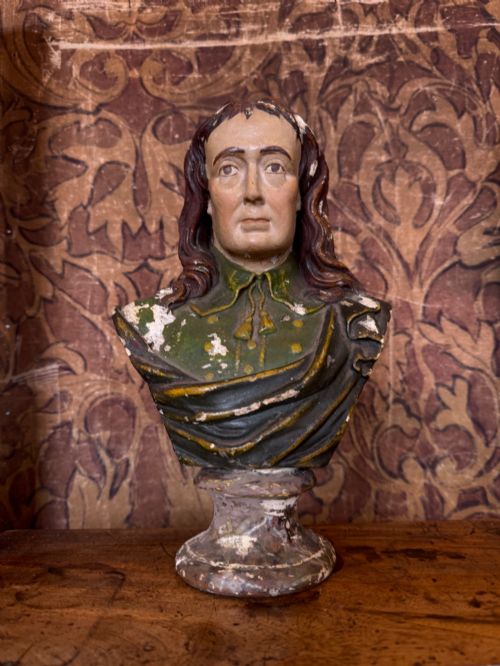
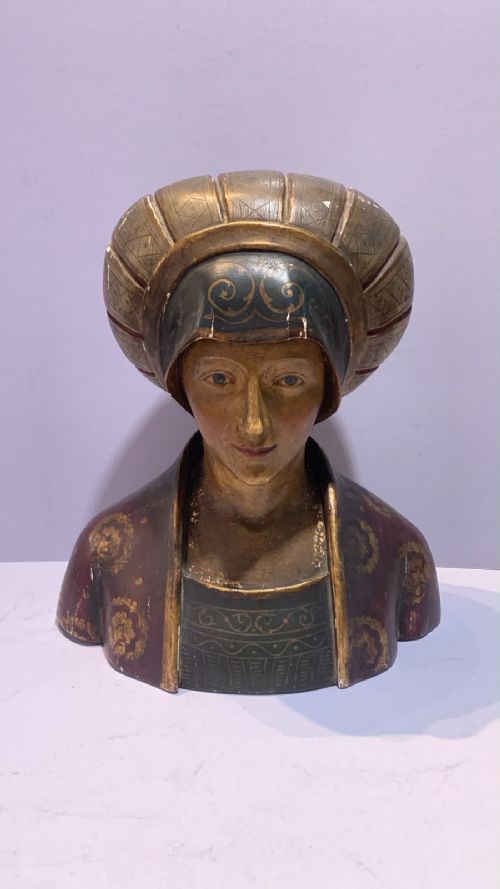
When you search for terracotta portrait sculpture, you meet modelled and fired clay likenesses of historical figures, nobles and classical deities.
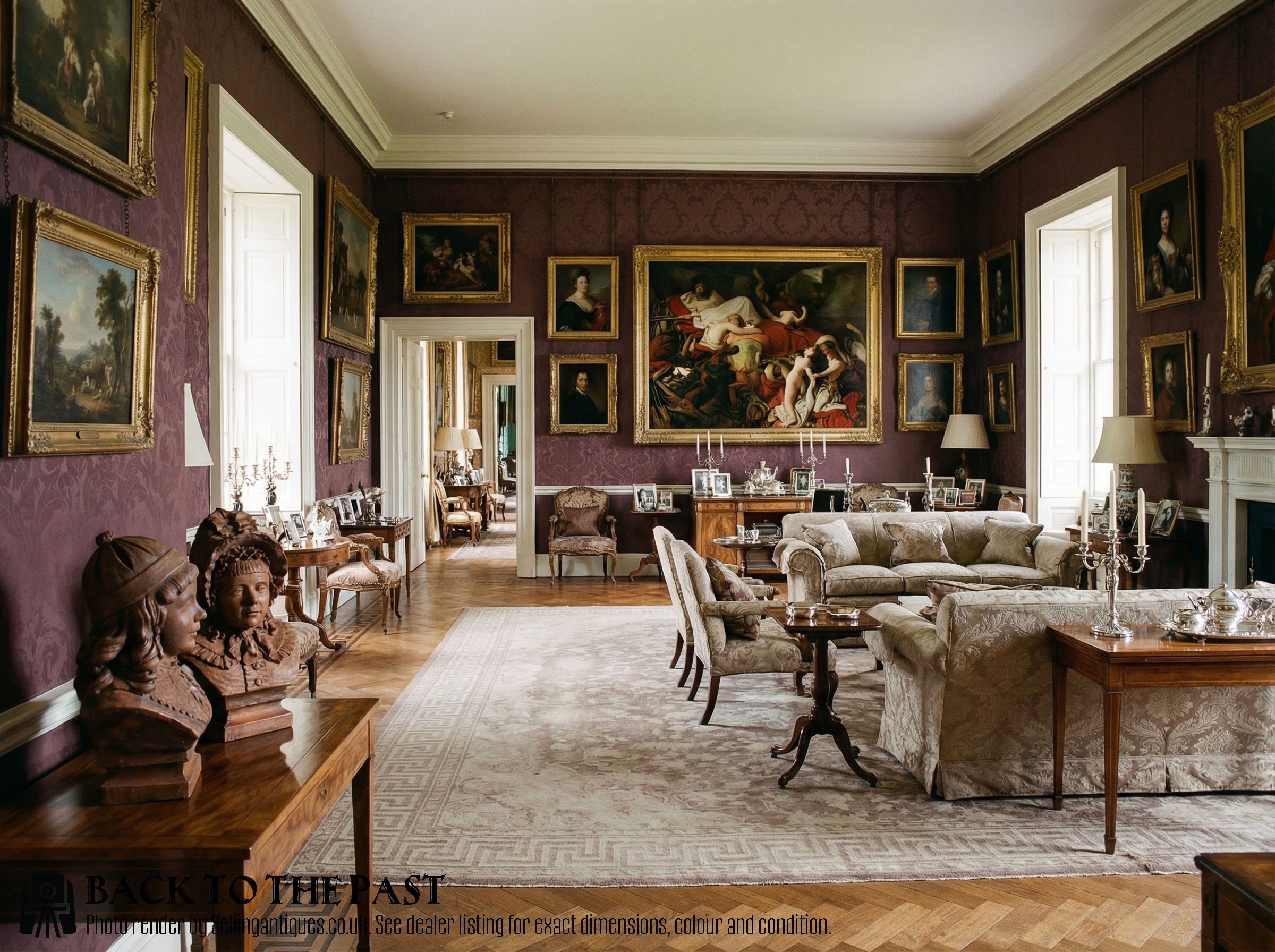
Terracotta Portrait Sculpture
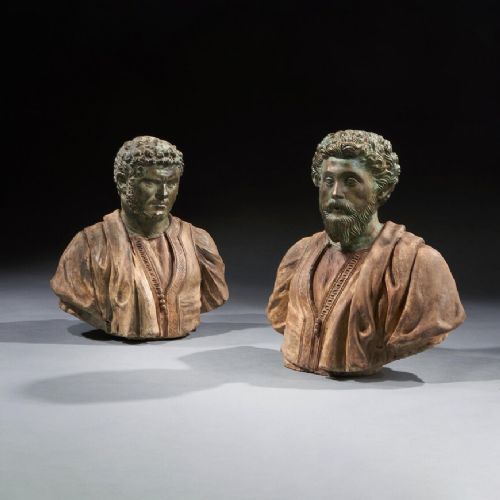
When you examine terracotta portrait sculpture on this page, you encounter pieces that range from late nineteenth-century Grand Tour items to twentieth-century French works. The selection includes individual portrait busts, pairs of Caesars, wall plaques, and figures modelled after the antique.
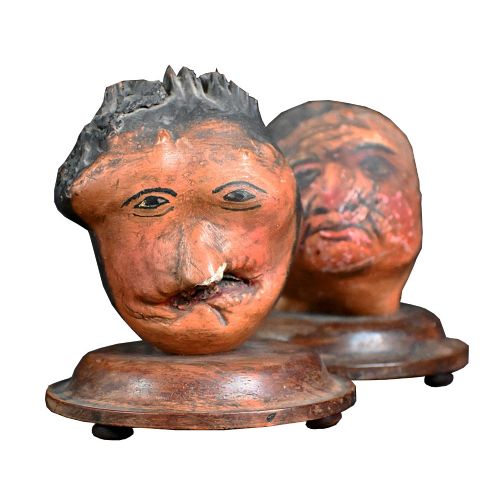
You are most likely to meet nineteenth-century and early twentieth-century examples rendered in clay, terracotta, and painted finishes. These objects capture subjects from Roman emperors and classical women to literary figures and folk art heads.
Materials and construction
The primary material is clay, fired to form terracotta, sometimes paired with plaster, gesso, or wood for mounts and supports. Makers applied paint, gilt, and polychrome finishes to the surfaces to enhance detail and simulate bronze or stone.
Techniques range from individual modelling by hand to studio casting and surface decoration with bronze effects. Some pieces incorporate glass paste or distinct makers' marks impressed into the clay before firing.
Listings feature terracotta, plaster, wood, and gilt materials across Neoclassical, Art Nouveau, and Art Deco styles.
Judging quality and character
The distinction also lies in the integrity of the material and the sophistication of the finish. A piece with well-preserved polychrome or gilt details commands attention through its material presence rather than mere size.
Ernst Wahliss·Georges Morin·Bohumil Rezl·HL Blasche for Reps & Trinte·A.Gory
The Terracotta Portrait Sculpture Glossary
- Terracotta
- Fired unglazed clay of a brownish-red colour, used extensively for sculptural works. It allows for fine detail and varied surface finishes.
- Polychrome
- Painted in several colours. This finish appears on surfaces to imitate life or enhance decorative appeal.
- Neoclassical
- A style reviving classical Roman and Greek motifs. It dominates many nineteenth-century representations of figures and deities.
- Gesso
- A plaster mix applied to surfaces as a base for painting or gilding. It provides a smooth ground for decorative detailing.
- Grand Tour
- A cultural journey undertaken by nineteenth-century travellers who acquired classical copies and portrait busts. These souvenirs form a distinct category of sculptural output.
Terracotta Portrait Sculpture: Frequently Asked Questions
How do I clean a terracotta portrait sculpture?
Dust the surface gently with a soft, dry brush to prevent dirt accumulation in the modelled crevices. Avoid using water or liquid cleaners, as fired clay and painted finishes react poorly to moisture.
Keep the piece away from direct sunlight and damp environments to protect any added polychrome, gilt, or gesso layers from flaking.
Are these sculptures made from solid clay?
Many larger portrait busts are hollow-formed to ensure even drying and firing in the kiln. Solid modelling appears more frequently in smaller heads, wall plaques, and folk art pieces.
Inspect the base or underside if visible to understand the construction method used by the workshop.
How do I identify a nineteenth-century piece?
Look for stylistic cues such as Neoclassical drapery, Grand Tour subject matter, or nineteenth-century signatures and foundry stamps. The patination of the terracotta and any underlying plaster or wood components also offer clues to the period.
Compare the modelling technique with documented works from known makers active during the 1800s.