



Terracotta Imari Porcelain
These terracotta imari porcelain pieces bring together rich Japanese, Chinese and English palettes for any room.
Terracotta Imari Porcelain
When you search for terracotta imari porcelain, you encounter a distinct cross-cultural design tradition spanning centuries of ceramic production. The selection focuses heavily on Japanese Imari and Chinese Export items alongside English interpretations from the Victorian and Georgian periods.
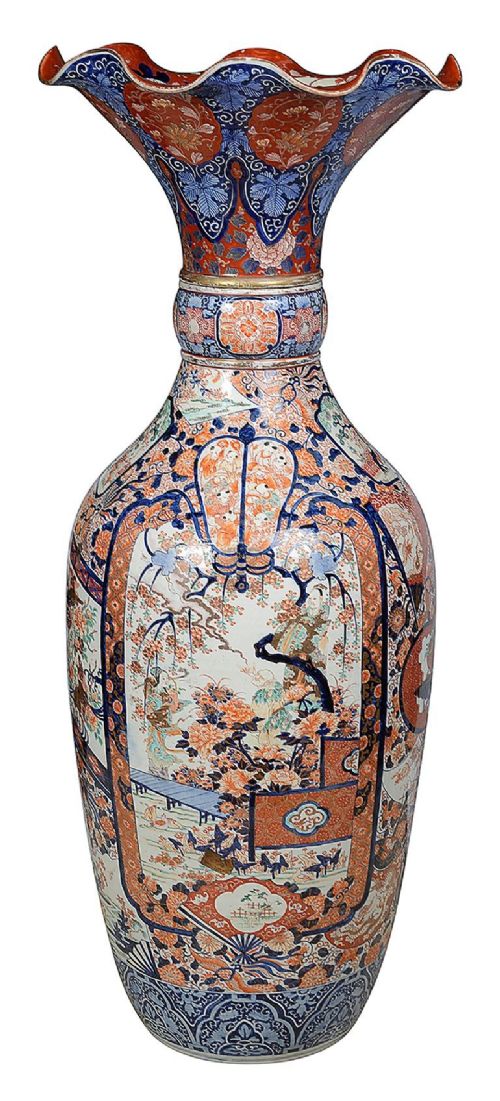
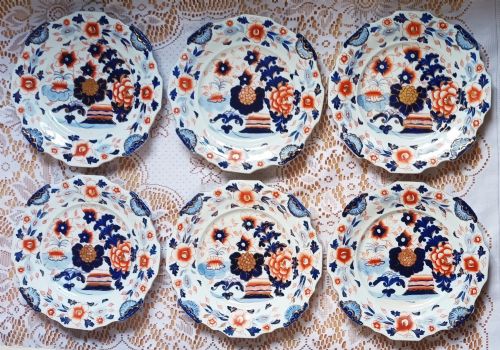
The forms range from decorative bowls, chargers and floor vases to full dinner services, tea sets and individual plates. Most examples date from the nineteenth century, though earlier eighteenth-century Japanese Edo period chargers and Chinese plates appear alongside later Victorian pieces.
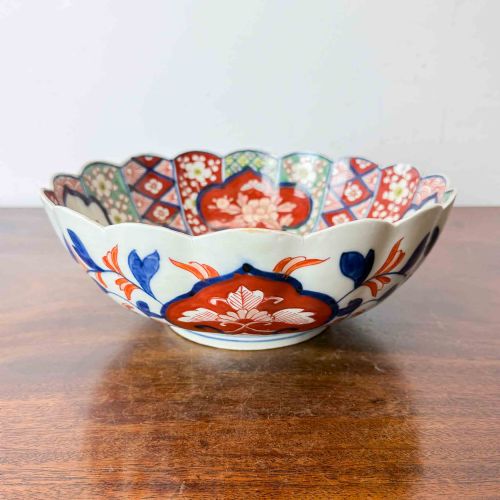
Buyers meet everything from large scallop-edge bowls and hexagonal vases to specialised items like spoon warmers and lidded vessels. Each piece displays the characteristic palette that unites these diverse origins under a single aesthetic umbrella.
How they were made
The makers utilised hard-paste porcelain, ironstone, bone china and earthenware as the foundational bodies for these items. Potters shaped these ceramic materials on the wheel or moulded them into complex forms such as hexagonal vases and scalloped bowls.
Craftsmen applied intricate hand-painted designs using rich enamel colours, underglaze blue, and gold leaf accents. Firing in kilns set the glazes and fixed the dense metallic and mineral pigments onto the surface of the ceramic body.
Terracotta Imari Porcelain Retail Price Guide 2026
Typical asking prices for terracotta imari porcelain among the pieces listed under this phrase on Sellingantiques today, from the lower quarter to the upper quarter. They describe what is for sale here now, not the wider market.
Listings feature items from the eighteenth, nineteenth and early twentieth centuries, including Victorian, Georgian, Edo and Meiji periods.
What varies in quality
Quality depends upon the precision of the hand-painted brushwork and the vibrancy of the enamel and gold leaf application. Finer items exhibit crisp detail in the traditional patterns and careful control over the glaze finish during firing.
The complexity of the ceramic form also dictates the grade of the piece, with large floor vases, lidded vessels and complete matching dinner services representing greater manufacturing ambition. The historical significance of the period, from early eighteenth-century Japanese chargers to Victorian English ironstone sets, further distinguishes the range.
Masons Ironstone China·Ridgways China·Minton
The Terracotta Imari Porcelain Glossary
- Imari palette
- A traditional decorative style featuring iron red, underglaze blue and gilt highlights. This distinctive colour combination originated in Japan and heavily influenced European ceramic production.
- Ironstone
- A heavy, durable type of earthenware developed in England as a robust alternative to true porcelain. It accepted transfer printing and hand-painted enamels readily.
- Charger
- A large decorative plate or platter intended primarily for display rather than routine dining use. These substantial pieces often showcase the most elaborate painted motifs.
- Enamel
- Opaque glass-like coloured compounds fused to the surface of fired ceramics during a secondary low-temperature kiln cycle. It provides the brilliant reds, greens and yellows characteristic of the style.
- Arita porcelain
- Japanese ceramic ware produced in the town of Arita and exported extensively through the port of Imari. It forms the basis of many early pieces found in this category.
Terracotta Imari Porcelain: Frequently Asked Questions
Are these items suitable for daily dining?
While many pieces formed part of functional Victorian dinner services and tea sets, most collectors prefer to display them safely on tables or in cabinets. Older ironstone and bone china can handle gentle use, but antique glazes and gold leaf wear down with frequent washing.
Reserve sturdy nineteenth-century plates for special occasions rather than everyday meals to preserve their hand-painted surfaces.
How do I distinguish Japanese Imari from English copies?
Japanese pieces typically utilise a finer porcelain body with characteristic spur marks on the base from kiln stacking. The iron red and cobalt blue pigments often sink deeper into a softer, slightly uneven glaze.
English makers like Minton and Mason utilised denser ironstone or bone china bodies with crisp, uniform modern glazes and often included maker marks or pattern names stamped underneath.
What period do most of these pieces date from?
The majority of items originate in the nineteenth century, spanning the Victorian era and the Meiji period in Japan. You will encounter substantial dinner services and decorative vases from this industrial and trade-heavy epoch.
Earlier pieces from the eighteenth-century Edo period and Georgian era also appear, identifiable by their heavier potting and distinctive hand-mixed pigment shades.