



English Ironstone Cabinet Plates
English ironstone cabinet plates bring robust ceramic weight and vivid patterns to a room, offering durability alongside rich decoration.
English Ironstone Cabinet Plates
When you search for english ironstone cabinet plates, you encounter sturdy ceramic tableware created for display or service. These pieces span the nineteenth and twentieth centuries, including Georgian and Edwardian examples.
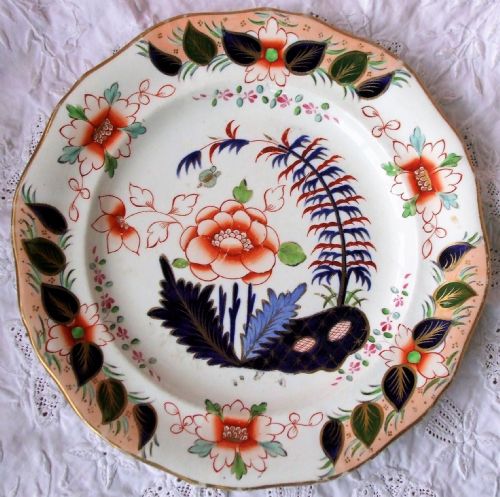
You meet decorative plates and dessert service components rendered in ceramic, stoneware, and earthenware. The designs often draw on Imari, Japan, and Chinoiserie styles with hand-painted details.
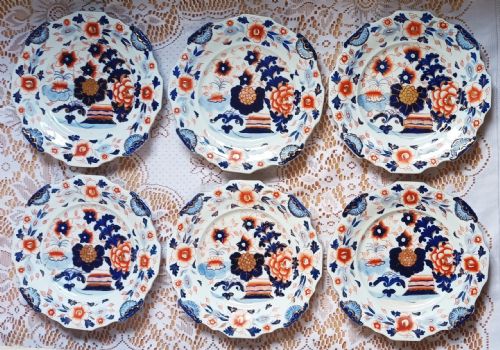
The inventory on this page highlights items from the nineteenth century alongside later twentieth-century productions. Collectors encounter individual decorative plates as well as matched sets.
How they were made
Potters shaped ironstone, stoneware, and earthenware bodies to form heavy, resilient plates capable of daily use or decorative display. These ceramic foundations received glossy glazes that protected the underlying body.
Decorators applied colourful enamel paints, often enhanced with gold leaf and gilt highlights, to create intricate patterns featuring exotic birds and oriental motifs. Firing fixed these enamels permanently onto the glazed ceramic surface.
English Ironstone Cabinet Plates Retail Price Guide 2026
Typical asking prices for english ironstone cabinet plates among the pieces listed under this phrase on Sellingantiques today, from the lower quarter to the upper quarter. They describe what is for sale here now, not the wider market.
Materials recorded on this page include ironstone, stoneware, earthenware, enamel, and gold leaf.
What varies in quality
The precision and complexity of the hand-painted decoration distinguish superior examples from standard production. Pieces featuring detailed enamelling and gold leaf require greater skill from the decorator.
The clarity of the glaze and the crispness of the moulded ceramic body indicate the standard of manufacture. Early nineteenth-century pieces often display distinct weight and depth in their ironstone bodies.
John Davenport of Longport·John Ridgway·C.J. Mason·Mason’s Patent Ironstone
The English Ironstone Cabinet Plates Glossary
- Ironstone
- A dense, durable type of earthenware patented in the nineteenth century. It bridges the gap between fine porcelain and heavy pottery.
- Chinoiserie
- A European artistic style reflecting Chinese motifs and landscapes. Potters utilised this aesthetic extensively on nineteenth-century plates.
- Imari
- A decorative style inspired by Japanese export wares, featuring rich blues, iron red, and gilt. Makers applied this palette to sturdy ceramic bodies.
- Charger plate
- A large decorative plate used as a base or centrepiece on a table. These items offer a broader canvas for elaborate patterns.
- Gilt
- A thin layer of gold applied to the ceramic surface to highlight painted details. This addition enhances the visual depth of the design.
English Ironstone Cabinet Plates: Frequently Asked Questions
What are english ironstone cabinet plates?
These pieces are robust ceramic plates produced primarily in the nineteenth and twentieth centuries. They combine the durability of ironstone with detailed hand-painted designs.
Makers utilised various styles, including Chinoiserie and Imari, to decorate these items for display or dessert service use.
How were these plates used?
Owners displayed them on walls or cabinet shelves to showcase their vibrant colours and patterns. They also served desserts during formal nineteenth-century meals.
Their heavy ceramic bodies made them practical for handling while offering a decorative focal point.
How do I identify Georgian pieces?
Georgian examples often feature early ironstone bodies decorated with traditional Imari or Chinoiserie motifs. Look for the distinct weight and early nineteenth-century glazing techniques.
Maker marks and specific pattern names, such as Japan or Penang, further help establish the period.
Are these plates dishwasher safe?
These antique and vintage pieces require hand washing to preserve their delicate enamel paints and gold leaf highlights. Modern appliances can damage the historic glaze and ceramic body.
Gentle care ensures the painted motifs remain vibrant for future generations.