


Terracotta Flatweave Carpet
When choosing a terracotta flatweave carpet, you are selecting a woven tribal textile designed for nomadic or regional utility.
Terracotta Flatweave Carpet
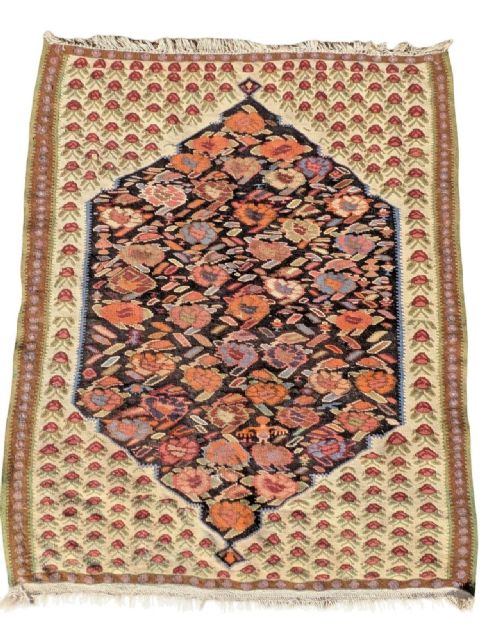
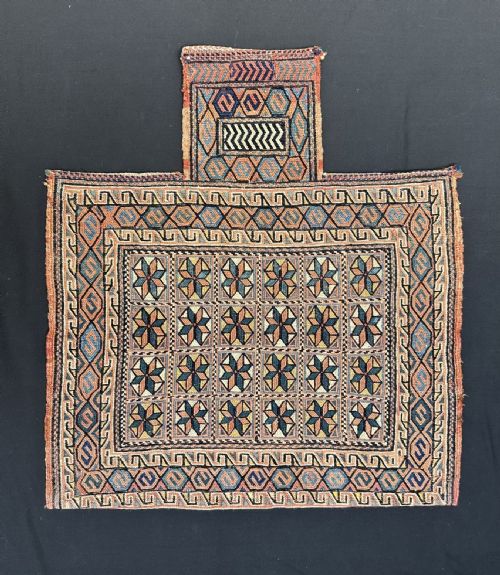
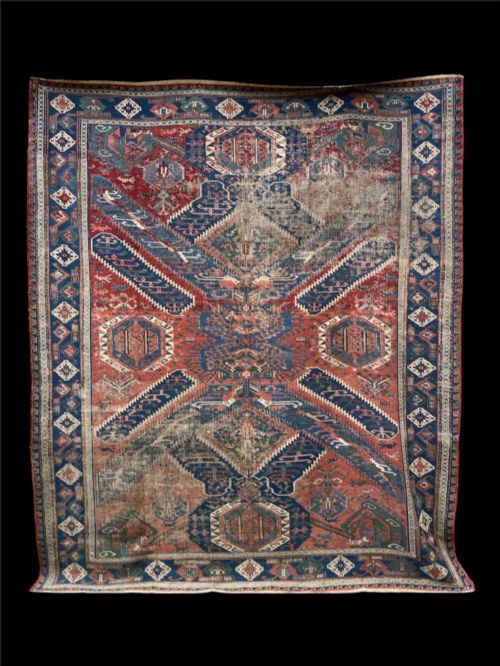
A terracotta flatweave carpet brings together traditional tribal and regional textiles, including kilims, storage bags, tent bands, and panels originating from Caucasian, Persian, Central Asian, and Balkan makers. When searching for this style, buyers encounter woven floor coverings and decorative hangings that span the late nineteenth and early twentieth centuries. These pieces reflect specific regional weaving traditions rather than standardised factory production.
The selections on this page showcase forms such as long runner rugs, large room-sized floor pieces, and smaller storage panels created by various tribes. Each example demonstrates distinct graphic, banded, or medallion designs linked to its geographic origin. Their flatwoven structure makes them versatile textiles suited to diverse interior settings.
How they were made
These textiles rely primarily on wool, hand-spun wool, cotton, and goat hair, structured through flatweaving techniques without a piled surface. Weavers utilised natural dyes to achieve rich terracotta and softer regional palettes across various bands and motifs.
Construction methods include slit-tapestry weaving, soumak brocading, and multi-strip joining used for covers and larger floor coverings. The integration of durable animal fibres provided structural resilience for nomadic daily life.
Listings feature wool, cotton, and goat hair materials combined across nineteenth and early twentieth-century regional formats.
What varies in quality
Quality in these flatweaves rests on the tightness of the weave, structural integrity, and the clarity of the graphic design. Finer knotting and precise weftwork distinguish superior examples from standard utility pieces.
The vibrancy and retention of natural dyes significantly influence the overall standard of a textile. Surviving edge finishes and original lengths also indicate careful historical preservation.
The Terracotta Flatweave Carpet Glossary
- Kilim
- An untufted flatwoven textile produced by tightly interweaving warp and weft strands to create a flat surface. These pieces function primarily as floor coverings, wall hangings, or covers.
- Sumak
- A brocading technique where supplementary weft threads wrap around the warp yarns to provide a textured surface. This method creates a sturdier structure than standard tapestry weaving.
- Mafrash
- A large rectangular storage bag or chest panel used by nomadic tribes for transporting household goods. They are frequently found as separated panels or complete containers.
- Chuval
- A traditional large Turkmen storage bag used within nomadic tents. These items feature distinctive regional guls and tribal motifs.
- Warp
- The stationary vertical threads stretched onto a loom before weaving begins. They form the foundational structure that holds the entire textile together.
Terracotta Flatweave Carpet: Frequently Asked Questions
How do I clean a flatweave carpet?
Regular gentle vacuuming without a rotating brush helps remove embedded dust and debris from the weave. Professional textile cleaning is recommended for addressing deeper soiling.
Water exposure should be kept minimal to protect natural wool fibres and traditional dyes. Proper maintenance ensures the long-term preservation of antique structures.
Can I use these carpets on the floor?
These historical textiles were originally produced for functional domestic or nomadic utility on floors and inside tents. Using an appropriate underlay helps prevent slipping and reduces friction against hard surfaces.
Placing them in low-to-moderate traffic areas minimises physical wear on the flatwoven structure. This allows them to function practically in modern spaces.
How do I identify the regional origin?
Attribution relies on examining specific design motifs, colour palettes, and structural weaving methods unique to particular tribal groups. Characteristic patterns often point directly towards Caucasian, Persian, or Central Asian workshops.
Comparing border layouts and geometric symbols helps differentiate between neighbouring regions. Each area maintained distinct visual traditions.
What is the difference between a kilim and soumak?
A kilim is constructed using flat tapestry weaving where the pattern is created by tightly packing the coloured weft threads. This results in a smooth fabric with identical appearance on both sides.
Soumak involves wrapping supplementary weft threads over the warp to produce a ribbed face with loose threads on the reverse. This technique creates a heavier and more rigid textile.