


Terracotta Decorative Sculptures
Terracotta decorative sculptures bring warmth and modelled texture to an interior, spanning classic figures, animals and architectural reliefs.
Terracotta Decorative Sculptures
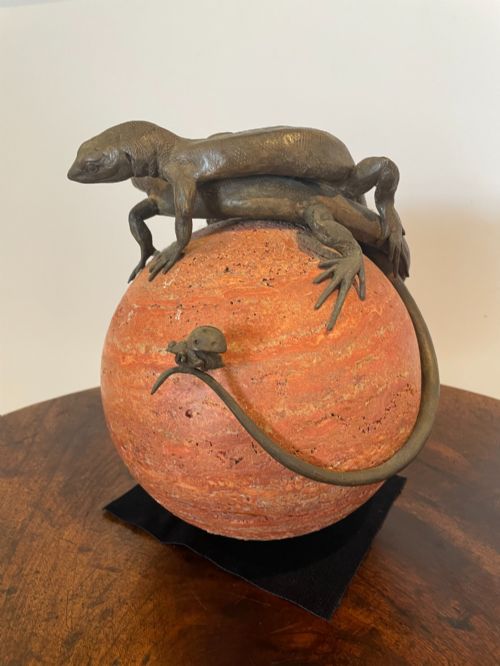
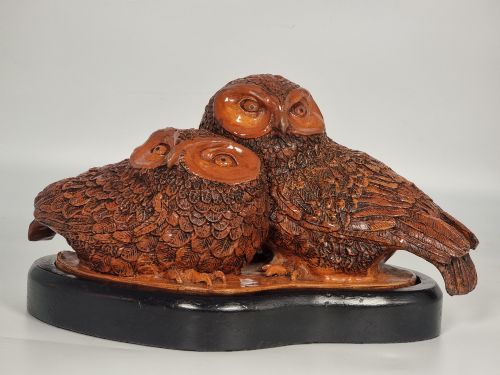
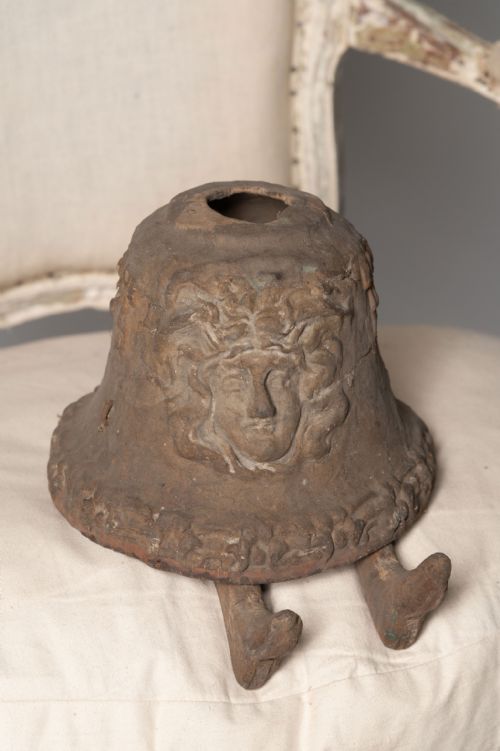
Terracotta decorative sculptures encompass a wide range of fired clay figures, portrait busts, animals and wall reliefs created across the nineteenth and twentieth centuries. When searching this phrase, a buyer encounters diverse regional expressions, from nineteenth-century Italian classical revivals and French Art Nouveau wall plaques to twentieth-century Art Deco dancers and Spanish planters.
The objects take many forms, including life-size animal figures, theatrical props, bookends and pedestals alongside traditional human busts. Many pieces bridge the gap between fine art sculpture and decorative arts, serving as striking focal points for a room or garden conservatory.
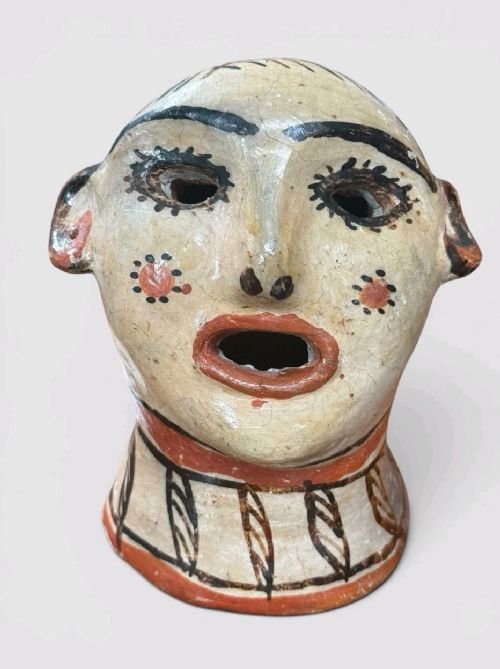
Dating primarily from the Victorian era through the mid-twentieth century, these works reflect the changing tastes of their periods. Pieces range from grand classical Roman figures and mythological subjects to folk art heads and studio pottery interpretations.
Materials and construction
These pieces are primarily shaped from clay or terracotta, often hand-sculpted or cast in moulds before being fired in kilns to achieve a durable ceramic body. Makers frequently utilised supplementary materials such as paint, glazes, plaster and wood bases to finish the surface and mount the works securely.
Surface decoration plays a vital role in the final appearance, with many items featuring applied polychrome paint, faux marble finishes or traditional glazes. Some sculptural forms incorporate structural elements like ebonised wooden stands or pedestals to support the weight of the fired earth.
A life-size decorated pug stands ready to greet visitors alongside classical Roman figures and terracotta cockerels.
Judging quality in terracotta
The integrity of the fired clay surface and the preservation of original painted or glazed finishes determine the overall success of a piece. Finer examples retain their original patination and show minimal modern intervention in their repairs or restorations.
Goldscheider pottery·Compton Potters Art Guild·Ernst Whaliss·Bohumil Rezl
The Terracotta Decorative Sculptures Glossary
- Terracotta
- A porous, fired red-brown earthenware clay used extensively for sculptural and decorative objects. It is prized for its ability to capture fine detail from the modeller's hand.
- Art Nouveau
- A decorative style prevalent around the turn of the twentieth century, characterised by flowing, organic lines and stylised floral or female motifs. Sculptures from this movement often depict languid figures and naturalistic plant forms.
- Art Deco
- An eclectic design style that emerged in the interwar period, favouring geometric shapes, stylised forms and streamlined modernity. Figures from this era often represent dynamic dancers or sleek human profiles.
- Bust
- A sculpted representation of a person's upper chest, neck and head. These portrait pieces were popular across the nineteenth century in both classical revival and contemporary portraiture.
- Folk Art
- Objects created by self-taught or traditional artisans, often reflecting regional cultural practices rather than academic fine art standards. These pieces possess a direct, unpretentious charm.
Terracotta Decorative Sculptures: Frequently Asked Questions
How were terracotta sculptures displayed?
These sculptures were designed to be showcased indoors on mantelpieces, pedestals, or dedicated brackets, as well as serving as table centerpieces. Their robust ceramic structure also made them suitable for sheltered outdoor or conservatory settings.
Larger figures often required sturdy plinths or architectural ledges to bear their weight safely. Smaller pieces, such as bookends and portrait busts, functioned easily within domestic library and living spaces.
How do I identify Art Nouveau pieces?
Art Nouveau terracotta pieces are typically identified by their flowing, asymmetrical lines and themes drawn from nature, such as stylized female hair and floral drapery. The modelling emphasises organic movement and graceful, undulating contours.
Many of these works date from the late nineteenth or early twentieth century and often feature subtle matte or tinted finishes rather than glossy glazes.
Are these pieces suitable for outdoor use?
Most antique terracotta sculptures are intended primarily for indoor display because historic fired clay can be vulnerable to frost damage and moisture penetration. Glazed or specially sealed pieces handle humidity better, but porous earthenware requires protection from harsh weather.
Displaying them inside preserves the original painted surfaces and delicate modelling that define their collectible character.
What is a wall relief sculpture?
A wall relief is a sculptural work that projects from a flat background surface rather than standing entirely in the round. These pieces were frequently designed with integrated hanging loops or flat backs for mounting directly onto walls.
They often take the form of decorative plaques, portrait profiles, or architectural masks meant to accent interior wall spaces.