


1930s Dancer Figurines
These 1930s dancer figurines capture the sleek, dynamic movement of the interwar period through striking Art Deco forms.
1930s Dancer Figurines
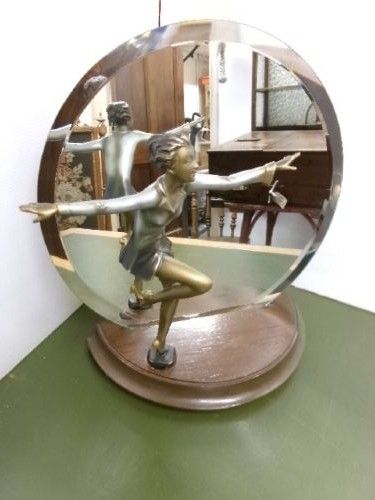
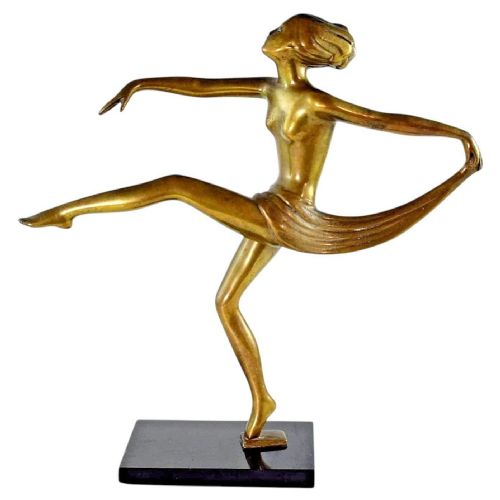
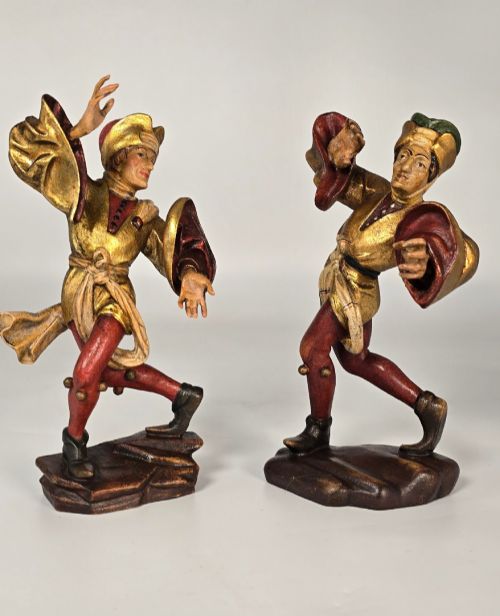
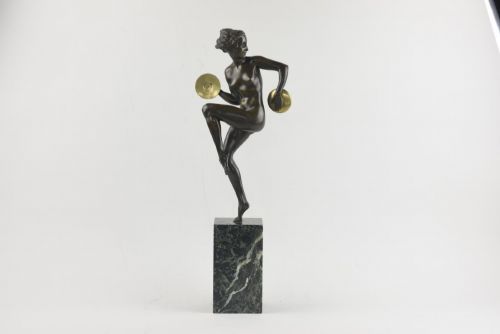
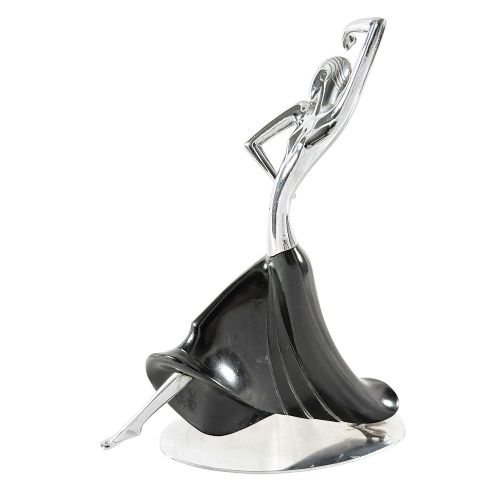
When you search for 1930s dancer figurines, you encounter dynamic sculptural representations of female dancers shaped by the dominant aesthetic of the period. The most common examples on this page are Art Deco metal and spelter figures mounted on marble or onyx bases, often depicting balancing or leaping poses.
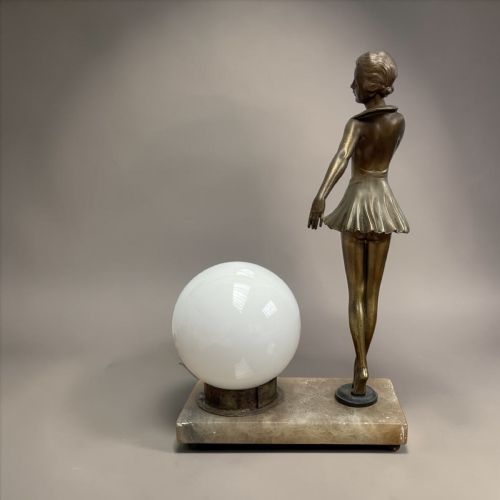
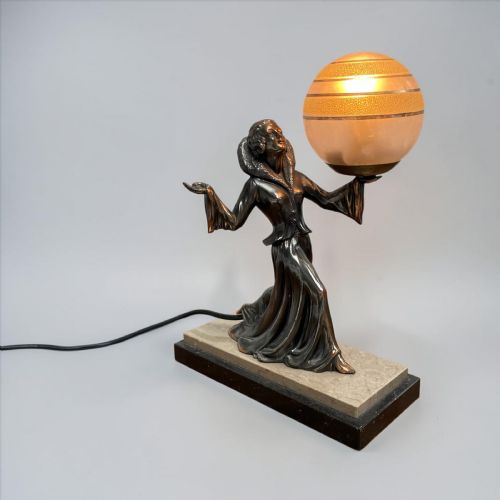
Beyond standard metal casts, the selection includes functional objects such as table lamps and table lighters modelled as dancing women. You also find carved wooden figures and porcelain powder boxes from the same era.
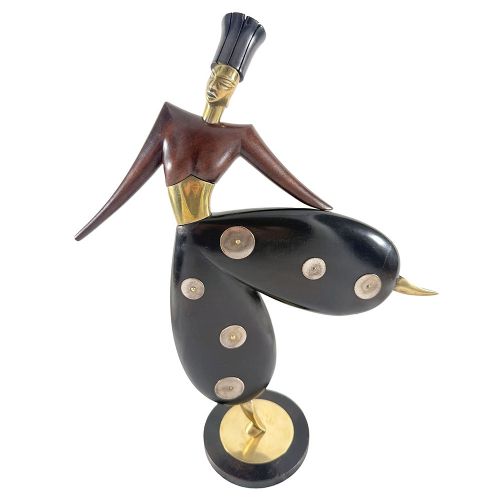
Origins span across Europe, including French, Swiss, and German workshops, alongside distinct regional interpretations like Balinese Art Deco limewood and Janger dancer sculptures.
How they were made
Foundry workers cast many of these figures in spelter or bronze, frequently applying a patinated, silver-plated, or painted finish to accentuate the clothing and posture. Metal figures were then secured to heavy stone plinths made of marble, onyx, or alabaster.
Carvers shaped alternative pieces from limewood or other woods, sometimes pairing the timber with brass elements. Porcelain jars and glass items utilised mould-casting and firing techniques specific to German and European potteries of the 1930s.
One elegant dancer doubles as a table lighter, proving that Art Deco sophistication occasionally came with a flame.
What varies in quality
The distinction between standard commercial pieces and the finest work lies in the crispness of the casting and the fluidity of the dancer's posture. Master modellers achieved a convincing sense of balance and anatomical precision that lesser copies miss.
Materials also dictate the tier of the piece, with genuine bronze and detailed hand-carved limewood representing superior craftsmanship compared to basic spelter casts or simpler painted metal items.
Josef Lorenzl·Sier Kunst·Hagenauer·Aurore Onu·Rene Andre Varnier·Demetre Chiparus
The 1930s Dancer Figurines Glossary
- Spelter
- A zinc alloy commonly used as a cost-effective substitute for bronze in 1930s figurine production. It takes patination and paint well.
- Onyx
- A banded variety of chalcedony frequently utilised for heavy bases supporting metal figures. It provides stability and a polished surface.
- Chryselephantine
- A term describing statues made of a combination of bronze and ivory. It represents some of the most sought-after work from the period.
- Patinated metal
- Metal treated with chemicals to produce a specific surface colour or aged finish. This technique highlights the sculpted drapery of a dancer's gown.
1930s Dancer Figurines: Frequently Asked Questions
How do I identify a spelter figure?
Spelter is lighter and softer than bronze, often revealing a greyish metal beneath chips in the painted or patinated surface.
Inspect the underside or base where the metal meets the stone for casting seams or mounting screws.
Were these figures used as lamps?
Yes, sculptors integrated lamp fittings into the design, turning dancing female figures into functional lighting for interwar interiors.
These pieces typically combine metal bodies with glass shades positioned near the raised arms or hoop.
What is the difference between spelter and bronze?
Bronze is a heavy, durable copper alloy that accepts fine detail and ages with a deep patina. Spelter is a softer zinc alloy that requires paint or plating to resemble bronze.
Figurines cast in bronze generally command higher regard among collectors.
How do I care for marble and onyx bases?
Dust the stone regularly with a soft, dry cloth and avoid harsh chemical cleaners that can dull the polished surface.
Protect the underside with felt pads to prevent scratching surfaces where the heavy figurine sits.