
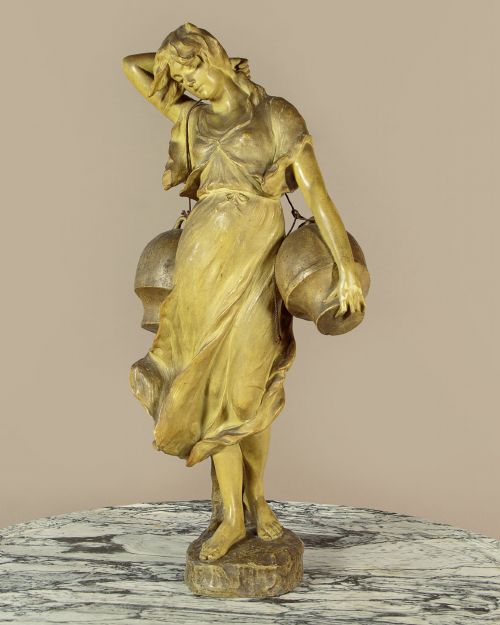


Terracotta Ceramic Figurine
These terracotta ceramic figurine selections bring character and history into any interior through modelled clay, earthenware, and porcelain forms.
Terracotta Ceramic Figurine
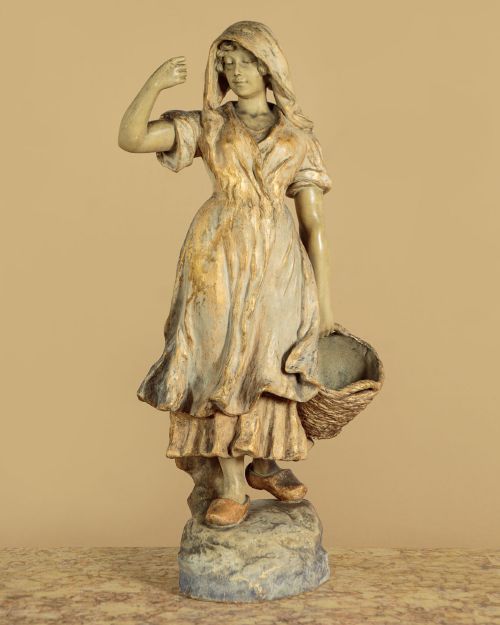
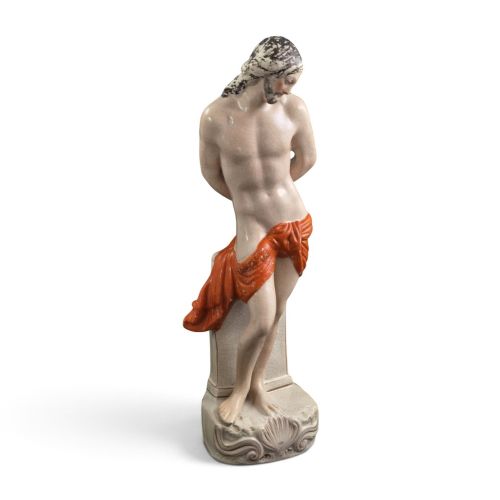
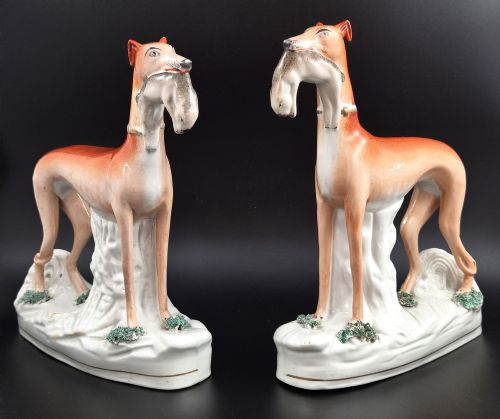
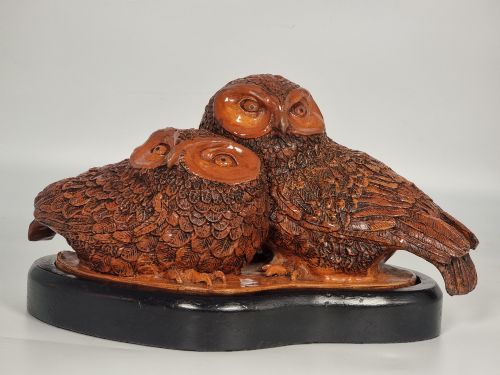
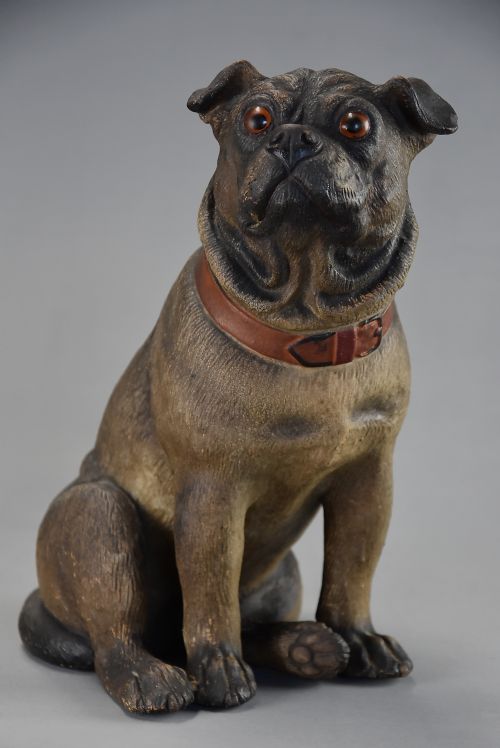
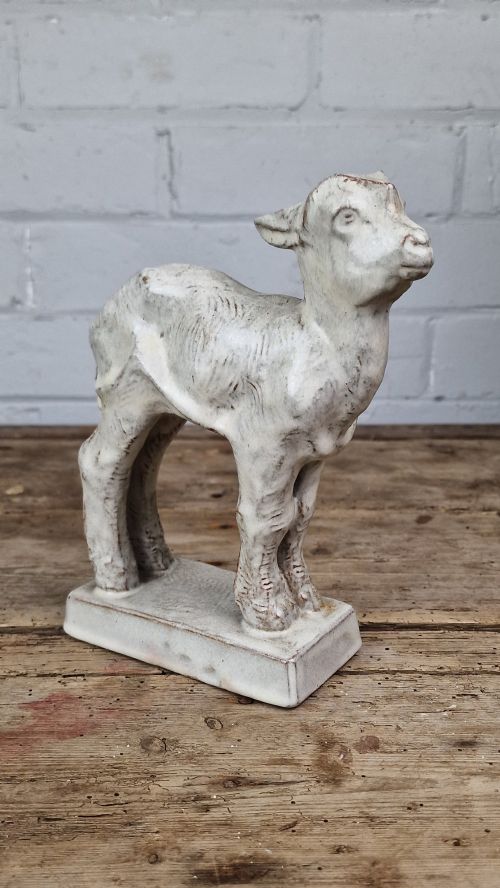
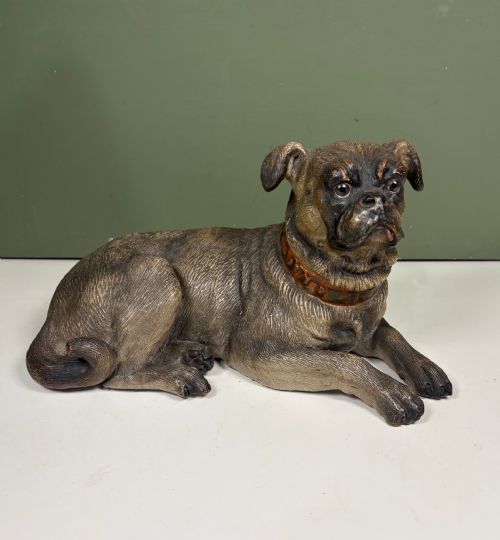
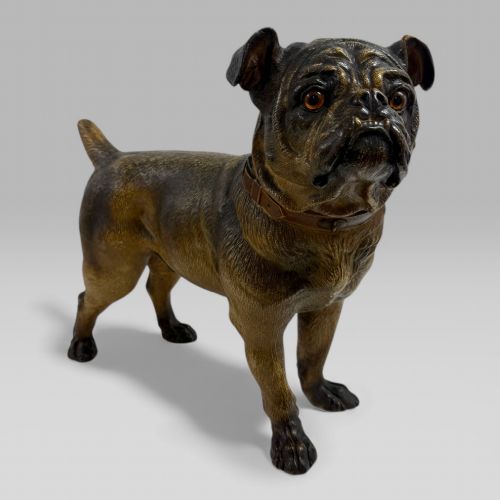
A terracotta ceramic figurine encompasses sculpted human figures, animal groups, and decorative busts spanning multiple centuries and international traditions. When browsing this selection, buyers frequently encounter Victorian animal studies, Art Nouveau figures, and classical earthenware models.
The objects range from small mantelpiece ornaments to monumental showroom figures and life-size animal sculptures. Origins stretch across European workshops, Staffordshire potteries, and historical Asian dynasties.
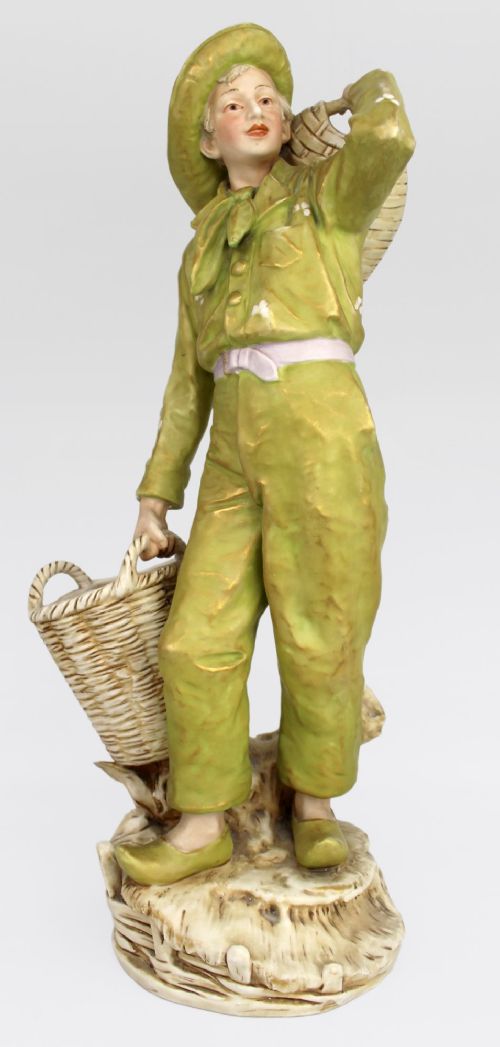
Makers utilised various finishing techniques, applying polychrome paint, metallic bronzing slips, or colourful glazes to the fired clay bodies. These sculptural groups reflect the aesthetic preferences of the nineteenth and early twentieth centuries alongside ancient traditions.
Materials and Methods
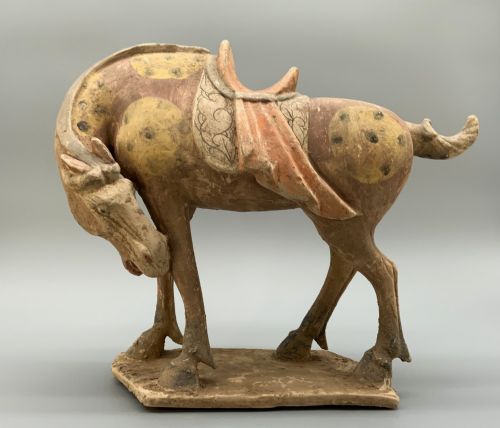
Makers enhanced the raw clay surfaces with painted enamels, applied glazes, or bronzed slips to simulate metal or stone. Certain regional pieces incorporate specialised glazing methods, such as the lead-based sancai palette found on Asian-inspired horse and rider figures.
Listings feature terracotta, earthenware, and porcelain figures spanning from the pre-sixteenth century through the Art Deco period.
Assessing Quality
Quality reveals itself in the crispness of the modelling and the precision of the hand-painted details across the clay surface. Superior examples demonstrate attentive finishing in facial expressions, hair texture, and drapery folds rather than flat, mass-produced mould lines.
The reputation of the producing foundry or studio heavily dictates desirability, with established firms employing noted sculptors for their models. Intact original painted finishes or stable period glazes elevate an example above pieces suffering from extensive later repainting.
Goldscheider·Royal Dux Bohemia·Thomas Parr·Ernst Wallace·Bernard Bloch·Ernst Whaliss
The Terracotta Ceramic Figurine Glossary
- Terracotta
- Fired unglazed or slip-coated brownish-red clay. This porous material served as a primary medium for expressive nineteenth-century European sculpture.
- Earthenware
- Porous pottery fired at lower temperatures than stoneware or porcelain. It requires an applied glaze or paint layer to become impermeable.
- Slip
- A liquid mixture of clay and water used for casting figures in moulds or for surface decoration. Artisans often tinted slip to achieve specific bronze or metallic effects.
- Sancai
- A traditional three-colour lead glaze technique originating in China. It produces characteristic overlapping amber, green, and cream tones on pottery bodies.
- Animalier
- Artworks depicting realistic animals in natural poses. This genre gained immense popularity among European sculptors during the nineteenth century.
Terracotta Ceramic Figurine: Frequently Asked Questions
Were these figurines meant for display?
Most nineteenth and twentieth-century pieces served as decorative ornaments for mantelpieces, drawing-room sideboards, and collector cabinets. Larger monumental figures stood directly on floors or dedicated pedestals.
Some specialised items combined decoration with utility, functioning as powder boxes, lamps, or architectural bookends within period interiors.
How can I identify Victorian Staffordshire dogs?
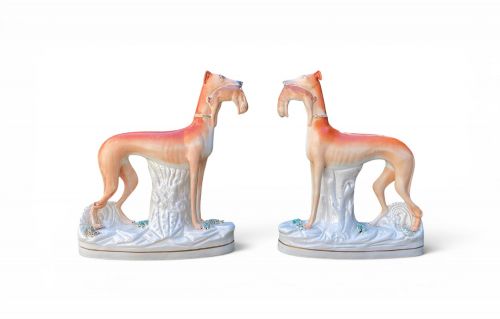
Staffordshire figures typically feature hollow-moulded earthenware bodies decorated with hand-painted underglaze patches, often depicting seated spaniels or greyhounds. Look for characteristic facial markings and deep glaze pooling on the underside.
Many examples lack maker marks, relying instead on distinctive potting weight, crazing patterns, and vent holes characteristic of mid-nineteenth-century British kilns.
What defines Art Nouveau ceramic sculpture?
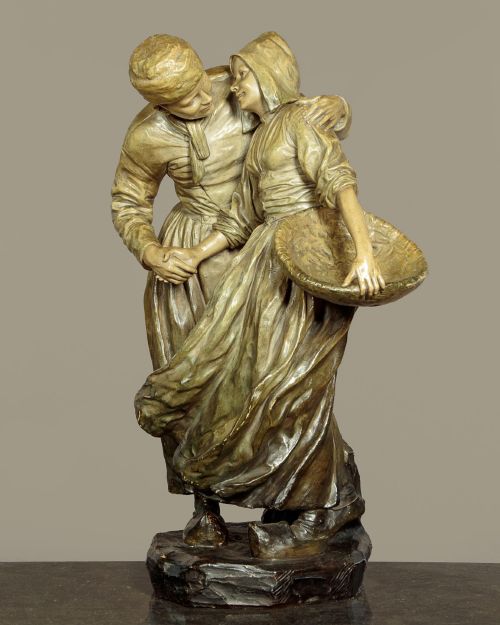
Art Nouveau pieces showcase flowing organic lines, stylised floral motifs, and depictions of graceful maidens or natural forms. The style embraces asymmetry and ethereal moods.
Foundries combined iridescent glazes and metallic bronze finishes with sinuous sculptural silhouettes typical of the turn of the twentieth century.