


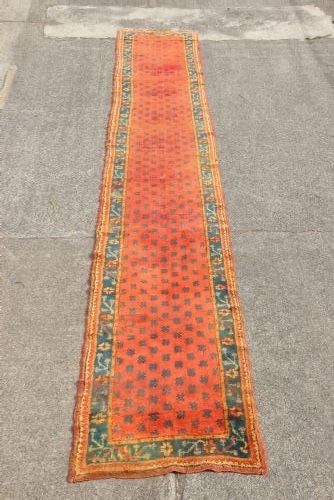
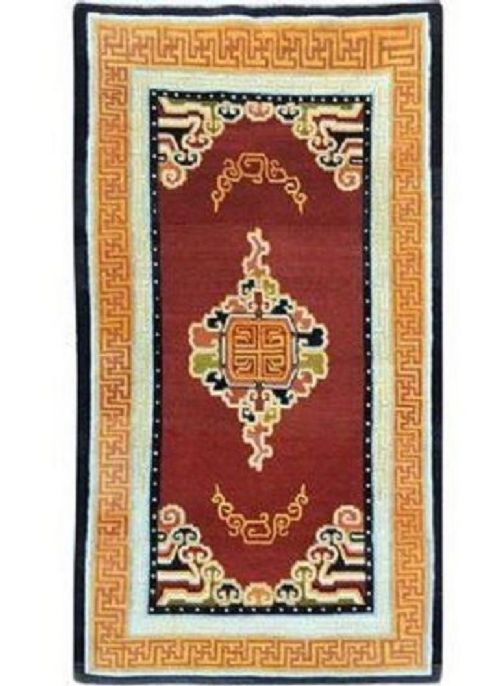
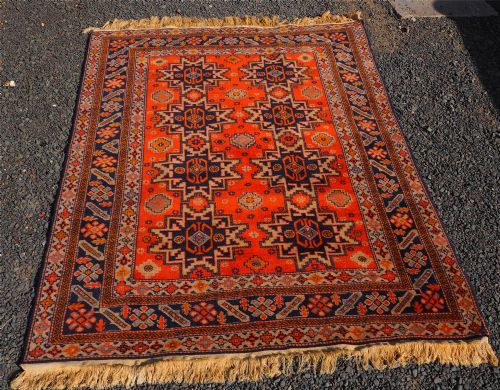

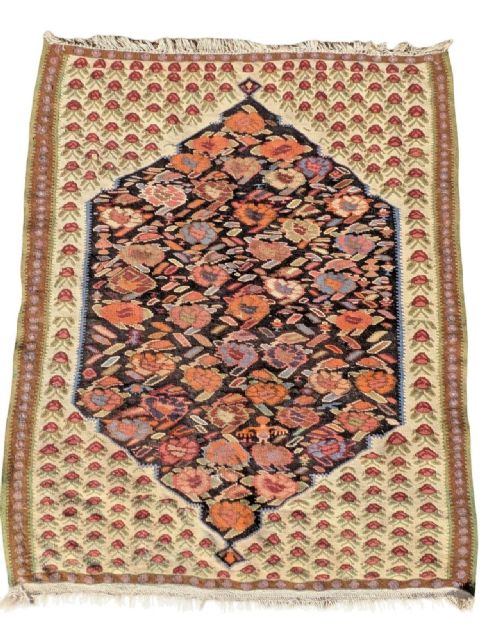
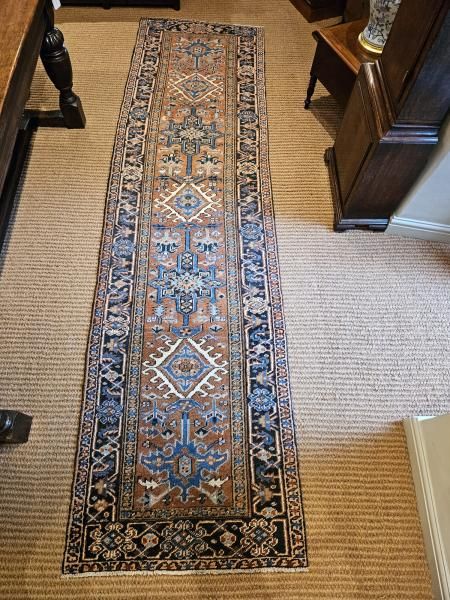
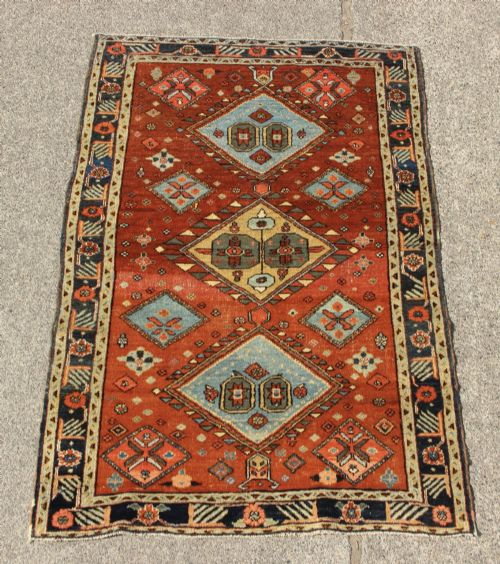
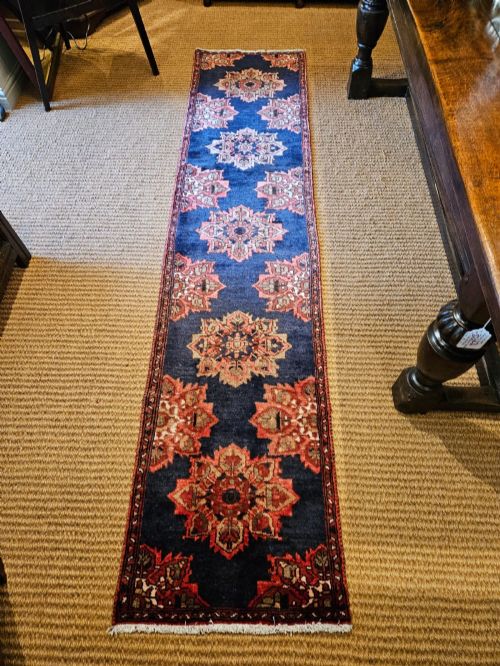
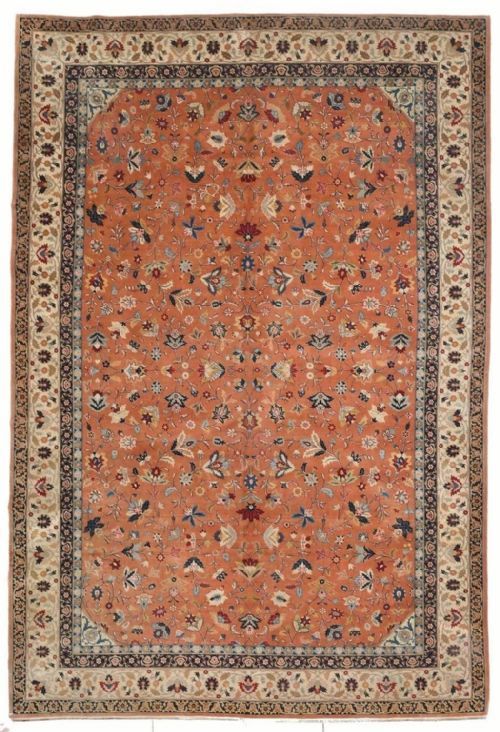
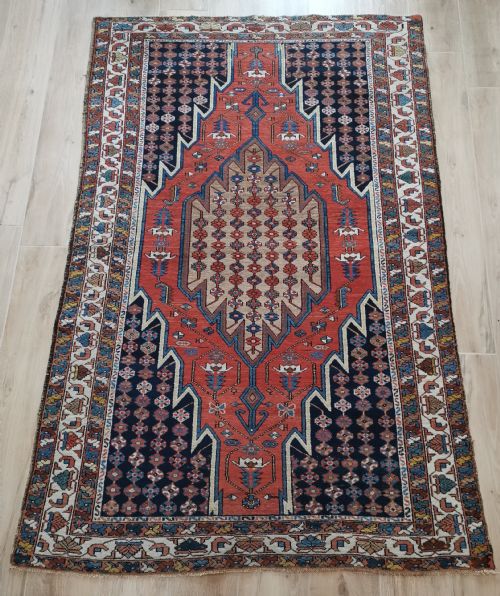
Terracotta Carpet Runner
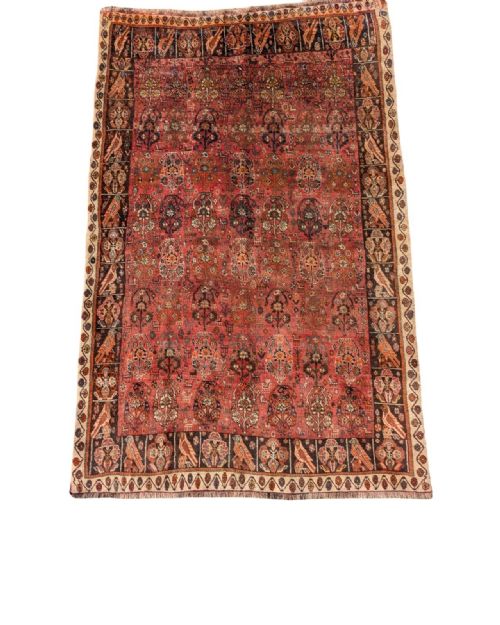
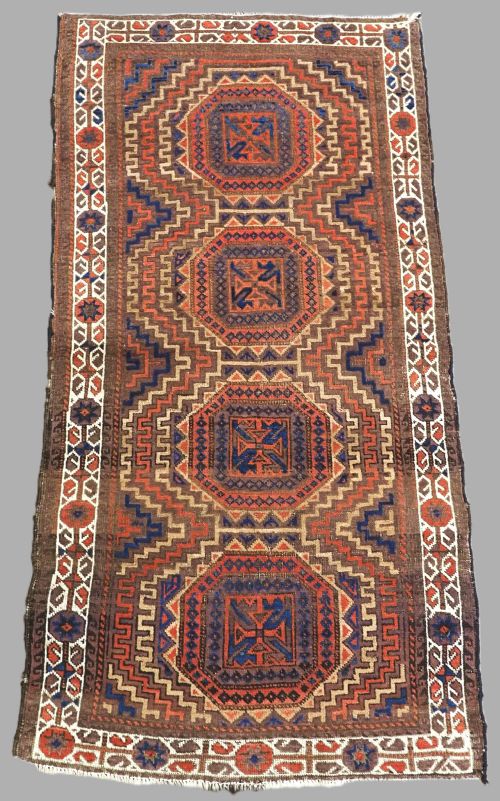
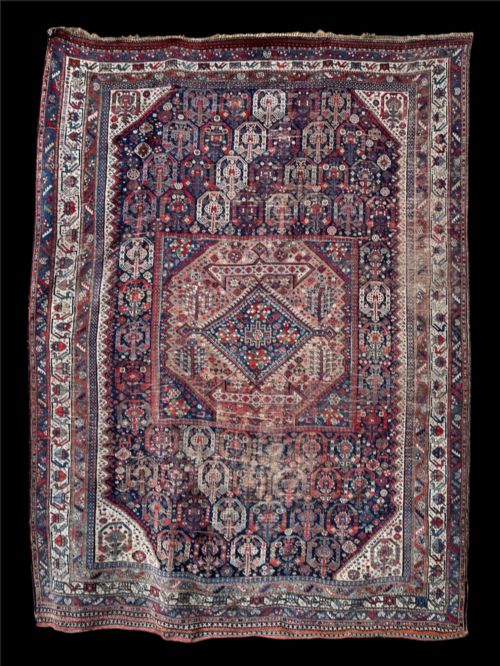
When you search for a terracotta carpet runner, you are looking at hand-knotted wool and silk floor coverings made in Persia, Turkey, and the Caucasus during the nineteenth and early twentieth centuries.
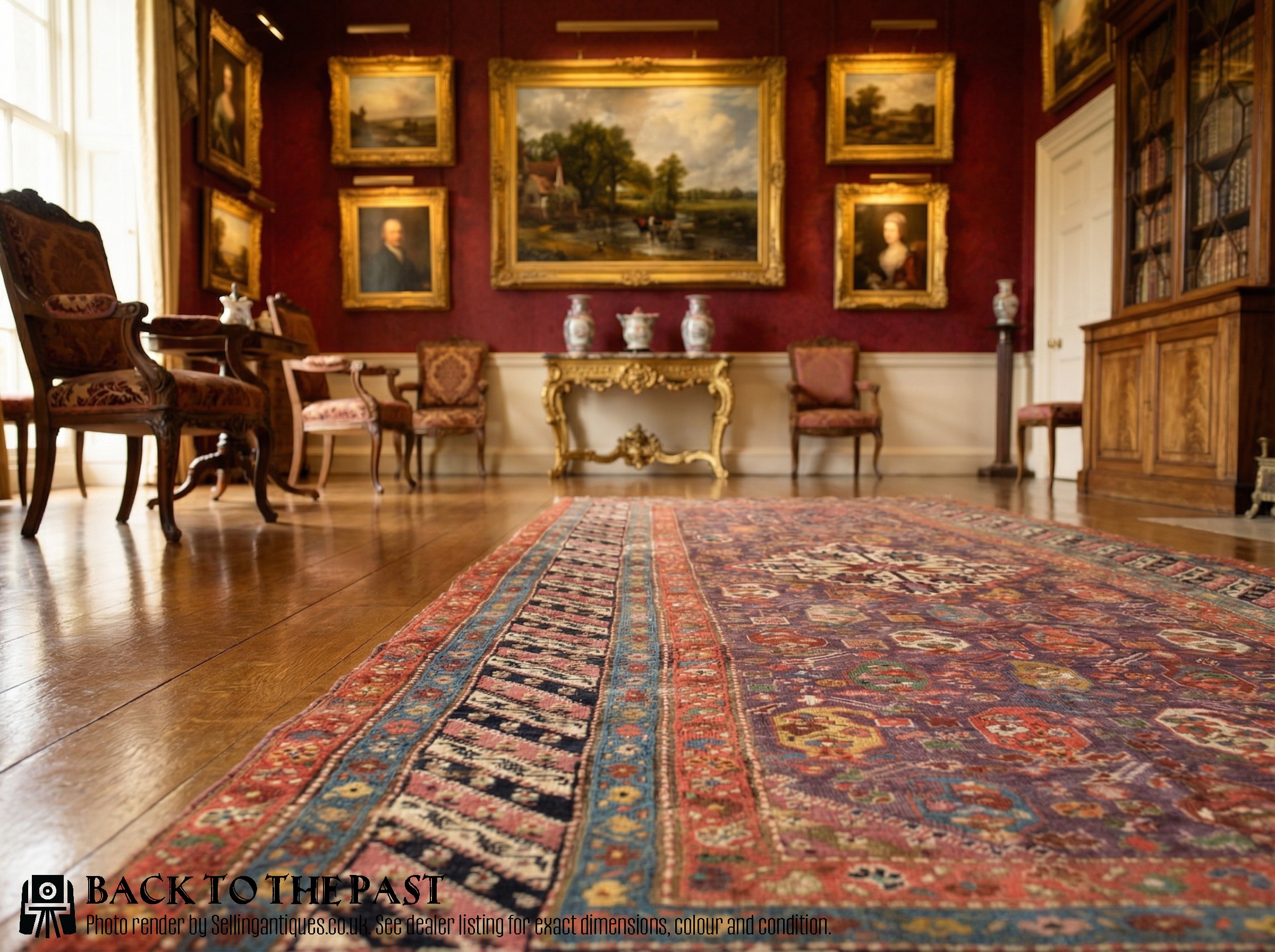
Terracotta Carpet Runner
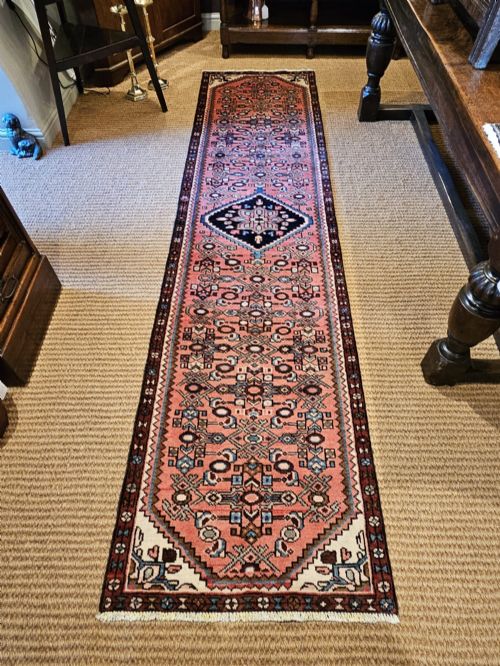
A terracotta carpet runner is a long, narrow textile designed for hallways, corridors, and staircases. These pieces originate primarily from Persian tribal and village workshops, including Kurdish, Heriz, and Oushak traditions.
The selections on this page span the nineteenth century through the 1930s, encompassing antique runners and village rugs created in wool, cotton, and camel hair.
Buyers encounter long narrow formats from Turkish Oushak and North-West Persia alongside tribal Kurdish and Caucasian rug runners.
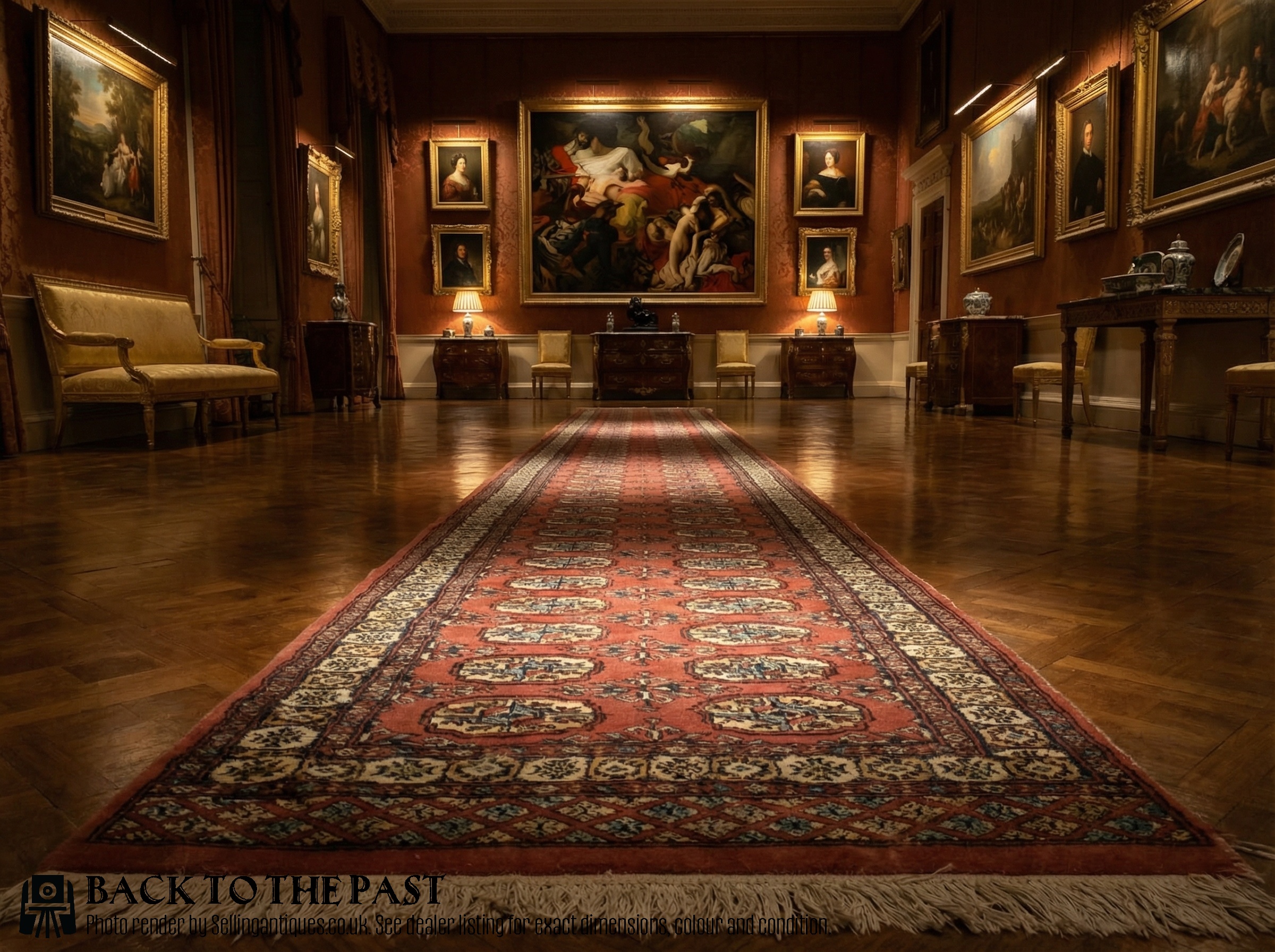
Materials and construction methods
Weavers constructed these pieces using hand-knotted wool pile on cotton or wool foundations, often incorporating natural dyes that yielded rich terracotta and mellow colourways.
Nomadic and village workshops utilised camel hair and hand-spun wool alongside silk in regional productions such as Kashmir and Heriz carpets.
Every tribal weaver adds small deliberate irregularities into geometric borders, ensuring no two antique runners share the exact same pattern.
What separates grades of quality
Knot density and the precision of the tribal motifs, such as guls and boteh designs, distinguish fine village carpets from simpler utility runners.
The integrity of the natural dyes and the condition of the wool pile determine the longevity and visual depth of each runner.
The Terracotta Carpet Runner Glossary
- Runner
- A long, narrow carpet format designed specifically for hallways, corridors, and stairs. These pieces guide movement through domestic interiors.
- Boteh
- A traditional teardrop or floral motif frequently found in Persian and Kurdish carpets. This ancient design symbolises life and eternity.
- Gul
- A medallion or repeating octagonal motif used extensively in Turkmen, Afghan, and Baluch tribal weaving. Each pattern often identifies a specific clan or region.
- Kilim
- A flat-woven carpet or rug made without a pile. These textiles rely on interlocking weft threads to create geometric patterns.
- Hand-knotted
- A method where individual strands of wool or silk are tied by hand onto a warp foundation. This labour-intensive process produces durable, long-lasting floor coverings.
Terracotta Carpet Runner: Frequently Asked Questions
Where should I place a terracotta carpet runner?
These long, narrow textiles suit hallways, corridors, and entrance spaces where floor coverings soften foot traffic and add warmth.
They also function effectively on staircases, following the architectural lines of period homes.
How do I care for an antique wool runner?
Vacuum gently with the suction attachment, avoiding heavy rotating brush bars that can pull at the hand-knotted wool pile.
Professional specialist cleaning is recommended for antique textiles to preserve the natural dyes.
What is the difference between a runner and a carpet?
Runners are significantly longer than they are wide, proportioned specifically for narrow spaces like corridors and passages.
Carpets and main rugs offer broader rectangular dimensions intended to anchor seating areas and larger rooms.
How can I tell a tribal rug from a city rug?
Tribal rugs typically feature geometric motifs, spontaneous design variations, and softer, earthier natural dyes woven by nomadic or village communities.
City carpets generally display more formal, symmetrical medallion layouts with highly refined curvilinear floral patterns.