


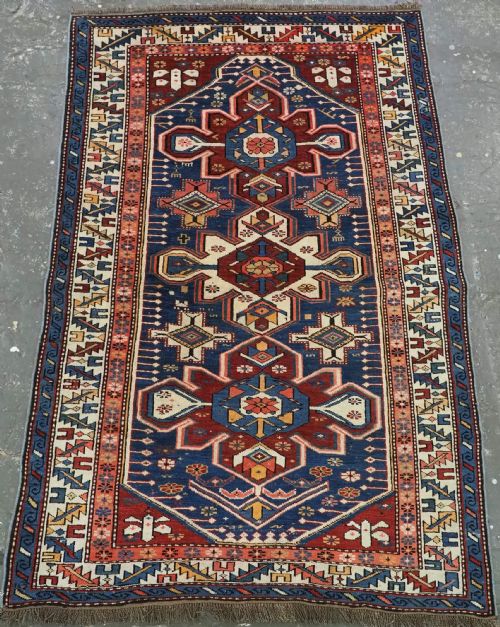


Classic Runner Rug
These classic runner rug examples bring enduring pattern and texture to narrow spaces through traditional woven forms.
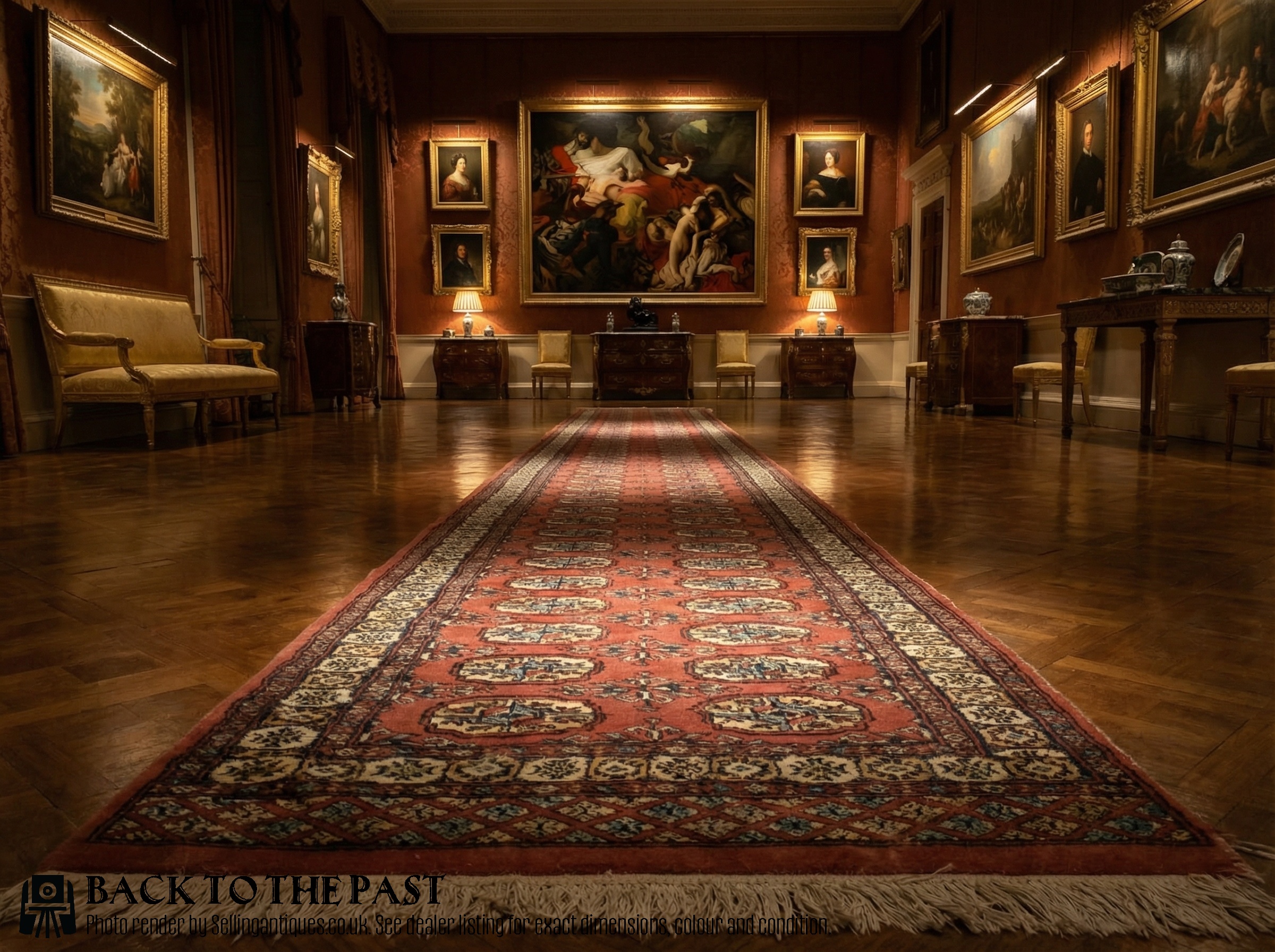
Classic Runner Rug
A classic runner rug is a long, narrow textile designed for corridors, stairways and galleries, typically featuring traditional Persian, Caucasian, Turkmen or Turkish patterns. Buyers seeking a classic runner rug will encounter hand-knotted wool, cotton foundation weaves and flatwoven kilims originating from various nineteenth and early twentieth century periods.
The selection ranges from large carpets and stair runners to specific tribal and regional weaves like Timuri, Baluch, Ersari Beshir and Saroq. These pieces rely on established design motifs such as medallions and repeat fields rather than contemporary styling.
How they were made
Makers constructed these textiles predominantly using wool pile on cotton or wool foundations, occasionally incorporating goat hair for added durability in nomad and village productions. Hand-knotted techniques predominated in regional workshops, while flatwoven kilims utilised interlocking or slit-weave methods without pile.
Weavers employed natural and early synthetic dyes to achieve deep rust backgrounds, rich reds and intricate contrasting borders. The integration of strong warps and wefts ensured the structural integrity required for high-traffic corridors.
Classic Runner Rug Retail Price Guide 2026
Typical asking prices for classic runner rug among the pieces listed under this phrase on Sellingantiques today, from the lower quarter to the upper quarter. They describe what is for sale here now, not the wider market.
Periods represented span from the mid nineteenth century through to the early twentieth century.
What varies in quality
Knot density, wool quality and precision of design execution determine the standing of an individual textile within its category. Tightly packed knots create a firmer handle and sharper pattern definition, whereas looser village or tribal weaves display a more rustic charm.
The depth and vibrancy of the dye palette, alongside the preservation of original borders and selvedges, distinguish finer historical examples from simpler utilitarian floor coverings.
The Classic Runner Rug Glossary
- Medallion
- A central ornamental motif forming the focal point of the carpet design. It often dictates the symmetry of the surrounding field.
- Kilim
- A flatwoven textile produced without a pile by tightly interweaving warp and weft threads. These pieces offer a thinner profile than knotted carpets.
- Warp
- The vertical threads stretched lengthwise on the loom that form the structural foundation of the rug. Fringe is typically an extension of these threads.
- Selvedge
- The finished reinforcing edges of a rug running parallel to the warp that prevent the sides from fraying. Original selvedges indicate careful preservation.
Classic Runner Rug: Frequently Asked Questions
Where should I place a runner?
These narrow textiles suit hallways, corridors and staircases where length is required to soften floorboards and add visual warmth.
Ensure adequate clearance for doors to swing above the pile thickness by checking the rug profile beforehand.
How do I clean an antique runner?
Gentle surface brushing and professional rug cleaning tailored to natural fibres maintain the condition of older wool and cotton weaves.
Avoid excessive moisture and harsh chemical detergents that can degrade traditional dye compounds.
Are these runners durable?
Dense wool pile and sturdy foundation weaves provide strong resistance to regular foot traffic in domestic environments.
Underlays help prevent slipping and reduce friction between the textile and the hard floor surface.
How are periods identified?
Structural characteristics, dye palettes and specific regional weaving traits help narrow down the decade of production.
Design structures often mirror established tribal or workshop traditions associated with nineteenth and twentieth-century makers.