

Terracotta Area Carpet
When you search for terracotta area carpet, you are looking at substantial hand-knotted floor coverings spanning Persian and tribal traditions that ground a room.

Terracotta Area Carpet
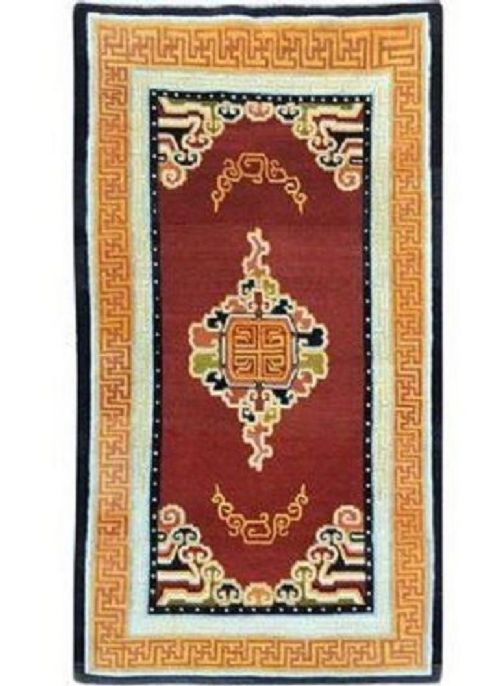
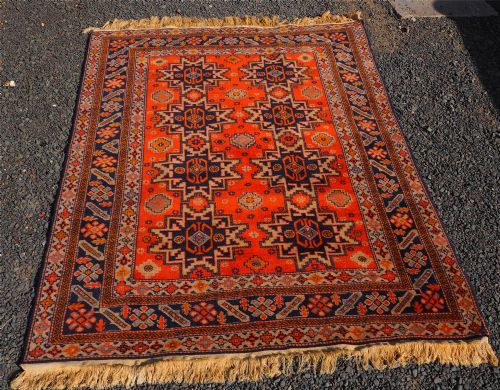
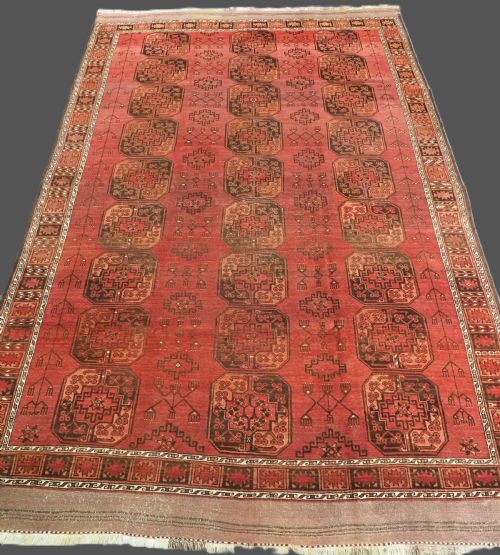
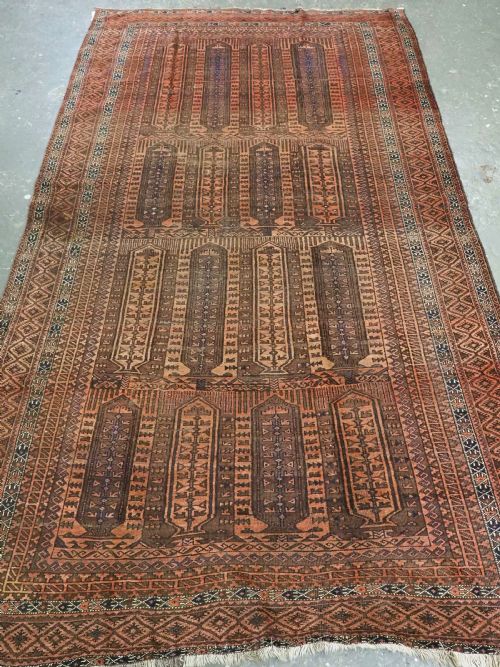
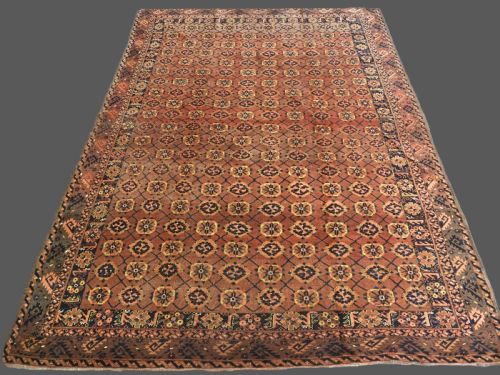
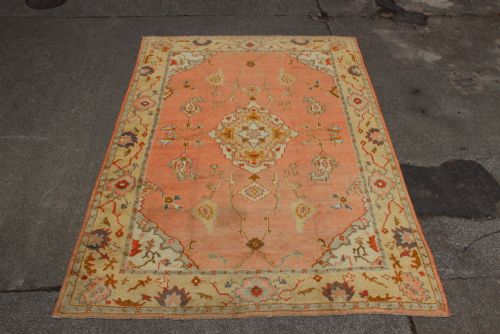
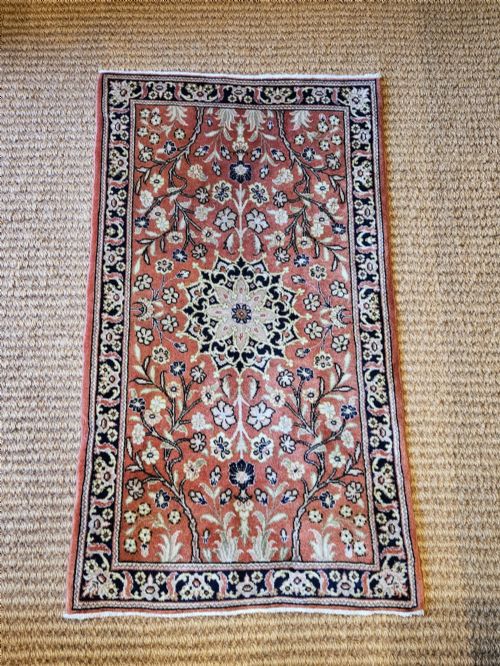
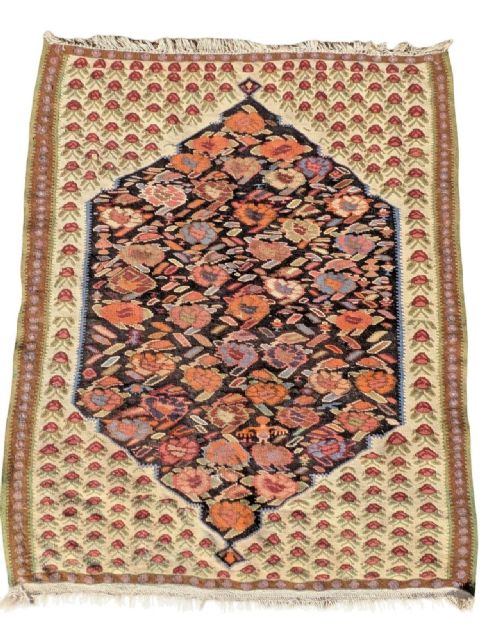
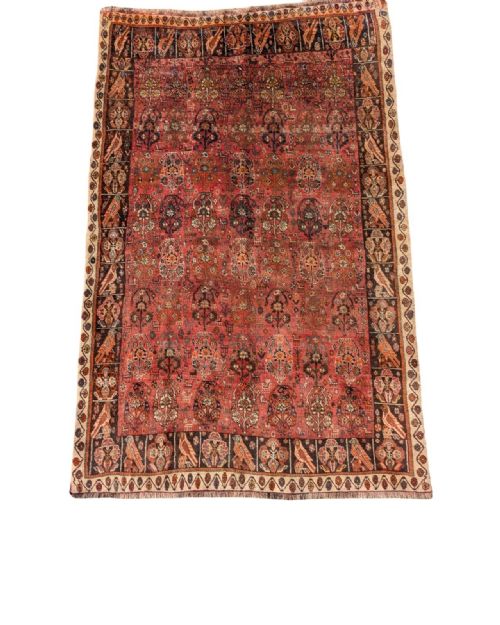
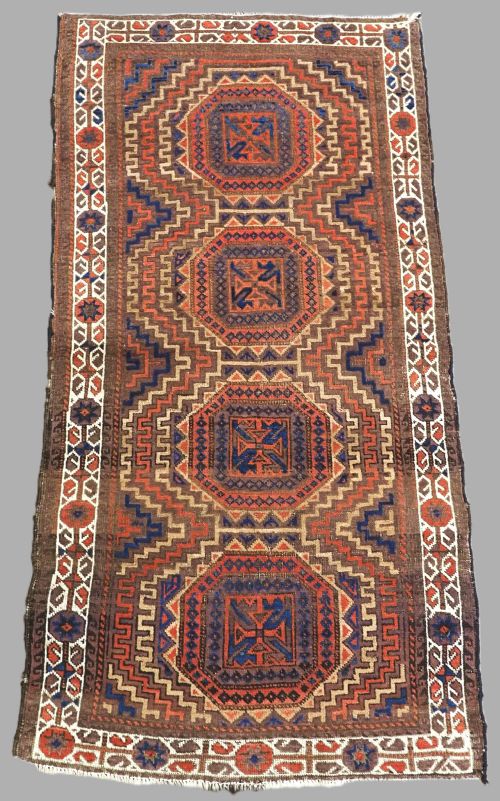
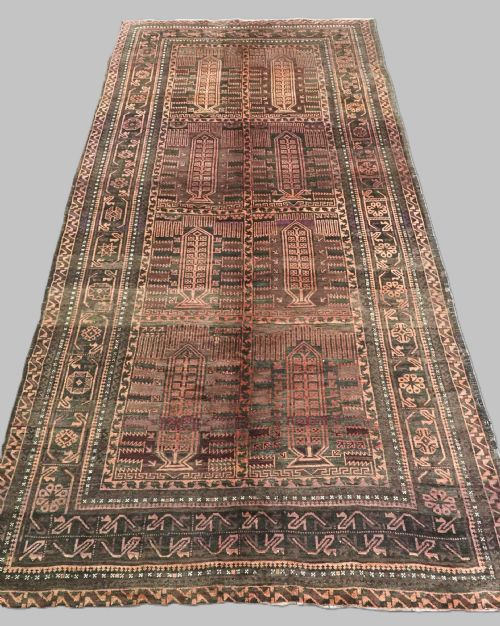
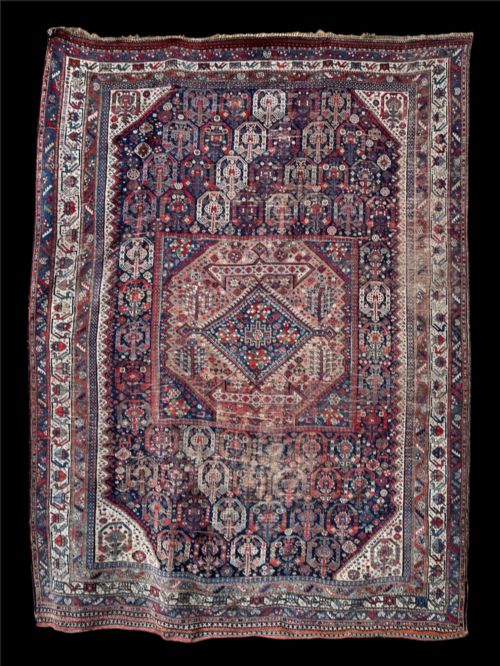
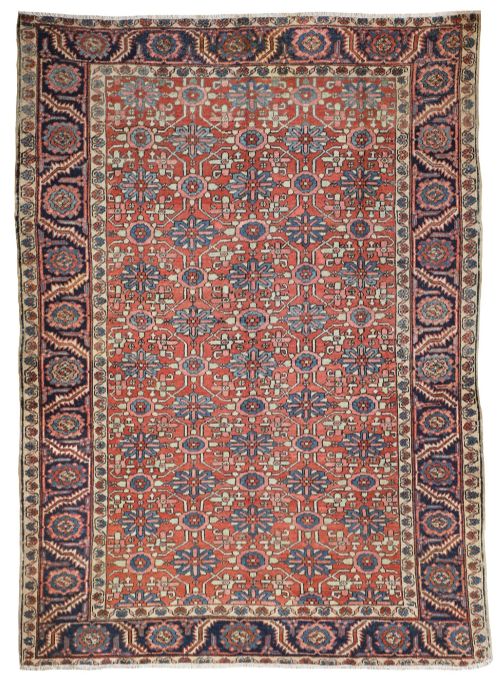
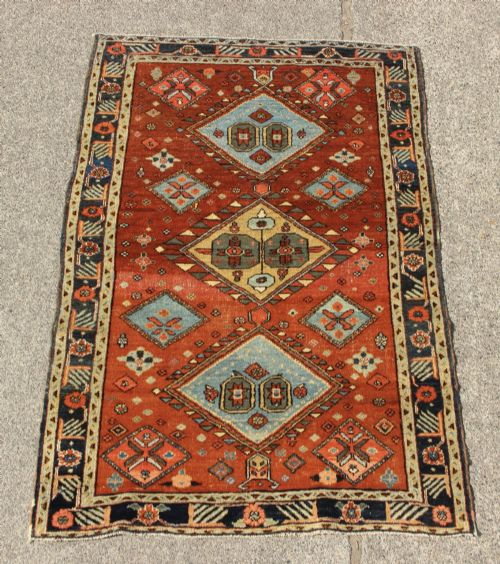
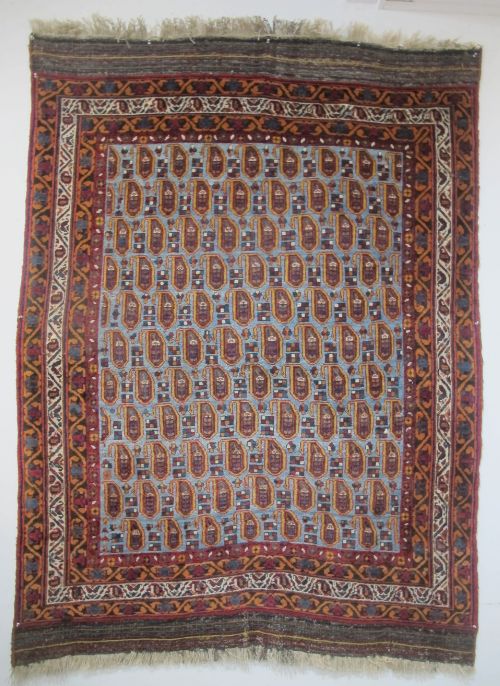
A terracotta area carpet brings warmth to a floor through deep earthy tones, geometric medallions, and intricate tribal patterns. These floor coverings range from large room-sized carpets down to hearth-sized and accent rugs produced across Persian, Caucasian, Turkmen, and Afghan weaving traditions.
The selections span the nineteenth century through the mid-twentieth century, including pieces originating from Heriz, Tabriz, Oushak, and various tribal confederacies. Buyers encounter village productions alongside formal city pieces, each carrying the distinct design vocabulary of its origin.
Larger formats like Heriz and Mahal carpets sit alongside compact Baluch, Afshar, and Khamseh tribal rugs. This variety allows a buyer to find a piece suited to grand reception spaces or smaller studies.
Materials and construction
Construction relies primarily on wool piles knotted onto cotton or wool foundations, utilising natural dyes to achieve deep and enduring colour palettes. Certain finer pieces incorporate silk elements or camel hair within the weave to add texture and subtle tonal variation.
The hand-knotting technique dictates the structure of the pile, while supplementary materials like cotton provide stability to the warp and weft threads. Traditional dyeing methods utilise natural substances, resulting in rich terracotta hues that age gracefully over decades.
Terracotta Area Carpet Retail Price Guide 2026
Typical asking prices for terracotta area carpet among the pieces listed under this phrase on Sellingantiques today, from the lower quarter to the upper quarter. They describe what is for sale here now, not the wider market.
Nomadic weavers sometimes included intentional minor errors in their geometric patterns to ward off the evil eye.
Assessing quality and execution
Quality rests in the precision of the knotting, the density of the pile, and the complexity of the geometric or floral composition. Tighter knots and well-executed symmetrical or medallion layouts separate finer workshop carpets from simpler village or tribal pieces.
The stability of the foundation and the preservation of the original borders indicate the level of care a carpet has received over time. Superior examples maintain structural integrity and vibrant natural dyes despite significant age.
The Terracotta Area Carpet Glossary
- Warp
- The vertical threads stretched across a loom that form the structural foundation of a carpet. The knots are tied around these stationary threads.
- Weft
- The horizontal strands passed through the warp threads after each row of knots to compact and secure the pile. These threads run from edge to edge.
- Medallion
- A large central ornamental design motif placed in the middle of the carpet field. It often takes a geometric or floral shape.
- Gul
- An octagonal or medallion-like motif frequently repeated in Turkmen and Baluch tribal carpets. Each specific clan utilised distinct variations of this pattern.
- Kilim
- A flat-woven carpet or rug produced without a pile by tightly interweaving warp and weft strands. These pieces offer a lightweight alternative to knotted carpets.
- Prayer rug
- A small rug featuring a mihrab or arch design indicating the direction of prayer. These pieces were historically utilised for personal devotion.
Terracotta Area Carpet: Frequently Asked Questions
How do I clean an old carpet?
Professional specialist cleaning is essential for antique knotted carpets to prevent dye bleeding and fibre damage. Domestic washing methods introduce too much moisture and harsh chemicals.
Regular gentle vacuuming without a rotating power brush helps remove surface dust between professional maintenance visits. Keeping the carpet away from direct, prolonged sunlight also preserves the natural dyes.
Are these carpets suitable for heavy traffic?
Wool carpets woven with dense piles handle everyday walking quite well when placed over a quality underlay. The natural lanolin in the wool fibres provides inherent resistance to dirt and wear.
Placing a suitable underpad underneath prevents slipping and cushions the foundation threads against hard floors. This simple step extends the functional lifespan of older textiles significantly.
How do I identify a tribal design?
Tribal designs typically feature repeating geometric motifs, bold guls, and asymmetrical elements woven from memory rather than formal cartoons. These patterns reflect the cultural heritage of nomadic or village groups.
City carpets tend to display more refined floral curves and precise symmetrical medallion layouts. Examining the borders and corner configurations often clarifies the specific regional origin.
What is a room-sized carpet?
Room-sized carpets generally measure over three metres in length, designed to anchor all the furniture within a primary living space. They provide substantial floor coverage compared to smaller accent or hearth rugs.
These larger formats often require considerable time to produce by hand, making them prominent decorative elements in a room. Measuring the available floor space carefully ensures the carpet leaves an even border of exposed flooring.