
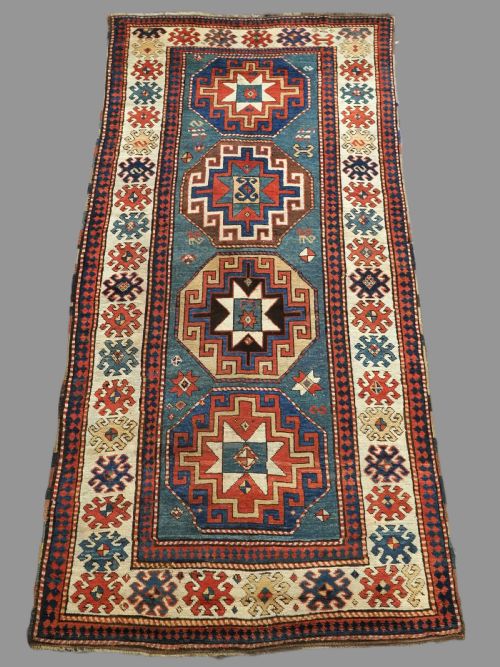
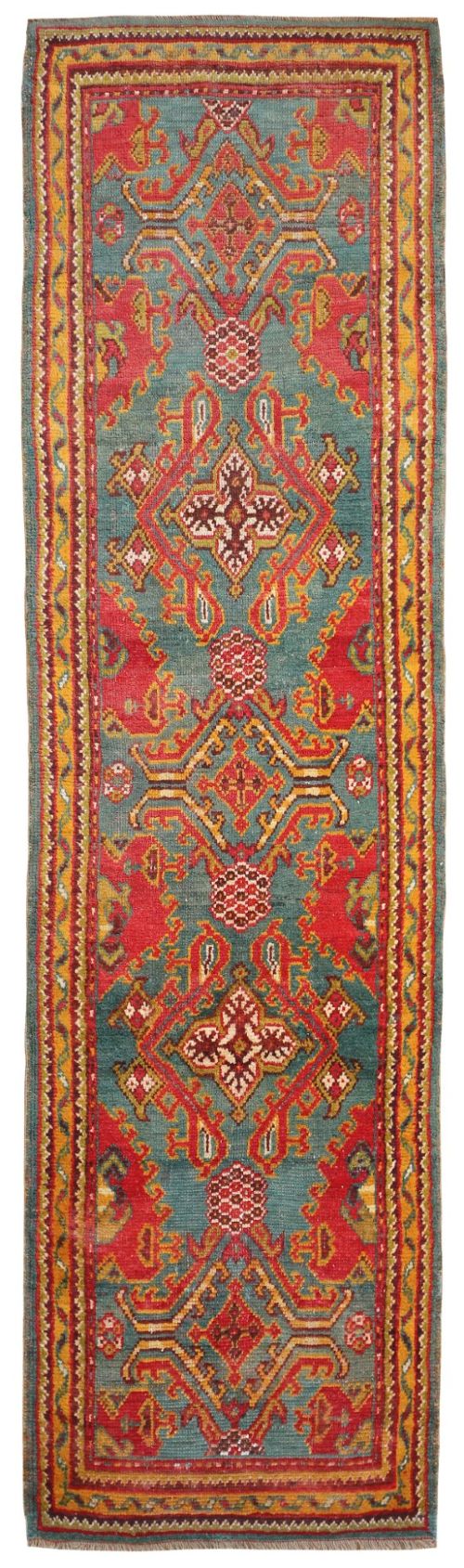


Teal Wool Rug
These teal wool rug examples bring deep coloured pile and historic weave patterns into a room, combining traditional wool with striking dye work.
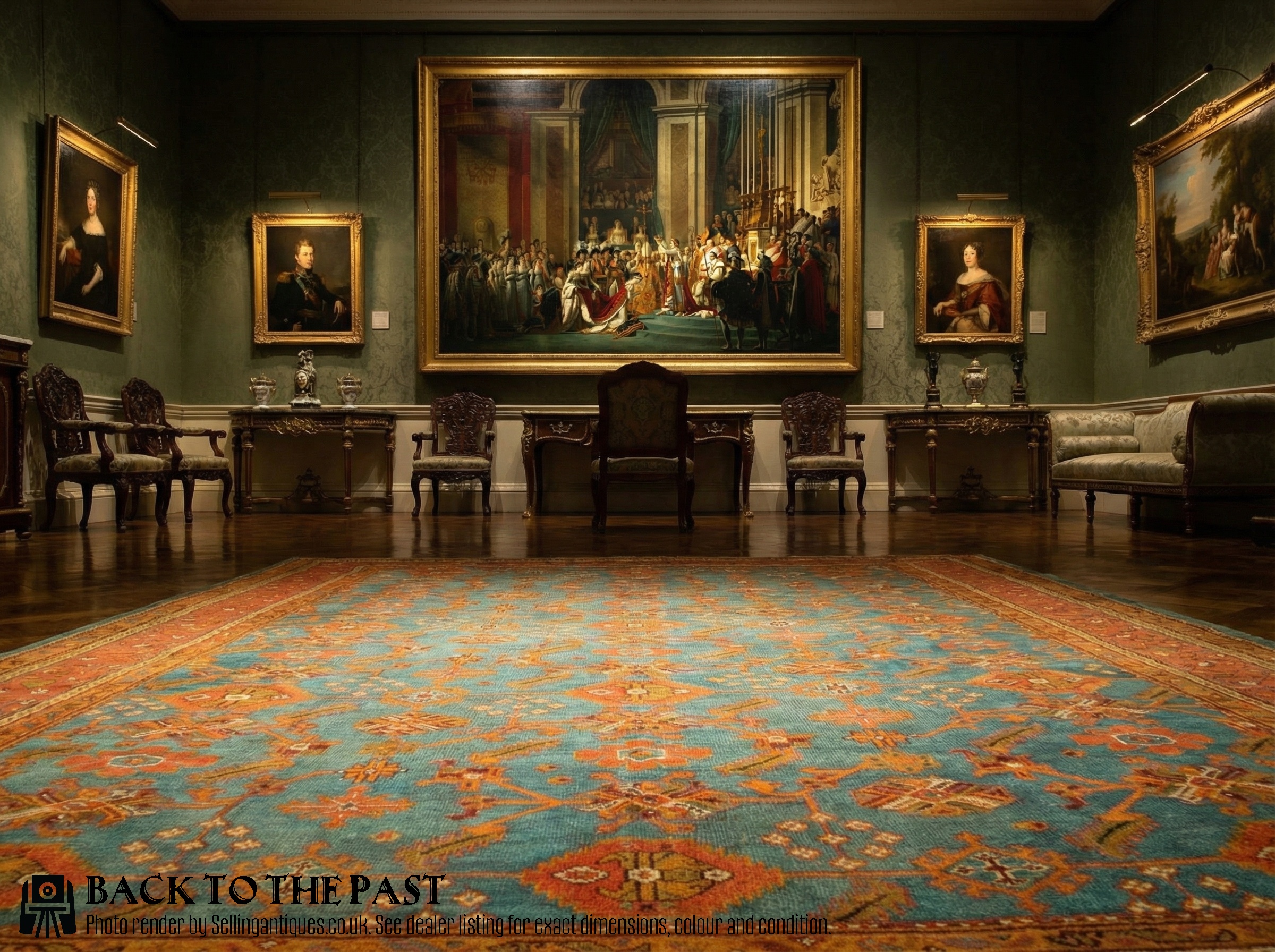
Teal Wool Rug
A teal wool rug brings together traditional textile weaving traditions and distinctive blue-green dye work. Buyers searching for a teal wool rug find pieces originating from various historic regions and periods.
The selection includes runners, area rugs and larger carpets spanning the nineteenth century up to the nineteen-twenties. These floor coverings showcase styles ranging from Oushak and Caucasian to Persian Oriental and Bessarabian kilim designs.
Most pieces date from the Victorian era and the decades around nineteen hundred, utilising wool and cotton construction. Each rug displays the distinct characteristics of its regional workshop or tribal origin.
Materials and construction
The foundation and pile rely primarily on natural wool and cotton fibres spun by hand. Weavers constructed these textiles using traditional knotting and flatweave techniques passed down through generations.
Natural dye sources provided the rich palette seen across the pieces, combining wool pile with sturdy cotton foundations. This pairing ensured durability for everyday floor use while retaining flexibility in the textile structure.
Every antique rug carries stray bits of Anatolian mountain wool that survived centuries of tea spills and wandering village cats.
Judging quality in historic rugs
Quality rests upon the fineness of the knotting and the integrity of the wool pile across the surface. Tightly packed knots provide a dense foundation that withstands centuries of foot traffic.
The harmony of the dye work and the precision of the tribal or regional motifs define the upper tier of examples. Superior pieces maintain balanced proportions and clear articulation of their historic design vocabulary.
The Teal Wool Rug Glossary
- Pile
- The upright yarn loops or cut ends that form the soft surface of a rug. This layer absorbs wear and displays the woven design.
- Kilim
- A flatweave textile produced without a raised pile. These pieces rely on interlocking warp and weft threads to create geometric patterns.
- Runner
- A long and narrow rug format designed specifically for hallways and corridors. This shape guides movement through domestic spaces.
- Warp
- The vertical foundation threads stretched lengthwise on a loom. Weft threads are interlaced across these structural elements.
Teal Wool Rug: Frequently Asked Questions
Where should I place a runner?
Runners suit narrow hallways, corridors and kitchen spaces where linear floor coverage adds warmth. They also function effectively alongside bedside areas.
Ensure adequate underlay placement beneath the rug to prevent slipping on smooth wooden or tiled floors. This extra layer reduces friction damage between the historic textile and the ground.
What defines an Oushak rug?
Oushak rugs originate from the historic weaving centre in western Anatolia, known for softer wool and expansive floral motifs. These pieces often feature muted pastel or teal tones rather than harsh primary colours.
Master weavers employed oversized geometric and vine-scroll patterns that distinguish them from tighter Persian room carpets. Their relaxed knotting structure gives them a distinctive supple drape.
How do I date a carpet?
Dating relies on examining structural materials, knot density, regional design evolution and natural dye characteristics. Comparative analysis with documented examples helps establish a reliable period.
Changes in chemical dye introduction around the late nineteenth century provide clear chronological markers. Wear patterns and selvage construction further assist in verifying age.