


Teak Wooden Cabinet
A teak wooden cabinet brings dense timber and heavy carving into a room, offering practical storage with distinct regional character.
Teak Wooden Cabinet
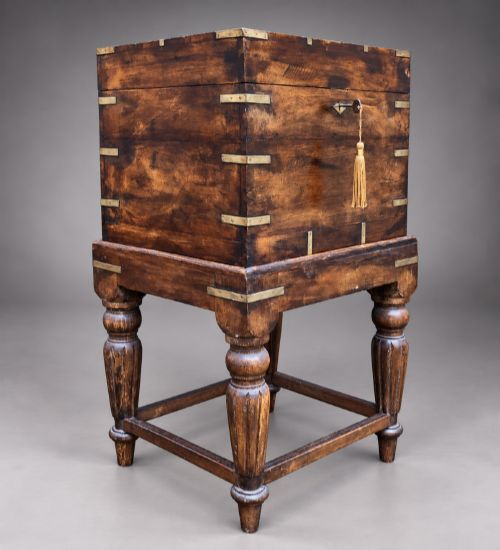
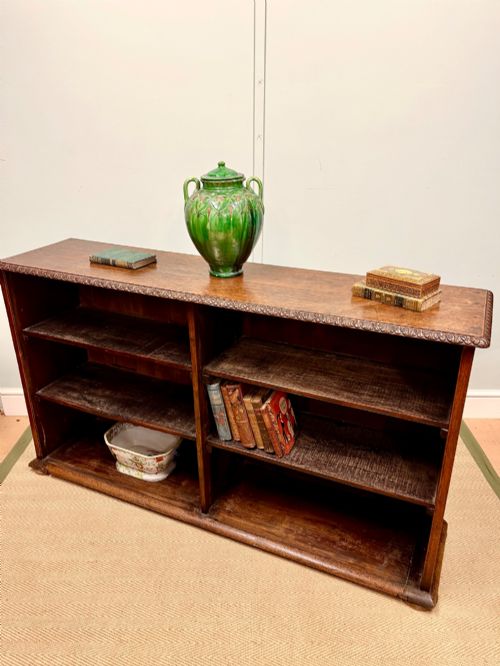
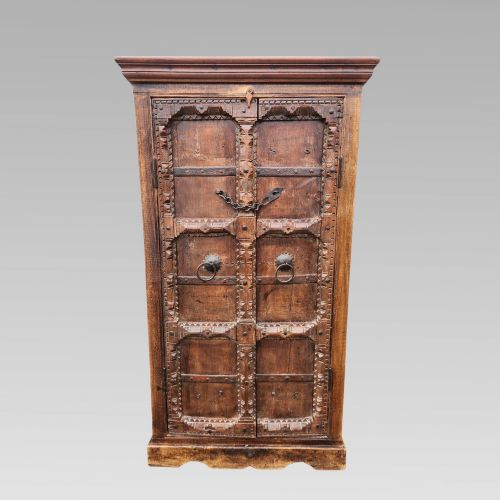
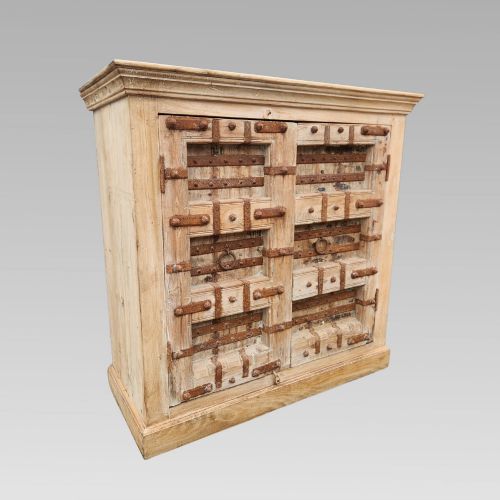
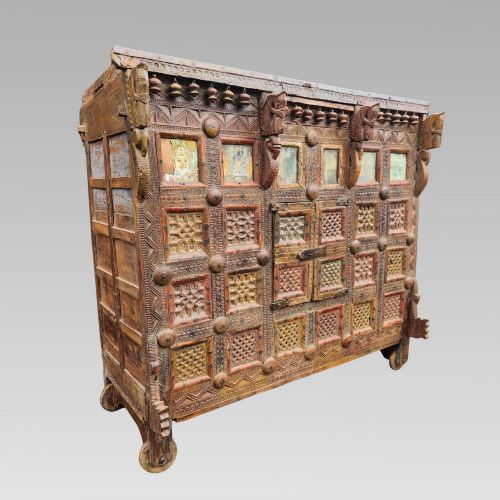
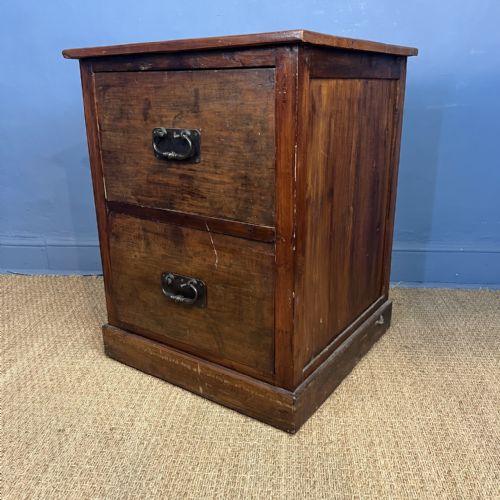
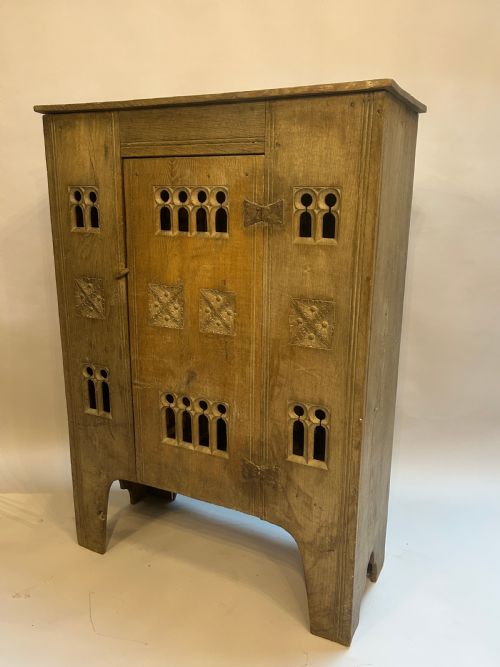
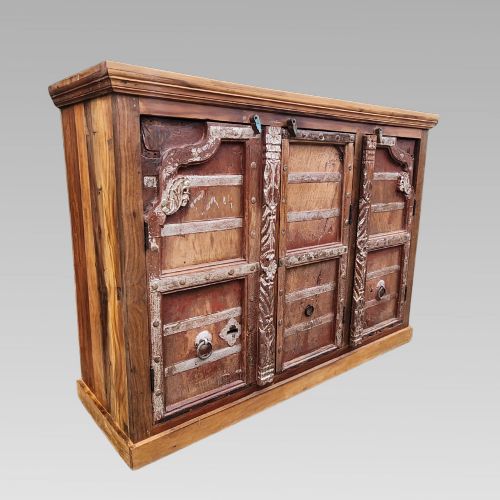
A teak wooden cabinet spans several distinct regional forms, appearing most frequently in 19th century Anglo-Indian, traditional Indian, and provincial styles. Buyers encounter heavy storage cupboards, dowry chests, and multi-drawer filing units rather than uniform production items. These pieces range from carved bookcases and cellarettes to reclaimed storage wardrobes.
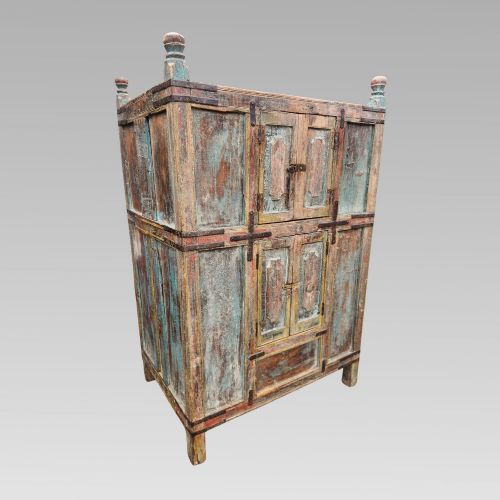
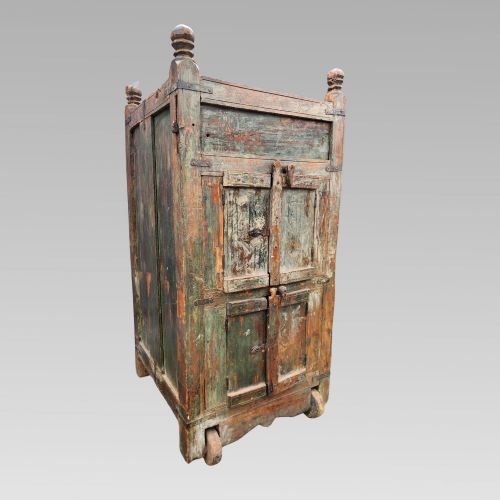
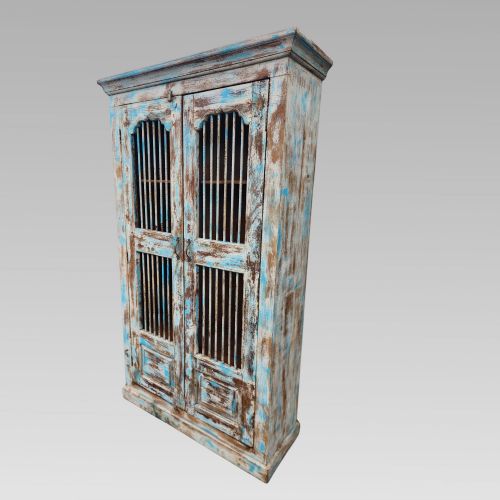
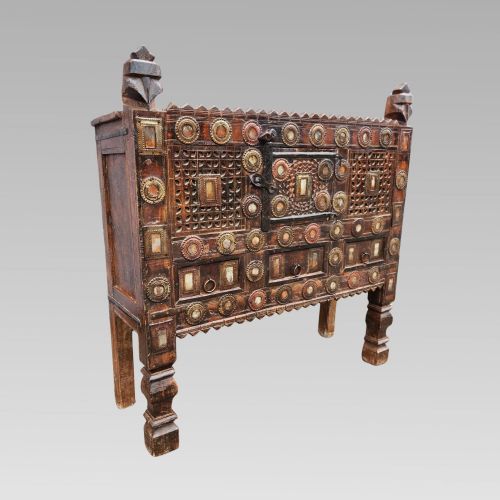
The selection leans heavily towards Indian craftsmanship, including Damchiya dowry chests and carved almirah cabinets alongside Edwardian and mid-century British iterations. Surfaces often display intricate traditional carving, iron or brass hardware, and occasional painted finishes. Each form reflects its original domestic or colonial utility, adapted today as a statement storage piece.
How they were made
Construction relies primarily on dense teak timber, frequently supplemented by secondary hardwoods, oak, and rosewood. Artisans shaped these heavy woods using traditional joinery methods, often incorporating robust iron and brass hinges, locks, and metal bindings to reinforce the structure.
Surface decoration relies on deep hand-carving rather than applied veneer, particularly in Anglo-Indian and Burmese examples. Some storage cupboards and wardrobes utilise reclaimed timber, retaining the marks of earlier construction alongside functional sliding doors, shelving, and multiple internal drawers.
Listings feature teak cabinets spanning from the 19th century through the Edwardian era and the 1930s, incorporating iron, brass, and glass.
What varies in quality
Quality depends heavily on the depth and execution of the hand-carving, as well as the integrity of the structural timber. Superior pieces display crisp, confident chisel work across panels and cornices, whilst simpler items rely on plain surfaces or reclaimed boards.
Hardware integration also marks a distinction between standard storage and finer commissions, with heavy brass mounts, original locks, and intact metal bindings elevating a cabinet. The density of the teak and the stability of the overall frame determine how well the piece has survived centuries of use.
Heals
The Teak Wooden Cabinet Glossary
- Almirah
- A freestanding cupboard or wardrobe used for domestic storage. This term originates from South Asia and typically describes tall, single or double door storage units.
- Damchiya
- A traditional low dowry chest or cabinet from India, often featuring heavily carved panels and recessed compartments. These chests were historically part of a bride's household goods.
- Cellarette
- A lockable container or cabinet designed for storing wine bottles. 19th-century examples often sat on dedicated stands for easy access during dining.
- Davenport
- A compact writing desk featuring a sloped top above a pedestal of drawers. The evidence records examples produced in Anglo-Indian workshops utilising teak.
Teak Wooden Cabinet: Frequently Asked Questions
How do I care for a teak wooden cabinet?
Keep the timber away from direct heat sources and sudden humidity changes to prevent the dense wood from splitting. Dust regularly with a dry cloth and apply natural wax sparingly when the surface appears dry.
Avoid commercial silicone polishes that build up a sticky residue over time. Allowing the natural grain to breathe preserves the rich tone of the timber.
Where were these cabinets originally used?
Many originate from domestic settings in India and colonial British offices, functioning as wardrobes, filing systems, or secure storage for valuables. Dowry chests held household linens and personal items gifted upon marriage.
Larger cupboards and almirahs served general storage needs in grand homes and administrative outposts. Their robust construction suited both domestic and commercial environments.
How do I date an antique teak cabinet?
Examine the construction methods, tool marks on the interior boards, and the style of the brass or iron hardware. 19th-century pieces often feature hand-cut joints and heavier timber framing.
Compare the carving motifs against regional design periods recorded in the evidence. Later 20th-century iterations and reclaimed pieces display different surface patination and assembly techniques.
Will a heavy teak cabinet fit modern interiors?
These pieces provide substantial storage capacity, functioning effectively as statement sideboards, wardrobes, or bookcase units in contemporary rooms. Their dense timber brings warmth and strong visual weight to neutral spaces.
Measure doorways and access routes carefully before purchase, as these cabinets are exceptionally heavy and solid. Placing them against load-bearing walls ensures stability for larger cupboards and chests.