


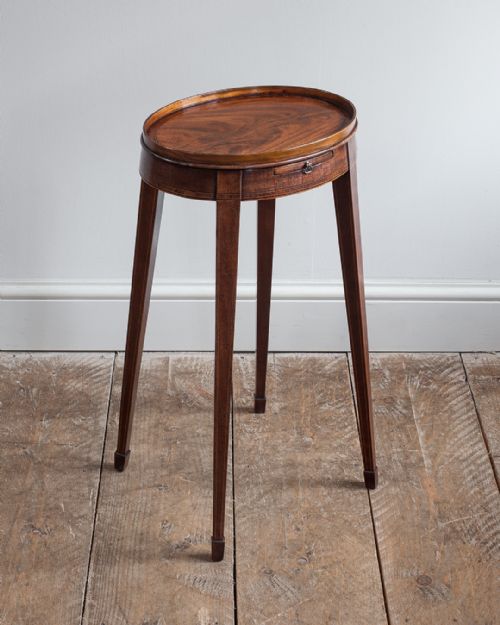
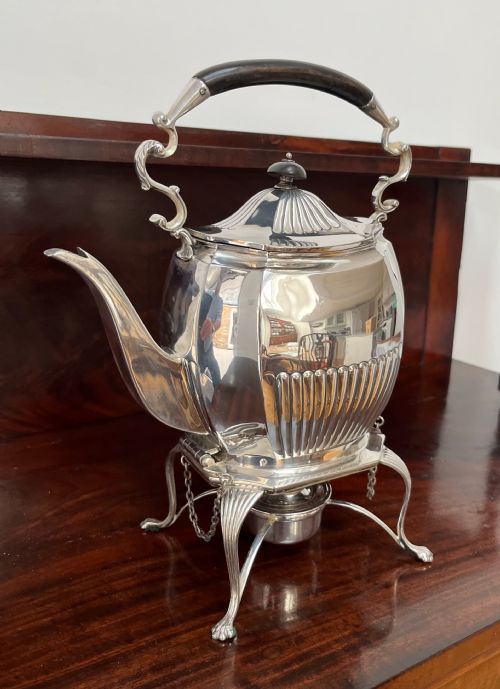


Tea Urn Table
A tea urn table provides a dedicated surface to elevate a heavy vessel, combining utility and craftsmanship from Georgian and Edwardian periods.
Tea Urn Table
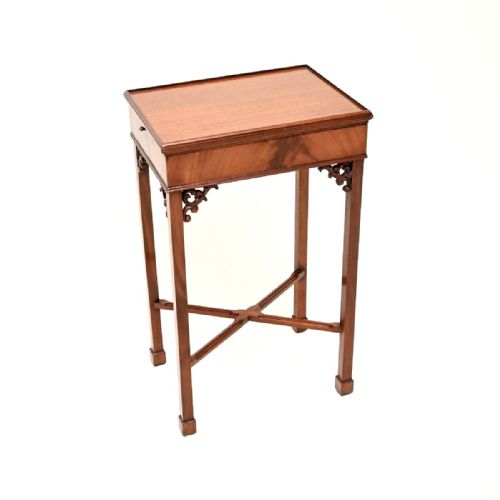
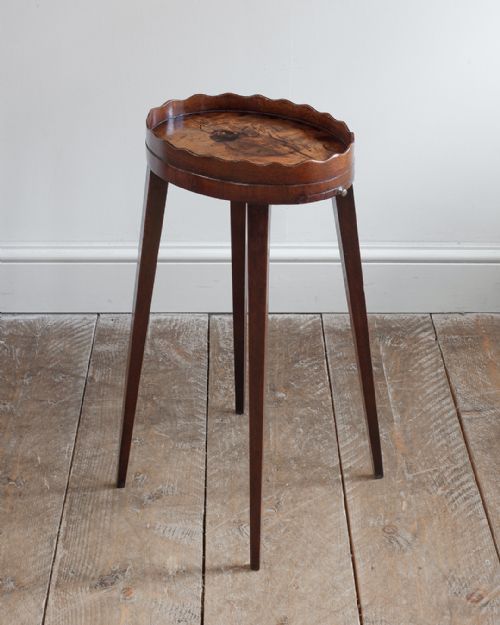
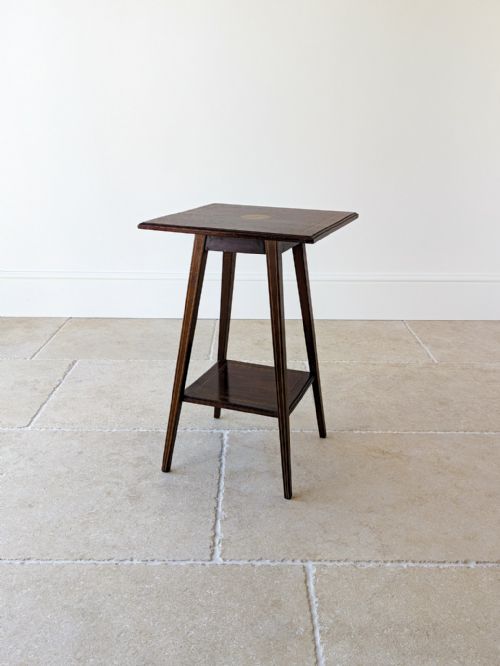
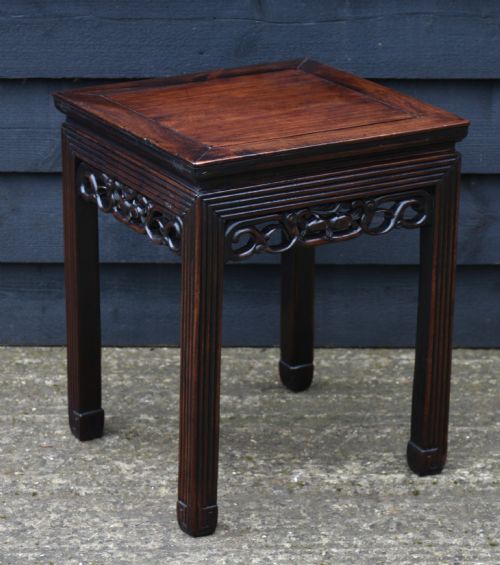
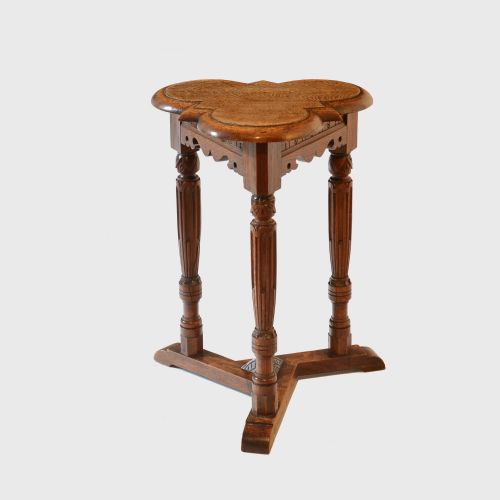
A tea urn table serves to elevate water vessels and kettles, appearing in forms such as compact stands, side tables, and low tables designed for hospitality.
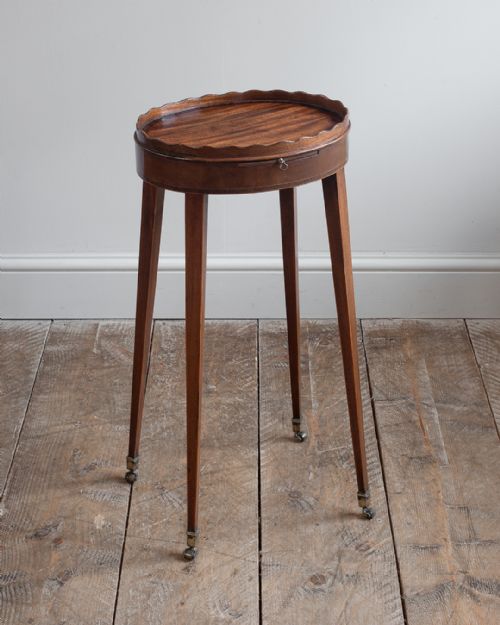
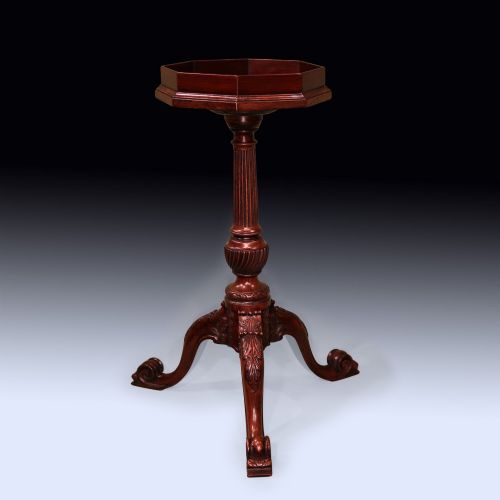
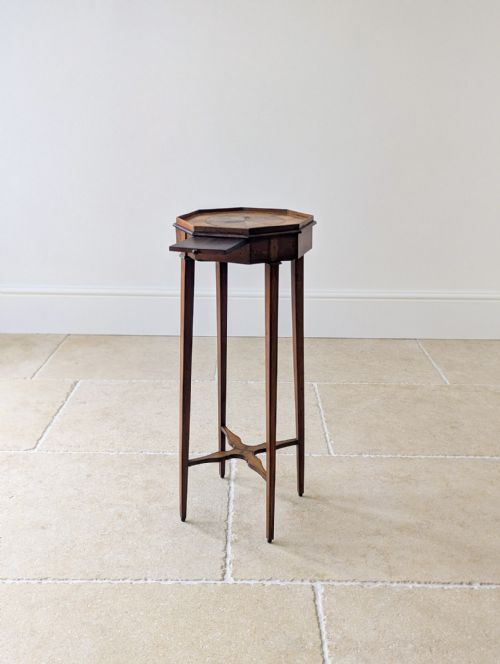
The version most frequently met on this page is the Georgian or George III mahogany kettle stand, often featuring an octagonal or oval top.
Edwardian interpretations also appear, bringing satinwood inlay or brass spirit kettles on matching stands into domestic spaces.
How they were made
Cabinetmakers utilised dense timbers such as mahogany, satinwood, and rosewood, frequently incorporating boxwood and ebony stringing for geometric detail.
Metal vessels and stands combine copper, brass, and silver plate, sometimes matched with integral spirit burners for heating water at the table.
Listings feature mahogany, satinwood, copper, and silver plate across Georgian, Victorian, and Edwardian eras.
What varies in quality
The refinement of carved details on legs and supports distinguishes standard production from exceptional pieces attributed to notable periods like Chippendale or Sheraton.
Proportion and timber selection dictate the success of the piece, with figured mahogany and crisp inlay marking out superior examples.
Walker and Hall·Risler and Carré Paris·William Soutter and Sons·Frederik Ellis Tim and Co
The Tea Urn Table Glossary
- Urn stand
- A small occasional table specifically designed to support a heated tea urn or kettle during social gatherings.
- Spirit kettle
- A water vessel mounted above a small burner fueled by alcohol, allowing water to remain hot during tea service.
- Satinwood
- A lustrous, fine-grained timber with a yellowish colour, frequently utilised for banding and marquetry inlay on late eighteenth-century furniture.
- Concertina action
- An expanding frame mechanism utilised in fold-over tables to provide stable support for the opened top without blocking legroom.
Tea Urn Table: Frequently Asked Questions
What is a tea urn table used for?
These compact stands supported heavy vessels used for serving tea in domestic drawing rooms during the eighteenth and nineteenth centuries.
They kept hot water close to hand while protecting polished dining and side tables from heat damage.
How do I date a mahogany stand?
Cabinetmakers relied on shifting stylistic cues, moving from heavy carved cabriole legs in the mid-eighteenth century to tapered legs with satinwood inlay by the Regency period.
Timber density, patination, and construction joints also offer clear indicators of age.
Can I use a kettle stand today?
These tables adapt easily to modern interiors as lamp tables, plant stands, or occasional surfaces beside seating.
Their modest footprints allow them to fit into tight corners while adding period character to a room.
What is the difference between a kettle stand and a tea table?
Kettle stands are tall, narrow tables built to hold a single urn or spirit kettle at a convenient height.
Tea tables usually feature folding tops designed to open out for serving tea and playing cards.