

Tapestry Footstool Ottoman
A tapestry footstool ottoman brings tactile textile warmth and traditional low seating into a room, combining practical comfort with historical craftsmanship.
Tapestry Footstool Ottoman
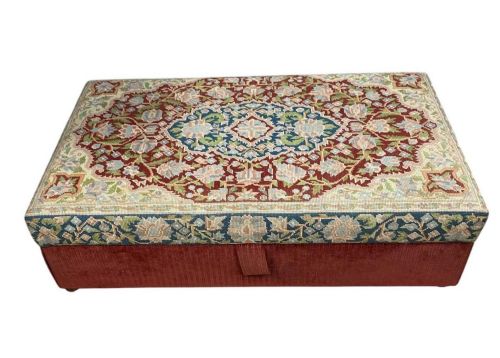
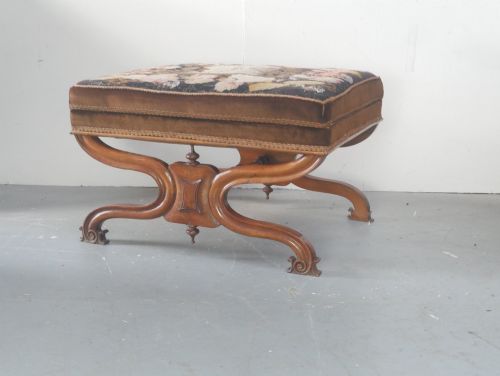
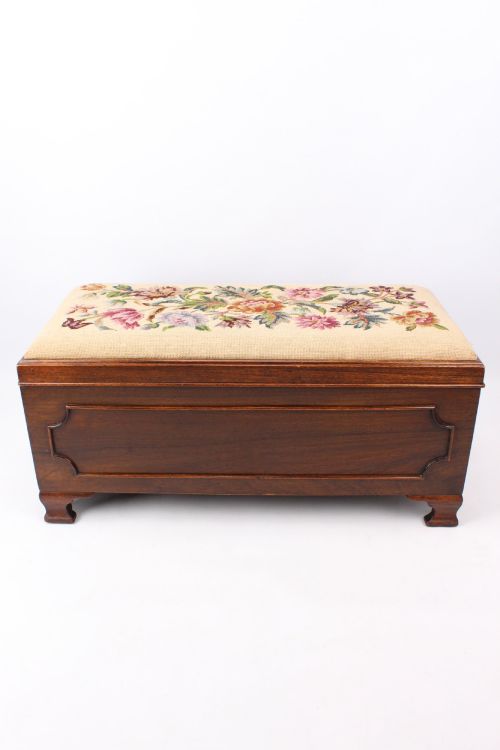
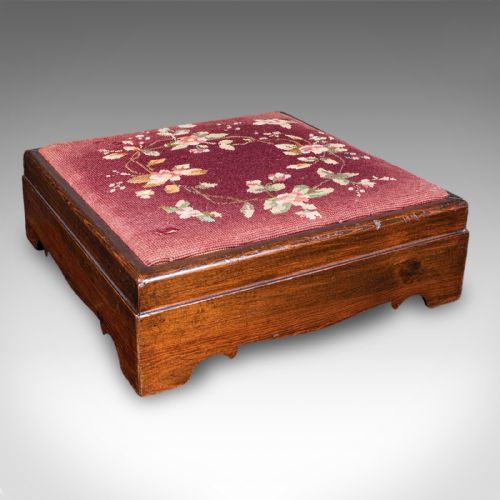
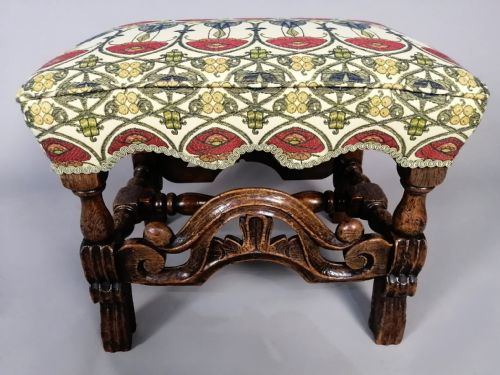
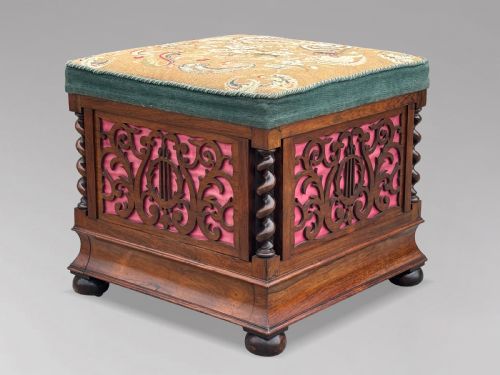
A tapestry footstool ottoman encompasses various low seating forms designed for resting feet or low lounging, heavily represented by Victorian examples. These pieces range from small round footstools to large country house storage ottomans and dressing table seats.
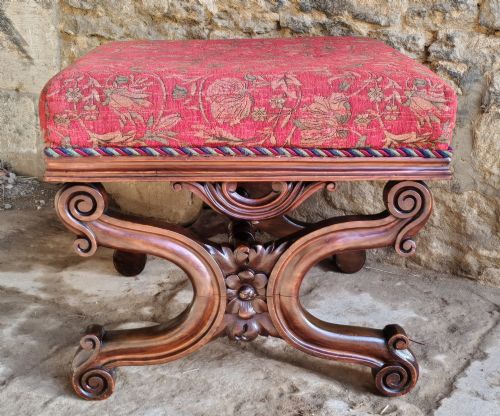
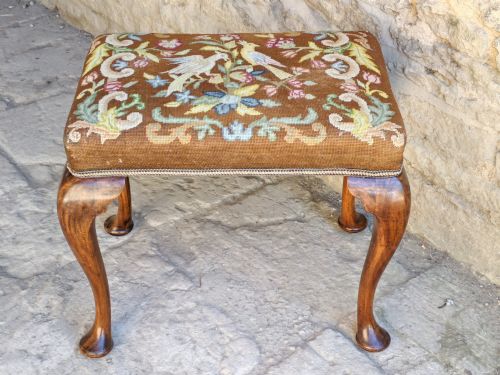
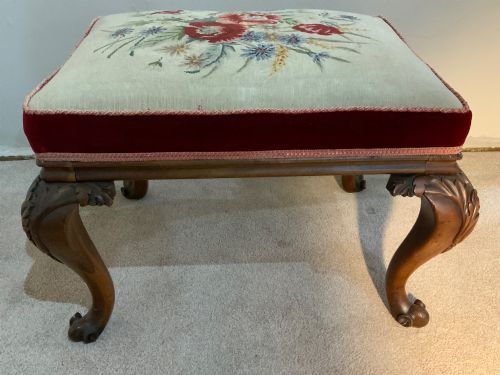
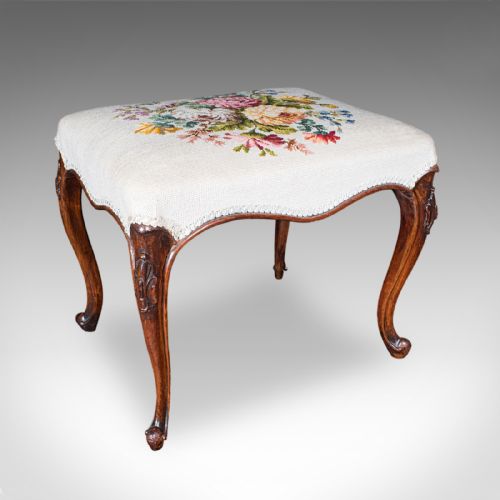
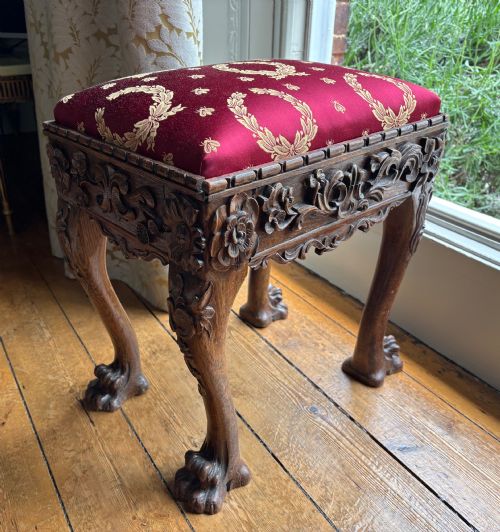
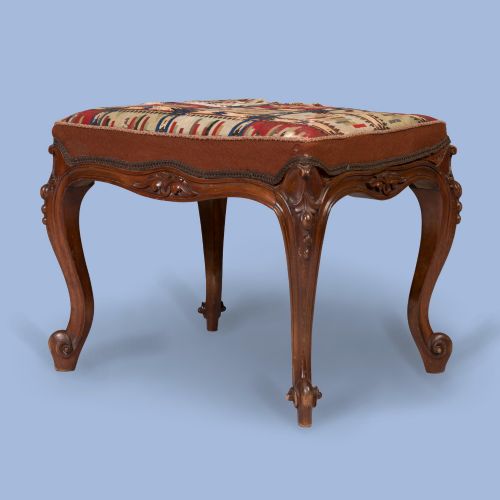
The selection includes specific revival aesthetics such as Queen Anne style, Chippendale revival, and Victorian Rococo revival, alongside periods like Regency and the nineteenth century. Woods such as walnut and mahogany frequently form the structural base for these textile-covered pieces.
Materials and Technique
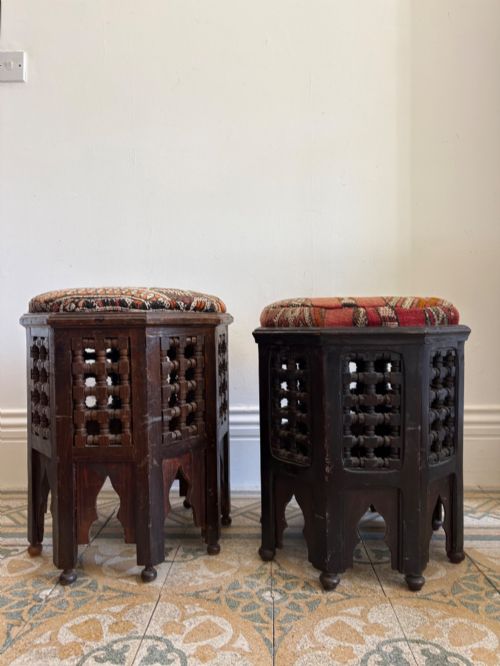
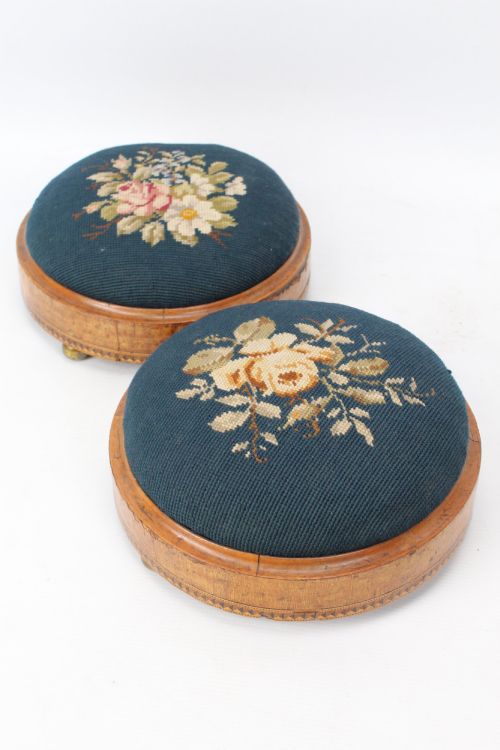
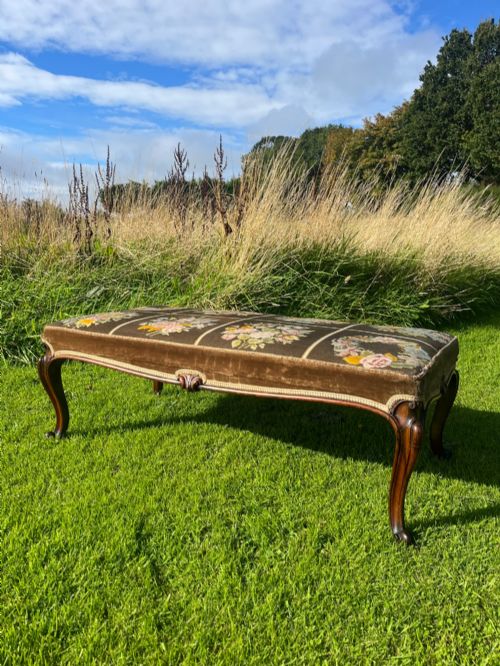
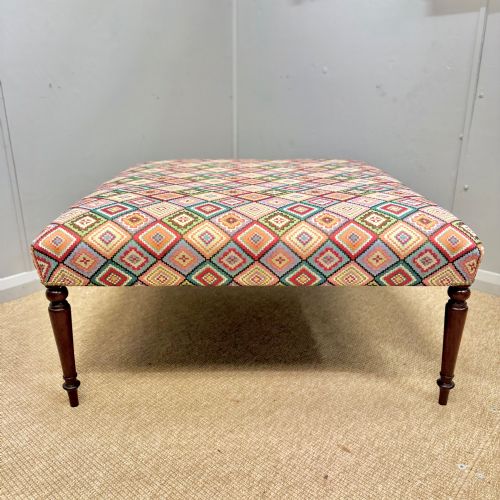
Surface decoration integrates textiles such as needlepoint, gros point, wool, velvet, fabric, and kilim tapestry. Detailed embellishments like Tunbridge ware inlay and brass accents complete the construction of these padded seats.
Tapestry Footstool Ottoman Retail Price Guide 2026
Typical asking prices for tapestry footstool ottoman among the pieces listed under this phrase on Sellingantiques today, from the lower quarter to the upper quarter. They describe what is for sale here now, not the wider market.
Tunbridge ware inlays hide tiny wooden mosaics inside the woodwork, giving neat geometric secrets to curious fingers.
Craftsmanship and Materials
Quality reveals itself in the crispness of the timber carving and the density of the hardwood frame, where walnut and rosewood sit at the upper end of the scale. Substantial joinery ensures the piece remains rigid under weight over generations.
The execution of the textile work dictates the distinction between standard items and superior examples. Hand-stitched needlepoint, petit point, and traditional kilim covers display intricate patterns and tight fibre density that mark out finer workshops.
Hallett & Sons
The Tapestry Footstool Ottoman Glossary
- Needlepoint
- A form of canvas work embroidery executed with wool or yarn, frequently creating the pictorial or geometric tops seen on these seats.
- Cabriole leg
- A furniture leg that curves out and then in, commonly terminating in a pad or scroll foot on nineteenth-century seating.
- Tunbridge ware
- A type of decorative woodwork characterised by minute mosaic tesserae forming pictorial or geometric patterns on small wooden surfaces.
- Kilim
- A flatwoven textile originating from the Middle East or Eastern Europe, utilised here as a durable upholstery covering.
Tapestry Footstool Ottoman: Frequently Asked Questions
How were tapestry footstools used?
These low seats served beside firesides and dressing tables to elevate feet or provide convenient temporary seating. Larger variants functioned as window seats or central room ottomans.
Their substantial padded surfaces also accommodated needlework trays or functioned as informal storage units in grander country houses.
How do I identify a Victorian footstool?
Victorian examples typically feature dark hardwoods like walnut or mahogany paired with dense needlepoint or wool tapestry upholstery. Look for characteristic design motifs such as cabriole legs, carved scrolling woodwork, and geometric kilim patterns.
Construction methods from this era often include hand-cut joinery and heavy frames built to withstand decades of daily domestic use.
Are these ottomans comfortable for daily use?
The sturdy timber frames and dense traditional stuffing provide firm, supportive seating rather than deep modern cushioning. They suit placement beside low armchairs or at the foot of a bed.
Care should be taken with antique textile covers to preserve the historical wool and fabric integrity during regular use.
What is the difference between an ottoman and a footstool?
Footstools generally remain smaller and focus purely on supporting feet near firesides or chairs. Ottomans often offer larger proportions and sometimes include internal storage spaces.
Both categories frequently share similar textile upholstery methods, including needlework and tapestry covers.