


Tan Leather Seating
Tan leather seating brings warmth and character to a room through aged hides and traditional frames.
Tan Leather Seating
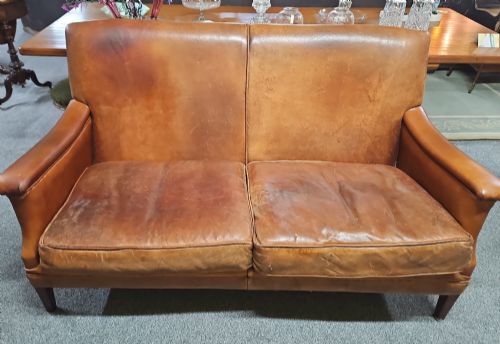
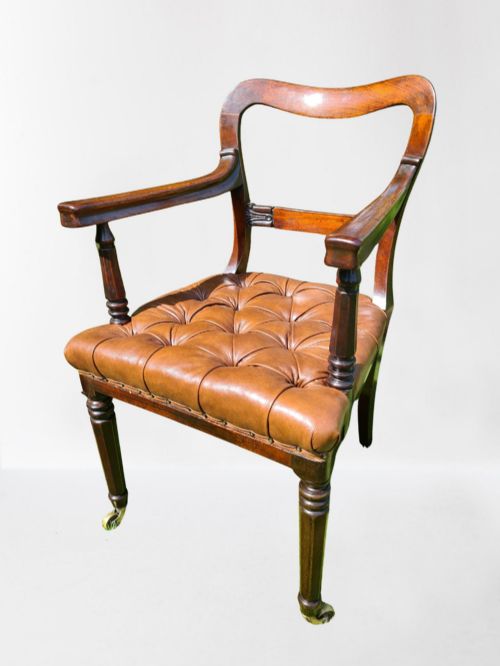
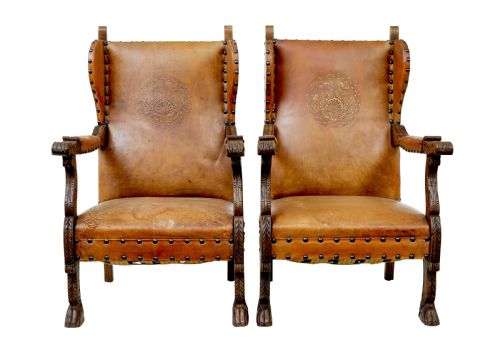
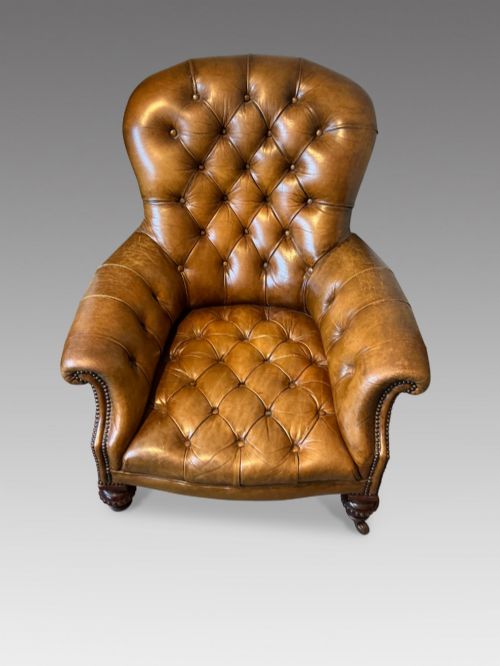
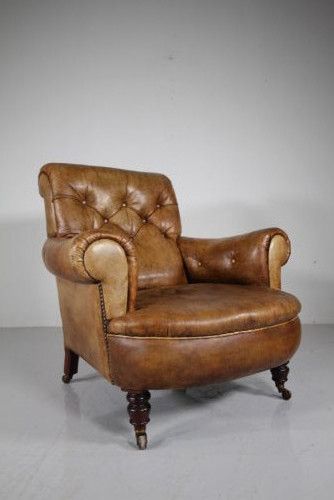
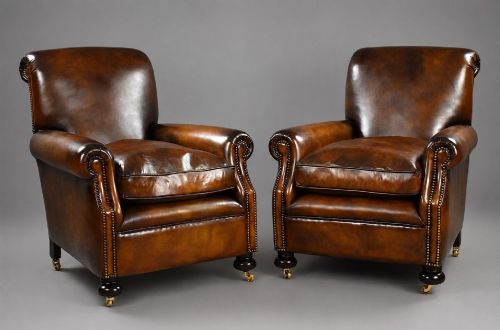
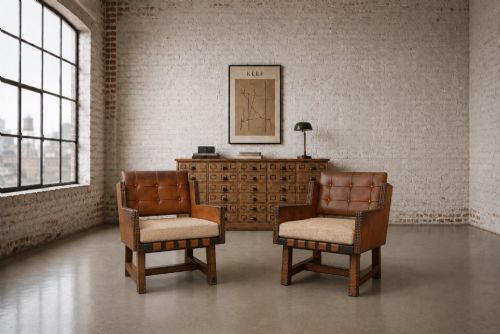
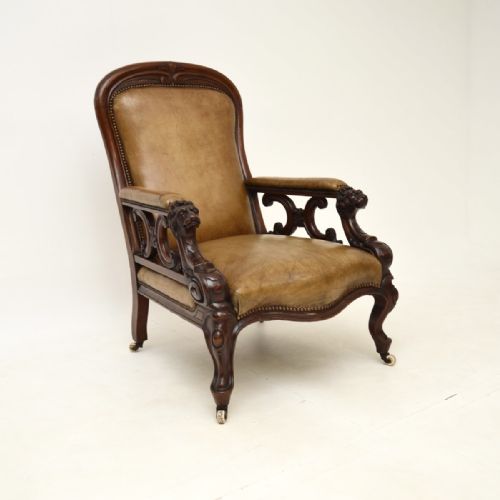
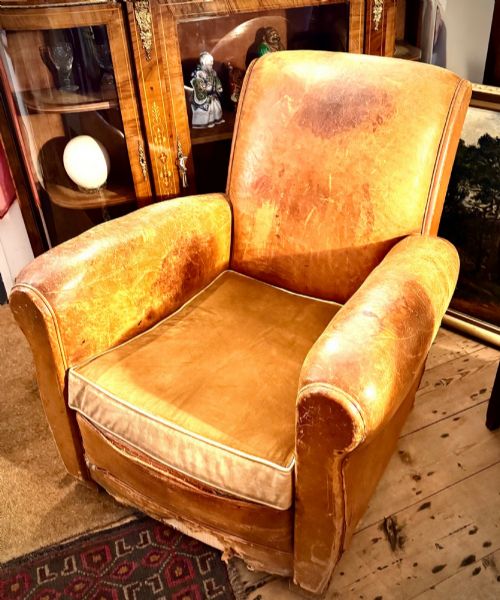
Tan leather seating encompasses a wide range of antique and vintage forms, from Victorian armchairs and robust club fenders to Edwardian couches and dining chairs. When searching for tan leather seating, buyers frequently encounter 19th-century library chairs alongside 1920s and 1930s Art Deco club chairs.
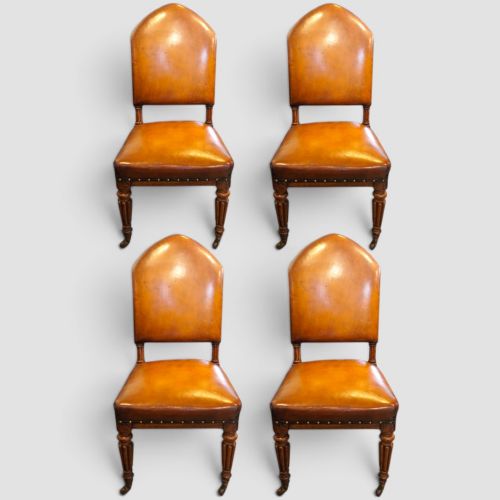
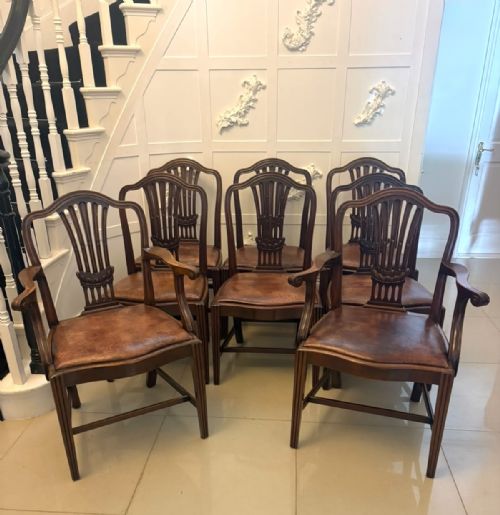
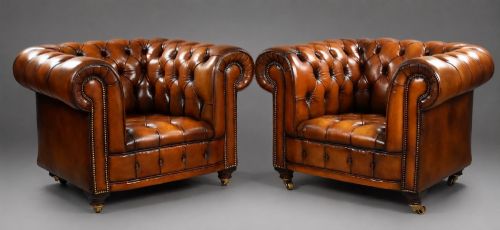
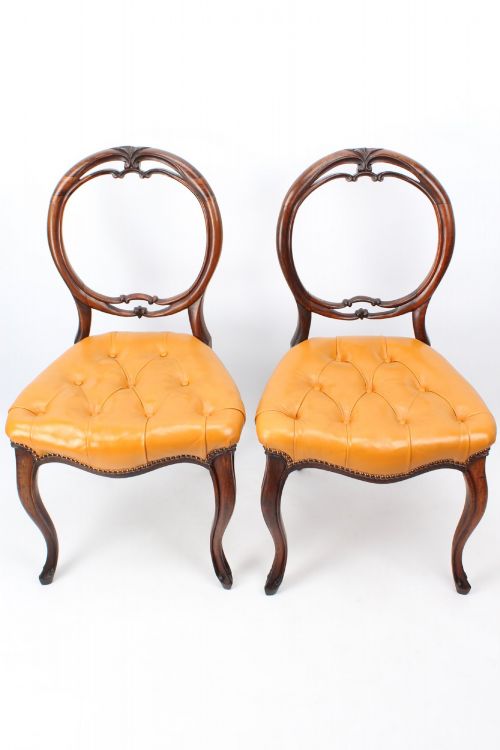
The selection ranges from large scale country house armchairs and Chesterfield sofas to sets of mahogany or oak dining chairs with leather seats. Many pieces derive from specific historical styles, including Regency, Chippendale Revival, and Victorian Gothic.
Origins vary across English workshops and continental makers, incorporating materials like mahogany, rosewood, oak, and brass alongside the defining leather upholstery.
Distinctions in quality
Quality rests on the integrity of the timber frame and the condition of the natural hide. Substantial proportions, careful carving, and maker attribution separate standard items from superior library and desk chairs.
The depth of the patina on the leather and the retention of original upholstery techniques dictate the desirability of a piece. Finer examples display harmonious proportions and robust joinery across arms, legs, and backrests.
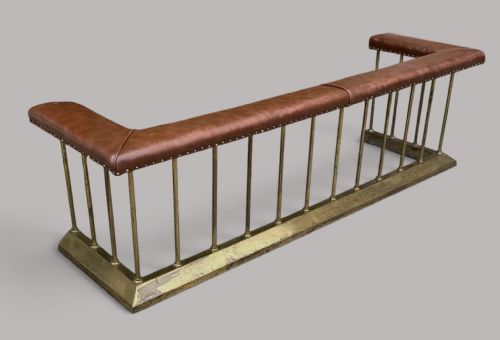
Some club fenders double as brass footrests, keeping toes warm while leaning against the hearth.
Howard And Sons
The Tan Leather Seating Glossary
- Club fender
- A low, padded seat built around a fireplace hearth with a brass or iron frame. It provides fireside seating with integrated metal rails.
- Bergere
- An enclosed wooden armchair with upholstered sides and back. The frame is typically exposed timber such as mahogany or walnut.
- Chesterfield
- A large sofa or armchair characterised by deep button tufting and rolled arms of equal height. It forms a traditional focal point in studies and libraries.
- Shield back
- A chair back shaped like a heraldic shield, popular in late 18th-century and revival dining chairs. This form frequently pairs with leather drop-in seats.
- Gainsborough chair
- A wide, open-armed desk or reading chair with a padded back and seat, standing on short legs. It dates back to the mid-18th century and appears in later revival forms.
Tan Leather Seating: Frequently Asked Questions
How do I care for antique tan leather?
Keep leather seating away from direct heat sources and strong sunlight to prevent the hide from drying out. Apply specialised leather balms periodically to maintain suppleness and preserve the natural patina.
Avoid using harsh chemical cleaners or modern detergents on historical hides. Dust regularly with a soft, dry cloth to protect the surface.
What periods do these chairs come from?
The pieces span from the 19th century through the Edwardian era and into the 1920s and 1930s. Victorian and Regency examples feature traditional timber frames and formal silhouettes.
Later 20th-century pieces often showcase Art Deco styling and heavier club chair proportions. Each era brings distinct construction details and wood selections.
Are club fenders sturdy enough for seating?
Club fenders are built with substantial brass or iron frames designed specifically to support weight around a hearth. Their padded top rails provide durable seating alongside the fireplace.
The robust metal construction ensures stability during everyday use. Many incorporate heavy bases that anchor the fixture securely to the floor.
How do I identify an Art Deco club chair?
Art Deco club chairs from the 1920s and 1930s typically feature low, rounded profiles and deep, enveloping seats. They utilise smooth sheep hide or caramel tan leather without traditional button tufting.
The emphasis rests on clean, curved lines and comfort rather than elaborate wood carving. These chairs often present a heavier, more streamlined silhouette than Victorian seating.