
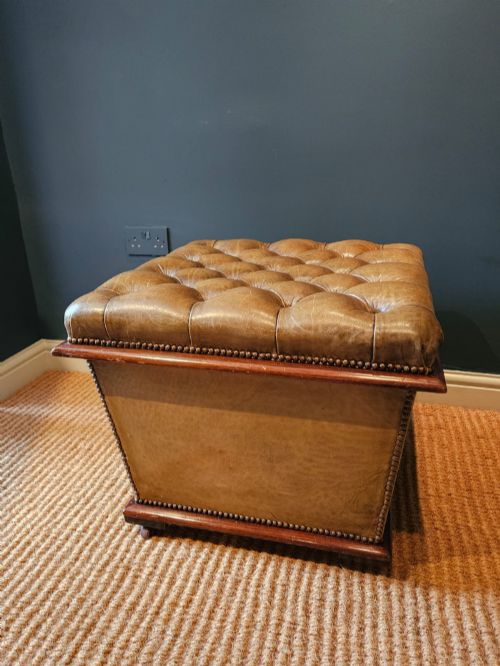


Tan Leather Chesterfield
A tan leather chesterfield delivers deep buttoning and enduring seating framed in period timber, bringing tactile warmth and historic character to any room.
Tan Leather Chesterfield
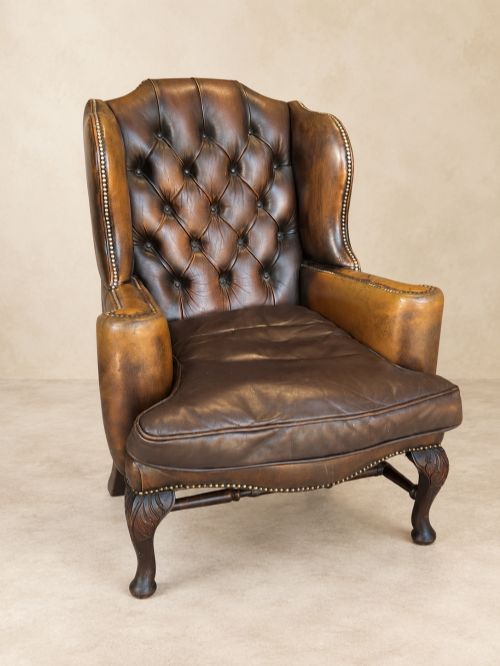
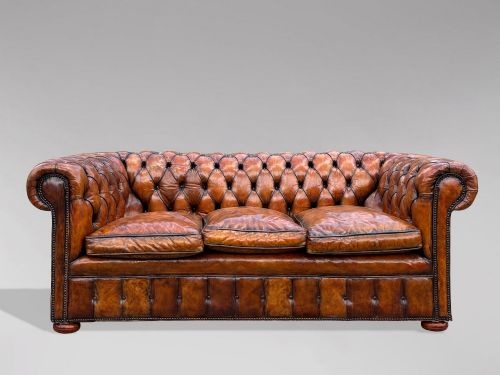
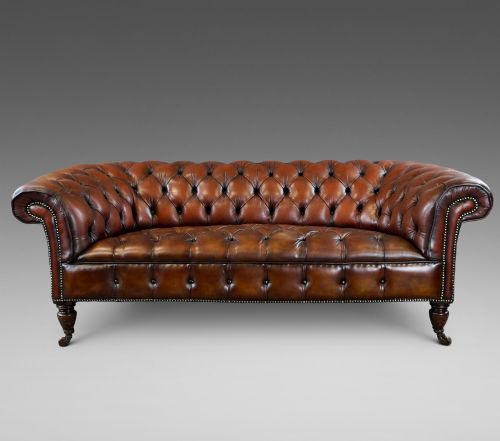
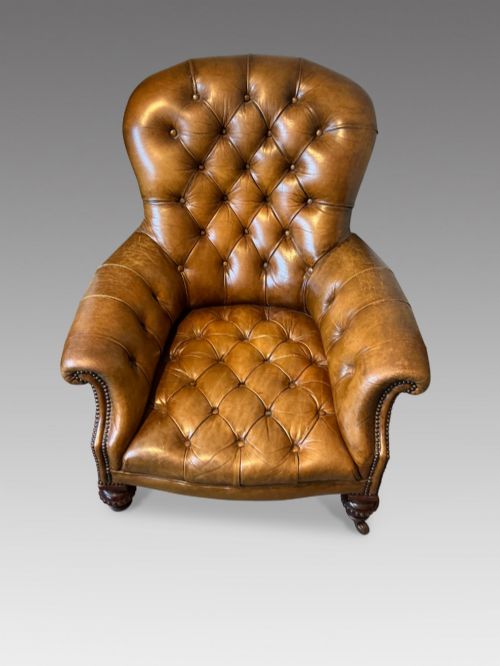
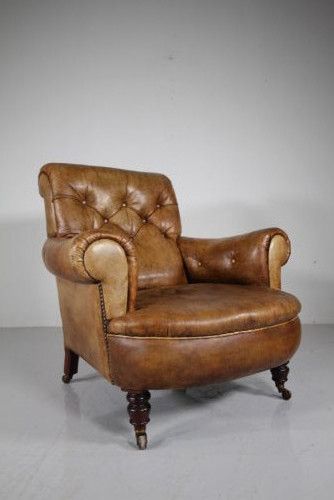
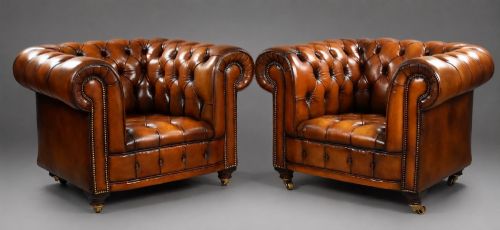
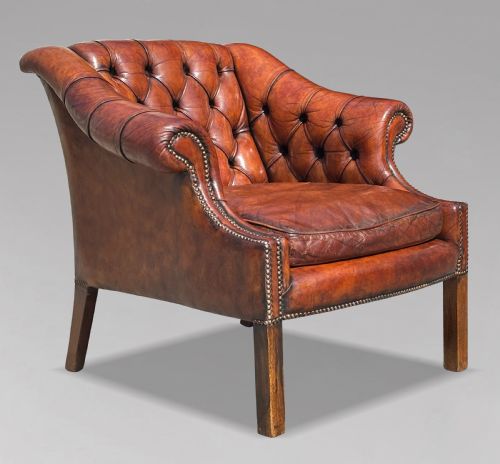
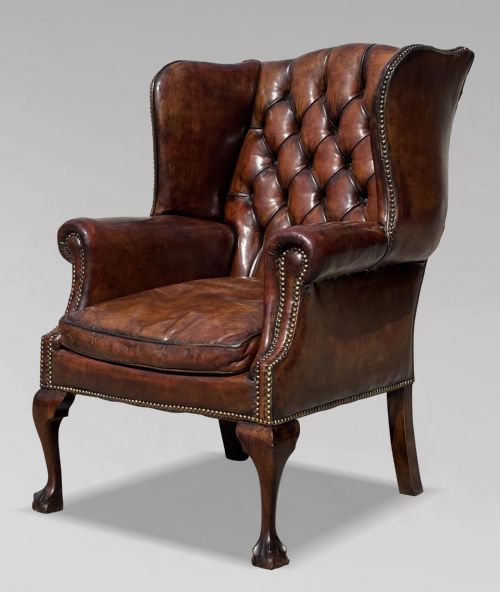
When you search for a tan leather chesterfield, you encounter robust seating forms built across the nineteenth and early twentieth centuries, spanning armchairs, large sofas, and footstools. Victorian pieces dominate the selection, often presenting deep buttoning and rich hide upholstery that has aged through decades of use. Alongside standard three-seater sofas, the inventory includes wing armchairs, club chairs, and low benches originating from periods such as the Regency, Victorian era, and the 1920s.
The materials recorded in these listings rely heavily on traditional timber frames combined with leather, brass, and horsehair stuffing. Makers utilised mahogany, English oak, walnut, and general hardwood to construct sturdy internal skeletons capable of supporting heavy upholstery. These elements align with traditional English styles and Georgian design influences, resulting in seating that serves both functional lounging and formal interior display.
How they were made
Makers constructed these pieces using solid wood frames of mahogany, walnut, or English oak, joined to endure heavy daily use. Traditional stuffing methods utilised horsehair and coil springing to build resilient interior support beneath the outer hide.
Upholsterers applied leather hides over the internal padding, securing the upholstery with deep buttoning techniques and sometimes finishing the edges with brass detailing. Frames often incorporated carved wooden elements, ranging from show frames to detailed lion carvings on the arms.
Tan Leather Chesterfield Retail Price Guide 2026
Typical asking prices for tan leather chesterfield among the pieces listed under this phrase on Sellingantiques today, from the lower quarter to the upper quarter. They describe what is for sale here now, not the wider market.
The listings span periods from the Georgian era through to the 1940s, utilising materials such as mahogany, English oak, brass, and traditional horsehair.
What varies in quality
The integrity of the internal frame construction separates standard examples from superior pieces, with solid hardwood skeletons providing lasting stability. Finer items display meticulous hand-carving on exposed timber frames and show superior joinery.
The condition and treatment of the leather hide define the visual depth of each piece, where hand-dyed finishes and original patination indicate higher craftsmanship. The precision of the deep buttoning and the retention of traditional stuffing materials further distinguish the grade of the seating.
Howard & Sons·Robert Mouseman Thompson·Gillow
The Tan Leather Chesterfield Glossary
- Chesterfield
- A traditional upholstered seating form characterised by rolled arms and a back of the same height, featuring deep buttoning throughout. This design originated in Britain and remains a staple of period furniture.
- Deep buttoning
- An upholstery technique where buttons are pulled tight through the padding to create a grid of deep dimples. This method secures the internal horsehair stuffing and gives the leather its signature tufted surface.
- Show frame
- An exposed wooden framework surrounding the upholstered portions of a chair or sofa. These frames are often carved from walnut or mahogany to display the maker's craftsmanship.
- Wing armchair
- A high-backed chair featuring projecting side panels designed to shield the sitter from draughts. They frequently appear upholstered in buttoned leather within nineteenth-century collections.
- Hand-dyed leather
- Hide treated with layered dye techniques to achieve a rich, antiqued tone. This process accentuates the natural grain and historical wear of the material.
Tan Leather Chesterfield: Frequently Asked Questions
How do I date a chesterfield?
Dating relies on examining the framing timbers, upholstery methods, and the style of the legs or feet. Victorian pieces often feature heavy buttoning and specific wood turnings that distinguish them from later twentieth-century iterations.
Changes in padding materials, such as the transition to modern foams, also help separate antique pieces from later reproductions. Consulting the specific period markers in the listing provides a reliable timeframe for each item.
Are these sofas comfortable for daily use?
Most antique chesterfields offer firm, supportive seating due to traditional coil springing and dense horsehair stuffing. Their robust construction is designed to withstand regular sitting.
Restored pieces often retain their original supportive qualities while providing clean leather surfaces. Sitting posture tends to be upright, characteristic of nineteenth-century seating design.
How should I care for antique leather?
Leather maintenance requires regular dusting and occasional treatment with appropriate conditioners to prevent the hide from drying out. Avoiding direct sunlight and extreme heat sources protects the historic finish.
Preserving the natural patination involves gentle cleaning rather than aggressive chemical restoration. Professional leather balms help maintain the suppleness of nineteenth-century and early twentieth-century hides.
What is hand-dyed leather?
Hand-dyed leather refers to hides that have been coloured using manual application techniques rather than industrial dipping. This method produces tonal variations that mimic natural ageing.
Restorers often utilise this process to blend replacement leather sections or to revive dry antique surfaces. The technique enhances the depth of the brown and whisky tones seen across period frames.