
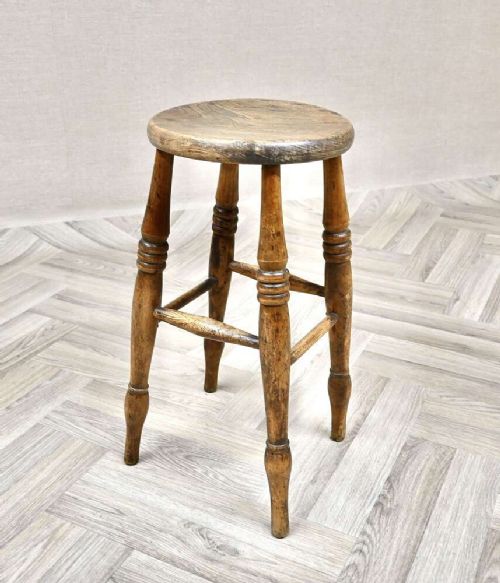
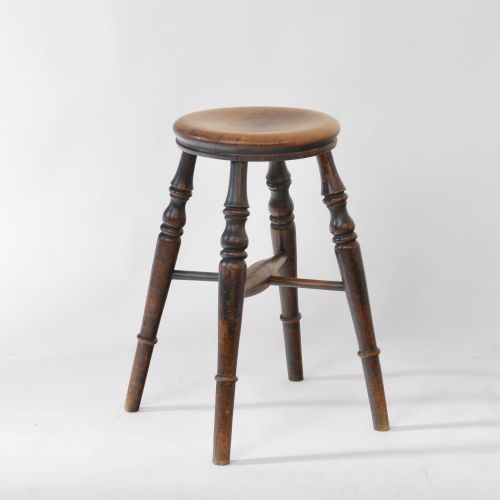
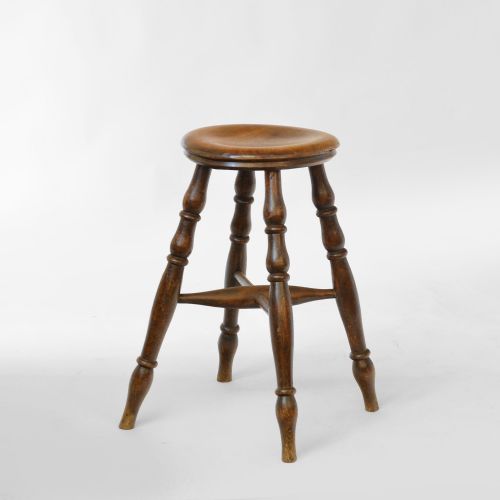
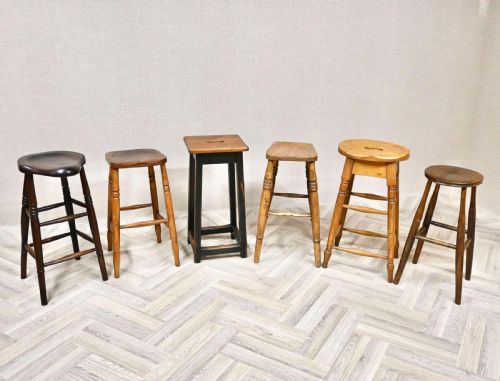
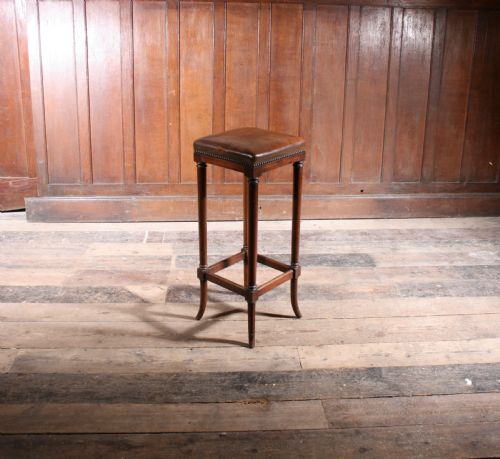


Tall Wooden Seat
A tall wooden seat brings elevation and character to a room, offering practical perch height through centuries of traditional craftsmanship.
Tall Wooden Seat
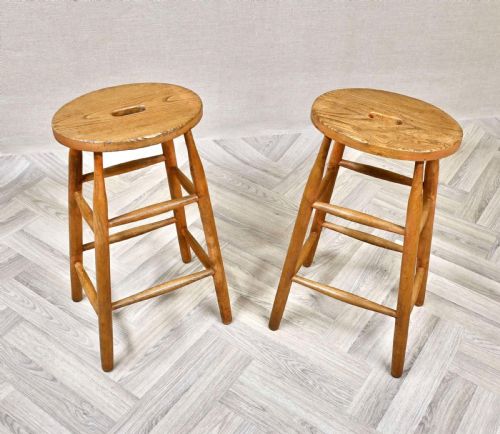
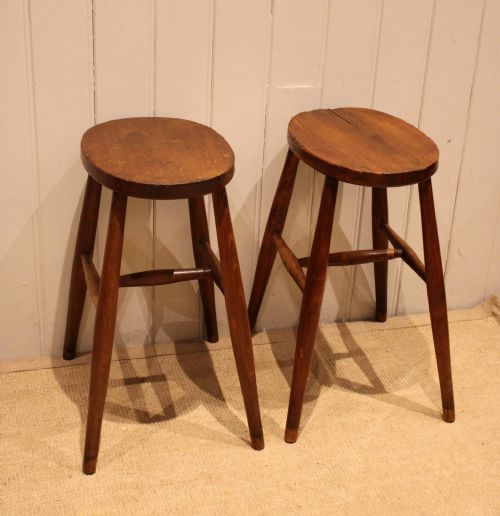
A tall wooden seat encompasses elevated furniture designed for practical workspaces, pubs, and domestic kitchens. These pieces range from clerk and tavern stools to farmhouse bar stools and highchairs spanning the eighteenth century through to the twentieth century.
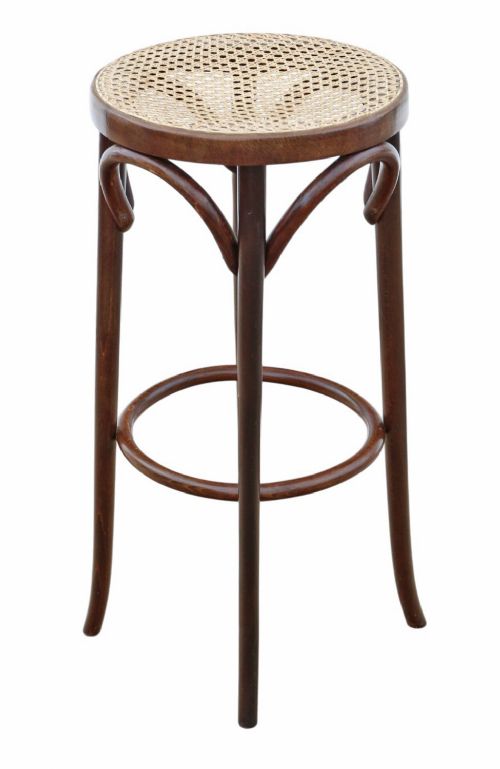
Stools and armchairs dominate the selection, appearing in forms such as swivel clerk's seats, bentwood high stools, and rustic farmhouse seating. Victorian vernacular and rustic country styles surface frequently alongside Edwardian and earlier Georgian iterations.
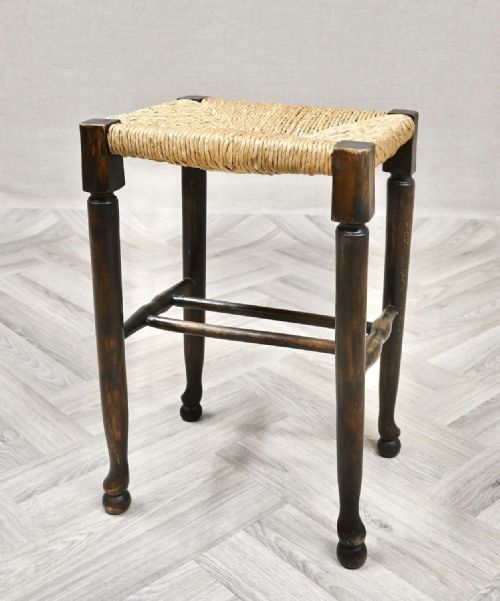
Elm and beech frequently provide the structural integrity for these elevated frames, often paired with rush or leather surfaces. Pieces originate from diverse domestic and commercial settings, reflecting utility across European and English workshops.
How they were made
Turned beech and sturdy elm form the structural backbone of these elevated seats, providing the dense grain necessary to withstand constant daily weight at height. Joinery relies on traditional methods like mortise and tenon joints to secure footrests and legs under immense pressure.
Makers shaped solid timber seats using adzes and gouges to create comfortable, concave depressions for the user. Bentwood techniques also appear in later twentieth-century examples, employing steam to curve hardwood into slender, resilient frames.
Some nineteenth-century clerk stools retain ink stains on the footrest from careless writers leaning over high ledgers.
What varies in quality
The choice of primary timber heavily influences the integrity of the piece, with wild elm and sycamore offering superior grain density compared to softer pines. Superior examples display thoughtful turning on the legs and stretchers rather than plain, unadorned structural dowels.
Original surface patination distinguishes an honest utilitarian survivor from an over-restored item. Sturdy construction without excessive wobbling in the tall frame marks the difference between casual workshop output and purpose-built commercial seating.
The Tall Wooden Seat Glossary
- Clerk's stool
- A high stool traditionally utilised by a writer or accountant at a standing desk, often featuring a swiveling or fixed wooden top.
- Bentwood
- Wood that has been heated with steam to make it pliable, allowing craftsmen to bend it into curved structural shapes.
- Stretcher
- A horizontal rail connecting the legs of a chair or stool to provide stability and a convenient place to rest feet.
- Settle
- A wooden bench with a high back and solid arms, designed originally to keep draughts away from the user.
- Rush seat
- A seating surface woven from dried marsh plants, creating a durable and textured platform across the frame.
Tall Wooden Seat: Frequently Asked Questions
What rooms suit a tall wooden seat?
These elevated seats function naturally beside kitchen islands, breakfast bars, and high workspaces where standard chairs sit too low. Their narrow footprint allows them to tuck neatly beneath counters without dominating floor space.
Placing one in a hallway provides a convenient spot for pulling on boots or dropping keys. Their architectural height adds visual vertical interest to empty corners in sitting rooms.
How do I care for antique wood?
Keep wooden seats away from direct heat sources and radiators to prevent the timber from drying out and splitting over time. Applying a traditional beeswax polish occasionally maintains the natural lustre of the grain.
Avoid using harsh chemical sprays or soaking the surface with water during cleaning. A soft, dry cloth removes dust effectively while preserving the historic finish.
Are these seats comfortable to use?
Many examples feature saddle-moulded wooden seats carved to fit the contours of the body for prolonged sitting. Footrests positioned at lower levels on the frame ensure legs dangle comfortably rather than strain.
While lacking plush padding, traditional pub and clerk stools were built for hours of daily work or socialising. Adding a loose linen pad provides extra softness if required for extended periods.
How do I date a wooden stool?
Examine the tool marks left on the underside of the seat, as hand-adzed surfaces suggest earlier periods of manufacture. Turned components displaying irregular hand-chisel work indicate older craftsmanship compared to uniform machine lathe production.
Nail types, joint construction methods, and timber species further narrow down the decade or century of origin. Early pieces often utilise pegged mortise joints rather than modern metal fasteners.