
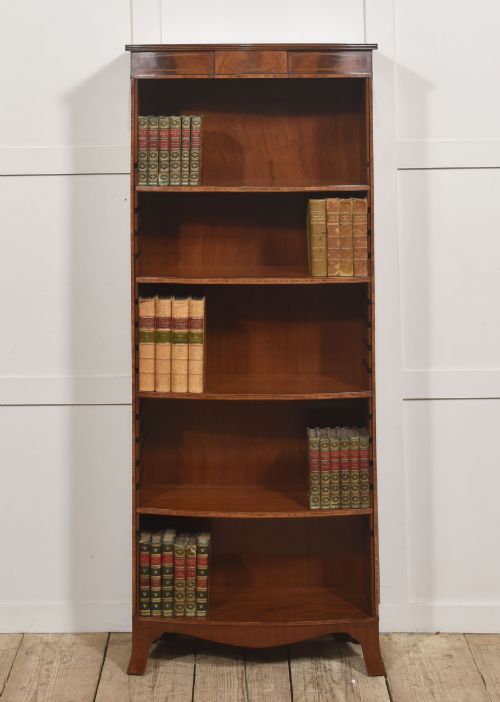


Tall Narrow Display Cabinet
A tall narrow display cabinet offers the vertical storage you need without dominating the room, perfect for showcasing collections in compact spaces.
Tall Narrow Display Cabinet
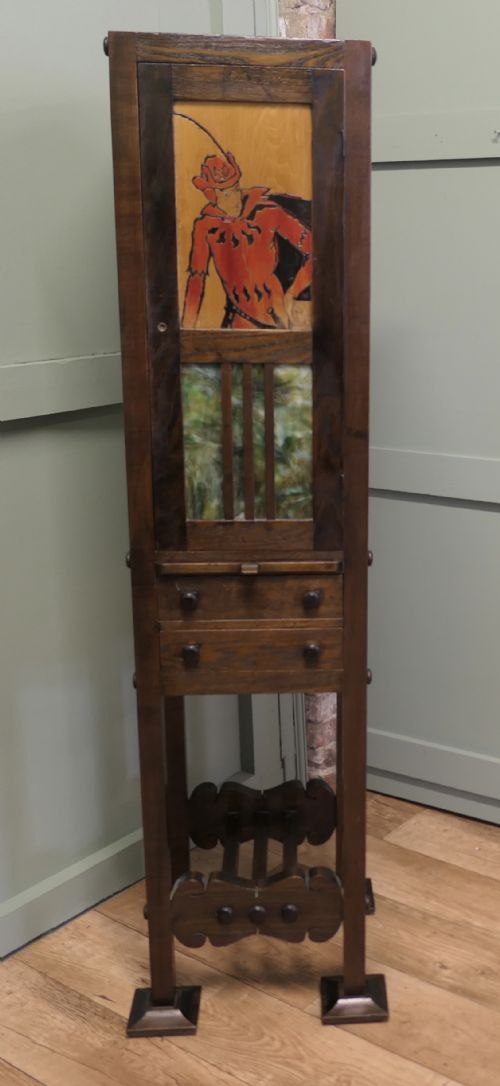
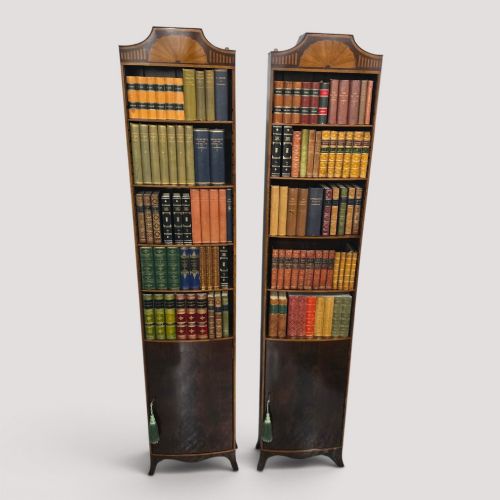
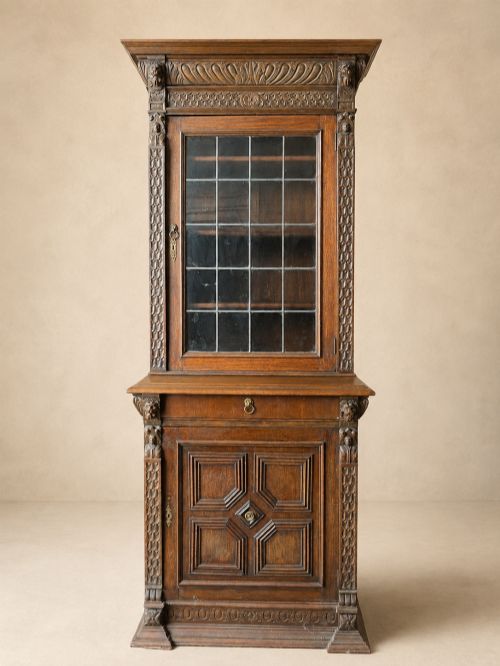
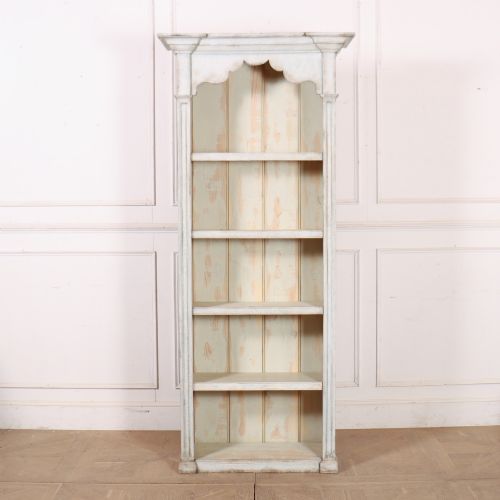
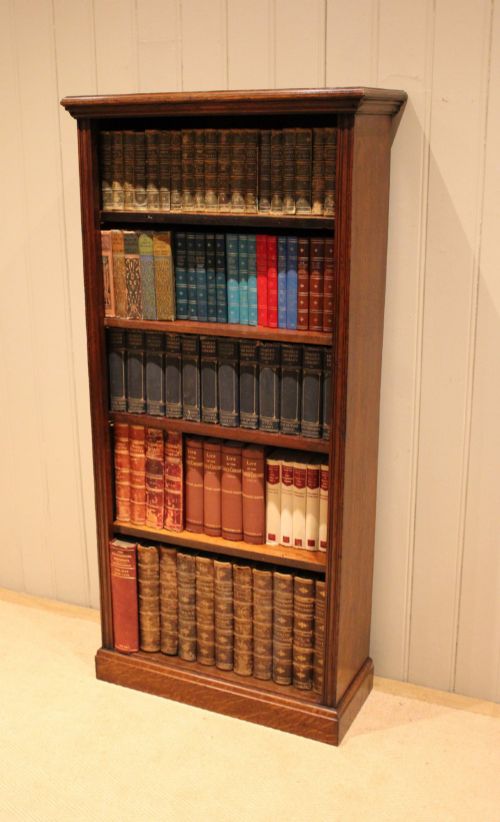
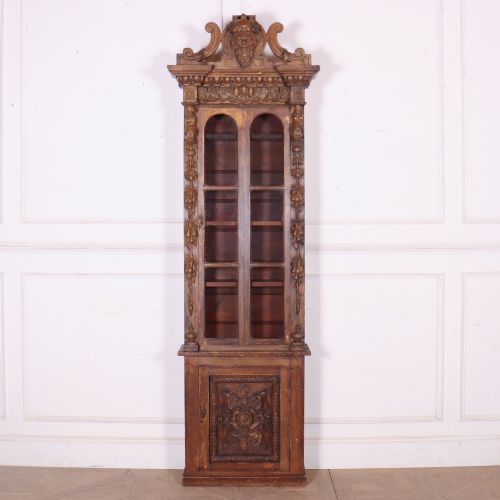
When you search for a tall narrow display cabinet, you are looking at upright pieces designed to exhibit books, curiosities or precious items while taking up minimal floor space. These items frequently appear as slender bookcases, vitrines or glazed cabinets reaching upwards.
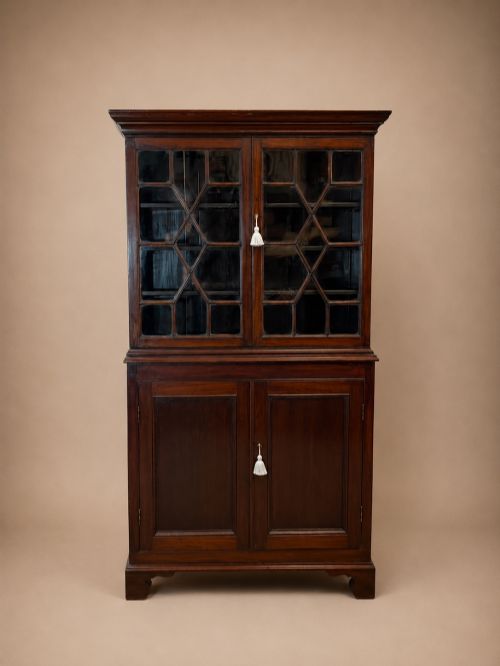
The versions you meet most often on this page date from the nineteenth century through the early twentieth century, spanning Victorian, Edwardian and Art Deco periods. They often use forms such as astragal glazed doors, open shelving or corner cabinets to fit tight spots.
Makers constructed these cabinets in timber frames fitted with glass panels, brass hardware and sometimes intricate marquetry or painted finishes. Their proportions make them exceptionally useful for modern interiors where footprint matters.
What varies in quality
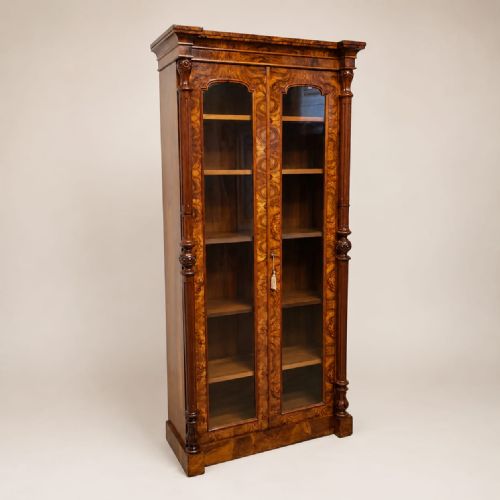
The standard of a tall narrow display cabinet rests largely on the choice of timber and the crispness of its carving or inlay work. Dense, richly figured veneers like burr walnut or carefully selected mahogany distinguish finer examples from plain utility pieces.
Construction details also separate the best items from ordinary ones, particularly the joinery of the shelves, the fit of the glazed doors and the quality of the brass fittings. Thoughtful proportions and intact original glass indicate a higher grade of craftsmanship.
Some nineteenth-century cabinetmakers thoughtfully added adjustable shelves so owners could fit exceptionally tall volumes of poetry.
Minty
The Tall Narrow Display Cabinet Glossary
- Astragal glazing
- A method where thin wooden bars divide a glass window or door into smaller panes. These delicate framing strips are characteristic of fine nineteenth-century bookcases.
- Burr walnut
- A prized wood veneer taken from the burl growths of walnut trees, noted for its swirling, highly decorative grain patterns. It often covers the primary surfaces of formal cabinets.
- Pier cabinet
- A low or tall narrow cabinet designed to stand against a narrow strip of wall between windows. These pieces frequently feature glass doors for displaying ornaments.
- Marquetry
- The art of applying pieces of veneer to a structure to form decorative patterns or pictures. It adds colour and textural contrast to cabinet doors and friezes.
Tall Narrow Display Cabinet: Frequently Asked Questions
How do I style a tall narrow display cabinet?
Place your tall narrow display cabinet against a plain wall where its vertical lines can draw the eye upward without cluttering the floor area.
Arrange books vertically and horizontally alongside small decorative objects, leaving enough empty space around items to let the timber and glass do their work.
Where should I put a corner cabinet?
Corner cabinets are specifically built to fit into the ninety-degree angle of a room, turning unused dead space into functional storage. They work particularly well in dining rooms or studies.
Ensure the corner walls are reasonably square so the cabinet sits flush against both sides without leaving awkward gaps.
How do I identify an Edwardian cabinet?
Edwardian cabinets generally date from the early twentieth century and often show lighter framing, simpler lines and occasionally painted finishes influenced by earlier revival styles.
They frequently employ mahogany or oak, balancing practical display space with restrained decorative inlay rather than heavy Victorian carving.