

Tall Mahogany Storage Cabinet
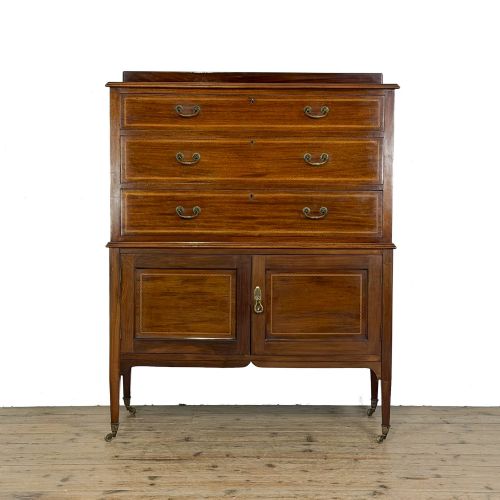
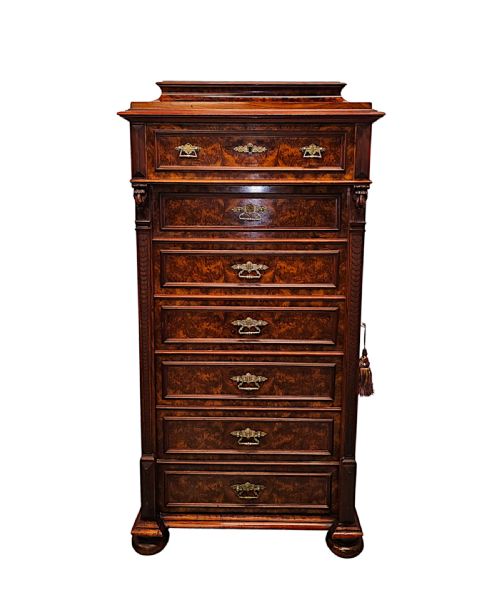
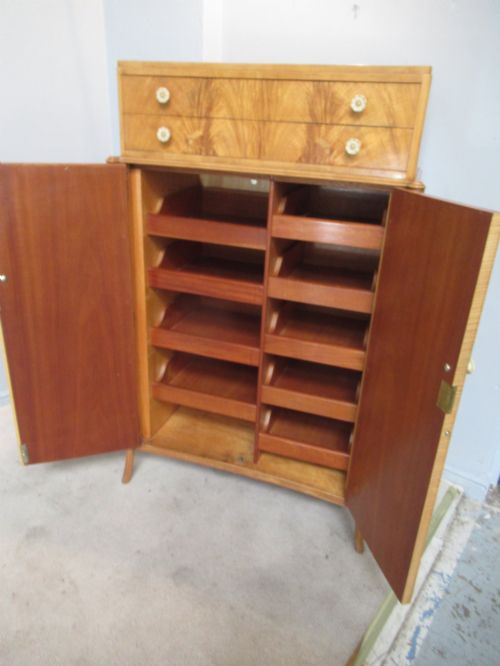
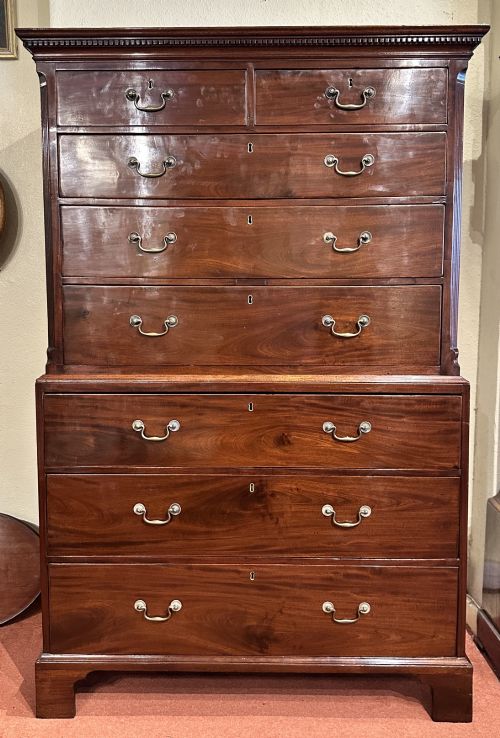
A tall mahogany storage cabinet brings vertical presence and rich timber tone into a room, offering practical containment for clothes, papers and domestic goods.
Tall Mahogany Storage Cabinet
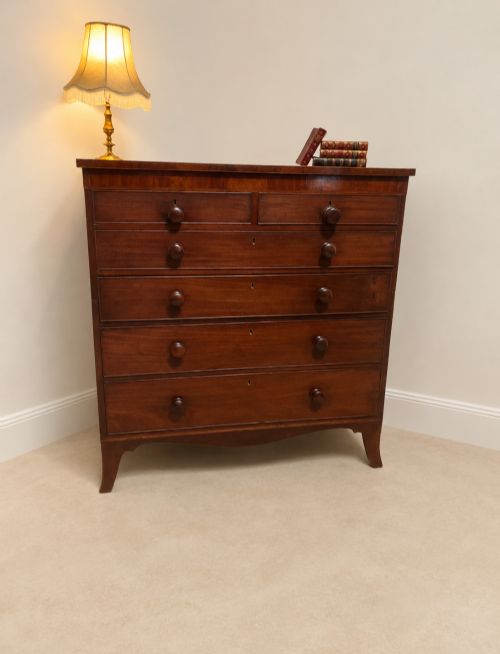
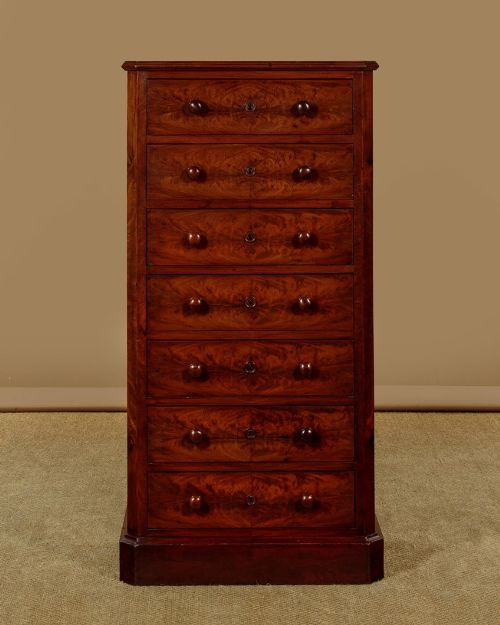
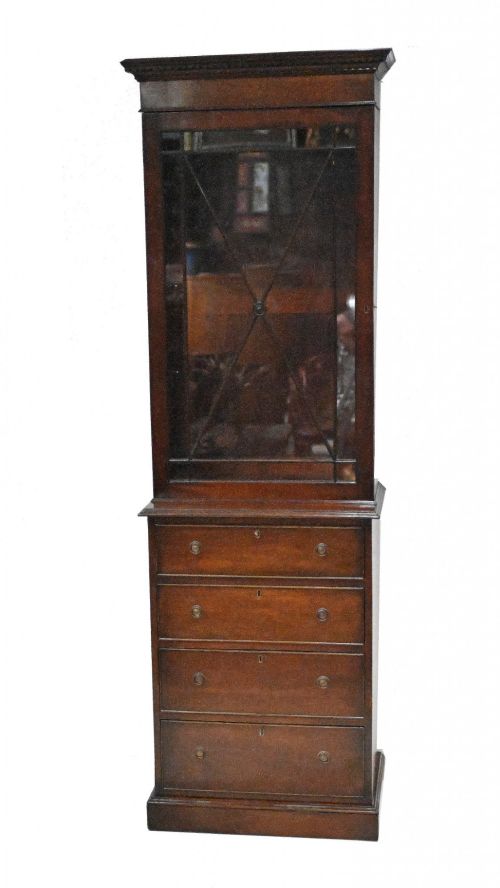
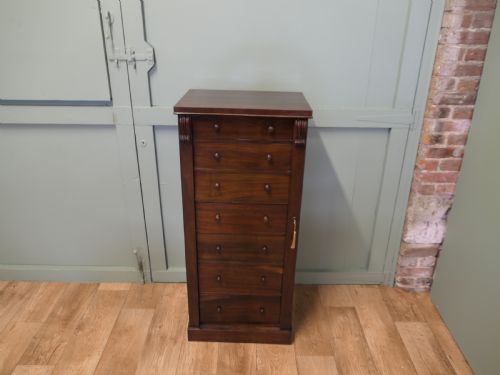
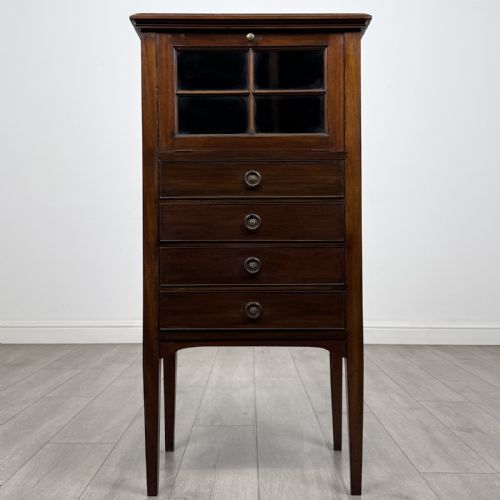
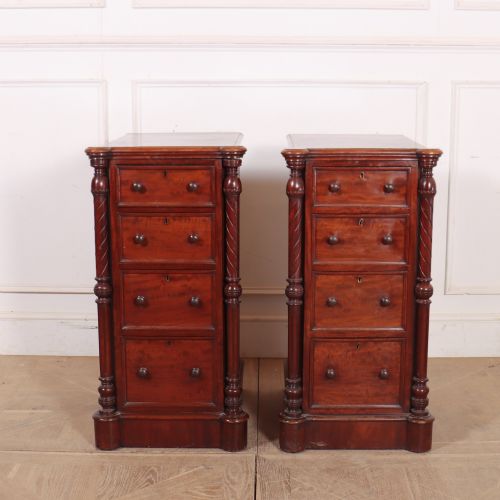
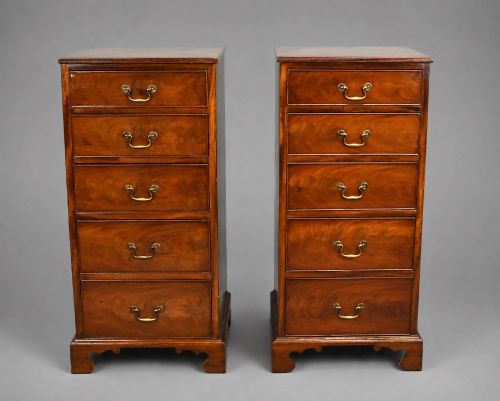
A tall mahogany storage cabinet encompasses vertical case furniture designed to hold garments, music, books and household items. When you search for a tall mahogany storage cabinet, you encounter pieces spanning the Georgian, Victorian and Edwardian eras through to the early twentieth century.
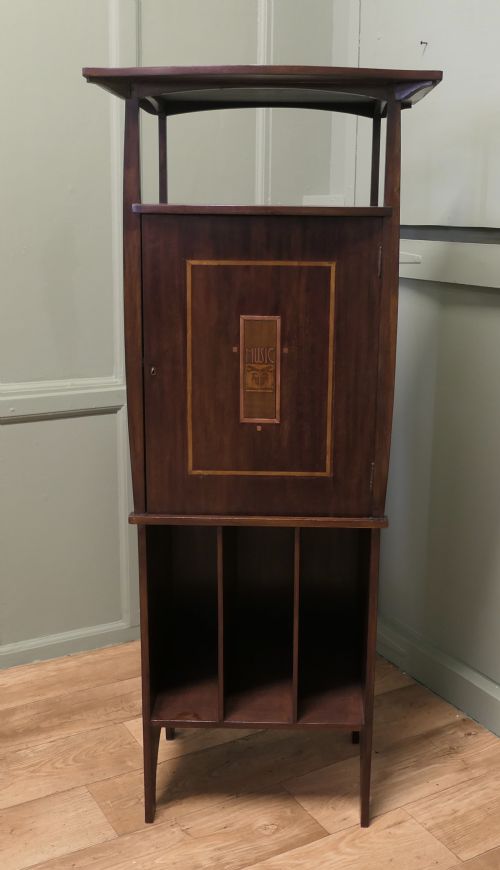
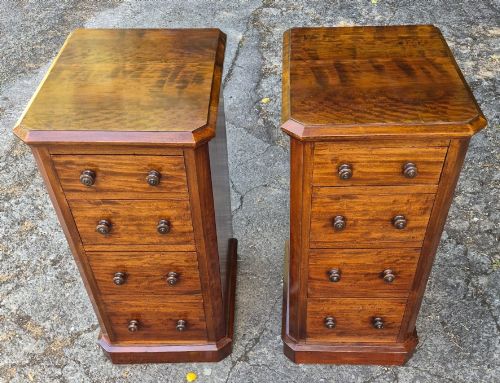
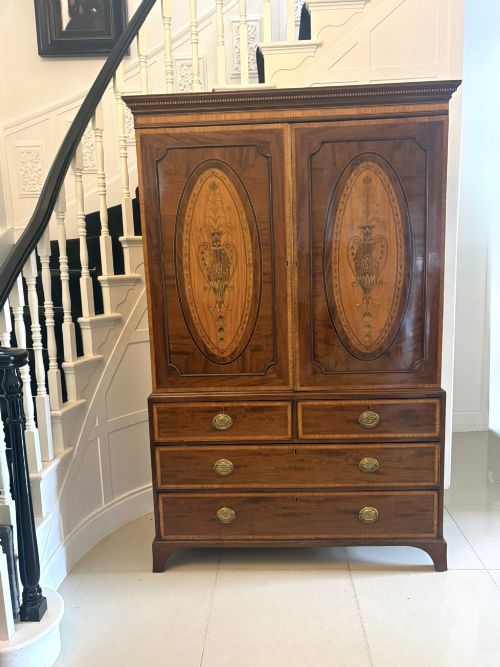
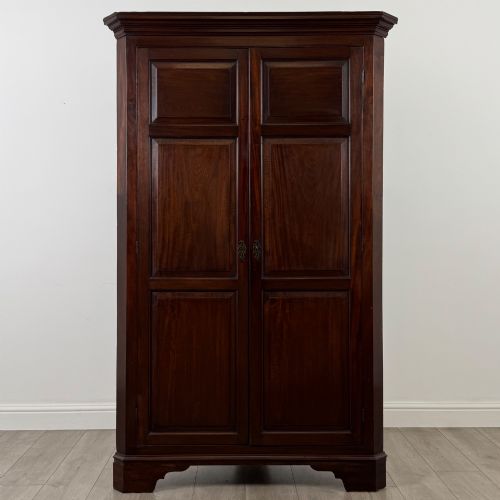
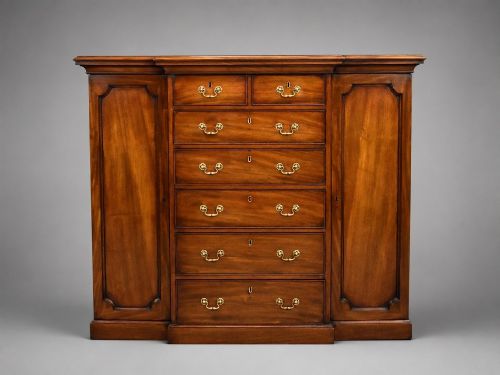
The selection here includes upright chests of drawers, linen presses, Wellington chests, music cabinets and corner cupboards. The Victorian and Edwardian periods provide numerous slim chests and music cabinets, while Georgian examples range from linen presses to tall boys.
These items originate primarily from British workshops, though revival styles and Edwardian production add variety to the forms. Buyers select them to maximise storage capacity without claiming excessive floor space.
Materials and construction
Makers built these cabinets using solid mahogany alongside flame mahogany veneers applied to secondary timbers. Workshops frequently enhanced drawer fronts and cupboard doors with satinwood and wood inlay, creating visual contrast against the dark body.
Internal elements often incorporate maple, while brass hardware provides functional handles and locking mechanisms. Glass appears in bookcase doors, and ebonised wood details accent specific Edwardian and Victorian designs.
Tall Mahogany Storage Cabinet Retail Price Guide 2026
Typical asking prices for tall mahogany storage cabinet among the pieces listed under this phrase on Sellingantiques today, from the lower quarter to the upper quarter. They describe what is for sale here now, not the wider market.
The listings span the eighteenth, nineteenth and early twentieth centuries, featuring mahogany, satinwood, maple and brass across diverse storage forms.
Distinctions in manufacture
Construction standards differentiate baseline utility pieces from works carrying finer cabinetmaking credentials. The choice of timber grain, such as matched flame mahogany veneer, signals greater workshop ambition.
Subtleties in proportion, crispness of wood inlay and the quality of brass fittings determine the overall standard of a cabinet. Original drawer linings and sound structural joints preserve the integrity of the piece over centuries of use.
GM Elwood for JS Henry·Maple and Co·Waring S Gillows
The Tall Mahogany Storage Cabinet Glossary
- Linen Press
- A tall double-door cupboard positioned above a chest of drawers, originally built to store folded textiles. Georgian examples often feature panelled doors and sliding trays inside.
- Wellington Chest
- A tall, narrow chest of drawers secured by a hinged locking side stile that fastens with a key. This form emerged in the nineteenth century to protect private papers.
- Flame Mahogany
- Timber cut from the fork of the mahogany tree where the branch meets the trunk, producing a rippling, flame-like grain pattern. Cabinetmakers reserved this veneer for principal display surfaces.
- Satinwood
- A pale, hard exotic wood utilised for stringing, banding and inlay work on dark mahogany carcasses. It provides sharp linear contrast.
- Music Cabinet
- A compartmented piece of furniture designed to house sheet music, commonly produced during the Edwardian period with glazed or panelled doors.
Tall Mahogany Storage Cabinet: Frequently Asked Questions
How do I secure a tall cabinet?
Tall furniture benefits from securing to a wall bracket, particularly when placed on older, uneven floorboards. This prevents tipping when multiple drawers are pulled out simultaneously.
Most period cabinets include or accommodate discreet fixing points at the rear upper frame without altering the external timber.
Can these cabinets hold modern clothing?
Deep drawers and linen press compartments readily accommodate folded garments, knitwear and accessories. Narrow Edwardian chests suit smaller items of apparel.
Hanging space depends on whether the interior retains original sliding trays or has been adapted for longer garments.
How do I identify a Georgian piece?
Georgian cabinets exhibit hand-cut dovetails, unveneered solid mahogany drawer sides and classical proportions. Brass handles on these pieces usually attach through pierced backplates.
Later revival items often employ machine-cut joints and standardised nineteenth or twentieth-century fixings.
What maintenance does mahogany require?
Keep mahogany cabinets away from direct heat sources and strong sunlight to prevent the timber from drying out or fading. Dust regularly with a dry cloth and apply occasional beeswax to nourish the polished surface.
Avoid silicone-based sprays, which build up a film on antique polishes.