




Tall Leg Side Table
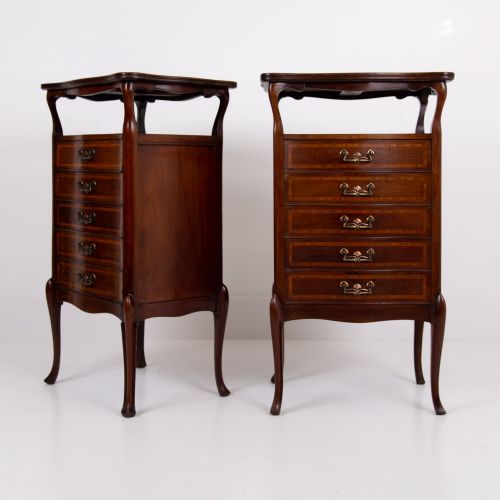
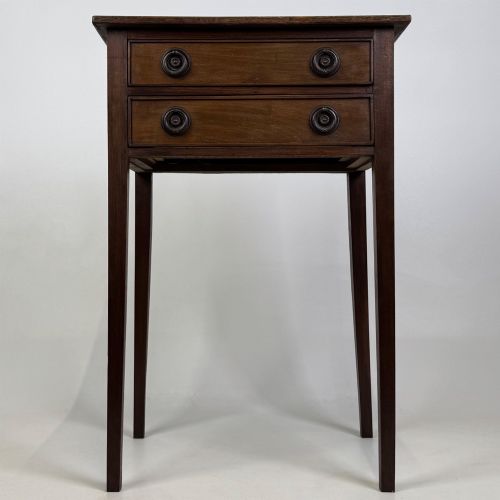
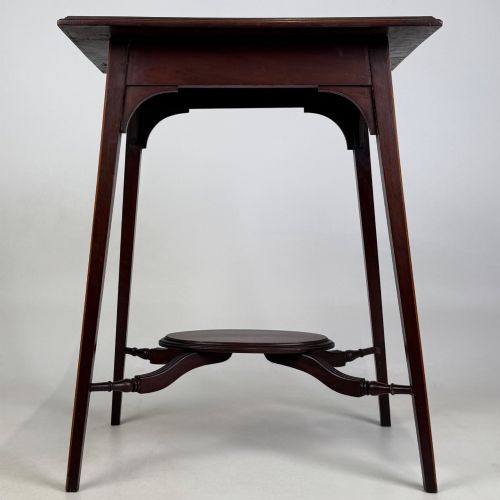
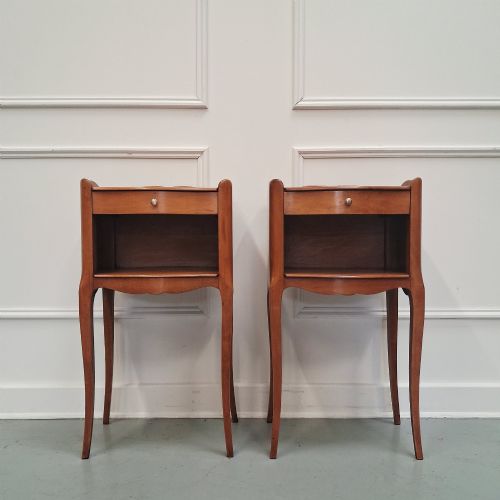
These tall leg side table pieces bring practical height and compact surface space to a room, drawing on Edwardian, Victorian and French design traditions.
Tall Leg Side Table
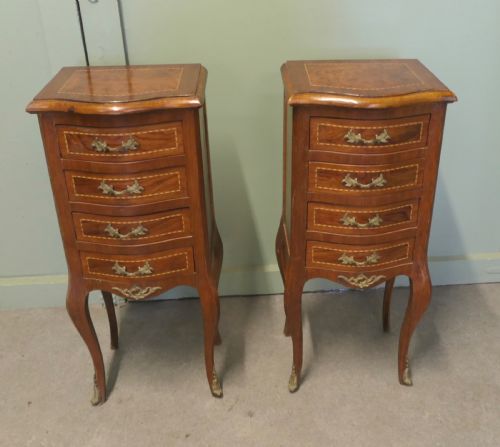
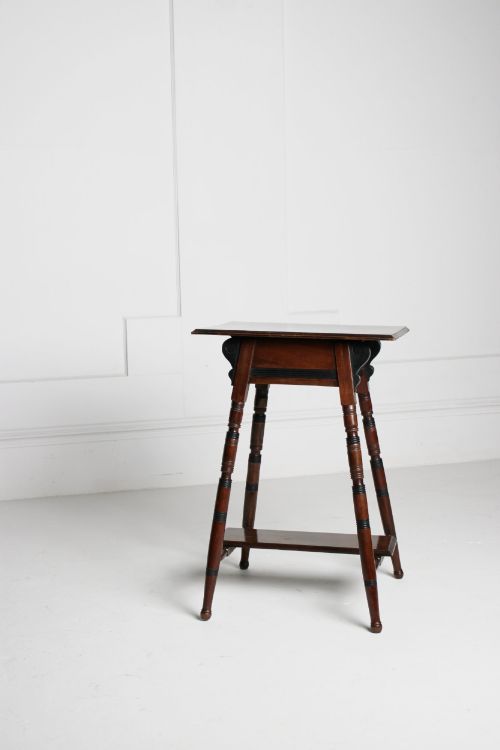
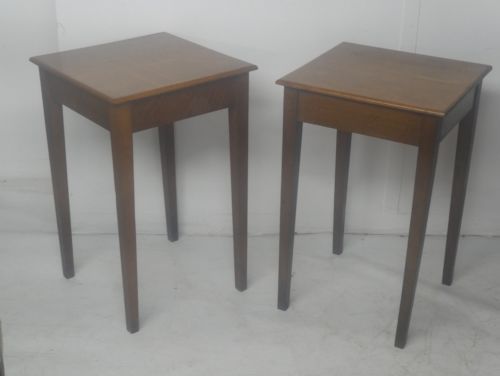
A tall leg side table serves as a functional surface in bedrooms, reception rooms and halls, taking the form of side tables, bedside cabinets, lamp tables and plant stands. When searching for a tall leg side table, buyers encounter examples from the nineteenth and twentieth centuries, spanning Edwardian, Victorian, French Louis XV style and Georgian aesthetics.
Materials and construction
Cabinet makers utilised solid and veneered timbers including mahogany, walnut, oak, satinwood and kingwood, often embellished with boxwood inlay, marquetry and hand-painted decoration. Structural support relies on turned or barley twist legs, while decorative refinement comes from cast ormolu mounts and brass gallery details.
Joinery methods reflect the period of origin, from nineteenth-century dovetail drawer construction to twentieth-century French side lockers and nesting tables. Surface finishes range from polished mahogany and walnut to painted demilune consoles.
Listings span periods from the eighteenth century through to the 1930s, featuring woods such as mahogany, satinwood, kingwood, walnut and oak.
Judging quality in a tall leg side table
Quality rests in the crispness of timber selection, such as figured mahogany, matched walnut veneers or intricate satinwood marquetry. Superior examples show refined proportions, precise floral inlay and intact brass or ormolu mounts rather than heavy or plain execution.
The integrity of the construction, from stable barley twist legs to tightly fitted drawers and side lockers, marks the distinction between standard utility items and finer workshop production.
Druce & Co London·Shoolbred·Gillows
The Tall Leg Side Table Glossary
- Ormolu
- Gilded bronze ornamentation applied to furniture, frequently seen on French bedside tables and cabinets from the nineteenth and twentieth centuries. It adds metallic contrast to wood surfaces.
- Marquetry
- Decorative veneer patterns assembled from various woods to form floral or geometric designs. This technique appears on refined bedside tables and occasional pieces.
- Demilune
- Half-moon shape used for console tables and bedside units designed to sit flush against a wall. This form saves floor space while providing a functional surface.
- Barley twist
- A spiral turning technique applied to wooden table legs and plant stands. It creates a distinctive tactile profile popular in oak and walnut furniture.
- Nightstand
- A small bedside table or cabinet fitted with cupboards or drawers for nighttime storage. These pieces match the tall proportions sought in bedroom furniture.
Tall Leg Side Table: Frequently Asked Questions
Where do tall leg side tables fit best?
These tables suit bedside placements, narrow hallways and corners where surface space is needed without a large footprint. Their elevation allows them to sit comfortably beside high mattresses or seating.
They also function as plant stands, lamp tables or small display surfaces in reception rooms, utilising vertical space efficiently.
How do I identify French styles?
French pieces often display Louis XV influence, provincial forms or neoclassical symmetry, accompanied by specific hardware like ormolu mounts and brass details. Woods such as kingwood and painted finishes further distinguish continental workshops from British equivalents.
Cabinets and bedside lockers frequently incorporate integrated cupboards or multiple drawers designed with neat, tall proportions.
What is the difference between an urn stand and a lamp table?
Urn stands typically feature very tall, slender proportions designed originally to elevate decorative vessels or tea urns. Lamp tables are built with slightly broader tops intended to hold lighting and books.
Both categories utilise turned wooden legs, mahogany or oak construction, and elevated platforms suited to specific domestic tasks.
How do I care for inlaid satinwood?
Satinwood benefits from minimal exposure to direct sunlight to prevent the pale timber and delicate inlay work from fading. Gentle dusting with a dry cloth preserves the polished surface.
Avoid excessive moisture and silicone polishes, using traditional furniture wax sparingly when the wood requires nourishment.