
Tall Gold Wall Mirror
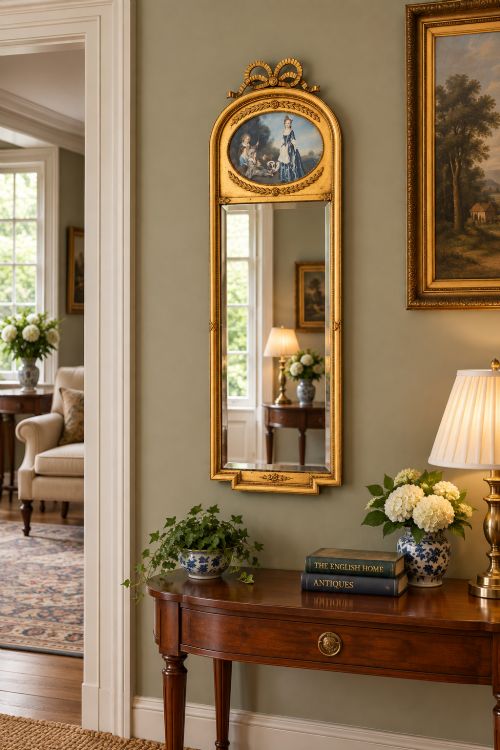
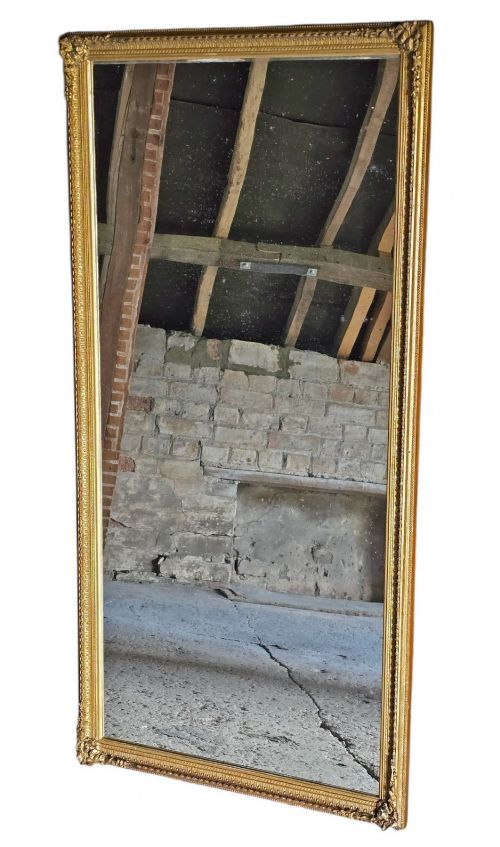
A tall gold wall mirror brings vertical light and presence to a room, drawing the eye upward with historic gilt frames.
Tall Gold Wall Mirror
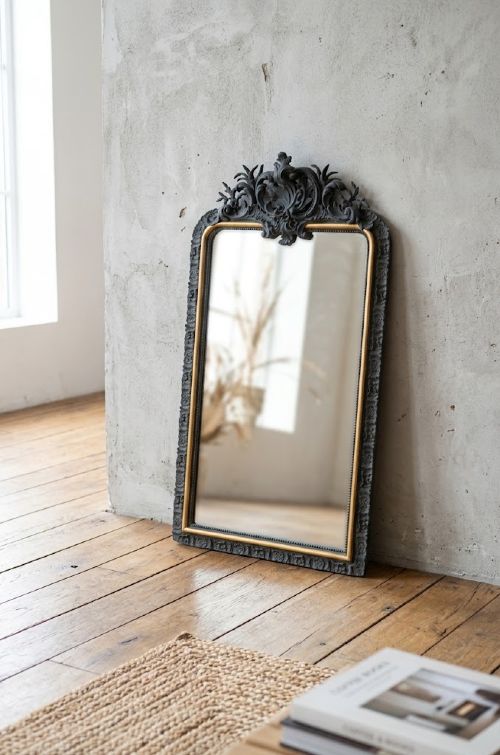
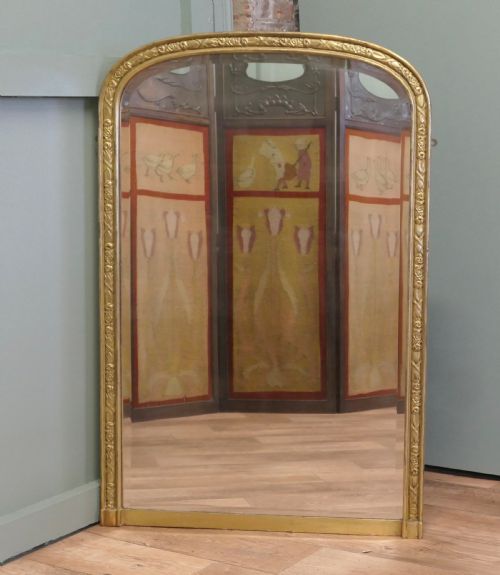
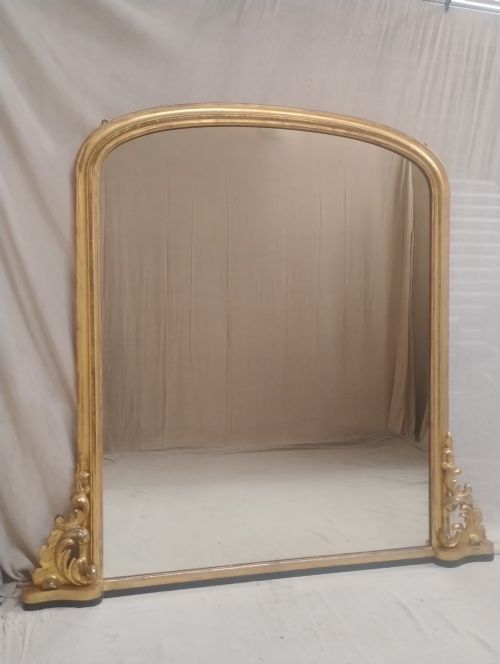
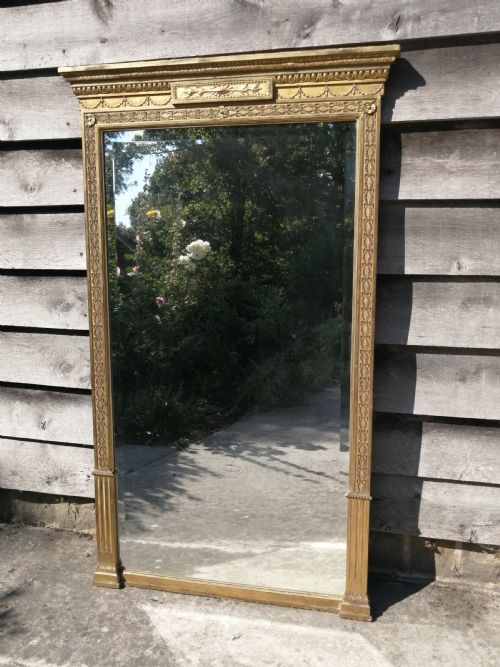
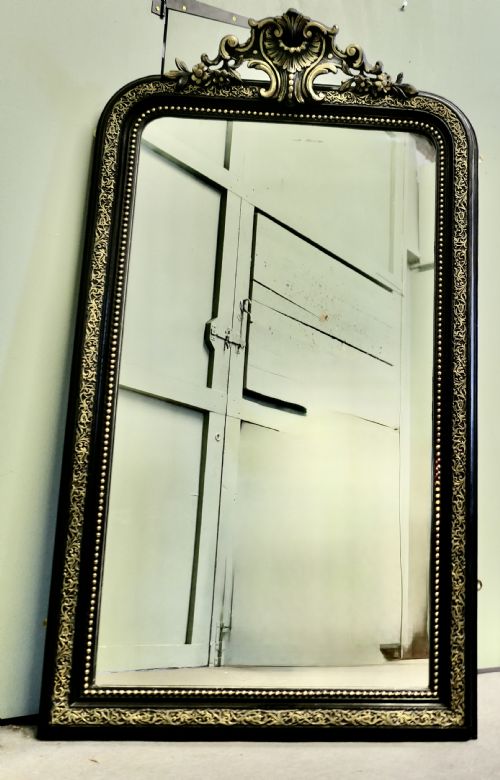
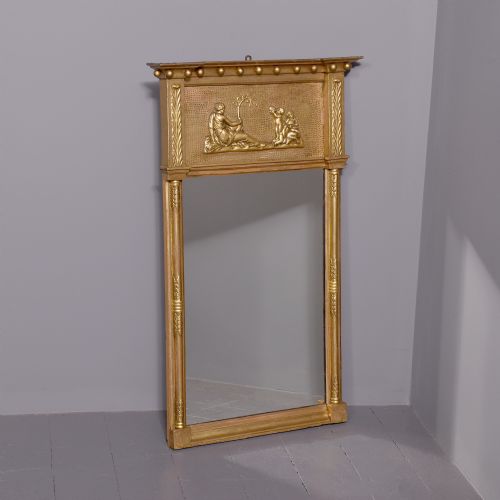
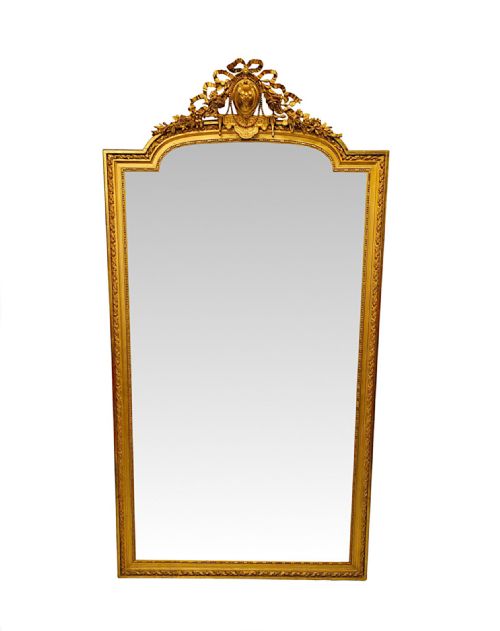
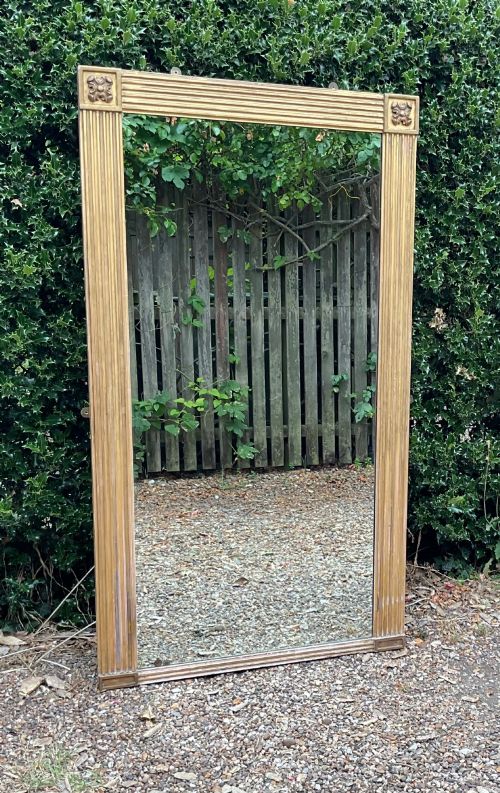
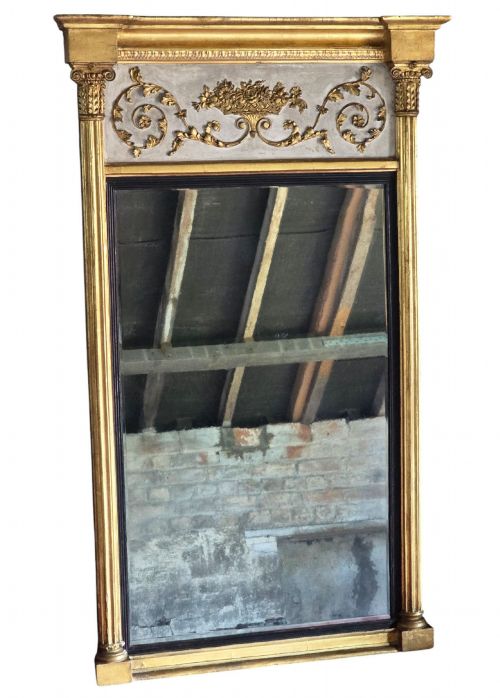
A tall gold wall mirror serves as a major decorative anchor, originating from periods such as the Georgian, Regency, and Victorian eras alongside 19th-century French ateliers. These pieces include overmantel, pier, leaner, and full-length dressing mirrors designed to reflect light and expand the perceived space of a room.
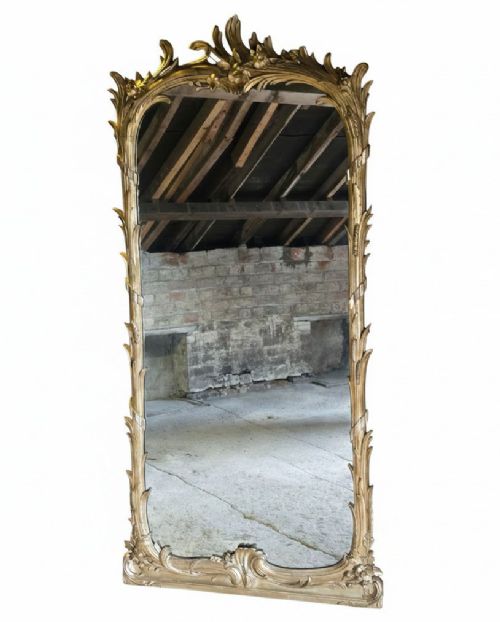
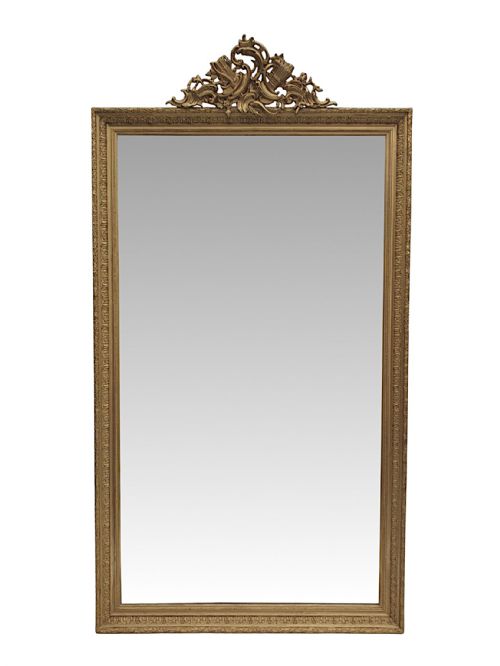
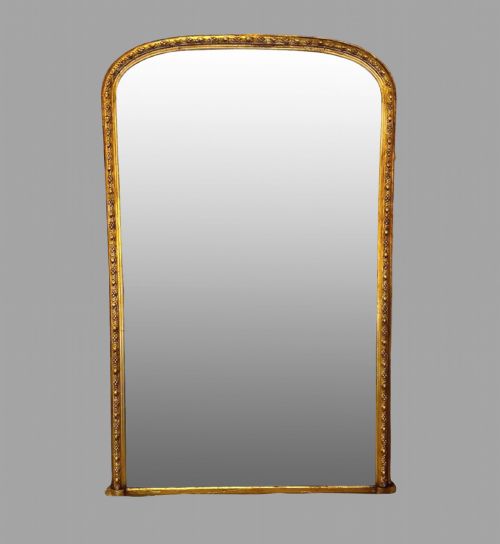
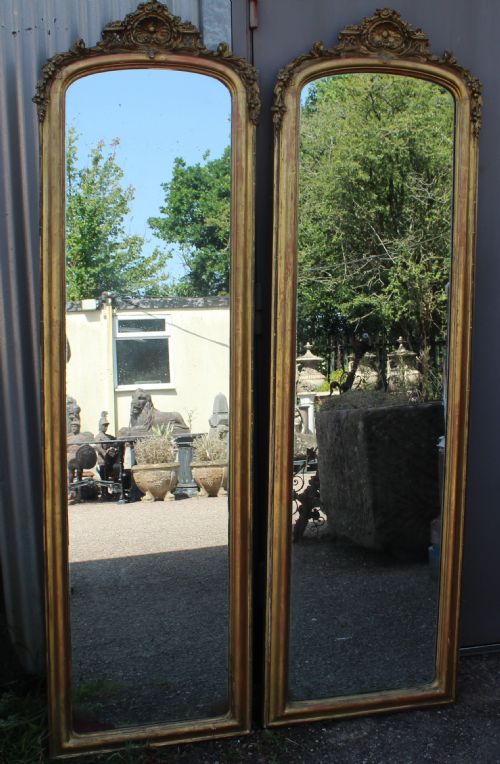
The most common version met on this page is the 19th-century French Louis Philippe or pier mirror, frequently standing well over one and a half metres in height. Such pieces combine slender proportions with arched or rectangular tops, often intended to hang between windows or stand above a fireplace mantel.
How they were made
Frames are constructed from wood, commonly utilising softwoods or hardwoods as a base, which receive a layer of gesso to build up intricate surface detail and carved motifs. Artisans then apply gold leaf or liquid gilding to the prepared ground, sometimes combining giltwood with painted sections or black accents.
Glass plates in these pieces are secured within the frame, with older examples featuring original mirror glass, mercury plates, or hand-bevelled edges. Carved elements like rope twists, neoclassical columns, or rococo scrolls are shaped directly into the wood or moulded in gesso before the final metallic finish is applied.
Listings feature periods spanning from the 18th century through the 1920s, with materials including giltwood, gesso, and original mirror glass.
What varies in quality
The depth and crispness of the carving separate standard frames from superior examples, as skilled hands produce sharper acanthus leaves, cleaner reeding, and more defined moulding profiles. Mass-produced or later revived pieces often display softer ornamentation where the gesso fills in the finer details of the wooden substrate.
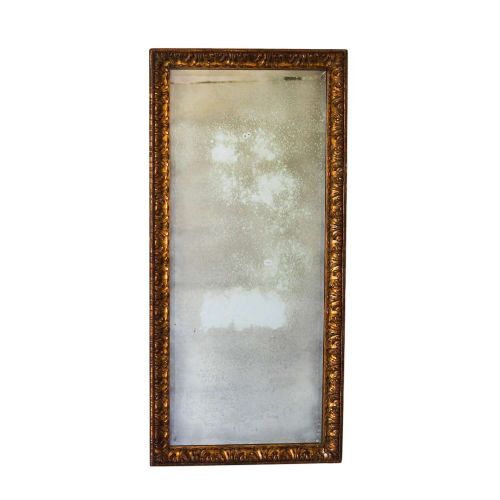
The integrity of the glass plate and the original gilding dictate the overall character of the piece, with undisturbed silvering and genuine gold leaf retaining a warmer, softer reflection than replaced mirror plates. Frames that retain their original structural joinery without excessive restoration hold greater integrity for collectors.
John Belchier
The Tall Gold Wall Mirror Glossary
- Giltwood
- Wood that has been coated with gold leaf or powder. This finish creates a luminous metallic surface that ages with a characteristic mellow patina.
- Gesso
- A plaster-like mixture applied to wood frames to create a smooth surface for carving and gilding. It allows for intricate relief ornamentation.
- Pier Mirror
- A tall mirror specifically designed to hang on the wall space between two windows. They often feature narrow proportions to fit these architectural gaps.
- Overmantel Mirror
- A wide or tall mirror made to sit directly above a fireplace mantelpiece. These pieces frequently incorporate landscape proportions or grand architectural frames.
- Mercury Glass
- An older type of mirror plate produced by pouring a mercury-tin amalgam behind glass. It yields a mottled, atmospheric reflection with dark spots.
Tall Gold Wall Mirror: Frequently Asked Questions
Where should a tall gold wall mirror be hung?
These mirrors work best on principal walls where they can capture and reflect natural light from windows. Placing one opposite a light source maximises its ability to brighten a room.
They also function effectively above mantelpieces or console tables, where their vertical proportions balance the surrounding furniture and architectural scale.
What is a pier mirror used for?
Historically, pier mirrors were designed to occupy the narrow wall space between windows, known as the pier. This placement maximised light reflection in dimly lit historic rooms.
Today, they serve the same spatial purpose while functioning as striking full-length or decorative wall pieces in hallways and living spaces.
How can I tell the age of a gilt frame?
Examining the construction methods, the composition of the gesso, and the type of wood provides clear indicators of age. Older frames often show hand-cut joinery and multiple layers of historical surface preparation beneath the gold leaf.
The mirror plate itself also offers clues, as original mercury glass or early bevelled edges differ noticeably from modern float glass.
Can these mirrors be used as leaner mirrors?
Certain tall models are built with the weight and stability required to stand directly on the floor and lean against a wall. It is important to check the back construction and frame depth to ensure it supports leaning safely.
Wall-hanging versions require appropriate fixings and brackets rated to bear the substantial weight of wood, gesso, and glass.