

Tall Gilt Framed Mirror
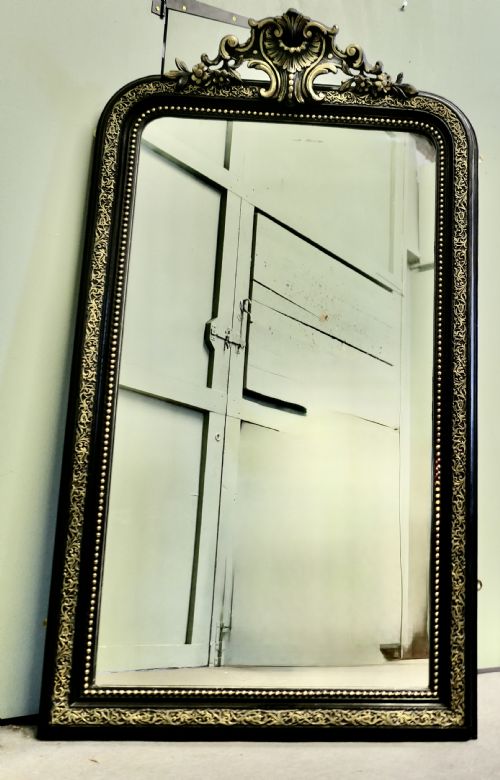
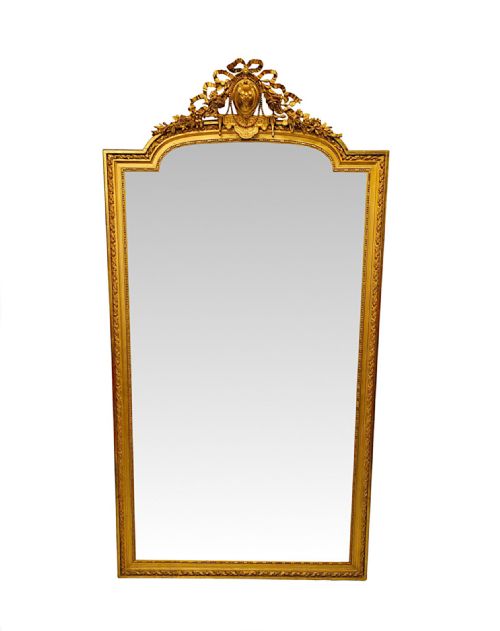
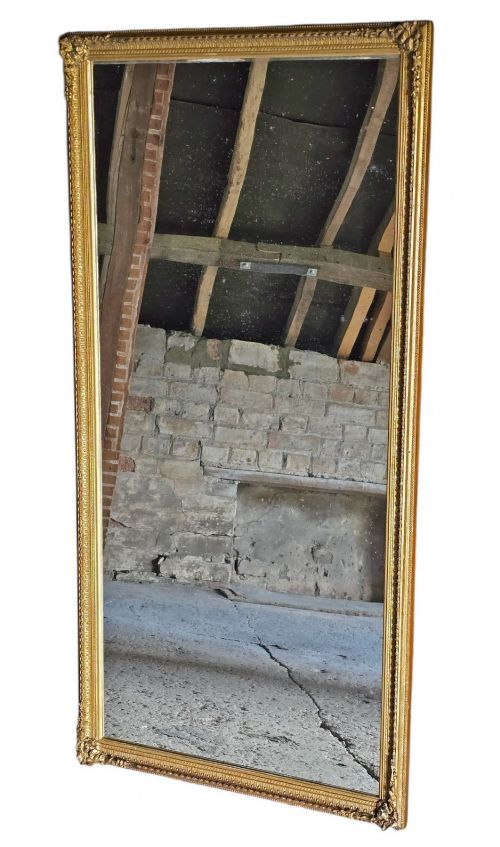
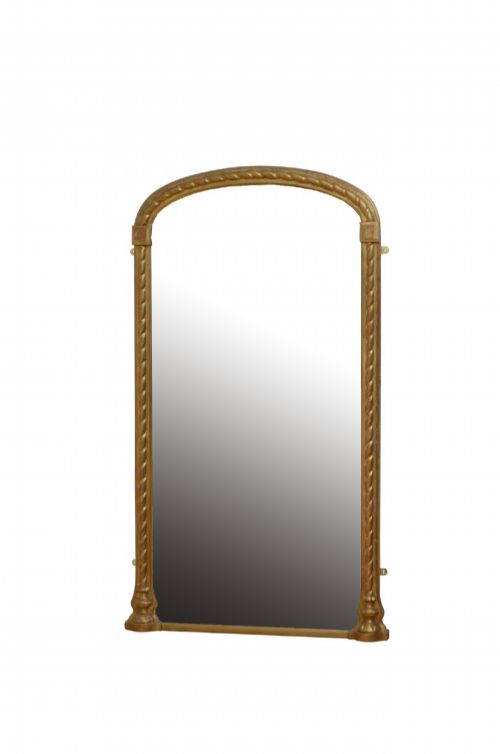
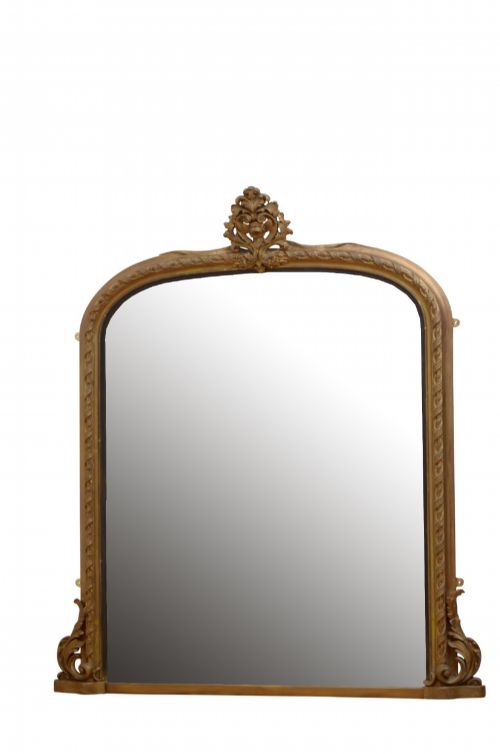
A tall gilt framed mirror commands a room, bringing vertical presence and reflected light to walls from the eighteenth century to the early twentieth.
Tall Gilt Framed Mirror
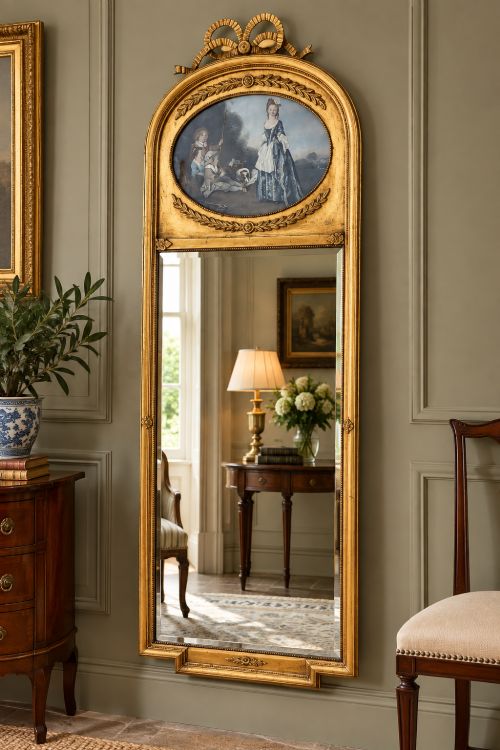
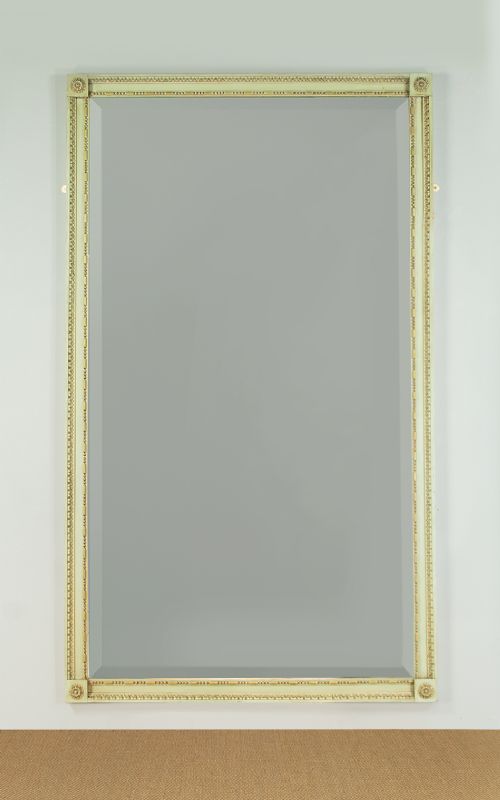
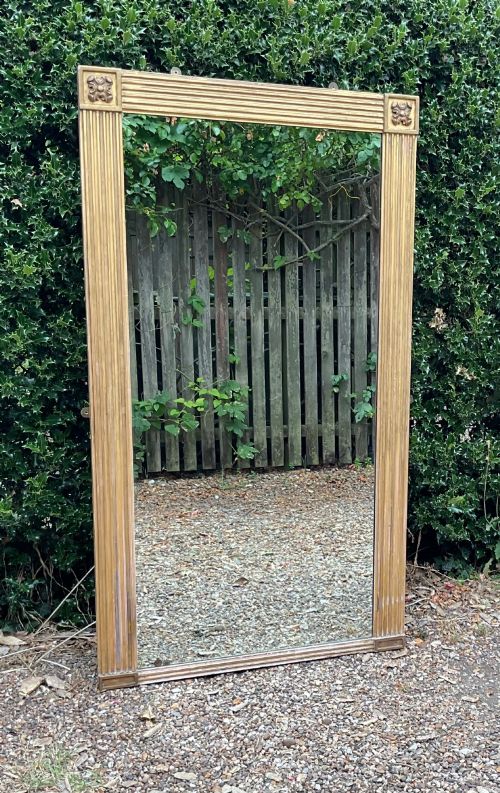
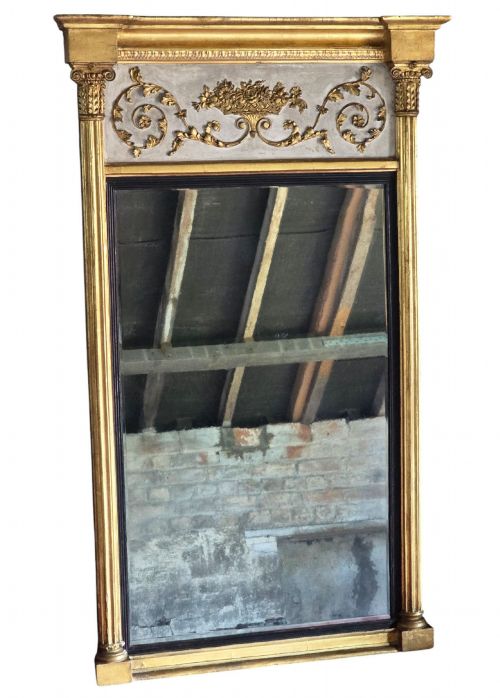
A tall gilt framed mirror serves as a dominant architectural element, functioning as a pier glass between windows, an overmantel above a fireplace, or a full-length dressing glass. The selection draws heavily on nineteenth-century French examples, alongside Regency, Victorian, and Georgian pieces.
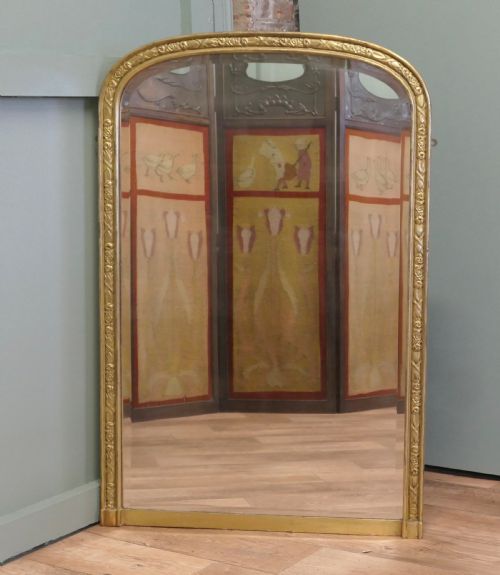
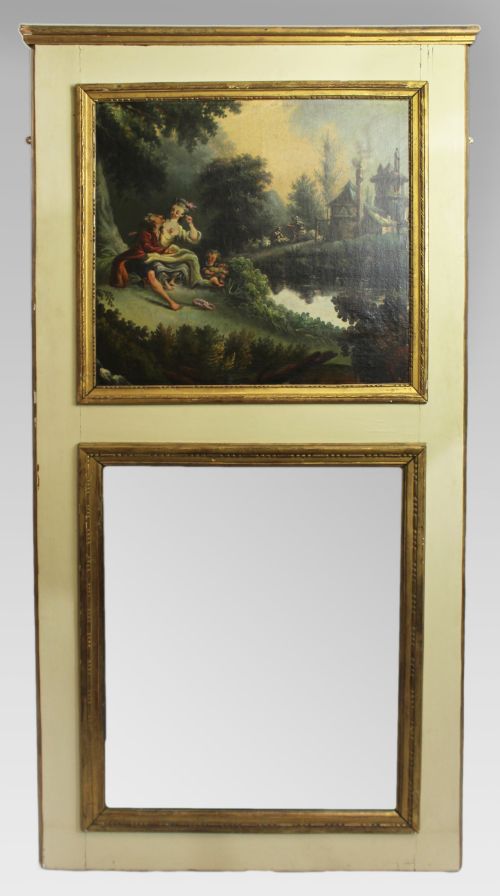
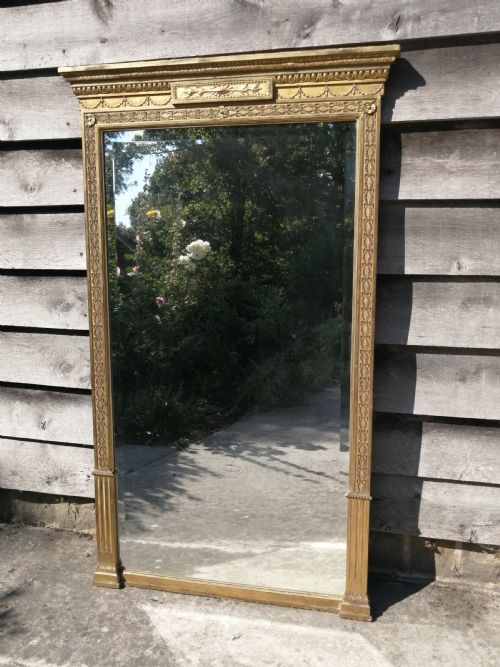
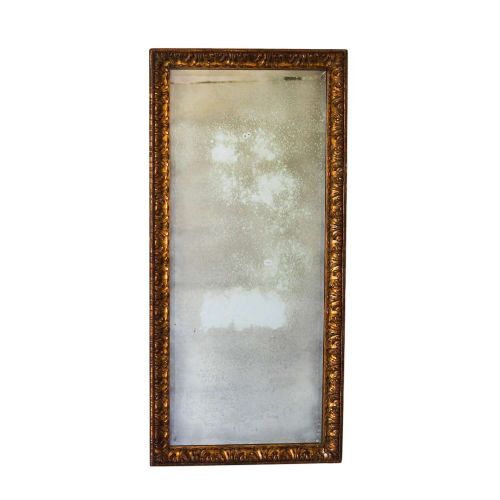
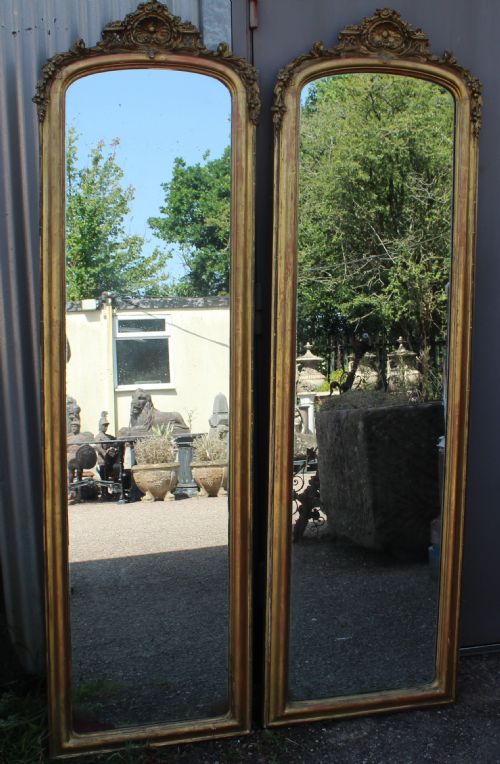
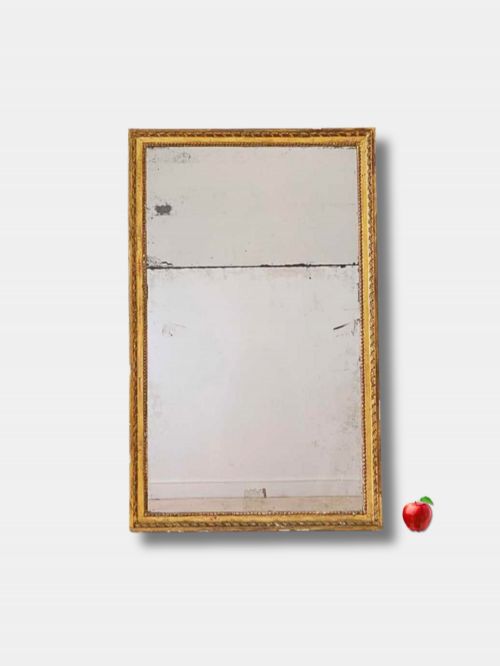
The forms encompass arched leaner mirrors, trumeau panels featuring oil paintings, and rectangular frames ornamented with classical columns or rope carving. These vertical formats manipulate the sense of scale in a room while offering functional reflection.
How They Were Made
Makers constructed the timber frames from wood before applying layers of gesso to build up decorative reliefs and mouldings. Artisans then laid gold leaf or used gilt finishes over the prepared surfaces to achieve the characteristic metallic sheen.
Mirrors relied on glass plates, with older examples incorporating mercury glass or original bevelled plates that show subtle foxing and age. Carved details, rope motifs, and panel inserts were integrated directly into the wooden framework before gilding.
One grand haberdashery shop mirror from 1910 brings commercial scale straight into domestic hallways.
What Varies in Quality
The depth and crispness of the hand-carving in the giltwood or gesso separate ambitious workshops from mass production. Well-preserved original gilding and untouched glass plates carry greater authenticity than later re-gilding or modern mirror replacements.
Structural integrity within large frames dictates longevity, particularly where heavy timber supports meet wall hanging hardware or floor standing bases. The inclusion of original decorative elements, such as pastoral oil paintings in trumeau panels or distinct revival styling, elevates individual pieces.
John Belchier
The Tall Gilt Framed Mirror Glossary
- Pier glass
- A tall mirror designed specifically to hang on the narrow wall space between two windows. It often sits above a pier table.
- Trumeau mirror
- A decorative wall mirror incorporating a painted panel or carved wooden motif above the glass plate. These French pieces often integrate pastoral scenes.
- Gesso
- A plaster-like mixture applied to wood frames to create a smooth surface for gilding. It allows for intricate moulded details and relief carving.
- Mercury glass
- An older type of mirror glass made by pouring a mercury amalgam behind the glass plate. It produces a distinctive mottled, dark reflection.
- Overmantel mirror
- A wide or tall mirror proportioned to sit directly on the mantelpiece above a fireplace. These pieces dominate the chimney breast wall.
Tall Gilt Framed Mirror: Frequently Asked Questions
Where should I hang a tall mirror?
These mirrors suit spaces where vertical lines require emphasis, such as between windows or above a principal fireplace. Placing them opposite a light source maximises the spread of daylight across the room.
Ensure the wall construction safely supports the substantial weight of wood and glass. Floor-standing leaner versions rest securely against walls without requiring heavy wall fixings.
How do I identify a nineteenth-century frame?
Nineteenth-century frames frequently employ composition ornaments pressed over gesso and wood. Look for signs of age in the timber backing and the specific gilt patina accumulated over decades.
Styles from this era often draw on Louis Philippe, Rococo Revival, or Neoclassical design vocabulary. The presence of original bevelled or mercury glass further supports period attribution.
What is a trumeau mirror?
A trumeau mirror combines a vertical looking glass with an upper panel containing an oil painting or carved relief. Originating in French interior design, they functioned as permanent wall decorations.
They bring both art and reflection into a room within a single unified wooden frame. The painted scenes often depict pastoral or architectural subjects.