
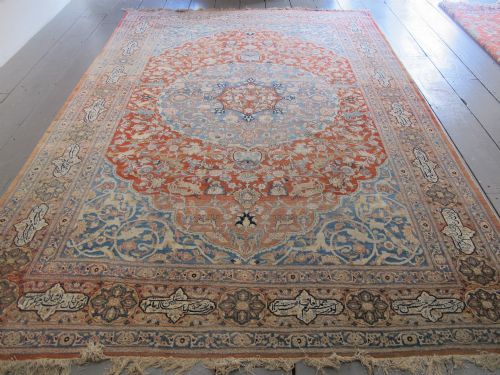


Tabriz Oriental Carpet
A tabriz oriental carpet brings centuries of Persian weaving tradition into a room through intricate floral patterns and durable foundations.
Tabriz Oriental Carpet
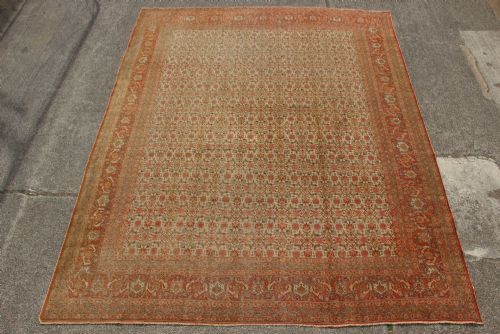
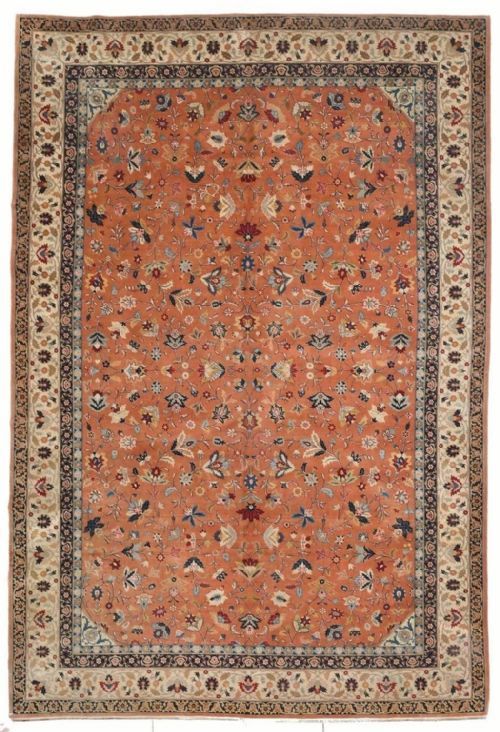
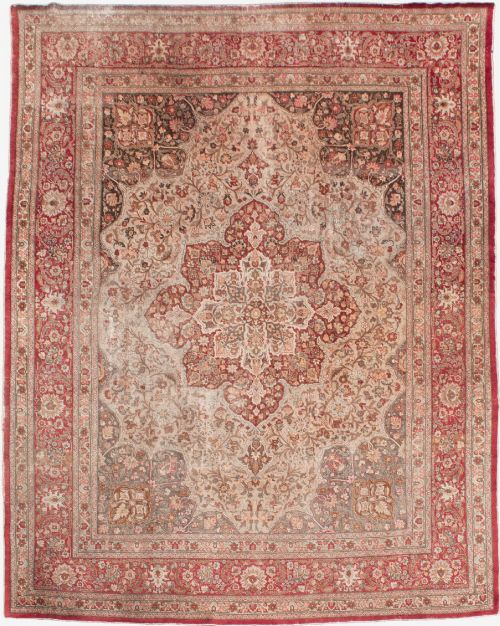
When searching for a tabriz oriental carpet, a buyer encounters hand-knotted floor coverings originating from North-West Persia. These pieces range from intimate area rugs to grand country house carpets designed for substantial rooms.
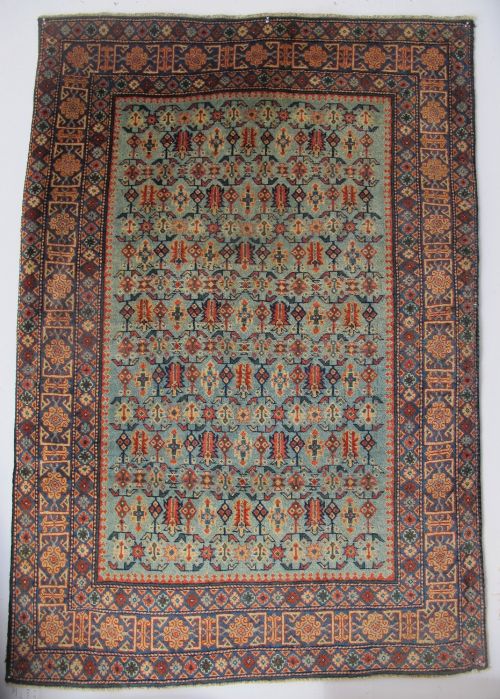
The most common examples on this page date from the nineteenth and early twentieth centuries, particularly the decades around nineteen hundred and nineteen twenty. They include traditional room-size formats alongside smaller village rugs displaying classic floral and overall designs.
Originating from a historic weaving centre, these carpets reflect various historical periods including the Qajar period and earlier Safavid influences. Buyers find both room-filling statement pieces and smaller decorative formats.
Materials and Construction
These carpets are constructed using a combination of wool, cotton, and occasionally silk. Weavers knotted fine pile wool onto sturdy cotton foundations to create durable surfaces suitable for daily use.
The use of silk appears in specific fine rugs, offering a lustrous finish and intricate detail. Traditional dyeing methods utilised natural materials to achieve the soft pastel colours and deep tones seen across the inventory.
Several carpets carry the signature of master workshops like Haji Jalili, whose weavers possessed an uncanny knack for blending soft pastels.
Judging Quality
Knot density and precision of execution distinguish finer examples from standard village productions. A higher knot count allows for sharper botanical and geometric detail within the intricate patterns.
The choice of materials also dictates the grade of the piece, with finely spun wool and occasional silk highlights representing superior craftsmanship. Additionally, the harmony of the palette and the balance of the design reflect the skill of the original workshop.
Haji Jalili·Benlian
The Tabriz Oriental Carpet Glossary
- Herati design
- A repeating pattern featuring a central floral motif enclosed within a diamond shape, flanked by leaf forms often called fish.
- Qajar period
- An era in Persian history spanning the late eighteenth to the early twentieth century, noted for distinctive artistic developments in textiles.
- Pile
- The upright yarn of a carpet that forms the textured surface walked upon, created by knotting fibres onto the warp threads.
- Warp
- The vertical foundation threads stretched tightly on the loom before the weaving of the carpet begins.
Tabriz Oriental Carpet: Frequently Asked Questions
How do I care for my carpet?
Vacuum gently without using a rotating brush bar to protect the delicate wool and silk pile. Keep the carpet out of direct sunlight to prevent the natural dyes from fading over time.
Rotate the rug periodically to ensure even wear across high-traffic areas in the room. Professional cleaning should be undertaken sparingly by specialists experienced in antique Persian textiles.
Are these carpets suitable for heavy traffic?
Traditional construction using sturdy wool pile on cotton foundations provides durability for everyday living. Larger room-size examples handle foot traffic well when placed over a quality underlay.
Finer silk pieces and older nineteenth-century examples benefit from placement in lower-traffic settings such as bedrooms or studies to preserve their delicate structure.
How can I tell the age of a piece?
Age is determined by examining the weave structure, the types of wool and cotton used in the foundation, and the chemical composition of the dyes. Stylistic elements such as specific floral motifs also point towards distinct manufacturing periods.
Comparing structural details against documented examples from the nineteenth and early twentieth centuries helps narrow down the decade of production.
What is a room-size carpet?
A room-size carpet refers to larger formats designed to anchor the furniture layout of a primary living space or dining room. These pieces typically measure over three metres in length, providing substantial floor coverage.
Such carpets were often commissioned for large country houses and reception rooms, offering impressive visual presence and warmth.