




Tabletop Showcase
A tabletop showcase is a glazed countertop cabinet designed to protect small treasures while keeping them entirely visible to the room.
Tabletop Showcase
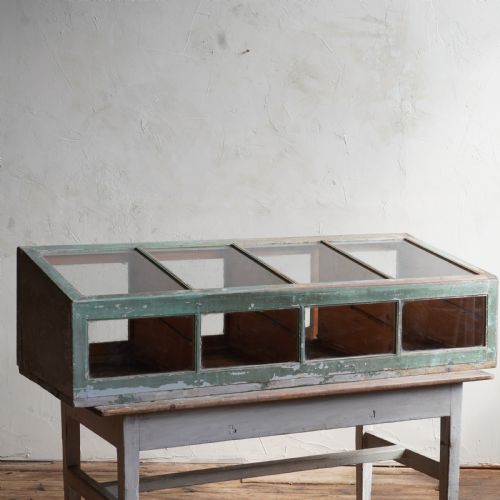
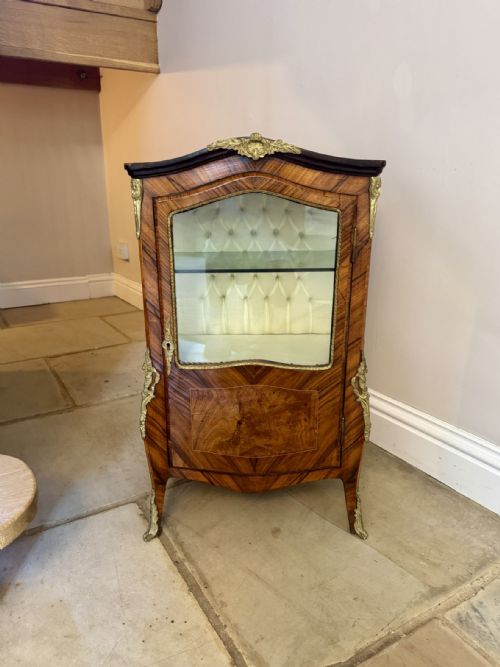
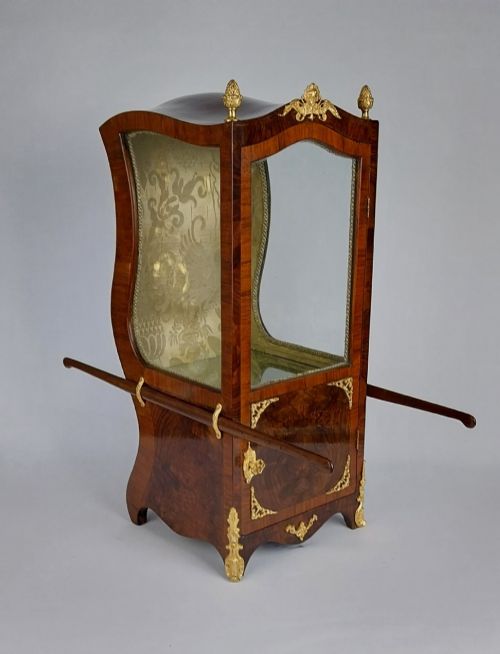
A tabletop showcase is a glazed display piece intended for counters and tables, spanning Victorian, Edwardian, and Art Deco periods. These cabinets appear in various forms, including miniature display cabinets, vitrines, and shop display boxes.
The material selection for a tabletop showcase ranges from mahogany, oak, and walnut to brass and ormolu frames. Many examples originate from commercial settings, such as apothecary shops and sweet stores, alongside domestic interiors.
Makers utilised glass panels to maximise visibility, housing everything from delicate jewellery to decorative fans and confectionery. The pieces bridge functional retail storage and refined home display.
Materials and construction methods
Carpenters built these miniature cabinets using timbers such as mahogany, oak, walnut, and kingwood, often framing the structures with brass or ormolu mounts. Glass panels were fitted securely into wooden or metal rebates to enclose the display area.
Surface treatments varied from polished wood and ebonised finishes to distressed paint and gilt wood framing. Interior linings frequently incorporated fabric or black velvet to contrast with the displayed objects.
Some sweet shop cabinets bear later sign writing for chocolate brands after leaving their original counters.
Assessing quality in construction
Quality in these cabinets rests upon the precision of the timber joinery and the clarity of the glass framing. Finer examples integrate brass hardware and select wood veneers like burr walnut or kingwood.
Commercial utility also influences the build, with apothecary and sweet shop cabinets demonstrating robust framing designed for daily trade use. Domestic vitrines often display more delicate carving and decorative mounts.
Cadbury·Frys
The Tabletop Showcase Glossary
- Vitrine
- A glass-fronted cabinet or display case designed for showcasing fine objects and curiosities. The term often describes French-influenced or decorative freestanding and table models.
- Ormolu
- Gilded bronze or brass applied as a decorative mount on furniture and cabinets. This technique adds metallic brilliance to the timber framework.
- Ebonised
- Wood treated with a dark stain or finish to imitate ebony. This process was popular for creating a stark, dramatic contrast against glass and interior linings.
- Apothecary
- A historical term relating to the preparation and sale of medicines. Cabinets from this context feature utilitarian compartments built for trade.
- Kingwood
- A dense, richly figured timber utilised in fine cabinet making. Its distinct grain patterns mark out higher-status decorative pieces.
Tabletop Showcase: Frequently Asked Questions
What is a tabletop showcase?
A tabletop showcase is a glazed cabinet designed to sit on a counter or table for displaying small items.
These pieces range from commercial shop counters to delicate domestic vitrines made of wood and glass.
How were these cabinets used?
They served both commercial retail purposes and domestic display needs.
Merchants used them for confectionery and apothecary goods, while households displayed jewellery and ornaments inside them.
What materials are common?
Common materials include woods like mahogany, oak, walnut, and kingwood.
Frames often incorporate glass, brass, or ormolu, while interiors may feature fabric or velvet lining.
How do I date a cabinet?
Dating relies on stylistic clues from periods such as the Victorian era, the Edwardian period, and Art Deco.
Construction techniques, wood choices, and hardware styles also help assign cabinets to eras like the 1920s or the 19th century.