
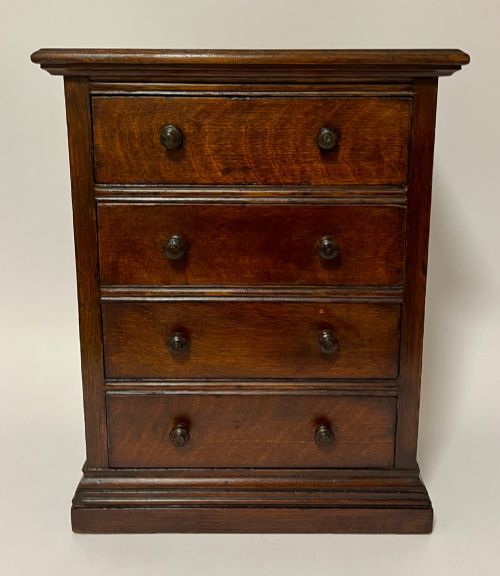


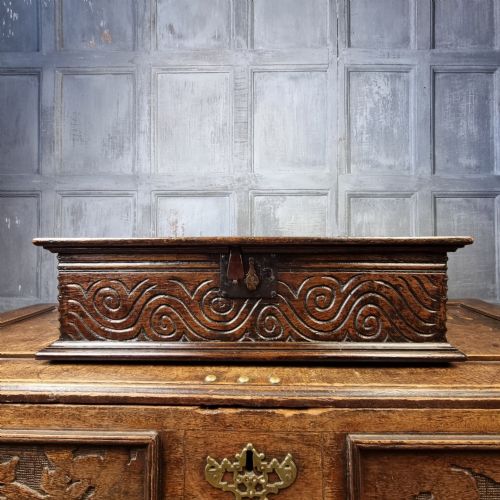


Tabletop Oak Chest
Tabletop oak chests are compact historical containers crafted to hold valuables, spices, or documents close at hand.
Tabletop Oak Chest
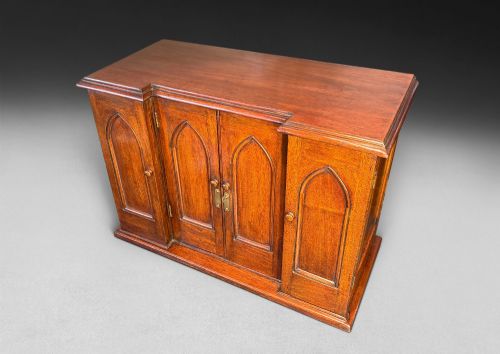
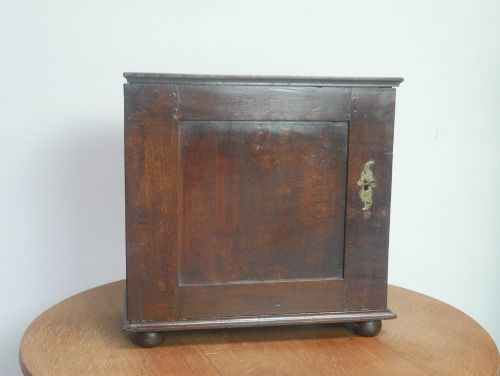
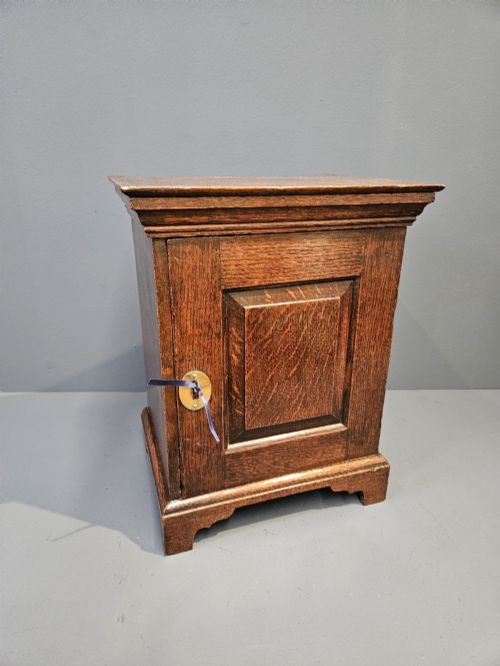
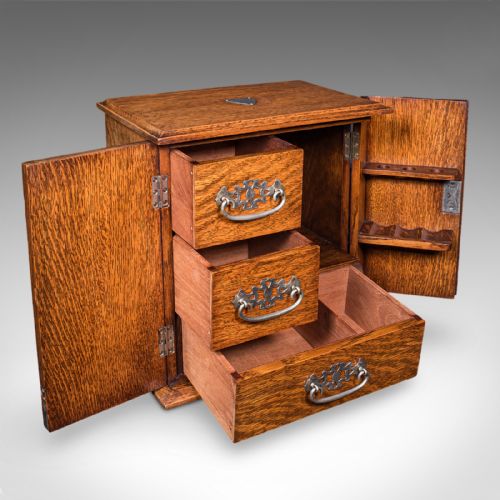
A tabletop oak chest is a miniature domestic container built to sit upon a desk, counter, or side table. These pieces encompass diverse forms, including spice cupboards, miniature chests of drawers, coffers, and slope-front writing boxes.
The selections span multiple centuries, ranging from seventeenth-century joined examples to Georgian and Victorian designs. Buyers encounter regional variants like the Welsh coffor bach alongside utilitarian trade drawers from the interwar period.
These items served practical domestic or commercial functions rather than acting as mere toys or samples. Their small scale reflects either the need to secure precious commodities or the practical limits of workspace furniture.
What varies in quality
Construction integrity distinguishes utilitarian workshop pieces from finer domestic examples. The tightness of the dovetails, the selection of figured timber, and the retention of original hardware dictate the enduring integrity of each box.
Proportion and architectural detail separate standard utility boxes from accomplished miniature case furniture. Pieces that retain their original locks, keys, and interior fittings command deeper historical interest.
The available inventory spans the seventeenth century through to the interwar period, encompassing both domestic and commercial forms.
Manoah Rhodes and Sons Ltd
The Tabletop Oak Chest Glossary
- Coffor bach
- A small Welsh miniature coffer or chest typically featuring a lidded top above a single drawer. These traditional pieces were historically presented as love tokens or wedding gifts.
- Spice cupboard
- A small wall or tabletop cabinet enclosing multiple miniature drawers designed for storing culinary spices and herbs. They often feature panelled doors and distinct interior layouts.
- Bible box
- A sloping-lidded wooden box intended to hold a family bible and writing materials. These early joined pieces frequently rest on tables or desks.
- Draper counter cabinet
- A multi-drawer commercial chest utilised in shops to organise small haberdashery items like needles and threads. They are commonly constructed from oak with glazed or panelled drawer fronts.
- Miniature chest of drawers
- A small-scale case piece built with stacked horizontal drawers mimicking full-sized furniture. They were produced as masterworks, apprentice pieces, or specialty storage.
Tabletop Oak Chest: Frequently Asked Questions
What were tabletop oak chests used for?
These small chests served diverse domestic and commercial storage needs. Owners kept precious commodities, documents, spices, and sewing gear safely locked inside them.
Their tabletop placement kept frequently accessed items within easy reach on desks or counters. Wealthy households utilised them for valuables while merchants employed multi-drawer variants for trade goods.
How do I date an old oak chest?
Dating relies heavily on construction techniques, hardware, and stylistic indicators. Seventeenth-century examples typically feature heavy joined frameworks and pegged panels.
Eighteenth-century pieces introduce finer dovetailing and bracket feet, while nineteenth and twentieth-century versions show machine-cut timber and different handle styles. Examining interior secondary woods helps confirm the period.
Are these pieces original or replica?
The inventory comprises antique pieces spanning the seventeenth through to the twentieth century. Each item reflects the vernacular building methods and materials of its specific era.
Construction wear, timber shrinkage, and period-appropriate hardware help distinguish genuine antique items from later reproductions.
How do I care for antique oak furniture?
Keep wooden chests away from direct heat sources and fluctuating humidity to prevent timber splitting. Gentle dusting with a dry cloth maintains the surface without stripping natural wax.
Avoid modern liquid polishes that can build up and soften historic finishes over time.